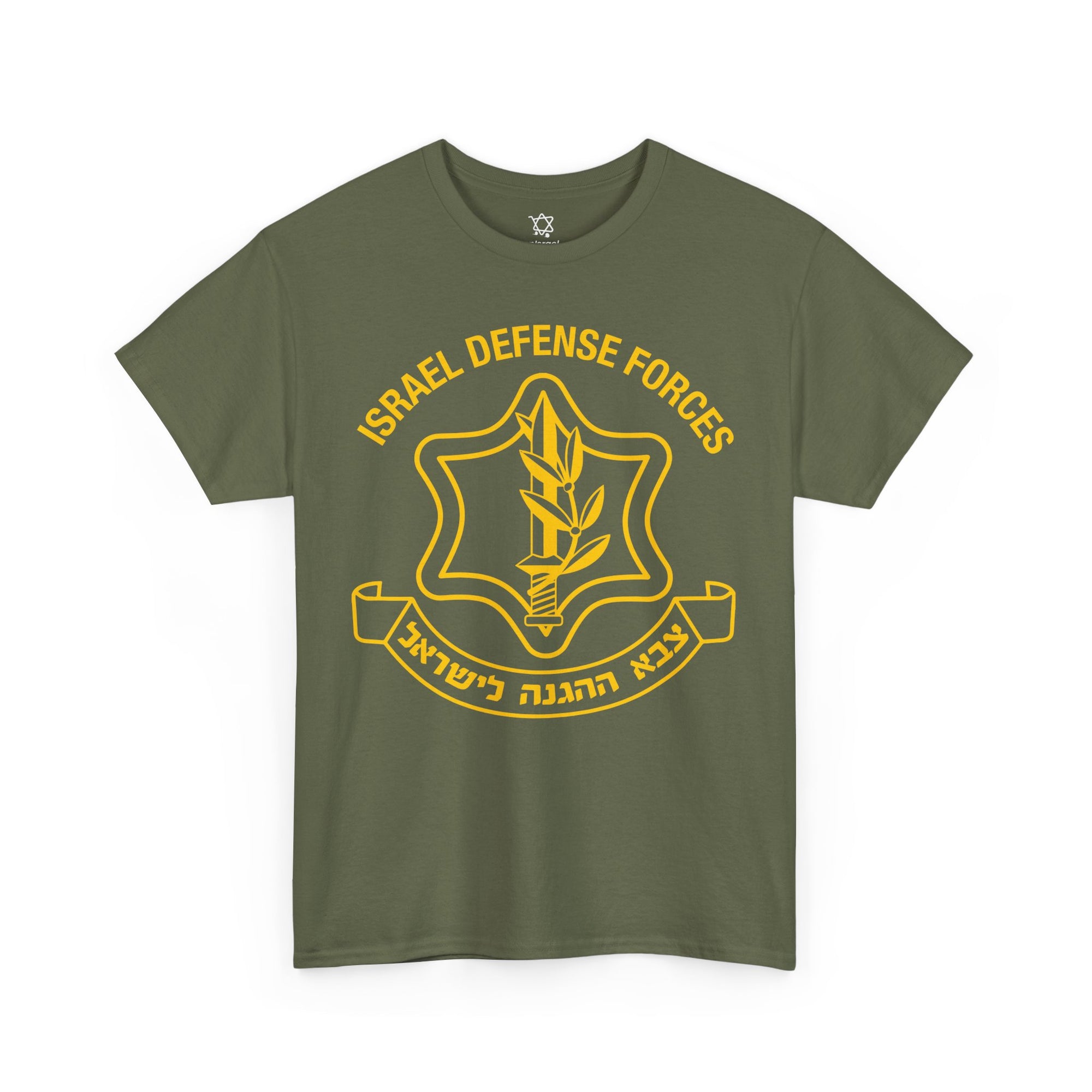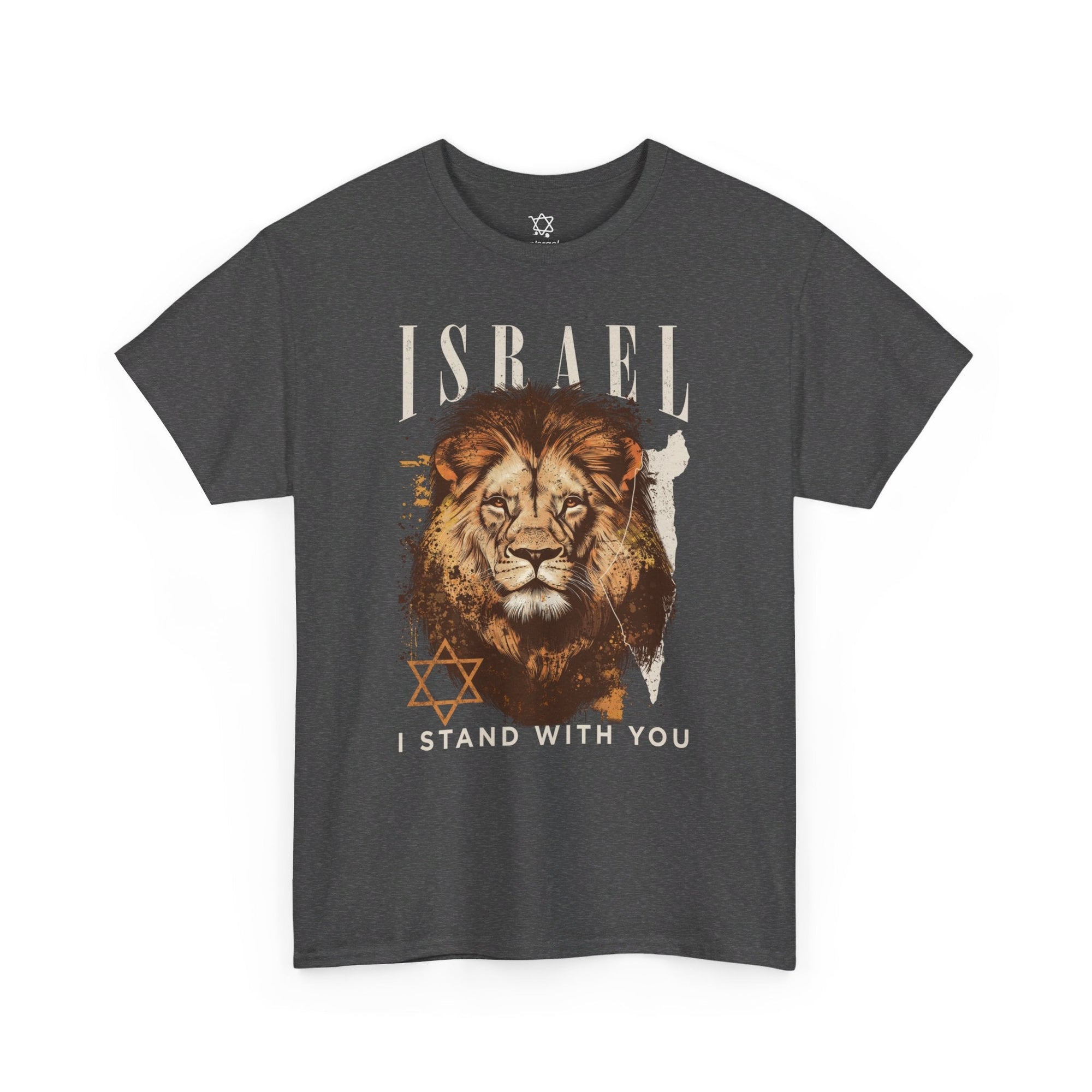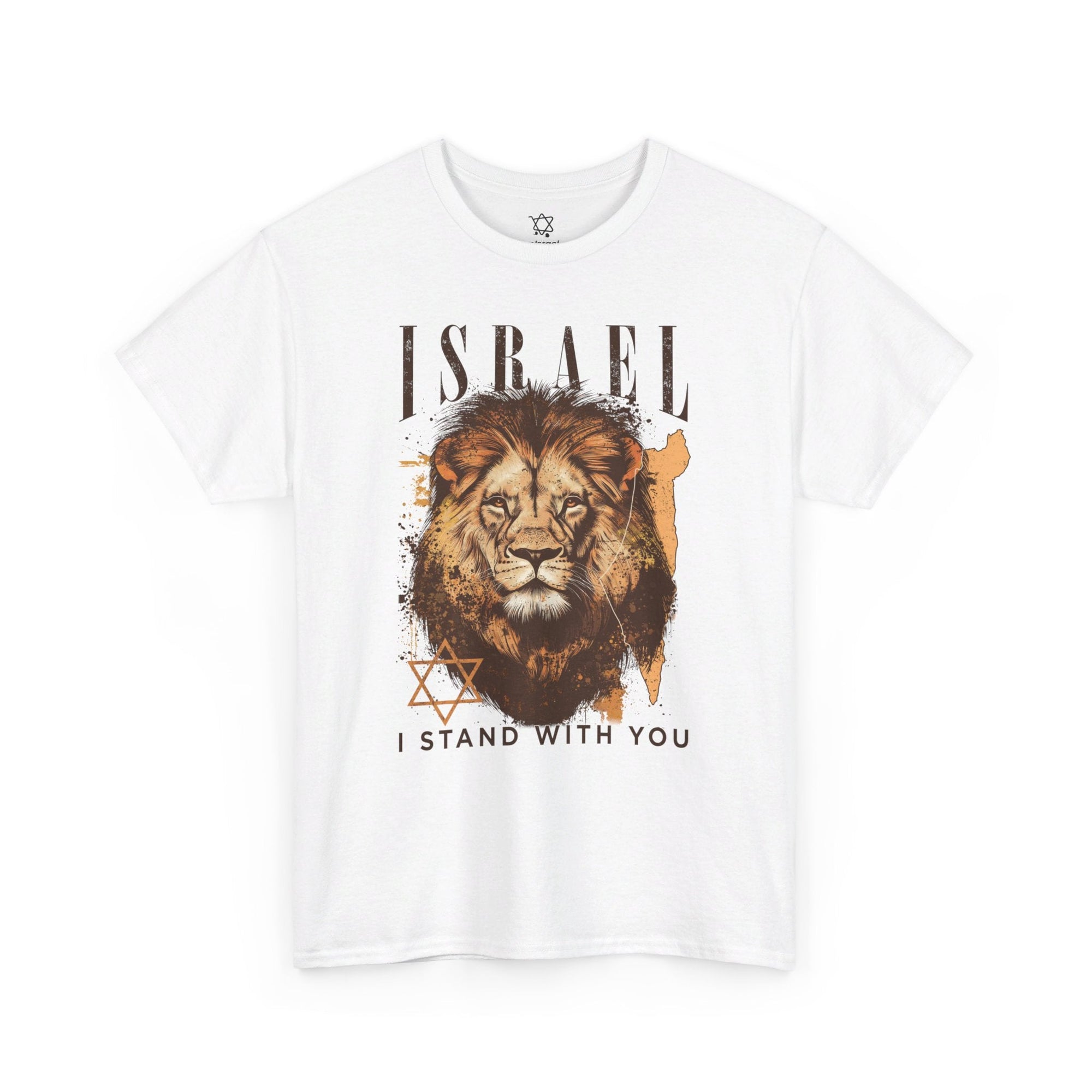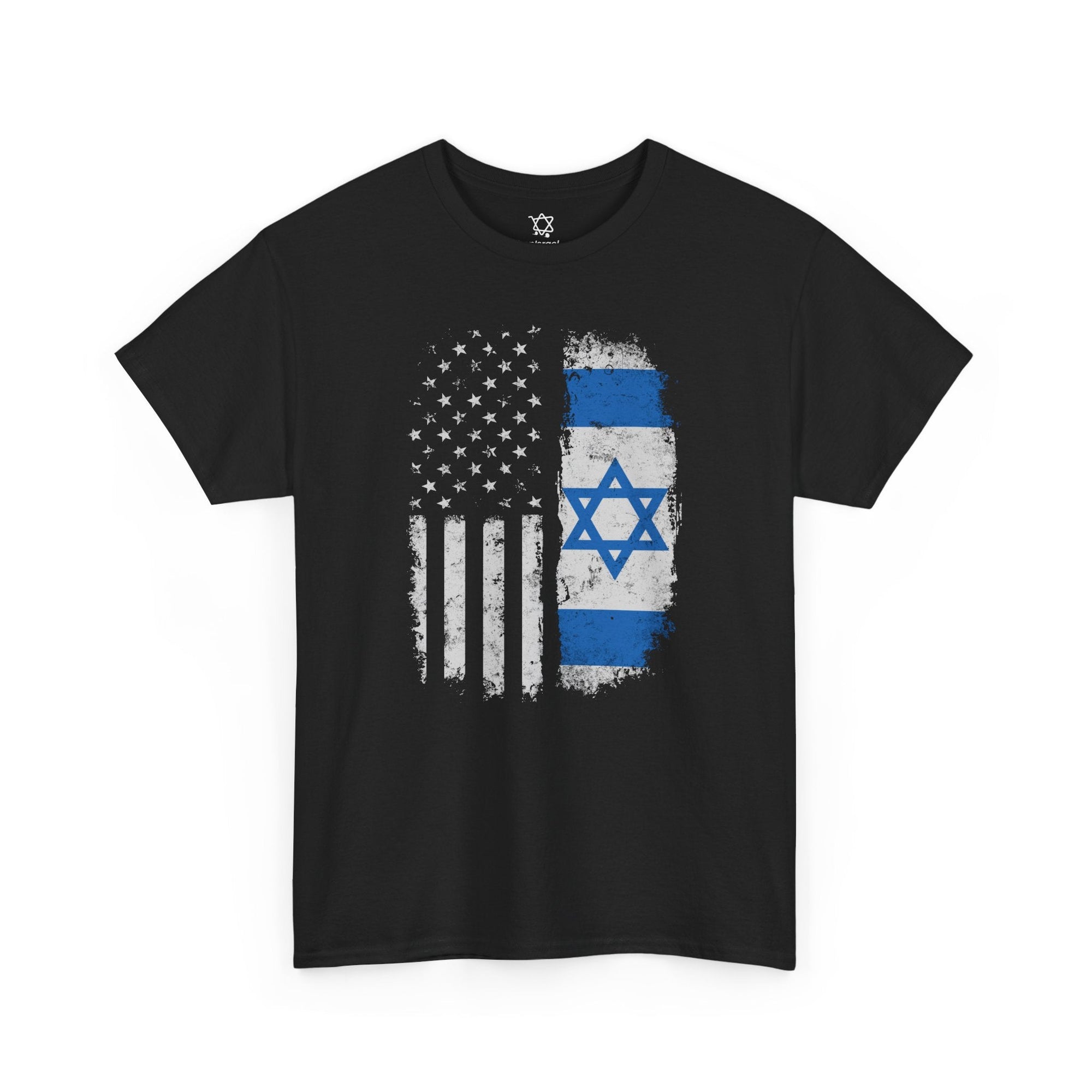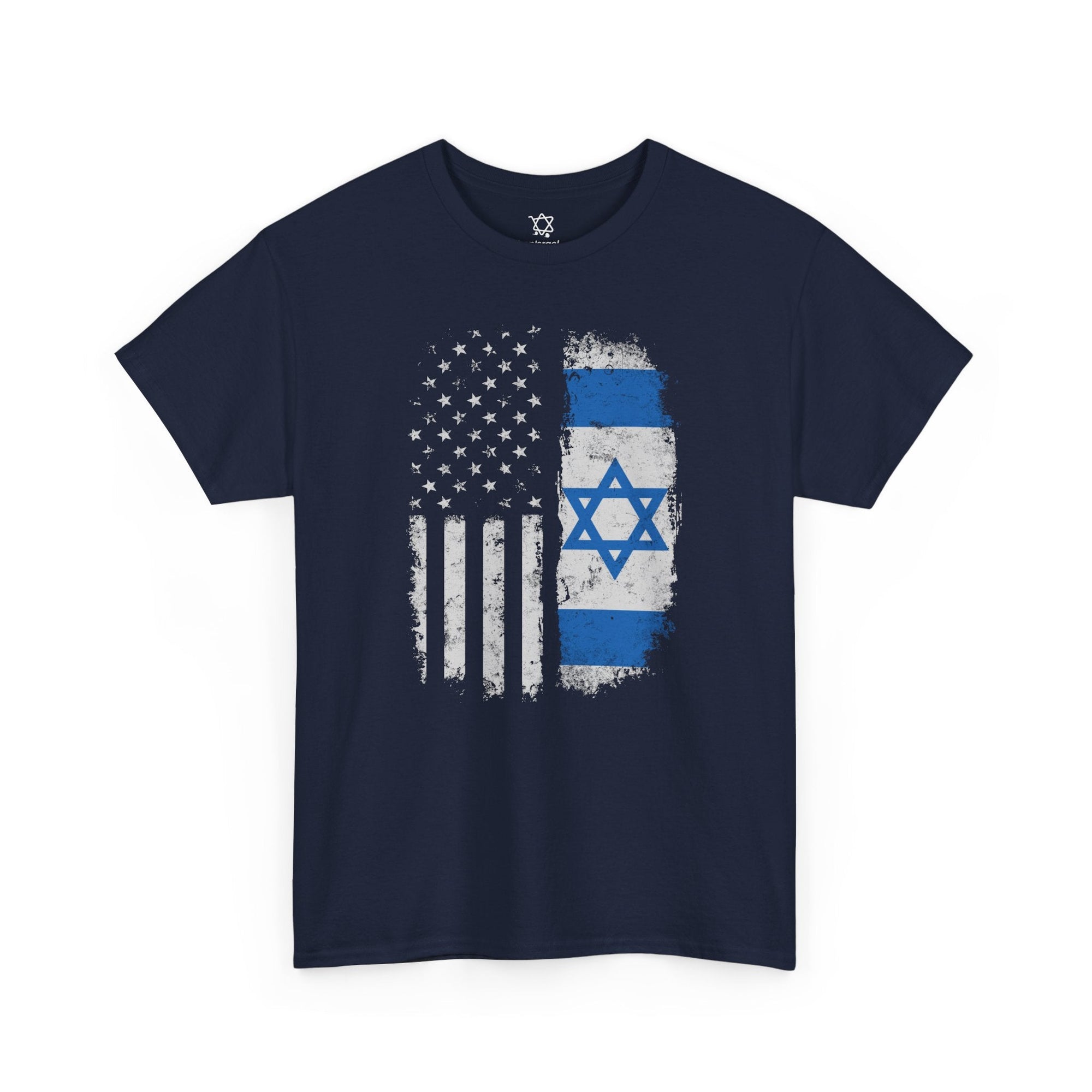


Short answer: The pull people feel toward Israel merchandise, the Star of David, the blue-and-white flag, Jerusalem imagery, isn't marketing invention. Each symbol carries centuries of documented history, and real cases of customers forming genuine emotional attachment to Israel-branded gear exist on the record, most visibly when American Jewish fans rushed to buy Team Israel merchandise during the 2017 World Baseball Classic.
Why these symbols carry real weight
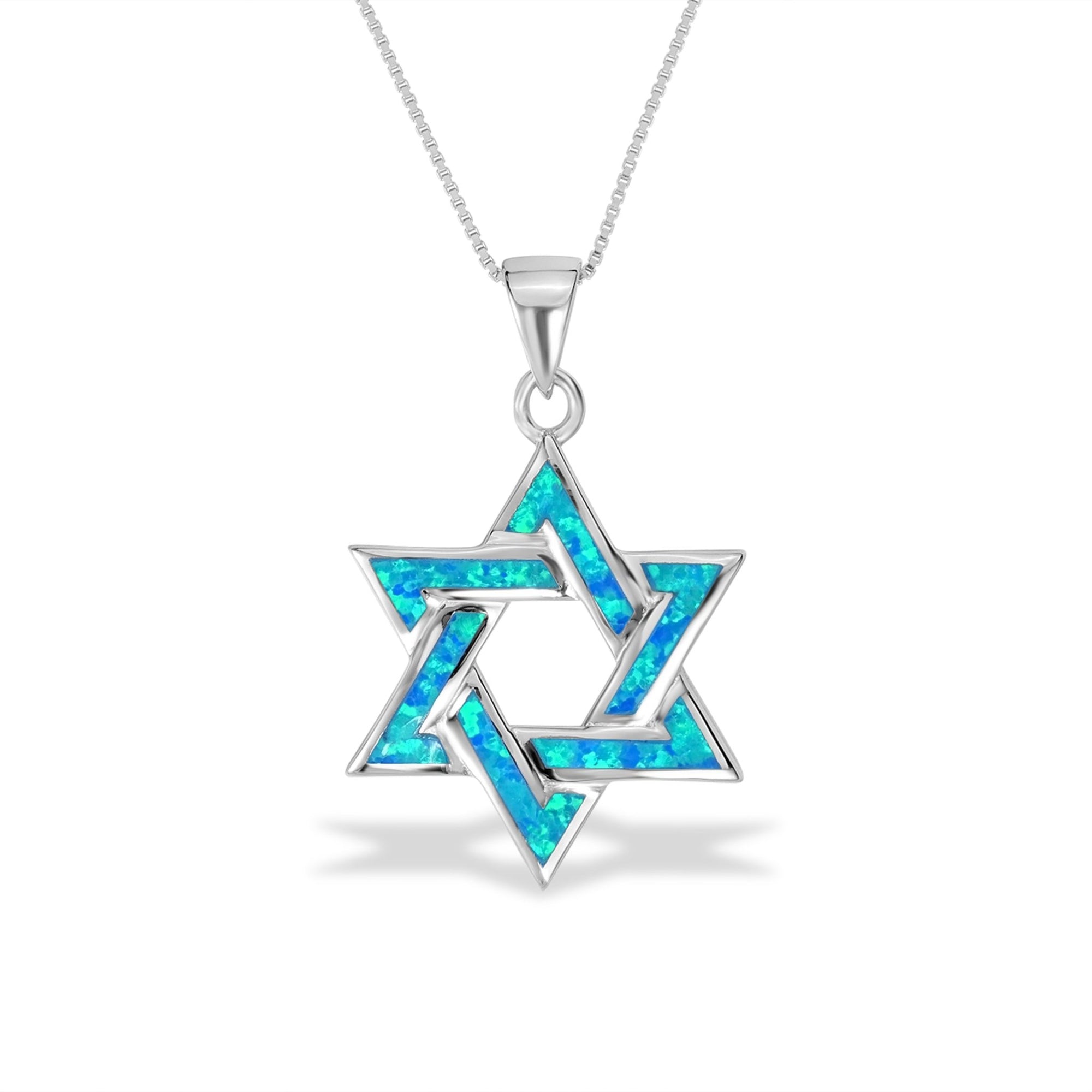
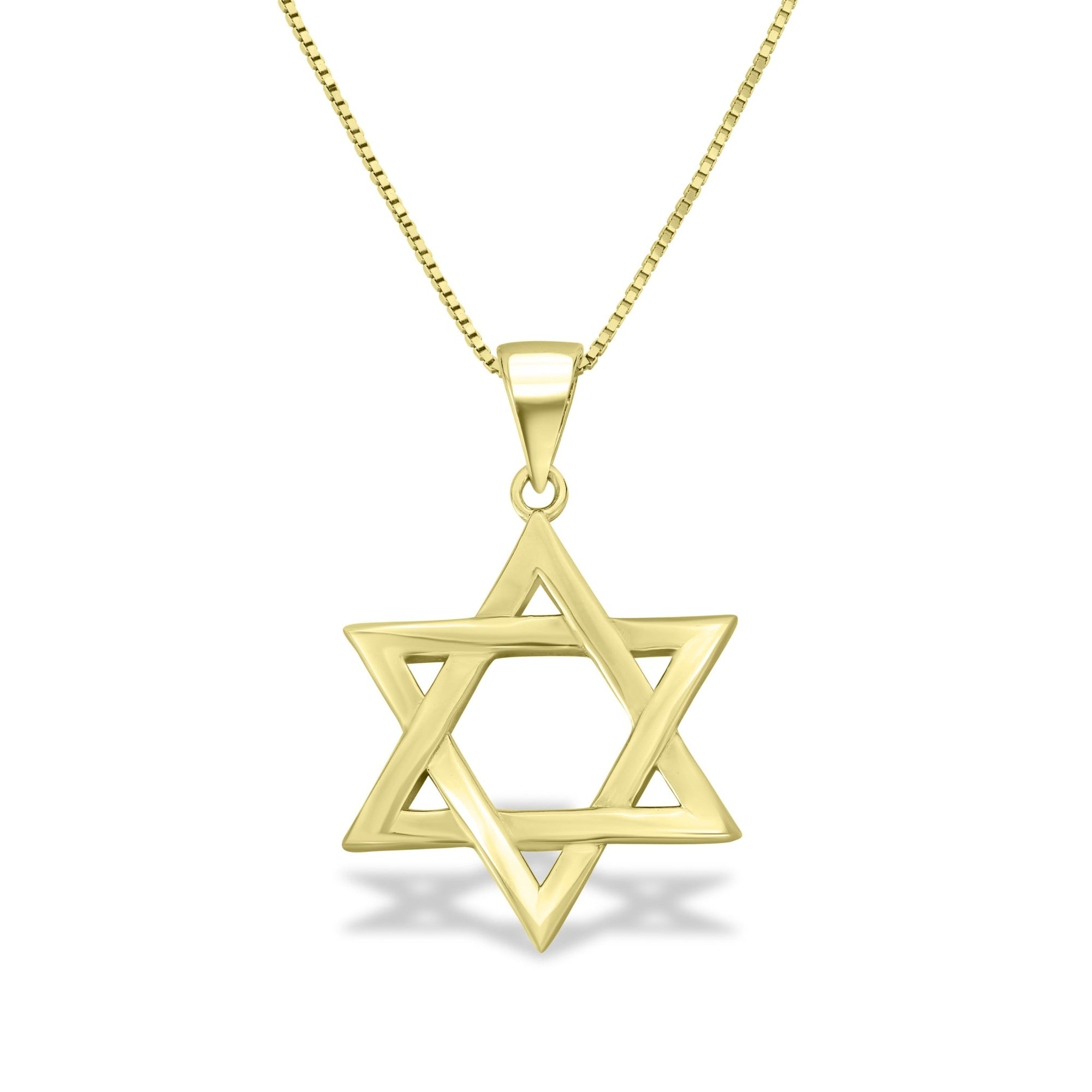
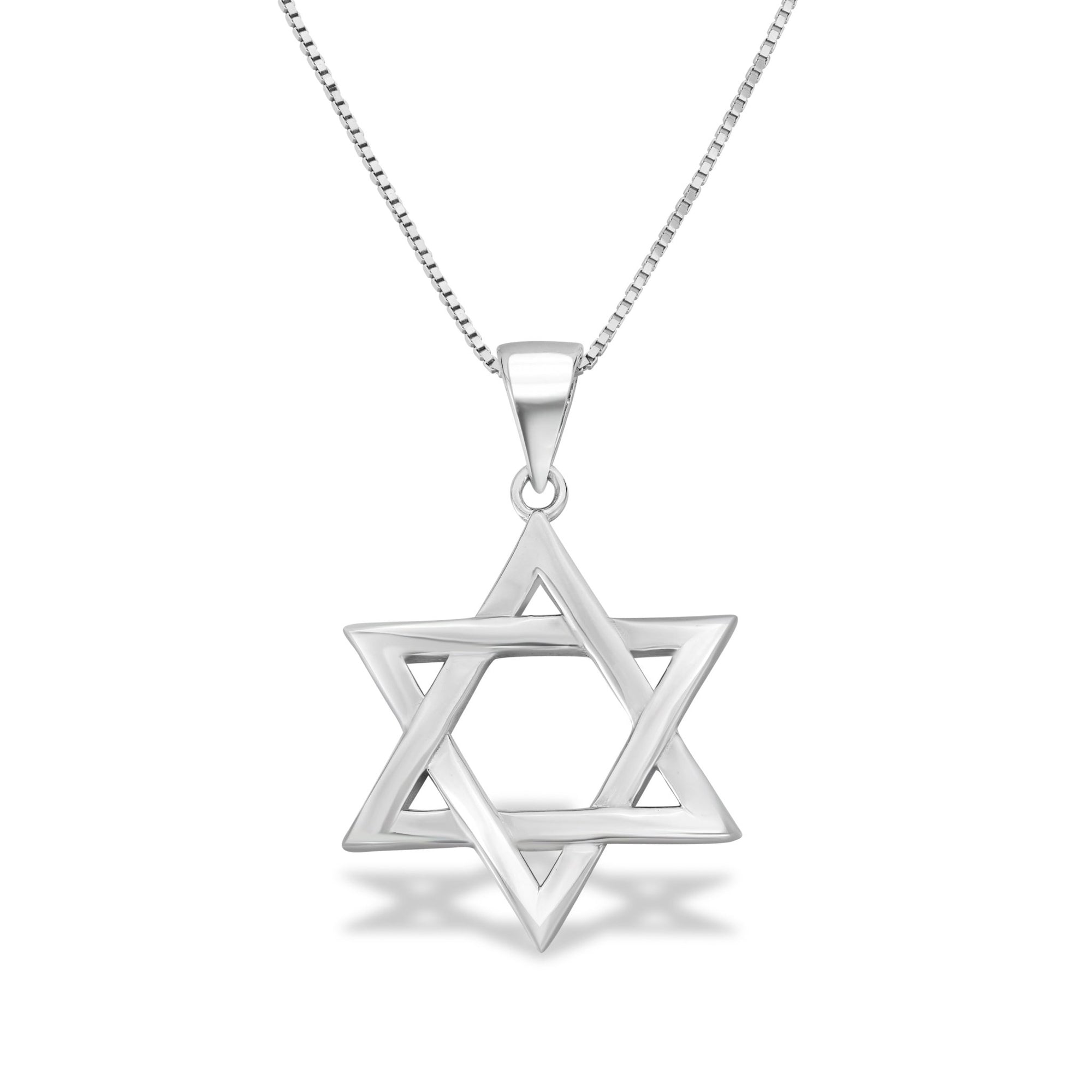
The hexagram now known as the Star of David shows up in a Jewish context as early as 135 CE, appearing on coinage from the Bar Kokhba Revolt, though it wasn't yet an exclusively Jewish symbol at that point. Its formal adoption as a specifically Jewish emblem came centuries later: in 1354, King Charles IV approved a red flag bearing a hexagram for Prague's Jewish community, one of the earliest documented uses of the star as a communal marker. By 1897, the symbol had become the centerpiece of Zionist identity when the First Zionist Congress adopted it as its official emblem, with David Wolffsohn proposing the now-familiar blue-and-white color scheme based on the tallit, the Jewish prayer shawl (Wikipedia, Wikipedia).
That design became Israel's official flag on October 28, 1948: a blue Star of David centered between two horizontal stripes, a direct visual echo of the tallit that observant Jews wear at prayer. Jerusalem imagery draws on an even older well of meaning. According to the Hebrew Bible, King David established the city as his capital around 1000 BCE, and his son Solomon later built the First Temple there, laying the historical and religious foundation that makes Jerusalem Judaism's enduring spiritual center to this day (Wikipedia). When a mug, necklace, or T-shirt uses these images, it's referencing a continuous thread of Jewish and Israeli history, not a design trend invented for retail.
What "real stories" actually looks like
It's fair to ask whether people genuinely bond with this kind of merchandise, or whether "customer love" is just a marketing phrase. There is at least one well-documented, real example. In March 2017, the Jewish Telegraphic Agency reported that American Jewish fans were snapping up official Team Israel gear during the World Baseball Classic. Caps sold out and had to be restocked, and a grassroots "Jew Crew" T-shirt went from selling one or two a day to being back-ordered after a tweet about it went viral. A company owner involved in the gear told JTA that fans were "playing for a culture, not just a country" (JTA). That episode is single-sourced and specific to sports merchandise rather than everyday Judaica, but it's a real, verifiable instance of exactly the phenomenon Israel-themed retailers describe: people wearing these symbols because they say something true about who they are.
Worth being straightforward about: broad claims of "authentic customer accounts" only mean something when there are actual names and quotes behind them. Generic descriptions of symbolism dressed up as testimonials aren't the same thing as real stories, and any retailer making that promise should be able to back it up. The honest version of this article is simpler and just as compelling: the meaning behind these symbols is real and well documented, and the emotional response people have to them, pride, memory, solidarity, is consistent with cases like the 2017 Team Israel rush, even where a long list of individually named customer testimonials isn't available.
Choosing a piece that means something
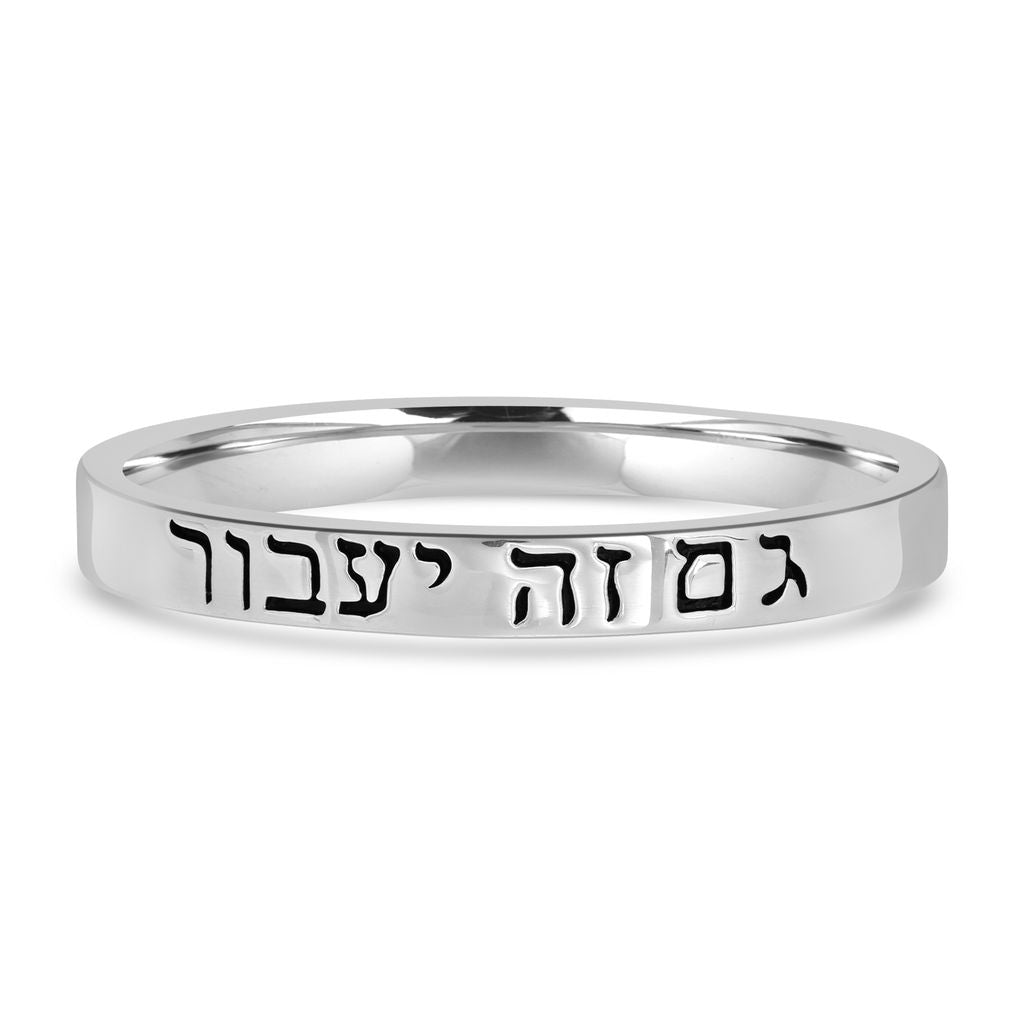
For most people, the decision isn't really about "IDF gear versus flag gear" as categories; it's about which specific symbol matches what they want to say. Someone marking a bar or bat mitzvah, a trip to Israel, or a personal milestone often gravitates toward the Star of David specifically, since it carries that direct line back to 1897 and the tallit-inspired flag of 1948. Shop Israel's Star of David jewelry collection is built around exactly that resonance: necklaces, rings, and earrings that let someone wear a symbol with nearly two thousand years of documented history rather than a generic charm. Whether it's a gift for a milestone or something worn every day as a quiet marker of identity, the meaning travels with the object because the symbol itself has always carried it.
Related
- Real-life testimonials about Israel merchandise
- Customer stories connecting through Israel-themed goods
- Symbolism behind Israeli jewelry designs you should know
Last updated July 2026.