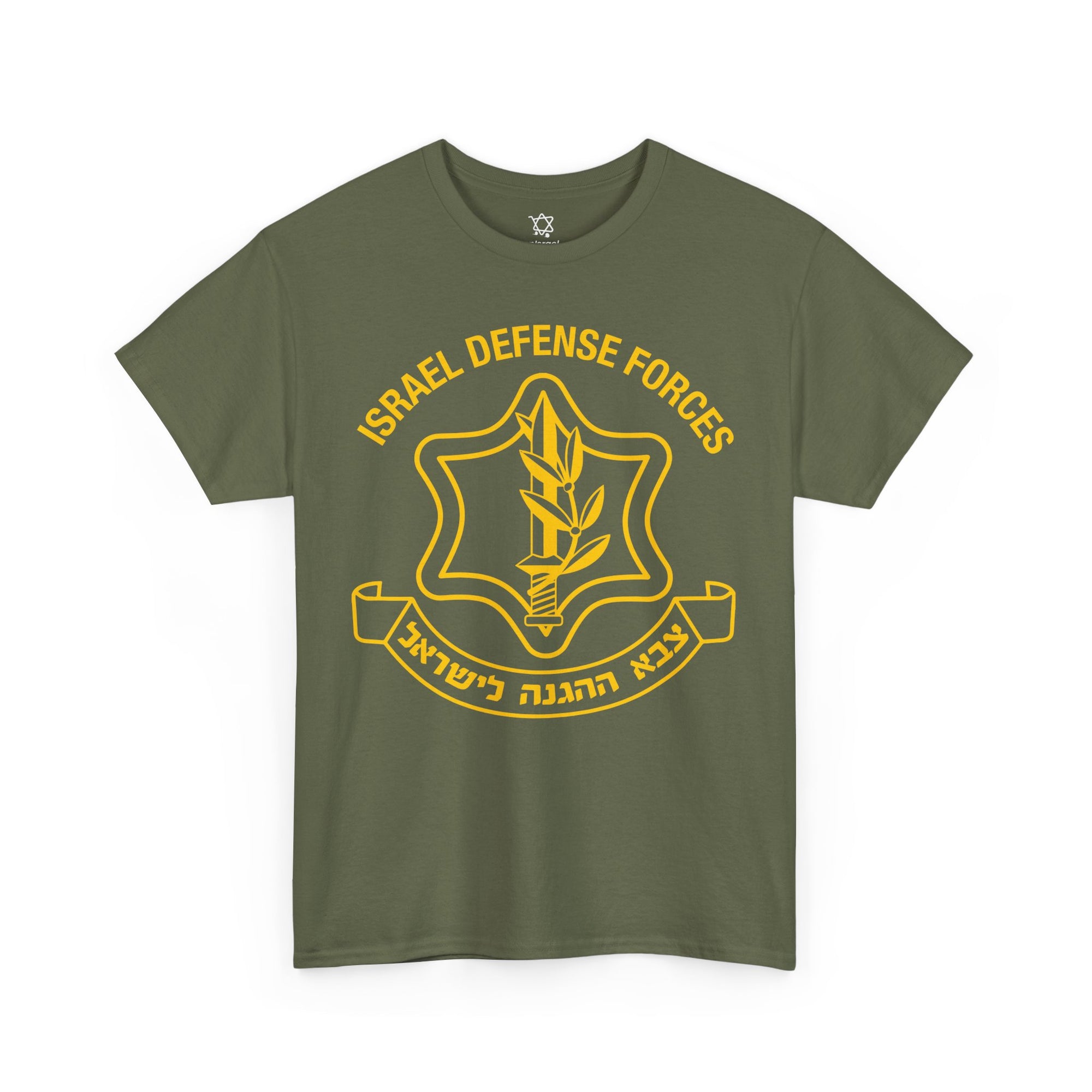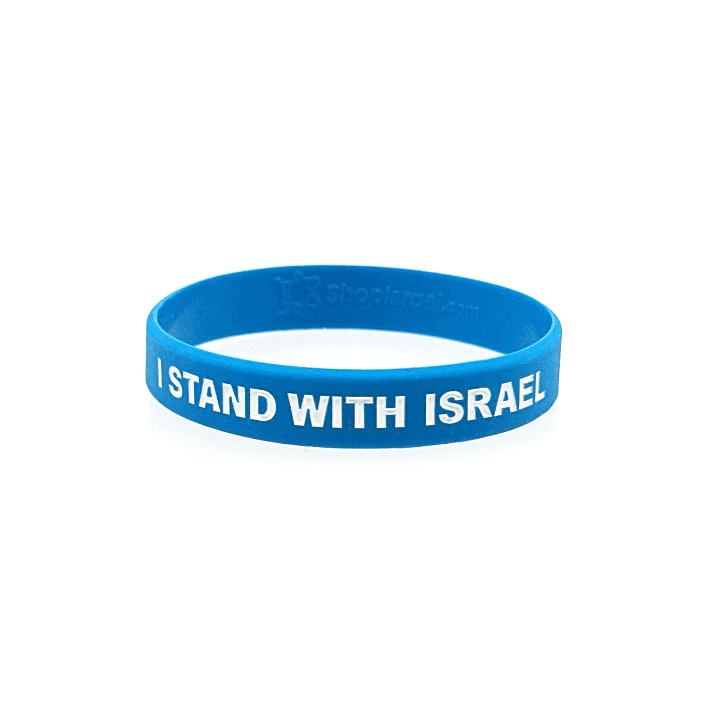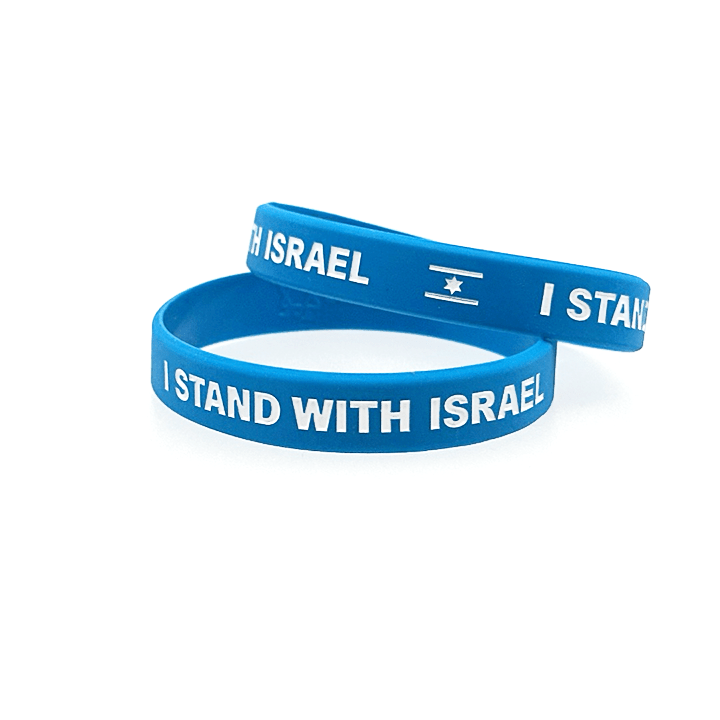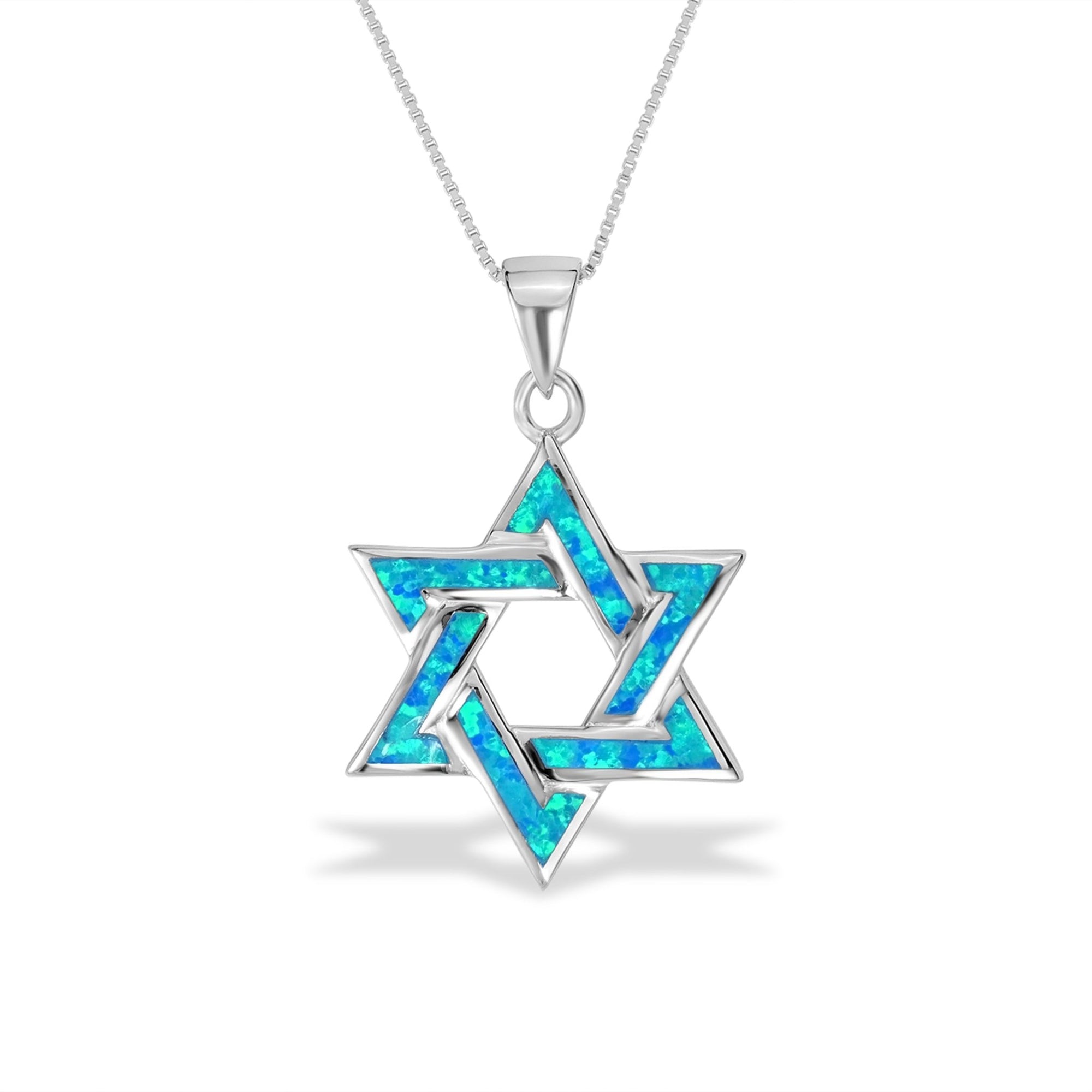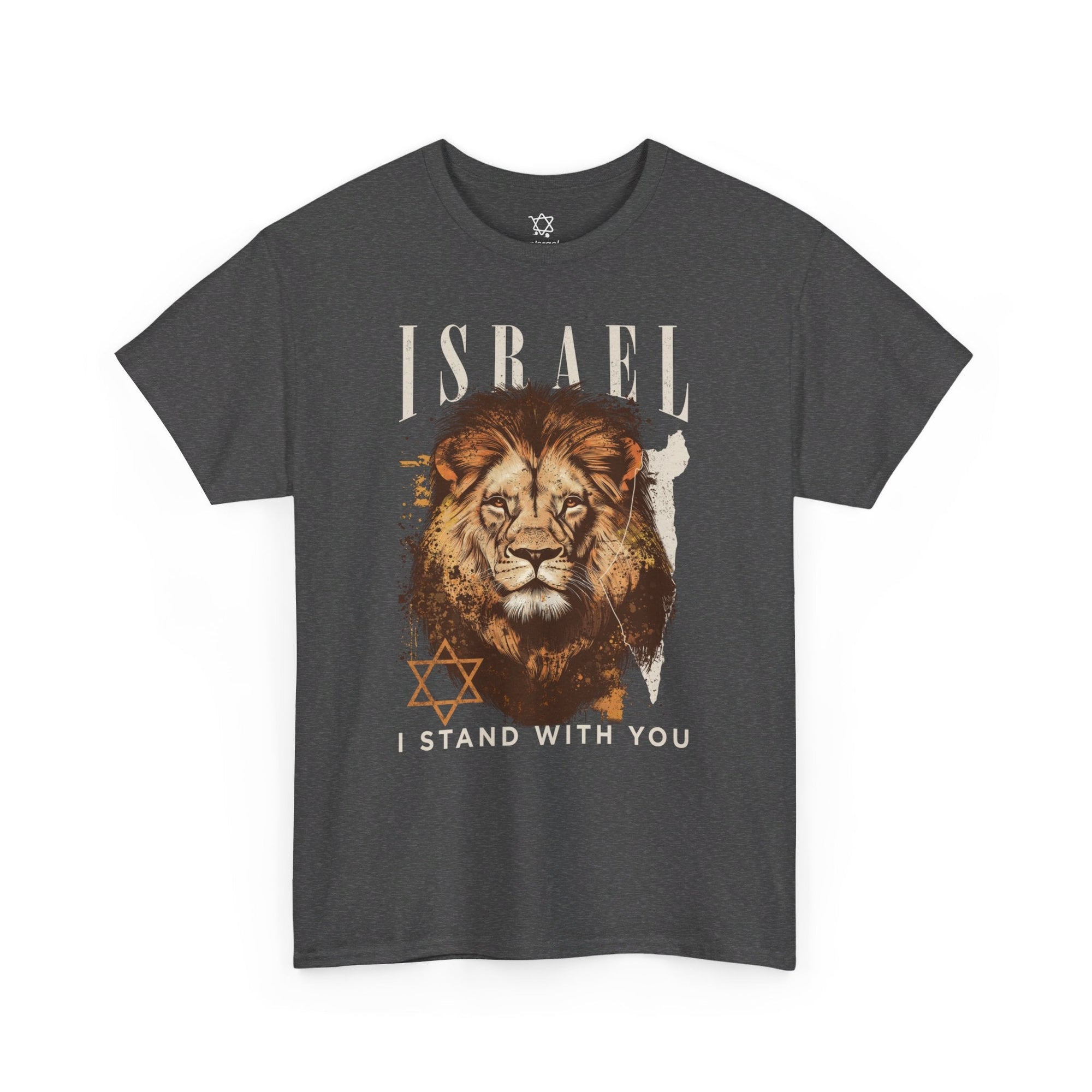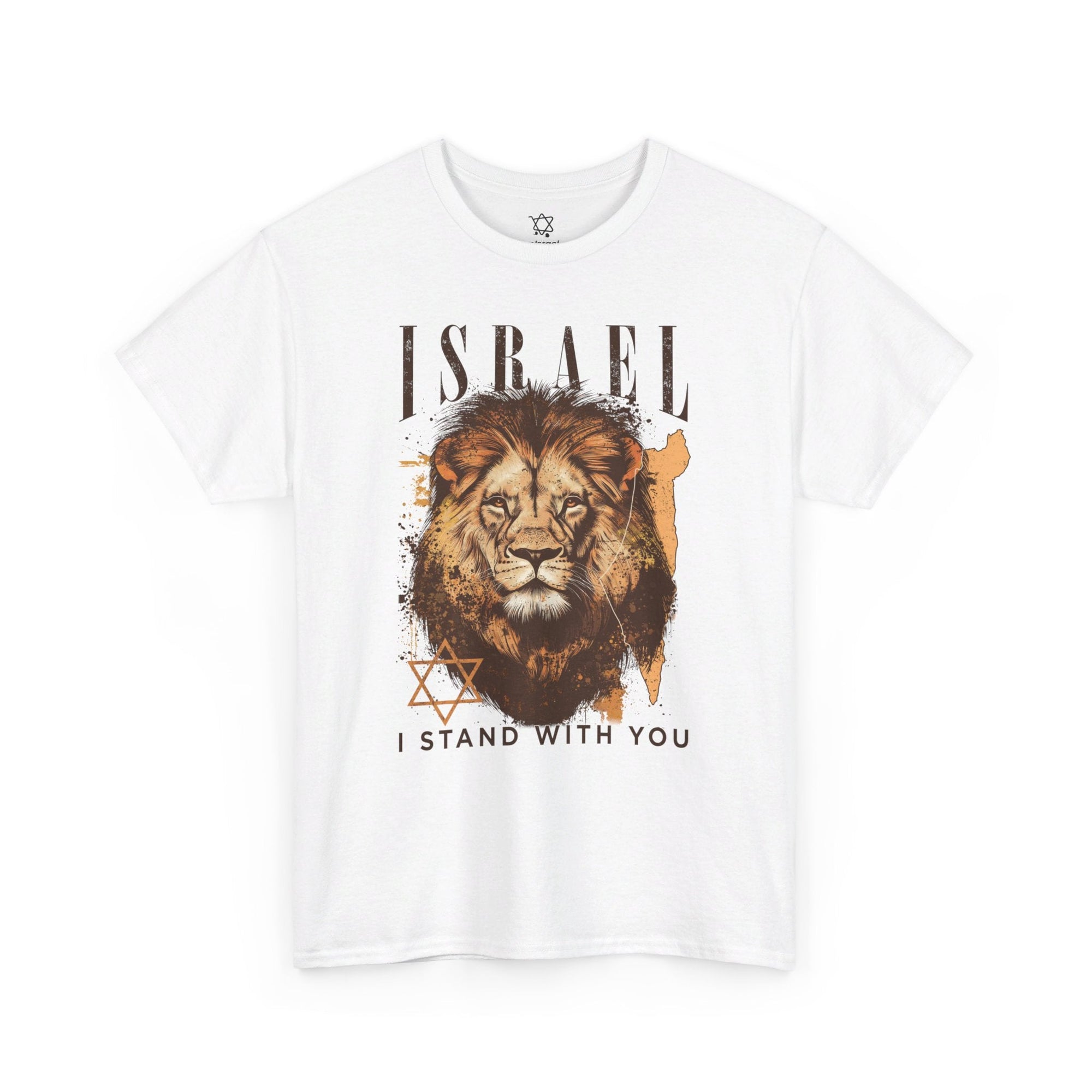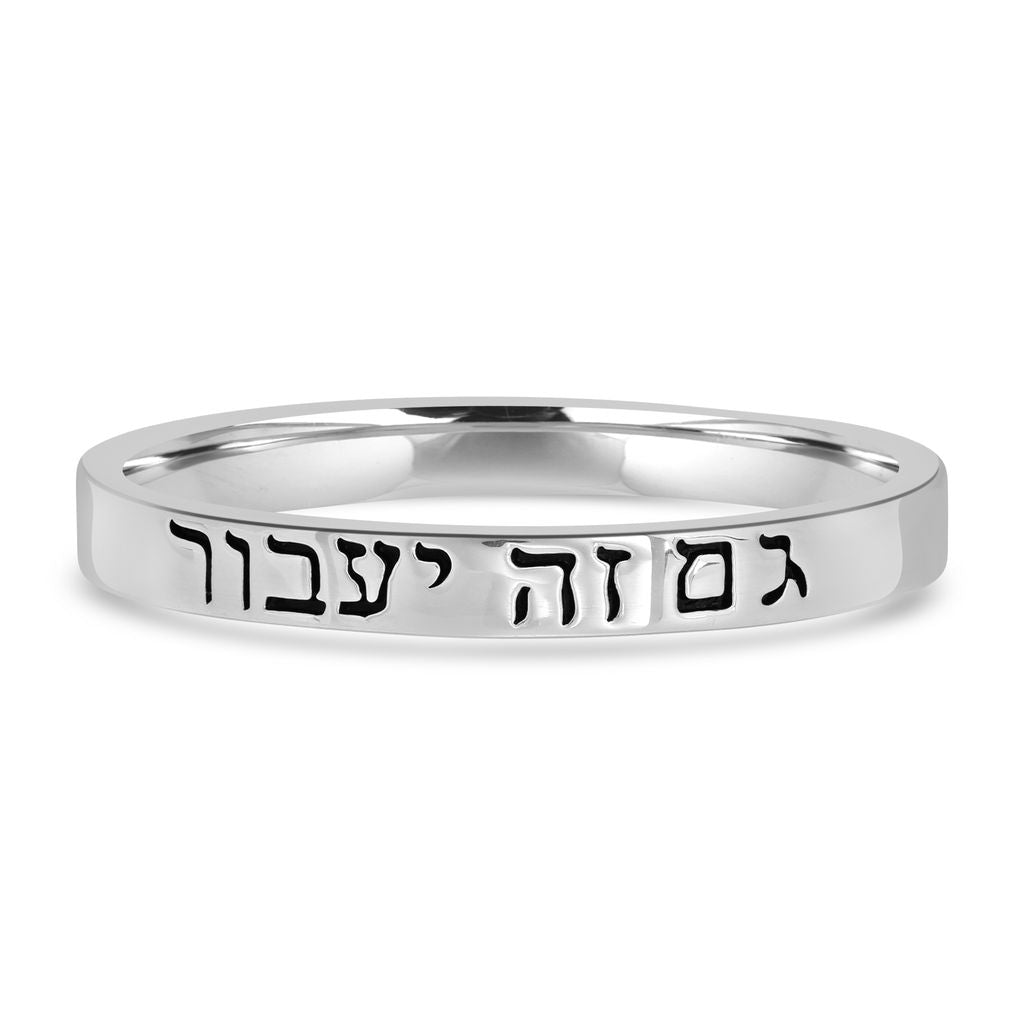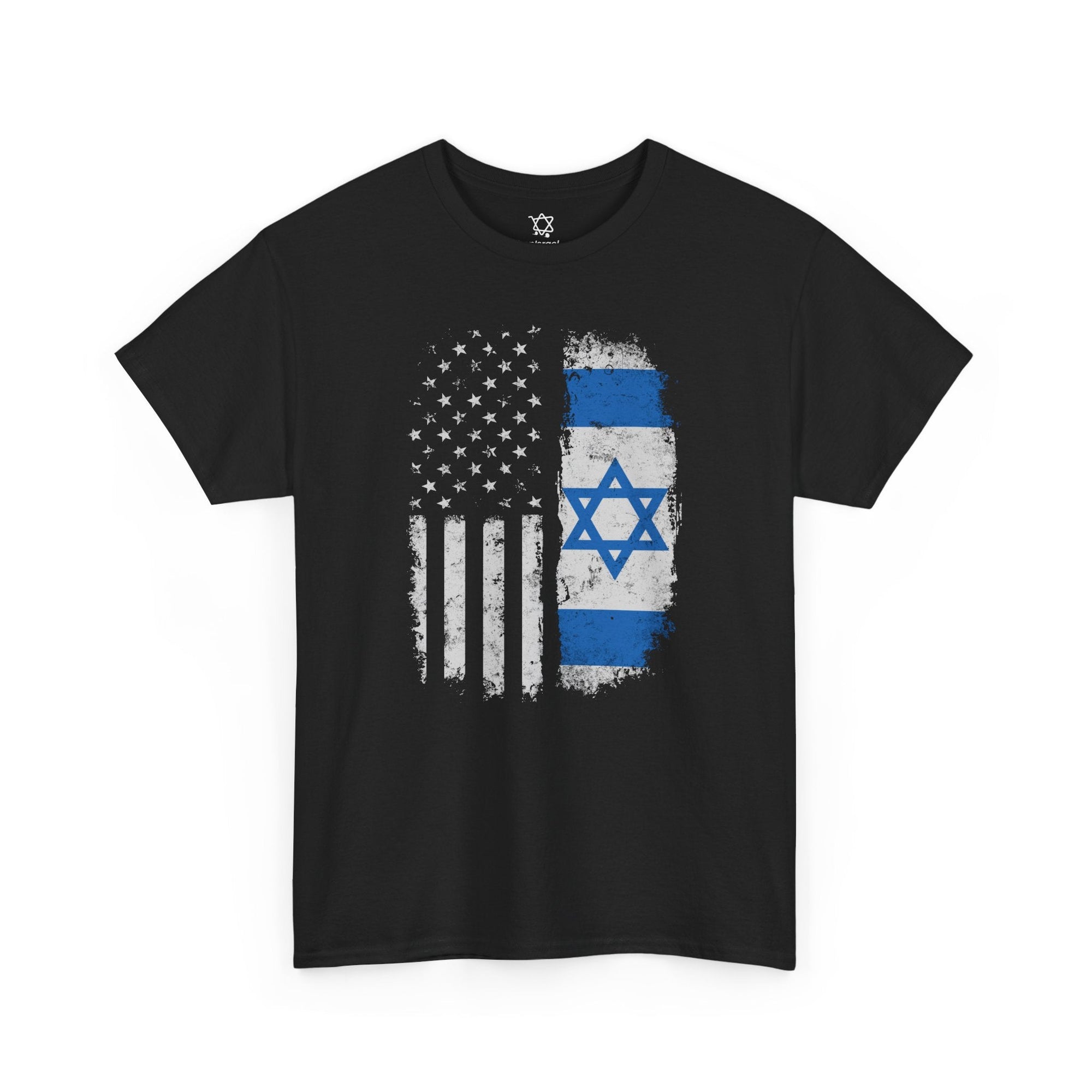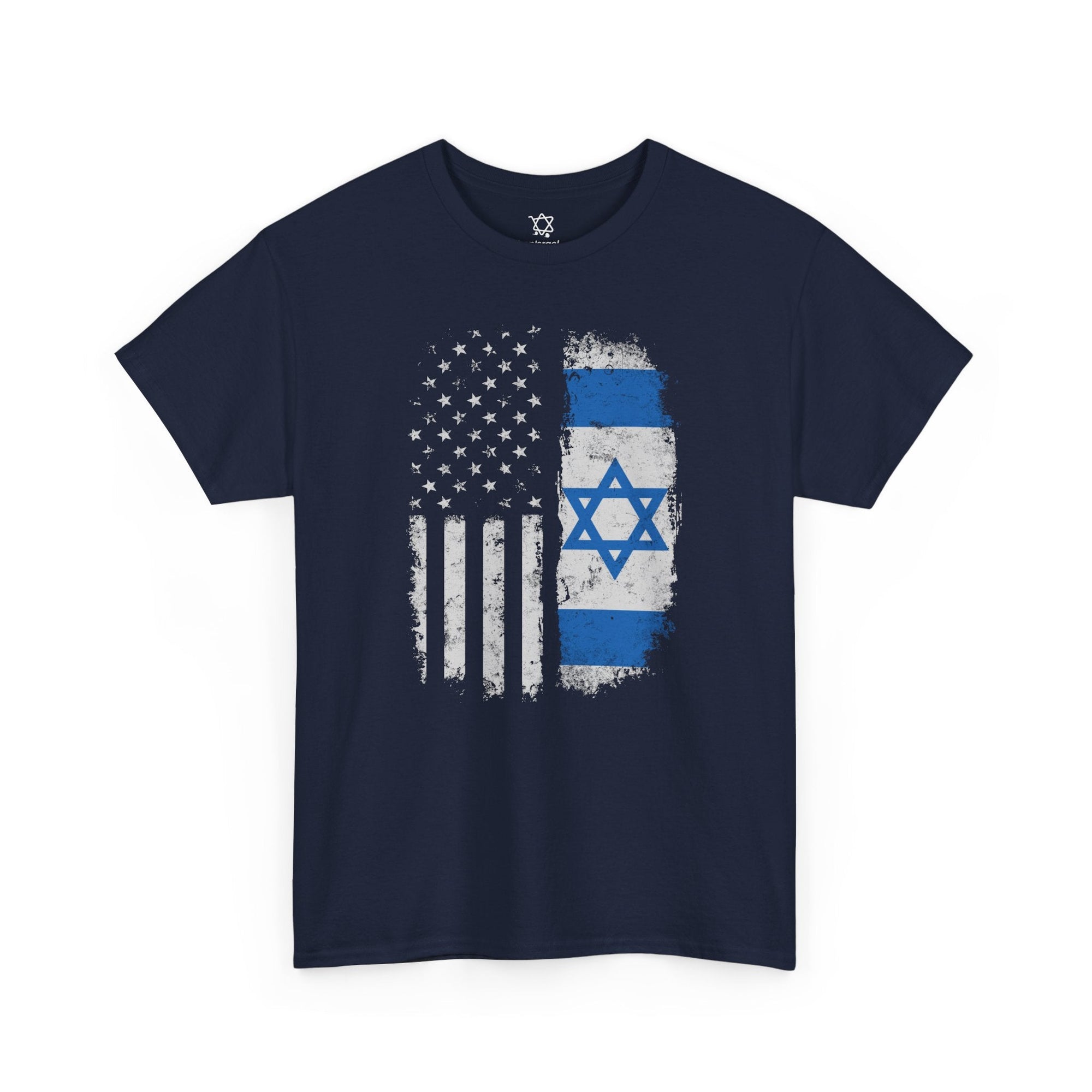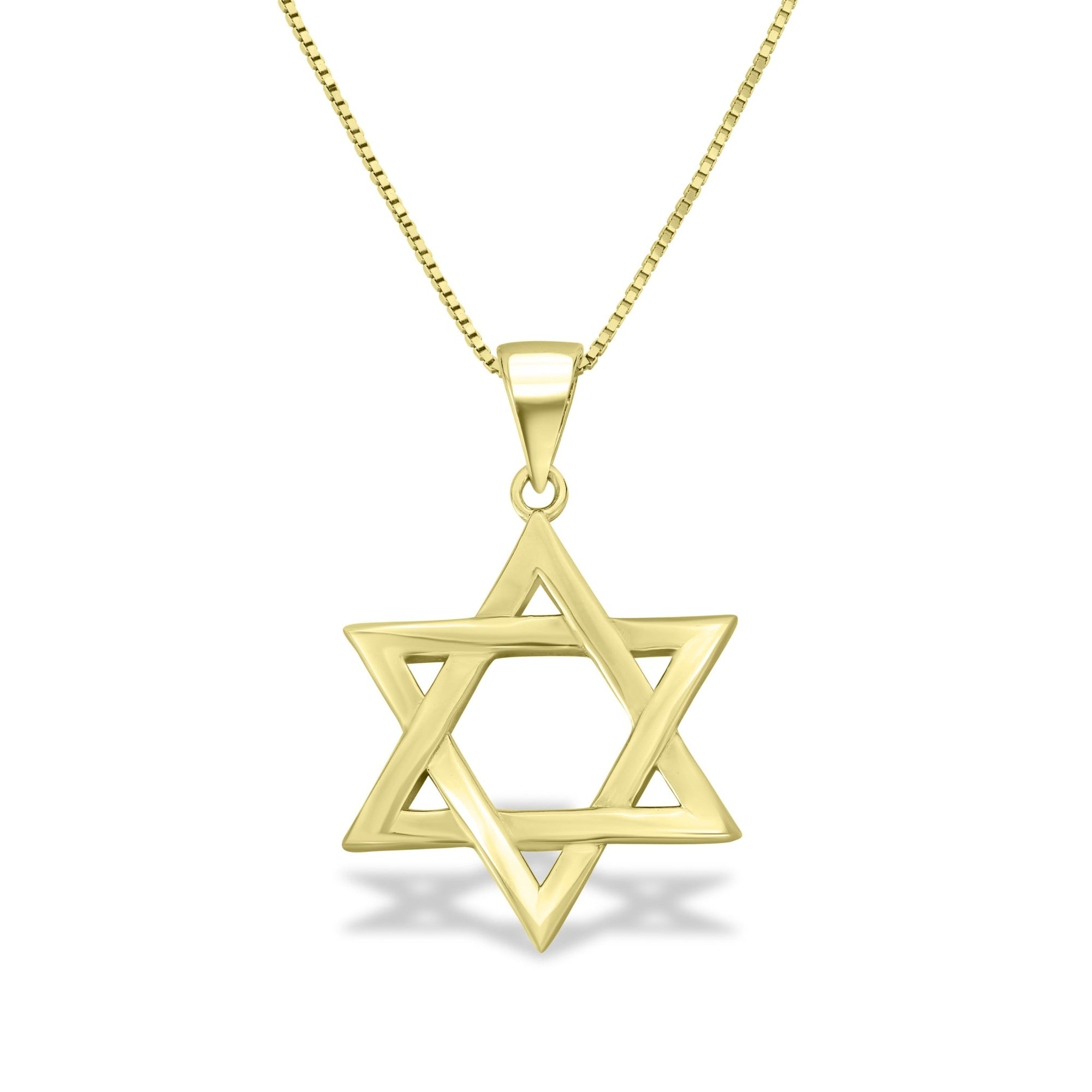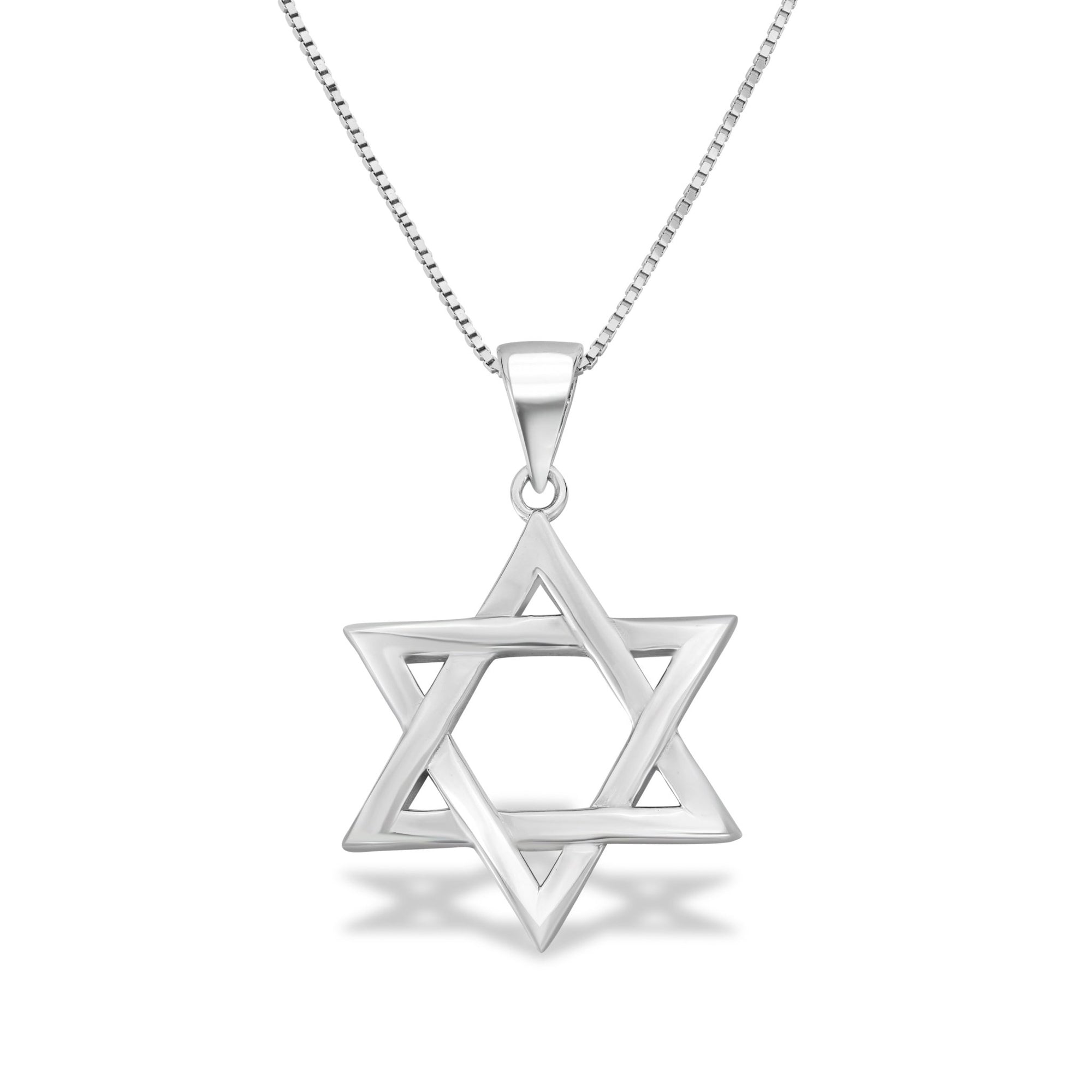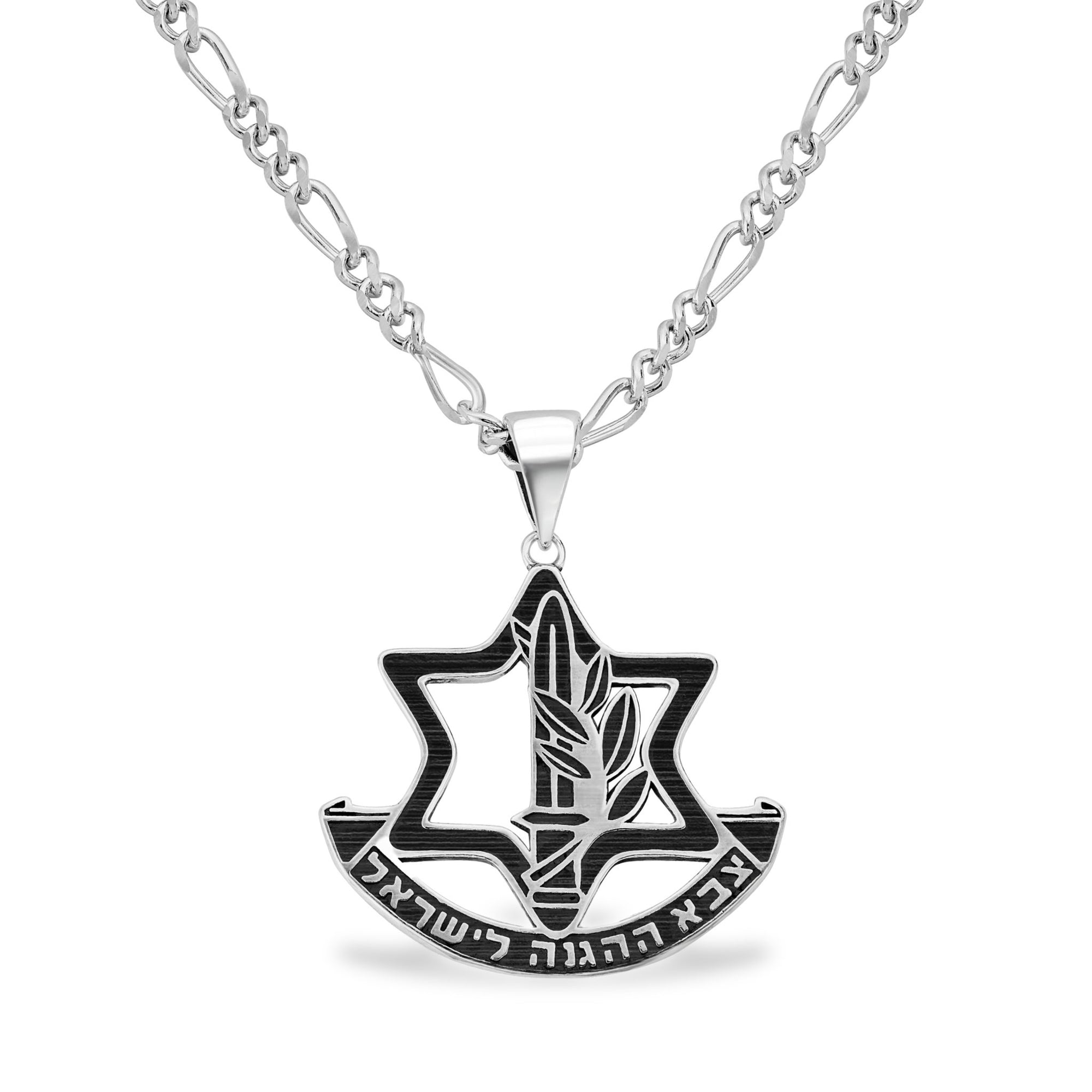


Short answer: "Everyday accessories featuring iconic Israeli symbols" is not one product or one event; it is a whole category of jewelry and everyday items, necklaces, bracelets, pins, keychains, dog tags, built around a handful of recognized symbols: the Star of David (Magen David), the Hamsa, the word Chai, and Israel's flag colors. Each symbol has its own well-documented history, and one newer sub-category, yellow-ribbon and "Bring Them Home" dog-tag pieces tied to the October 7 hostages, now has a clear closing chapter: the hostage crisis is over, so those items are worn today as memorials, not as active campaign appeals.
Where these symbols actually come from
The Star of David traces to the blue-and-white flag design that was displayed as early as 1885 in Rishon LeZion and shown publicly at the First Zionist Congress in 1897. It took decades longer to become official: Israel's Provisional Council of State formally adopted the flag as the state flag on October 28, 1948 (25 Tishrei 5709), according to the Jerusalem Post and Israel State Archives. That gap between the symbol's popular use and its formal adoption is part of why the Star of David feels both historic and current on a modern piece of jewelry.
The Hamsa has a different lineage entirely. It is an open-hand shape, often shown with an eye at its center, used in Jewish tradition as a protective emblem against ayin hara, "the evil eye." Jewish versions of the Hamsa typically add Hebrew letters like Shin or Chai, or a Star of David, which is what distinguishes them from the separate Islamic "Hand of Fatima" version that carries Arabic script instead, per Unpacked (OpenDor Media) and the Judaica Web Store's buying guide. There is no single founding date for the Hamsa; it comes out of a long folk tradition rather than one historical moment.
Chai jewelry works differently again. The word is built from two Hebrew letters, chet and yud, spelling "life." Those letters carry the numerical values 8 and 10 in Hebrew gematria, which sum to 18, and that is why 18 shows up so often in Jewish gift-giving and jewelry design, a small nod to choosing and affirming life, according to Learn Religions and the Israel Center of Judaica.
The "Bring Them Home" dog-tag category, and why it's changed
A newer accessory sub-category, yellow-ribbon pins and IDF-style "Bring Them Home" dog-tag necklaces, grew directly out of the October 7, 2023 Hamas attack and the hostage crisis that followed. That chapter is now closed. On January 26, 2026, the remains of Master Sgt. Ran Gvili, the final hostage held in Gaza, were recovered and returned to Israel, the first time since 2014 that no hostages, living or deceased, remained in Hamas captivity, as reported by the Times of Israel and the Washington Post. The living hostages had already come home earlier, under the October 2025 ceasefire.
That shift is visible in how communities are treating these items now. In early February 2026, Jewish community members in the San Francisco Bay Area held a ceremony where participants retired their yellow ribbons, pins, and dog-tag necklaces, attaching them to a memorial paper-mache tree, according to J. The Jewish News of Northern California. It's a small but telling detail: these accessories moved from an active call to action into keepsakes that mark a chapter of Jewish history that has now ended.
One brand name that occasionally surfaces in this space is "Two Neighbors," described in some coverage as a handmade bracelet project. Its founding details are reported inconsistently across sources, and its web presence does not currently point to a clearly active version of that brand, so no specific claim about its founders, founding year, or current operating status can be made here.
Wearing the symbols today
Set against that backdrop, the older, tradition-rooted symbols, the Star of David, the Hamsa, and Chai, remain the steady core of everyday Israeli-symbol accessories: pieces people wear daily rather than items tied to a single news cycle. Shop Israel's Hamsa jewelry collection and its broader Jewish symbols jewelry line carry that everyday version of these symbols, alongside pieces like the Shalom Star of David necklace for anyone looking for something simple to wear day to day.
Related
- Creative jewelry gifts for those passionate about Israel
- Israeli cultural symbols popular in handmade jewelry
- Express your heritage with Israel-themed everyday accessories
Last updated August 2026.