

Short answer: The most meaningful pieces of Israeli-inspired jewelry lean on a small set of symbols and materials with real, documented history: the Star of David (Magen David), the hamsa hand, Eilat stone (Israel's official national stone), and ancient Roman glass recovered from Levantine archaeological sites. Each has a traceable past rather than a marketing story invented to sound deep, which is exactly what makes a piece feel like a genuine gift rather than a generic charm.
Where the Symbols Actually Come From
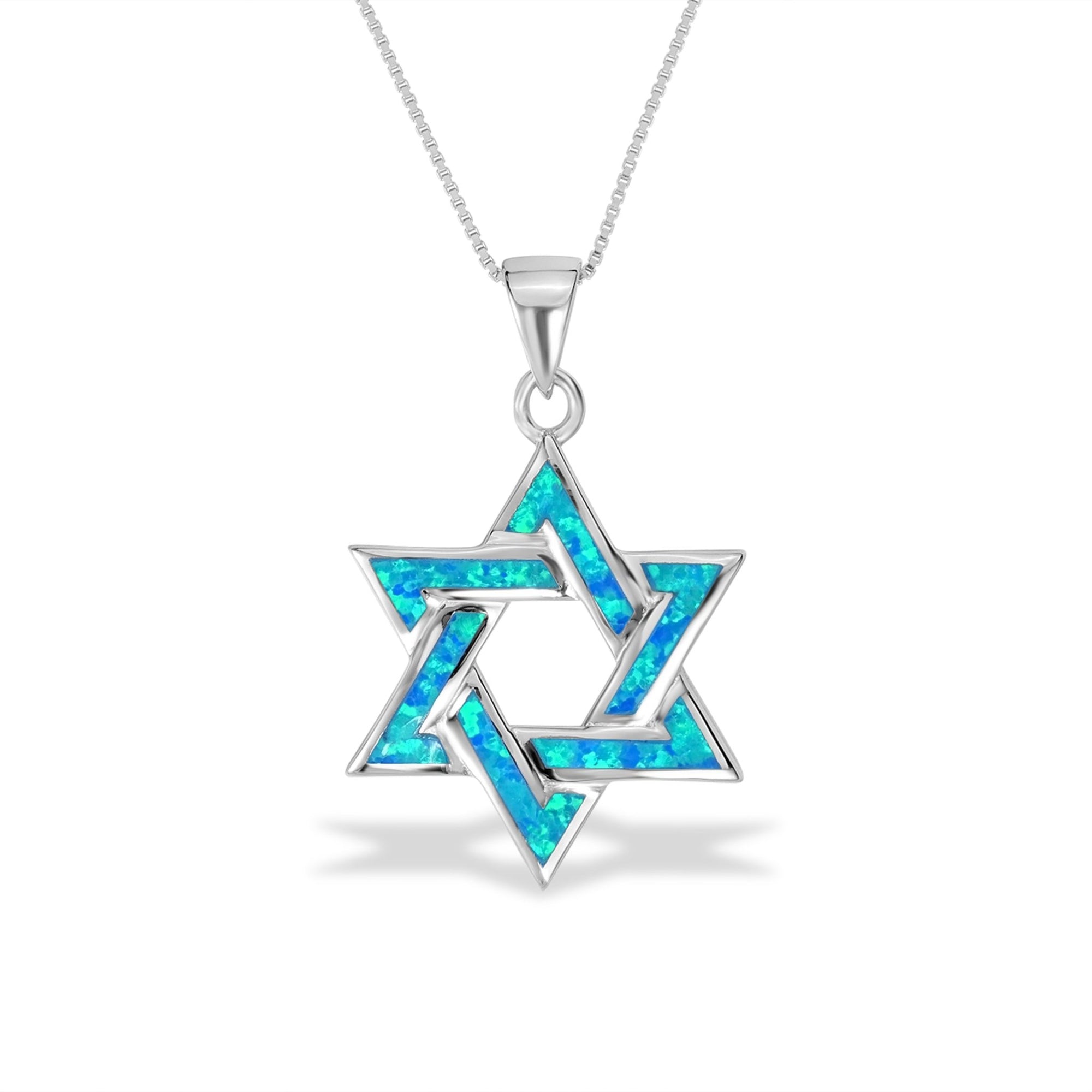
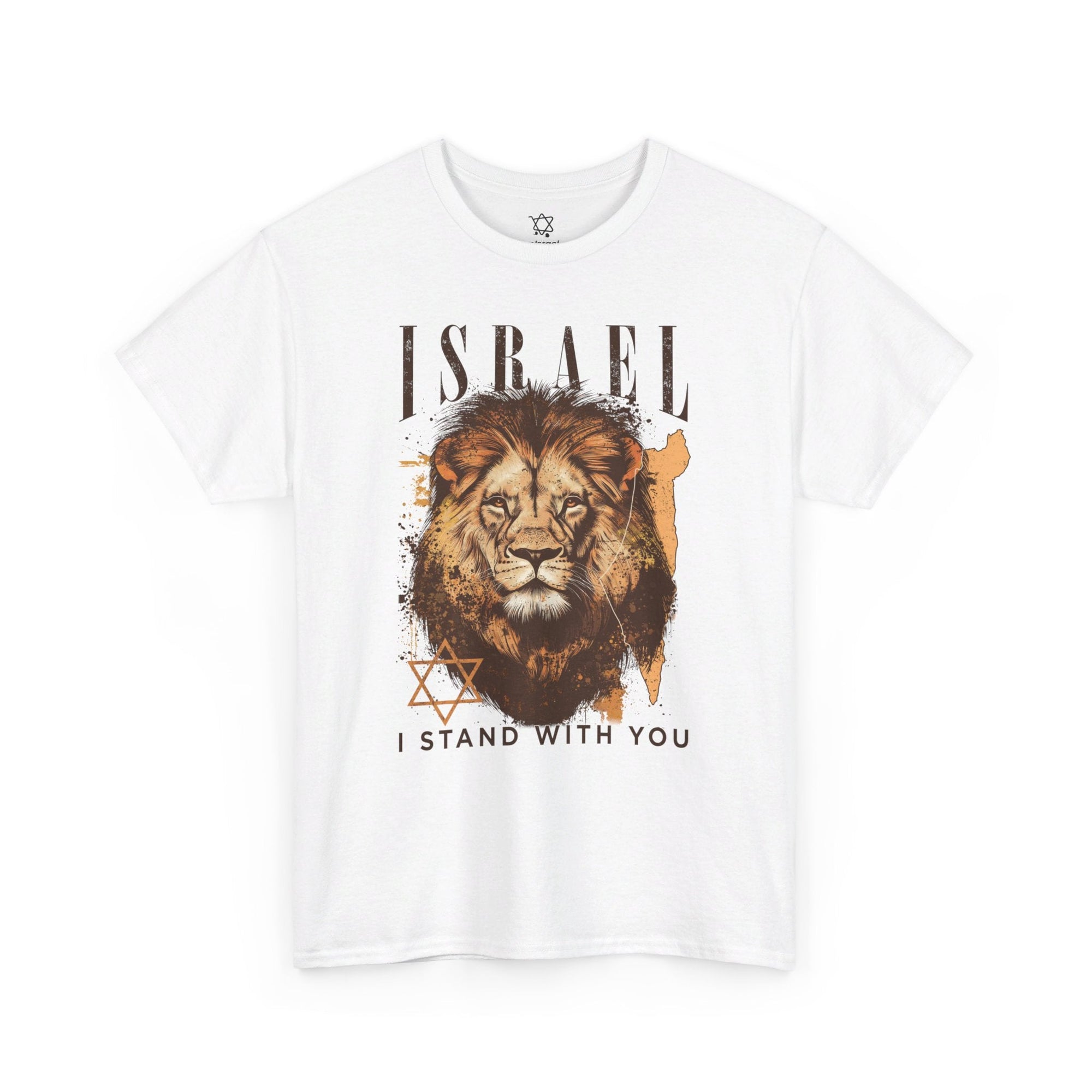
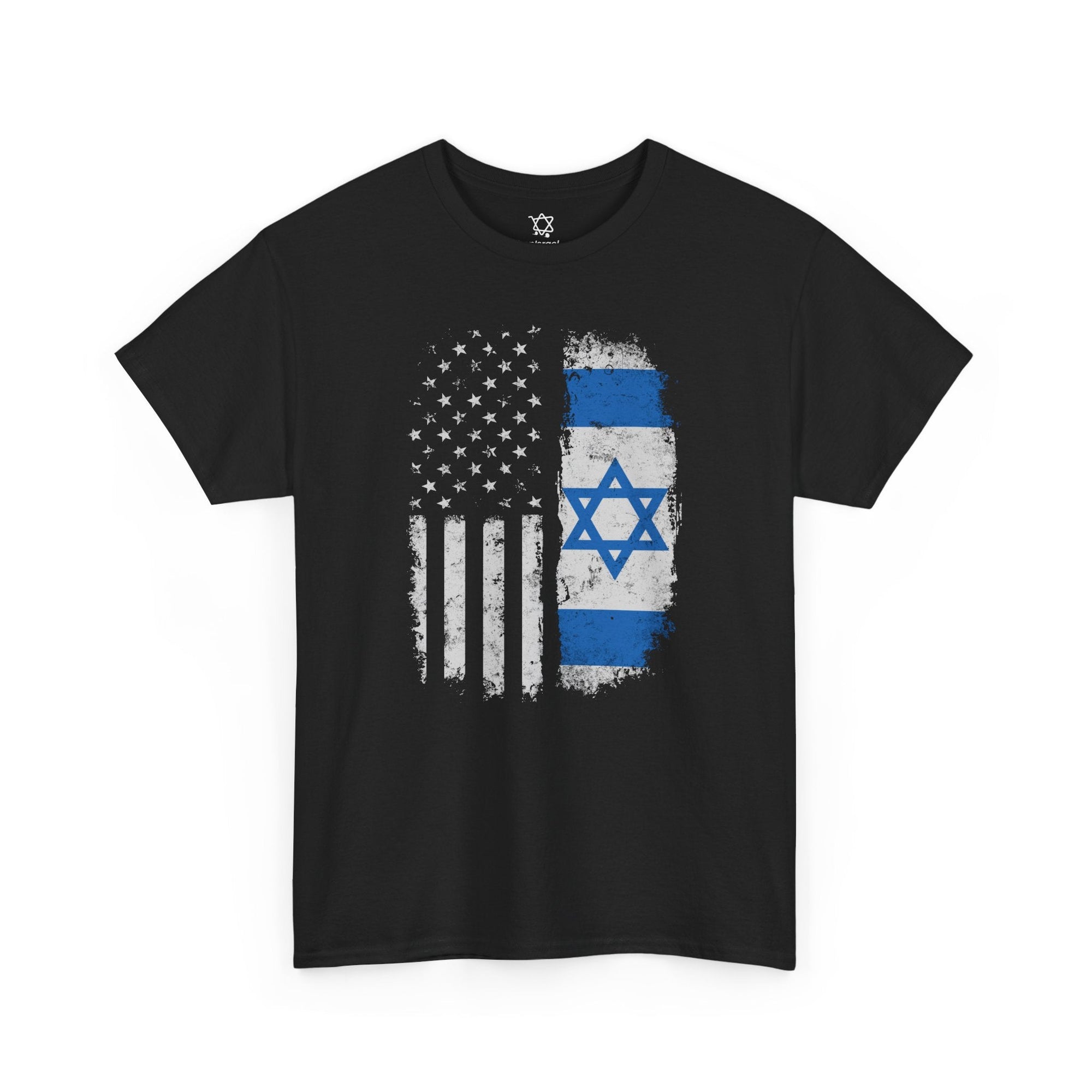
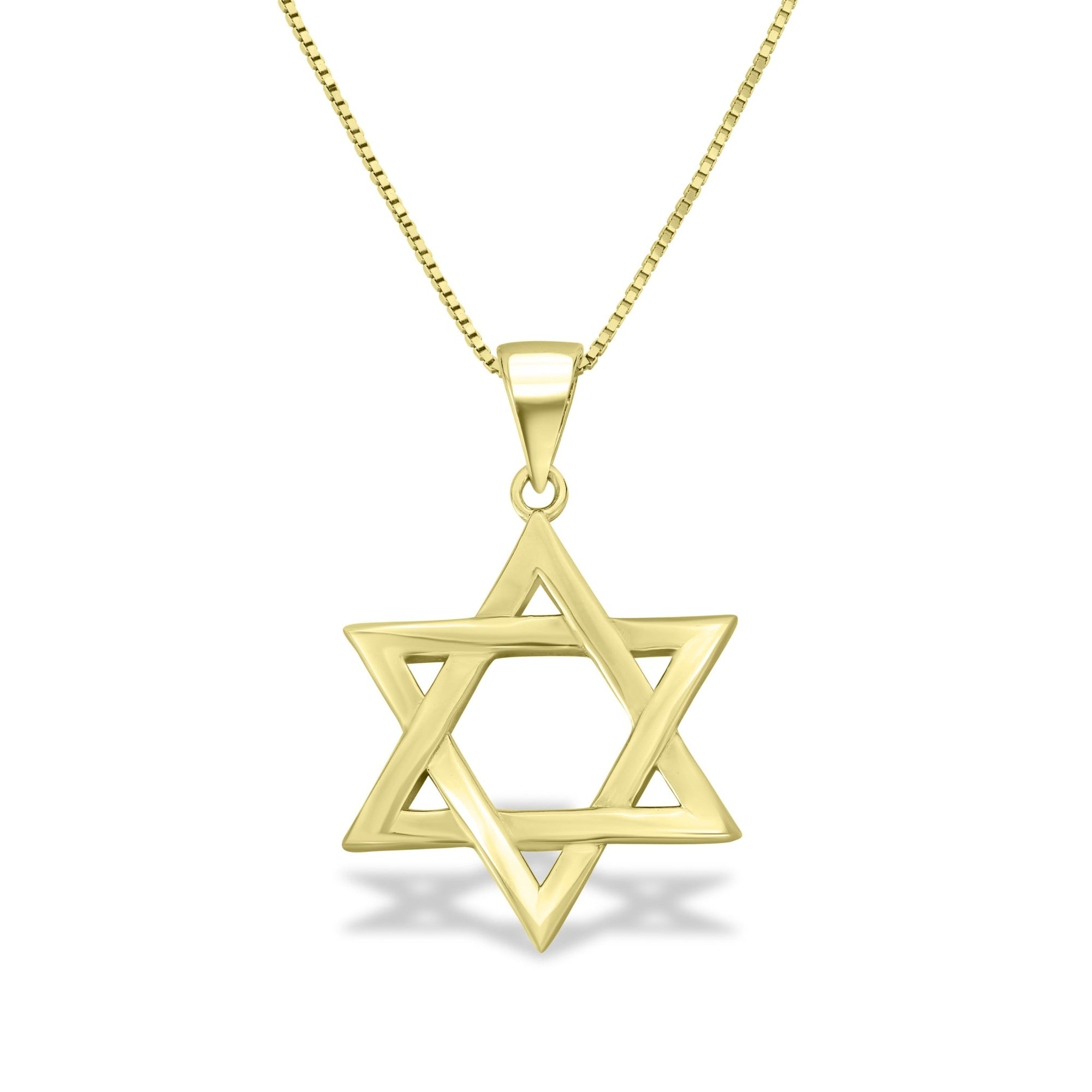
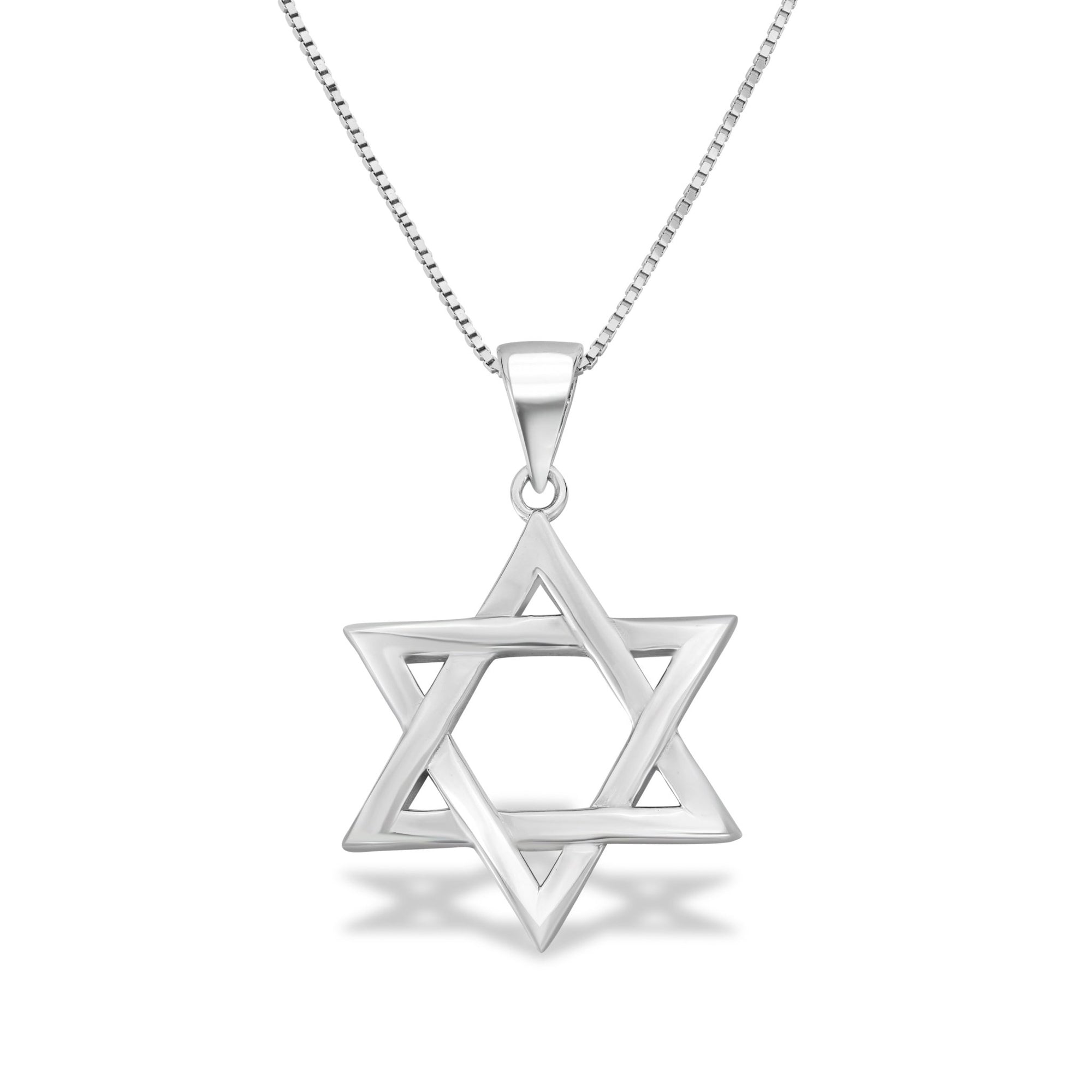
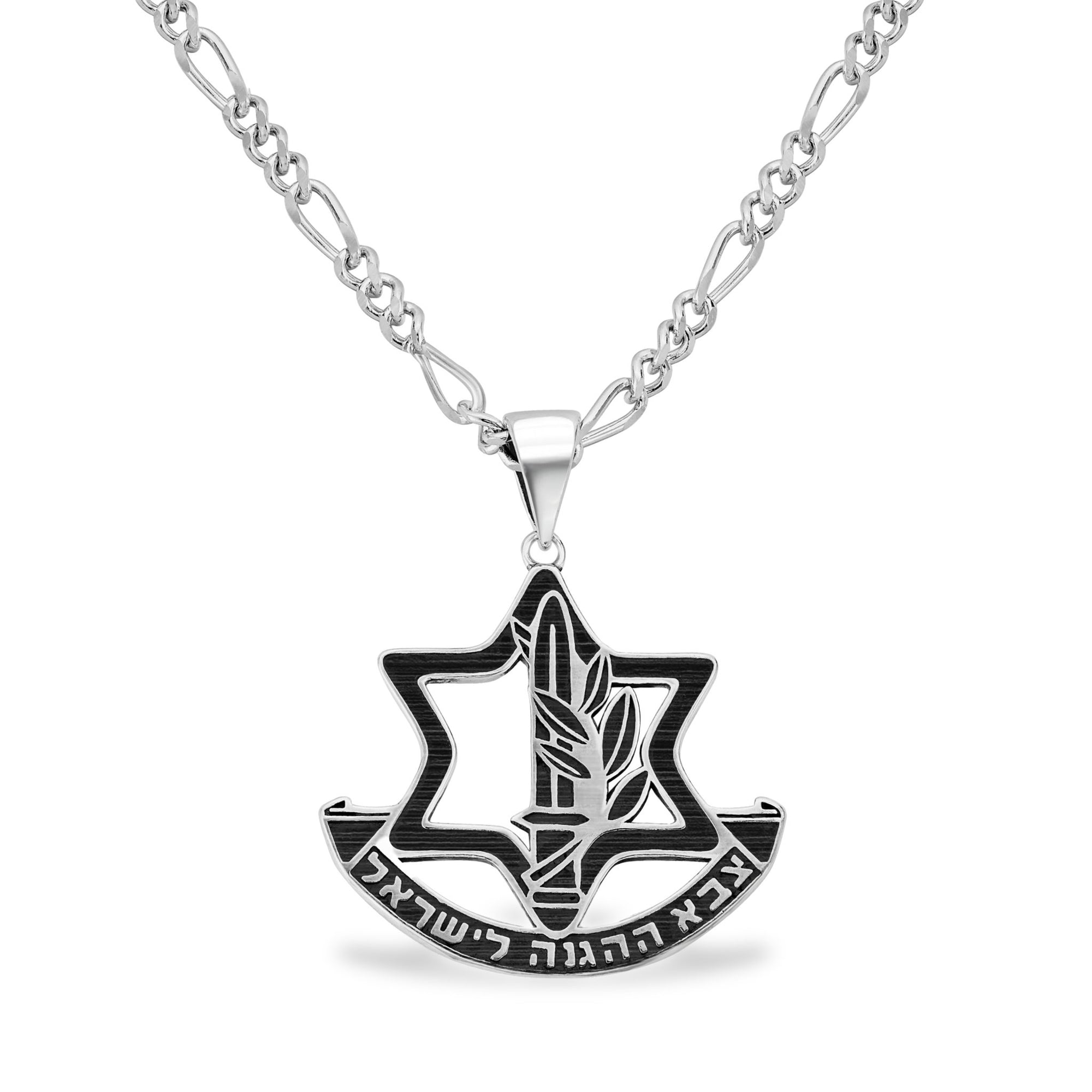
The Star of David has a longer and more layered history than most gift copy lets on. The hexagram shows up decoratively across the ancient Levant as early as the 10th to 6th centuries BCE, including on coins minted during the Bar Kokhba Revolt in 135 CE, and for centuries it was not an exclusively Jewish emblem; it also appears in Christian, Hindu, and Buddhist contexts (Wikipedia). What changed its meaning permanently was 1897, when the First Zionist Congress formally adopted it as the movement's symbol. From there it became the emblem tied to modern Jewish and Israeli identity, and it eventually anchored Israel's 1948 flag. So when a Star of David necklace is described as a piece of Jewish continuity, that is not a stretch: it is describing a symbol that was deliberately chosen to represent a people at a specific historical moment.
The hamsa's story runs even further back. Hand-shaped protective amulets resembling the hamsa are documented at Israelite tomb sites dating to roughly 800 BCE, among the earliest known examples of the open-hand motif that later spread widely through Jewish, Sephardic, and broader Near Eastern tradition (Wikipedia; Britannica). It was never exclusively a Jewish symbol, but within Jewish practice it carries specific significance, often linked to the Hebrew letter Shin and the name Shaddai, one of the traditional names for God. That dual identity, ancient and shared across cultures, yet meaningful within Jewish tradition specifically, is part of why the hamsa remains one of the most requested designs in Israeli jewelry today.
Materials With a Real Tie to the Land
Beyond symbols, some of the most honest "made from Israel" claims are about the materials themselves. Eilat stone, a blue-green mix of malachite, azurite, turquoise, and chrysocolla mined near Eilat and the Timna Valley, is Israel's official national stone. That is not a branding flourish; it is a government-recognized designation, which makes jewelry set with Eilat stone one of the few pieces in this category that can honestly claim a direct, geological connection to Israeli soil (Wikipedia). Worth noting: some retellings tie the Timna mines to "King Solomon's Mines," a legend popularized by archaeologist Nelson Glueck in the 1930s. Modern excavations have since dated the smelting activity to the Edomite kingdom, not Solomon's era, so that origin story is folklore rather than history (Wikipedia). The stone's Israeli identity stands on its own without needing the legend.
Ancient Roman glass is the other material with genuine archaeological backing. Roman-era glassmaking in the region, which drew on natron flux from Judean deposits, spread across the Levant starting in the 1st century CE, and fragments recovered from ancient sites are what modern jewelers actually repurpose into pendants, rings, and earrings today (Wikipedia). Each piece carries slightly different coloring and patina because it comes from real, weathered glass rather than a reproduction, which is part of the appeal for gift-givers looking for something with actual provenance.
One correction worth making here: Israeli jewelry craftsmanship is sometimes described as centered "mainly in Jerusalem." That does not hold up against the record. Israel's largest and most documented jewelry-and-gem hub is the Israel Diamond Exchange in Ramat Gan, near Tel Aviv, the world's largest diamond exchange, with roughly 1,500 companies, about 15,000 employees, and close to $5 billion in annual diamond exports (Wikipedia). Jerusalem's Old City does have a real artisan tradition, and its design lineage traces back to institutions like the Bezalel Academy, but as a claim about where the industry is centered, Ramat Gan is the accurate answer.
Choosing a Piece That Actually Means Something
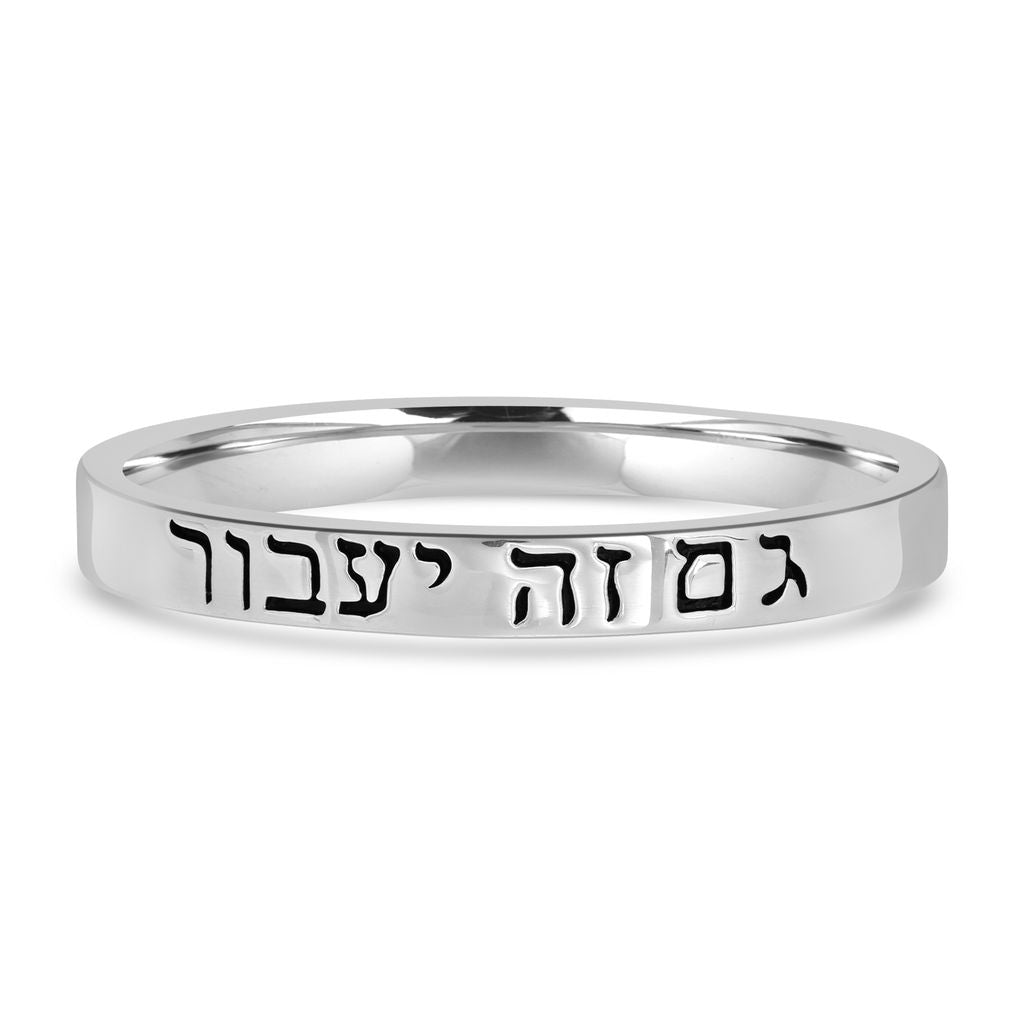
Once you know the real history behind these symbols and materials, choosing a gift becomes less about picking something that "looks Israeli" and more about matching the story to the person. A Star of David piece fits someone marking a bar or bat mitzvah, a conversion, or simply a proud connection to Jewish identity. A hamsa speaks to protection and hope, which makes it a natural gift after a hard year or before a big transition. Hebrew blessings and verse inscriptions are also common on modern Israeli-made pieces, name necklaces and verse rings in particular, though this is best understood as a style choice rather than a statistically documented trend, since no single source quantifies how widespread it is. Shop Israel's Star of David jewelry collection pulls together several of these designs, from classic pendants to rings, so you can compare styles side by side before deciding which symbol and setting fit the occasion.
Related
- Symbolism Behind Israeli Jewelry Designs You Should Know
- 6 Unique Jewelry Designs Inspired by Israeli Culture and Symbols
- Jewelry Gift Guide: Perfect Picks for Israel Enthusiasts
Last updated July 2026.