

Short answer: There is no verified news trend behind "Israel-themed holiday apparel," but the pieces behind it are real: the Jewish holiday calendar, the customs tied to each holiday (Purim's costumes above all), and the genuine, decades-old Israeli fashion industry that gives Star of David jewelry, IDF-style pieces, and Jerusalem motifs their meaning. Choosing apparel around these symbols is a legitimate, well-grounded way to mark the holidays, not a marketing invention.
The holiday calendar that actually drives this
Any gift-giving or dressing-up around Jewish holidays follows the Hebrew calendar, and the 2026 dates are set: Purim falls March 2 to 3, Passover runs April 1 to 9, Rosh Hashanah is September 11 to 13, Yom Kippur is September 20 to 21, Sukkot runs September 25 to October 2, and Hanukkah spans December 4 to 12, according to Hebcal's Jewish calendar. Purim in particular has a genuine costume tradition. The holiday commemorates the deliverance of Persian Jews from Haman's plot, as told in the Book of Esther, and its core customs include reading the Megillah, exchanging food gifts (mishloach manot), giving charity, a festive meal, and wearing costumes, per Wikipedia's entry on Purim. Tel Aviv's street culture reflects that tradition directly: the city holds a well-documented public Purim parade and party scene known as the Adloyada, with costumes as its centerpiece. That is the one holiday on the calendar where apparel is the point, not just an accessory to it.
What the symbols actually mean
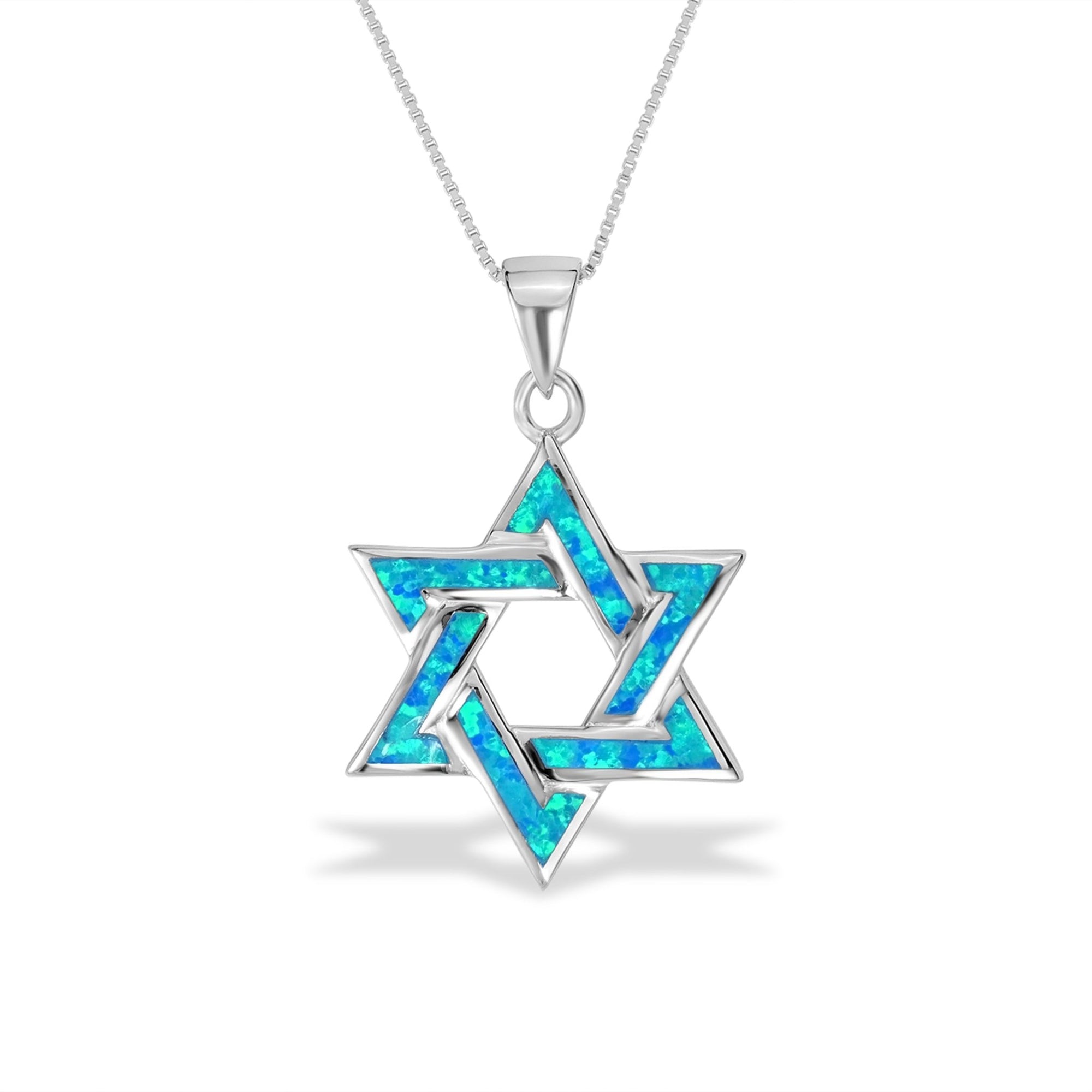
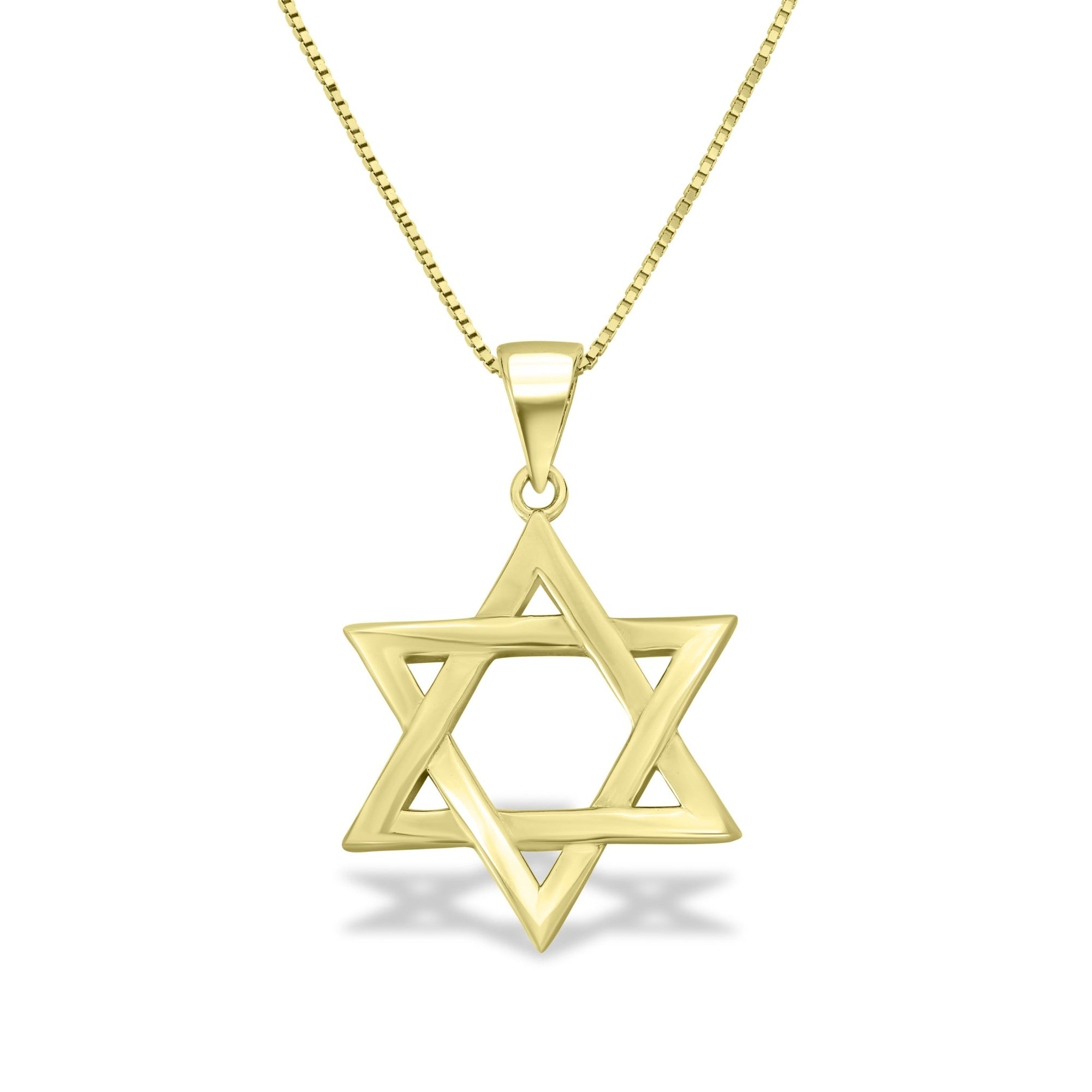
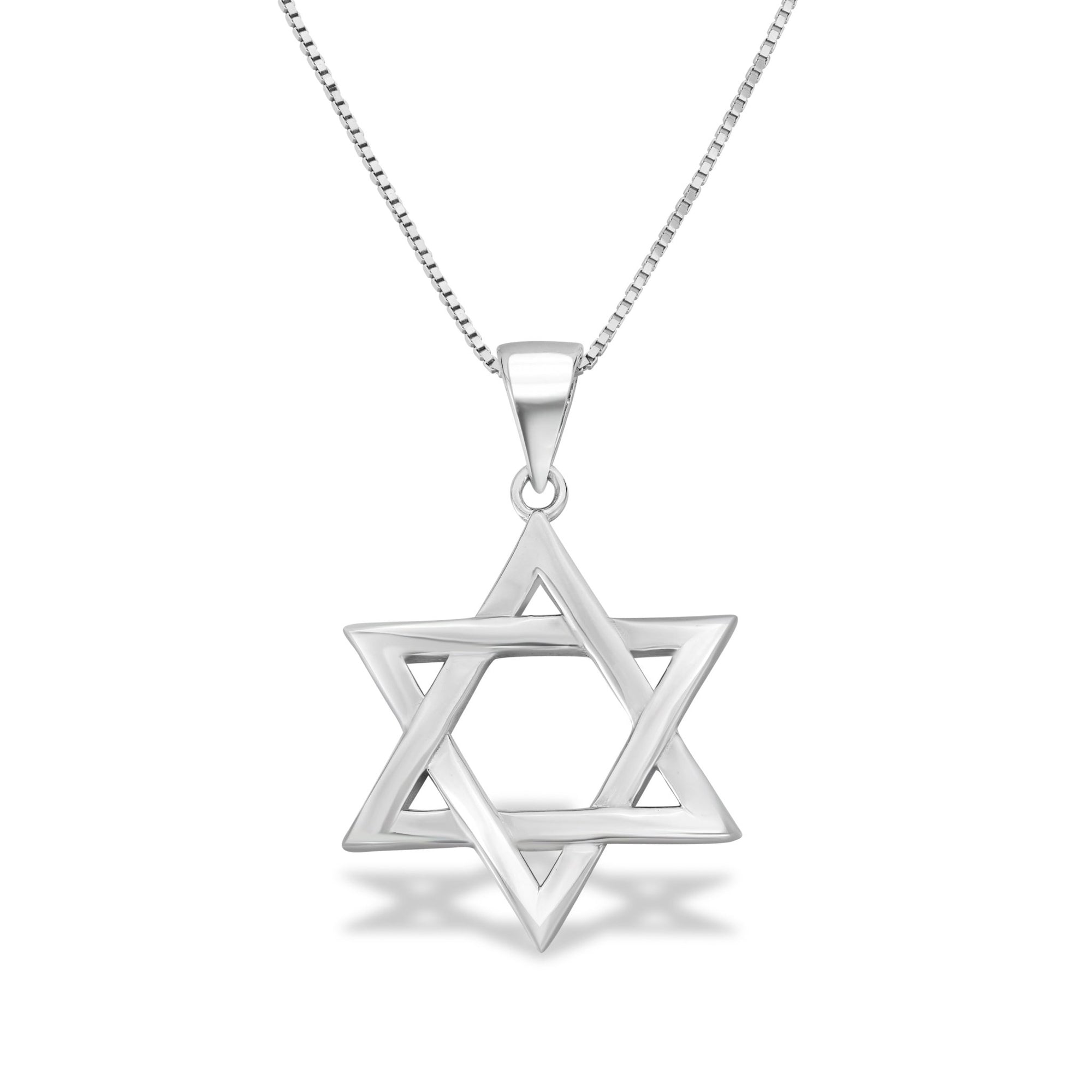
Before treating Star of David jewelry or flag motifs as simple decoration, it is worth knowing where they come from. The Magen David is documented from 17th-century Vienna as a marker of Jewish quarters, and it only became a widely recognized Jewish and Zionist emblem after the 1897 Zionist Congress, later landing on Israel's flag, according to My Jewish Learning. That same symbol was also the badge the Nazis forced Jews to wear, a history corroborated across sources including Wikipedia. That layered past does not make the symbol something to avoid; if anything, it makes wearing it today, openly and by choice, a more meaningful statement of identity and resilience than a plain fashion trend would suggest.
The apparel side of this has its own real history too. Israel has run an actual fashion and textile industry since 1934, starting with the ATA textile factory, continuing through Ruth Dayan's Maskit label preserving Jewish ethnic craft, and Lea Gottlieb's Gottex beachwear line founded in 1956, per Wikipedia's history of Israeli fashion. Tel Aviv Fashion Week resumed in 2011 after a 30-year hiatus and has since drawn international designers, with the 2015 edition alone featuring 21 Israeli designers before roughly 24,000 attendees. In other words, apparel connected to Israel is not a manufactured gift-guide gimmick; it sits on top of a real design tradition.
Bringing it into your own holiday wardrobe
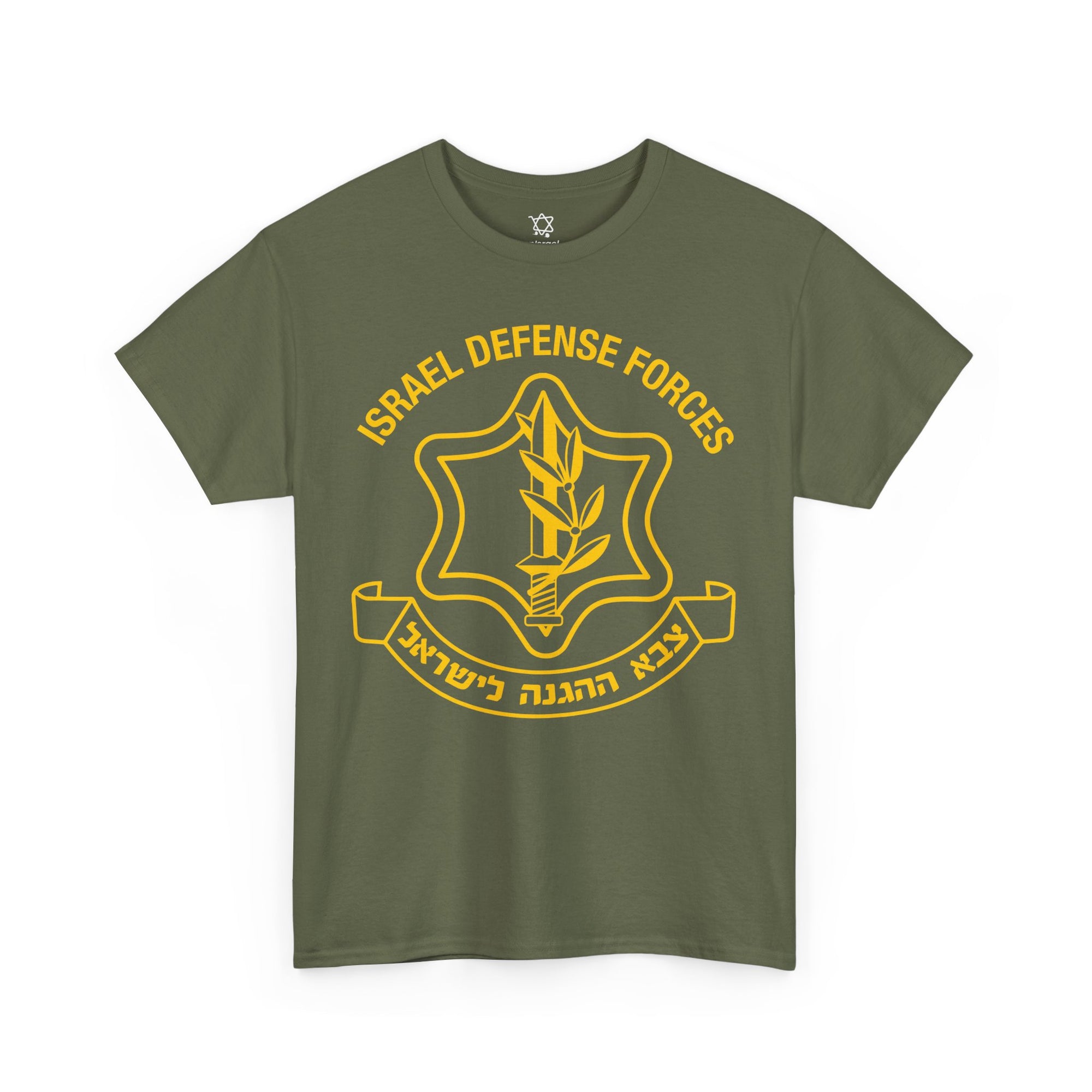
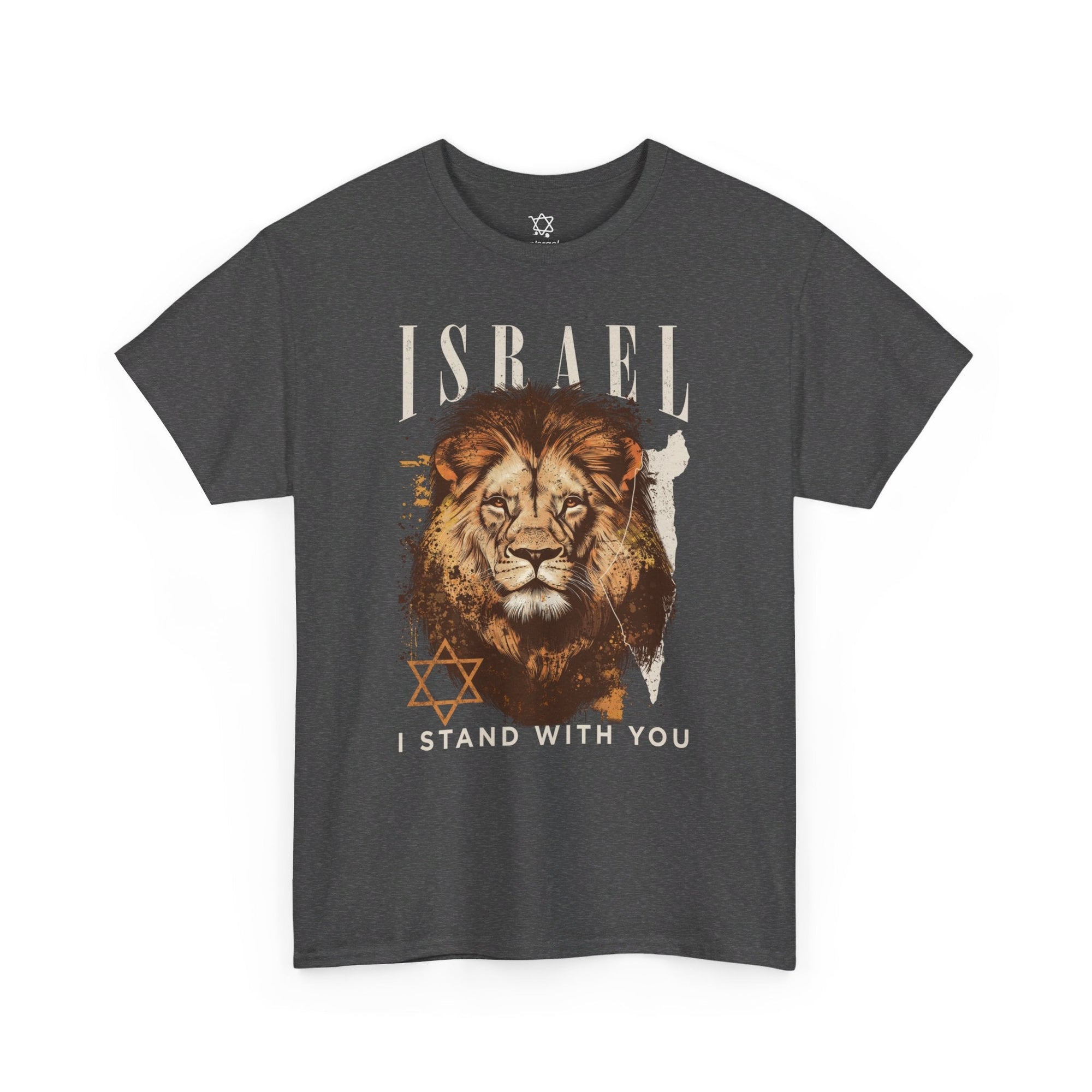
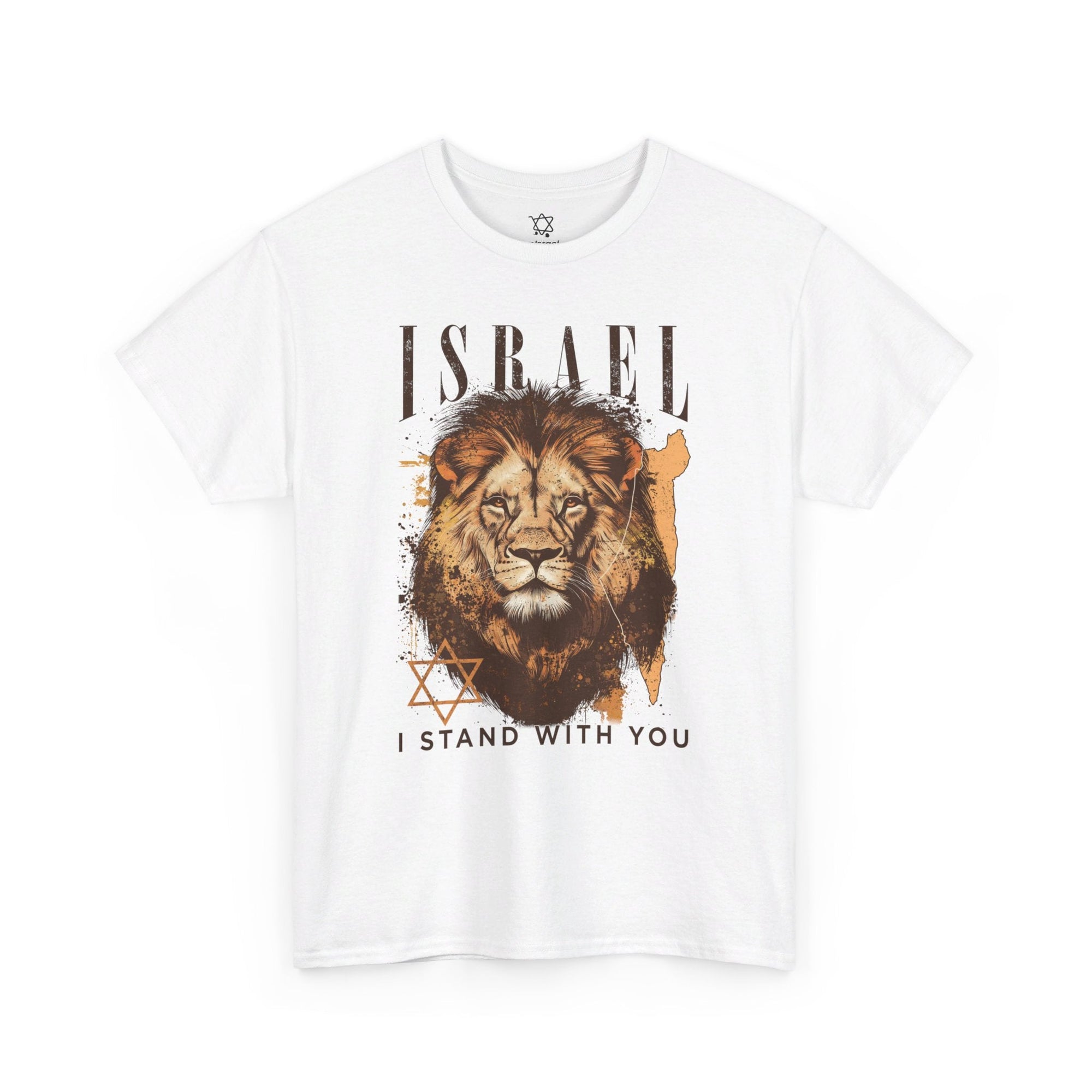
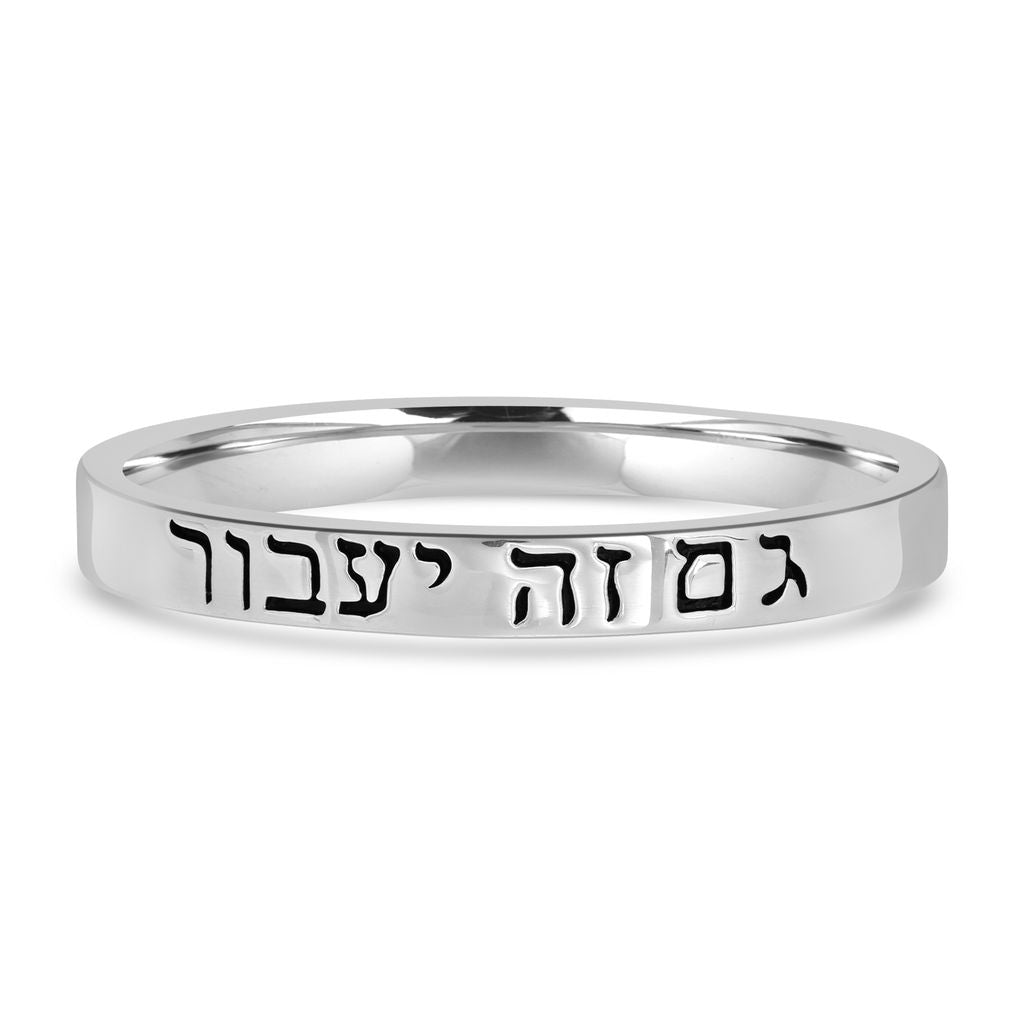
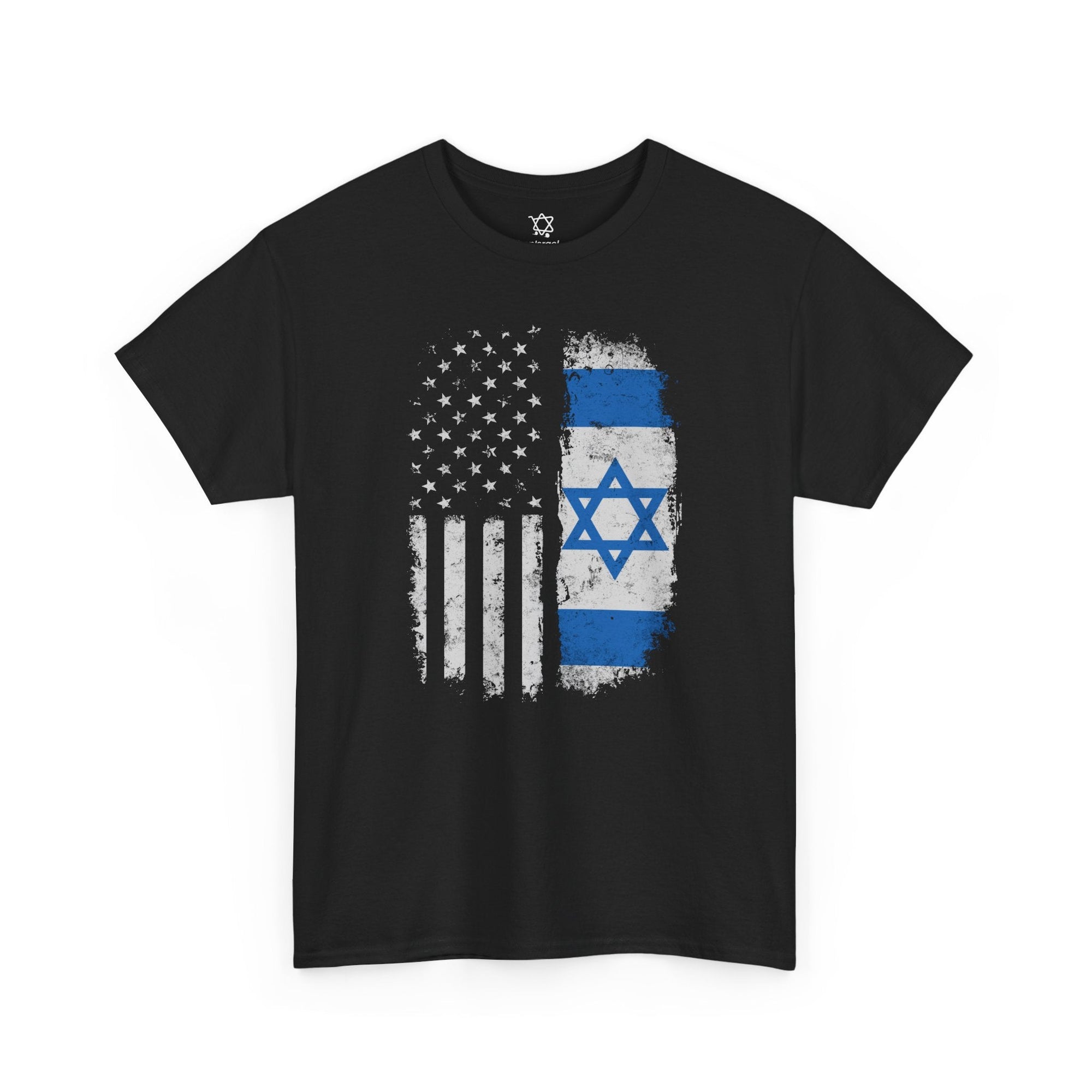
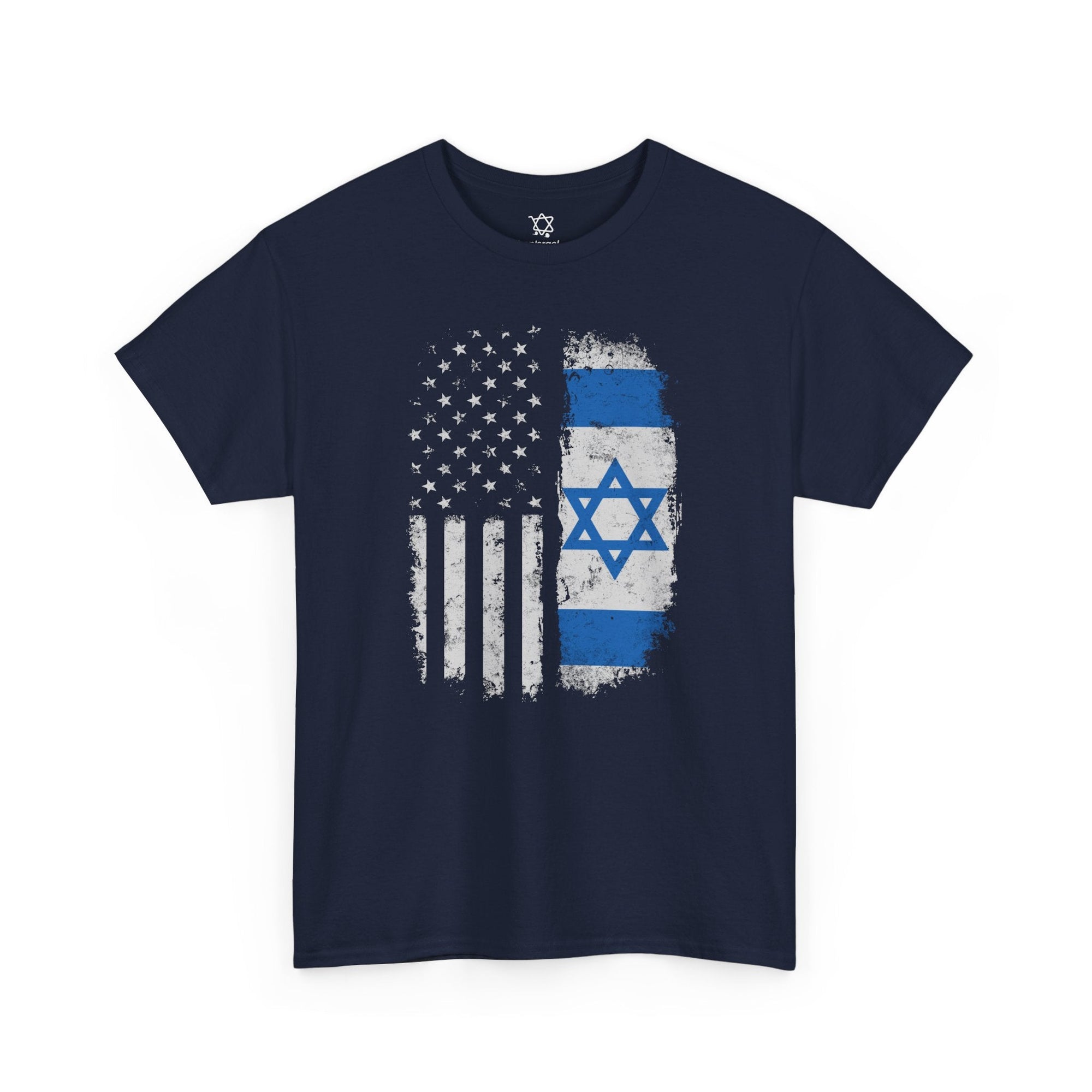
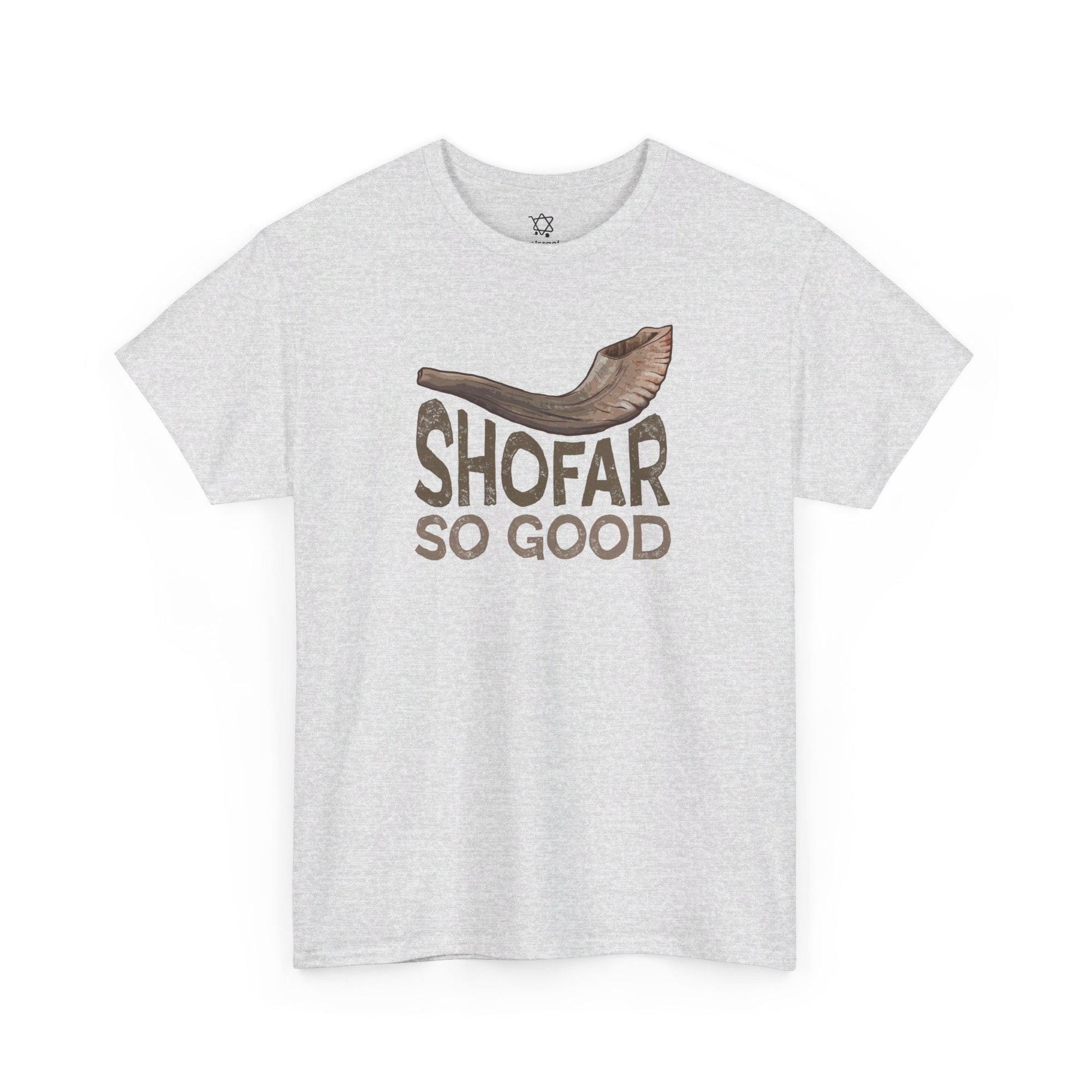
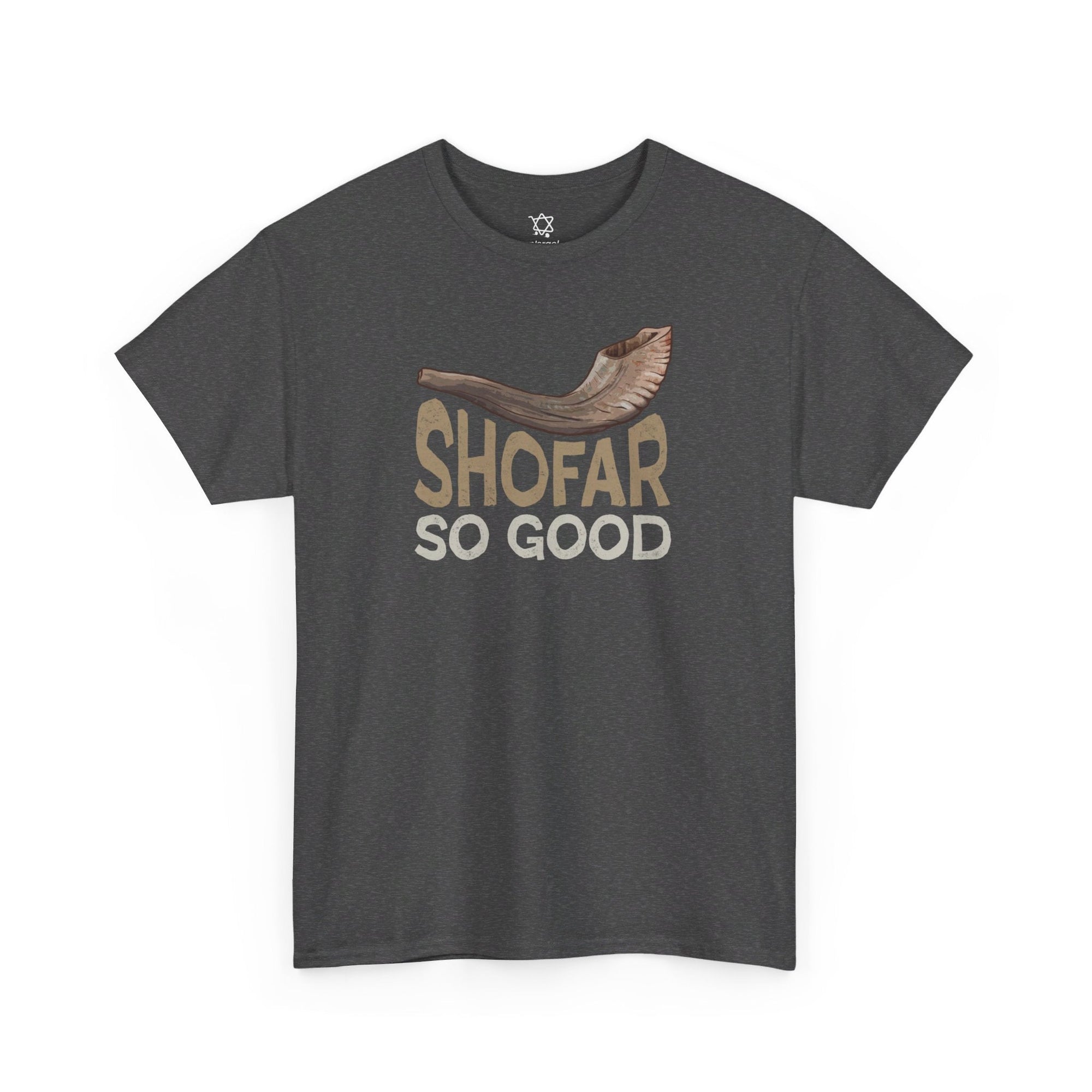
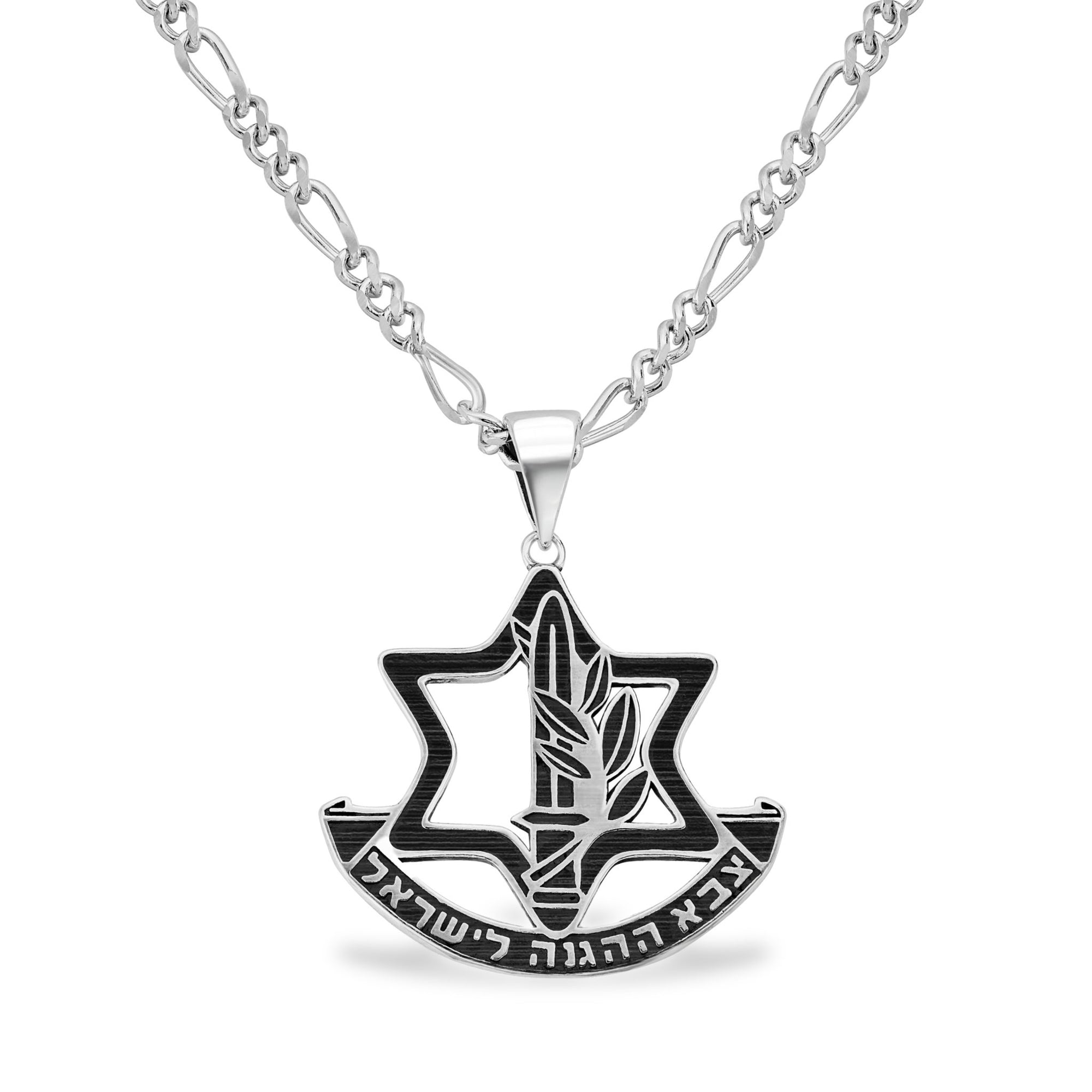
With that context, the practical question is simple: what to wear, or give, for each occasion. Purim is the natural home for costume-forward or statement pieces, whether that is a flag-colored tee or a bolder graphic piece for the festive meal. For Rosh Hashanah, Yom Kippur, Sukkot, Hanukkah, and Passover, understated jewelry tends to fit better than costume pieces, since these are holidays of reflection and family gatherings rather than street celebration. A Star of David necklace works for all of them precisely because it carries that longer history rather than a single holiday's theme. Shop Israel's Star of David jewelry collection is a good place to see the range, from a simple pendant for daily wear to a more formal piece for the holiday table, if you want one item that carries meaning across the whole calendar rather than shopping holiday by holiday.
Related
- Jewish Holiday Fashion: Israel-Themed Looks to Celebrate
- Symbolism Behind Israeli Jewelry Designs You Should Know
- 7 Must-Have Holiday-Themed Israel Merchandise Items for Jewish Celebrations
Last updated July 2026.