

Short answer: Israeli culture shows up in everyday jewelry mainly through a small set of enduring Jewish symbols, the Star of David (Magen David), the Hamsa, the Chai, the Menorah, and the Mezuzah, each with its own documented meaning and history. These are not costume pieces. They are wearable, low-key ways to carry Jewish and Israeli identity into ordinary days, and interest in wearing them visibly has measurably grown since the October 7, 2023 Hamas attacks.
The core symbols and where they actually come from
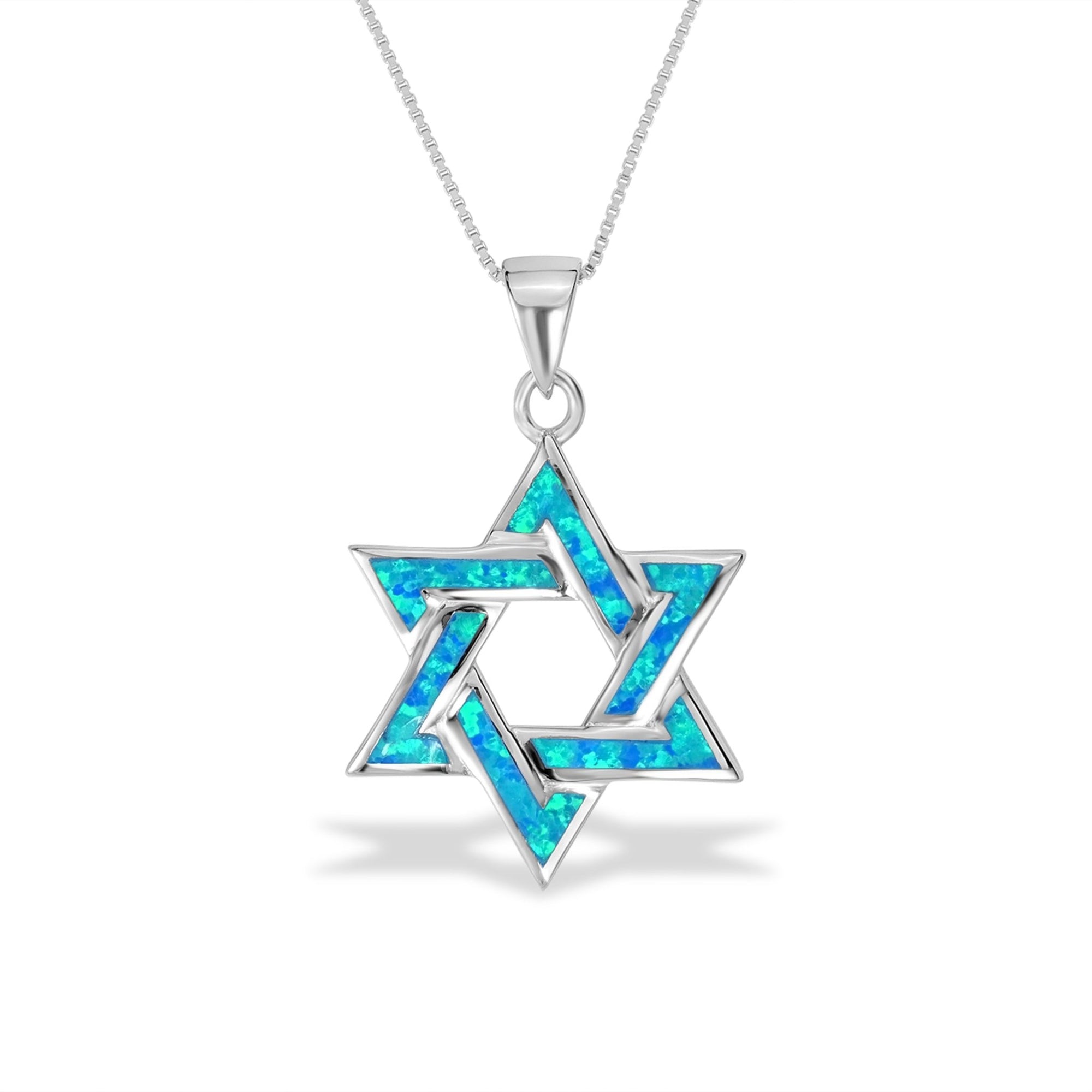
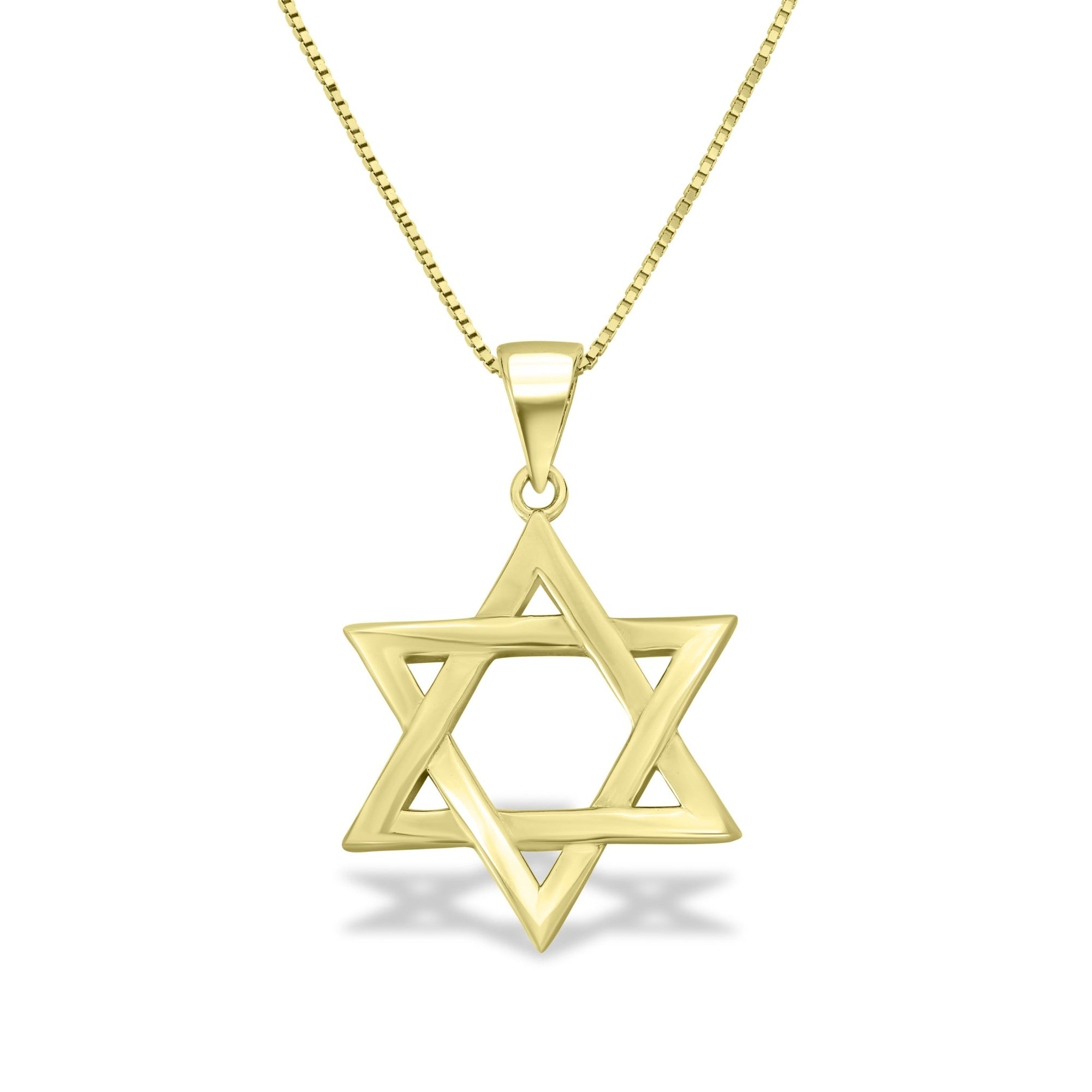
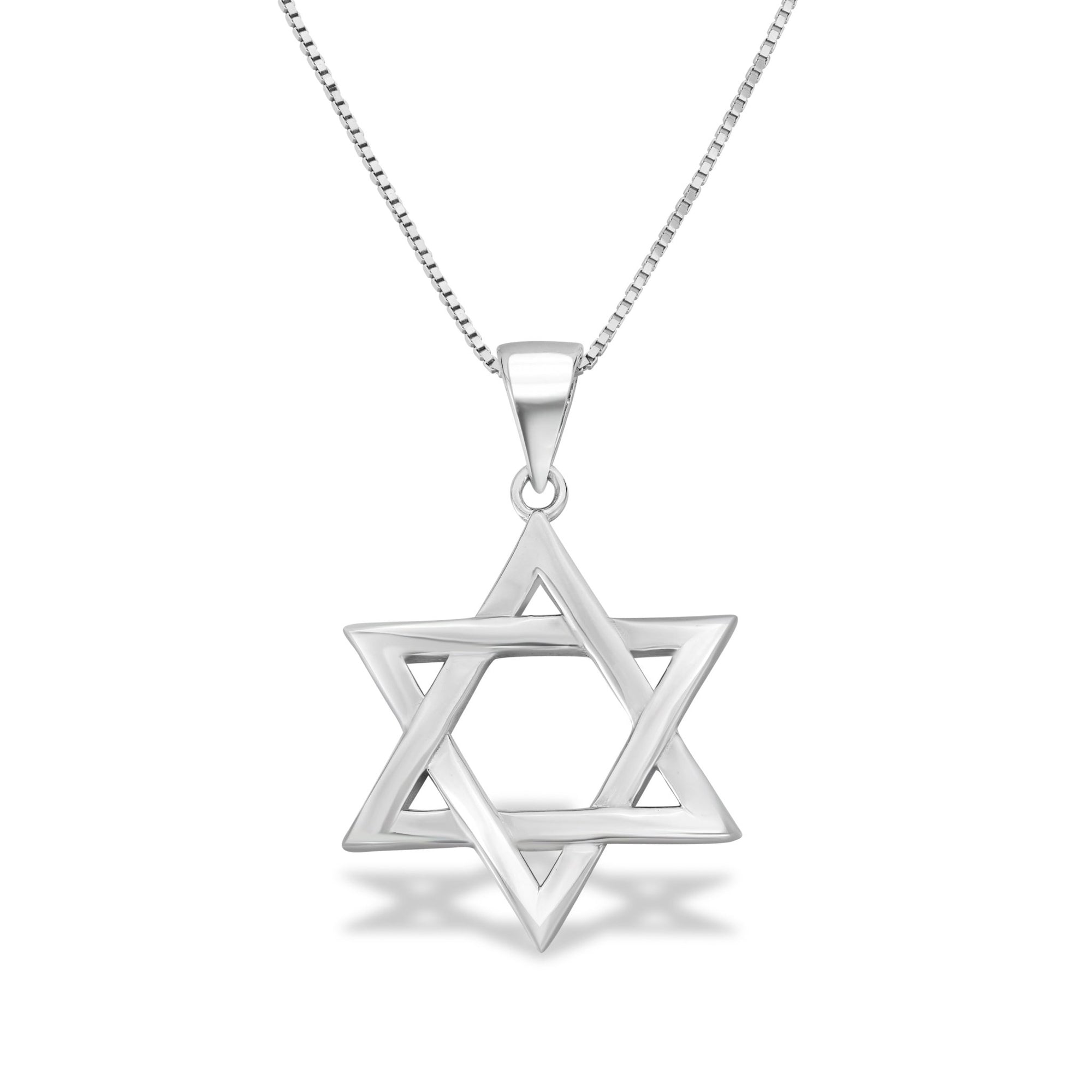
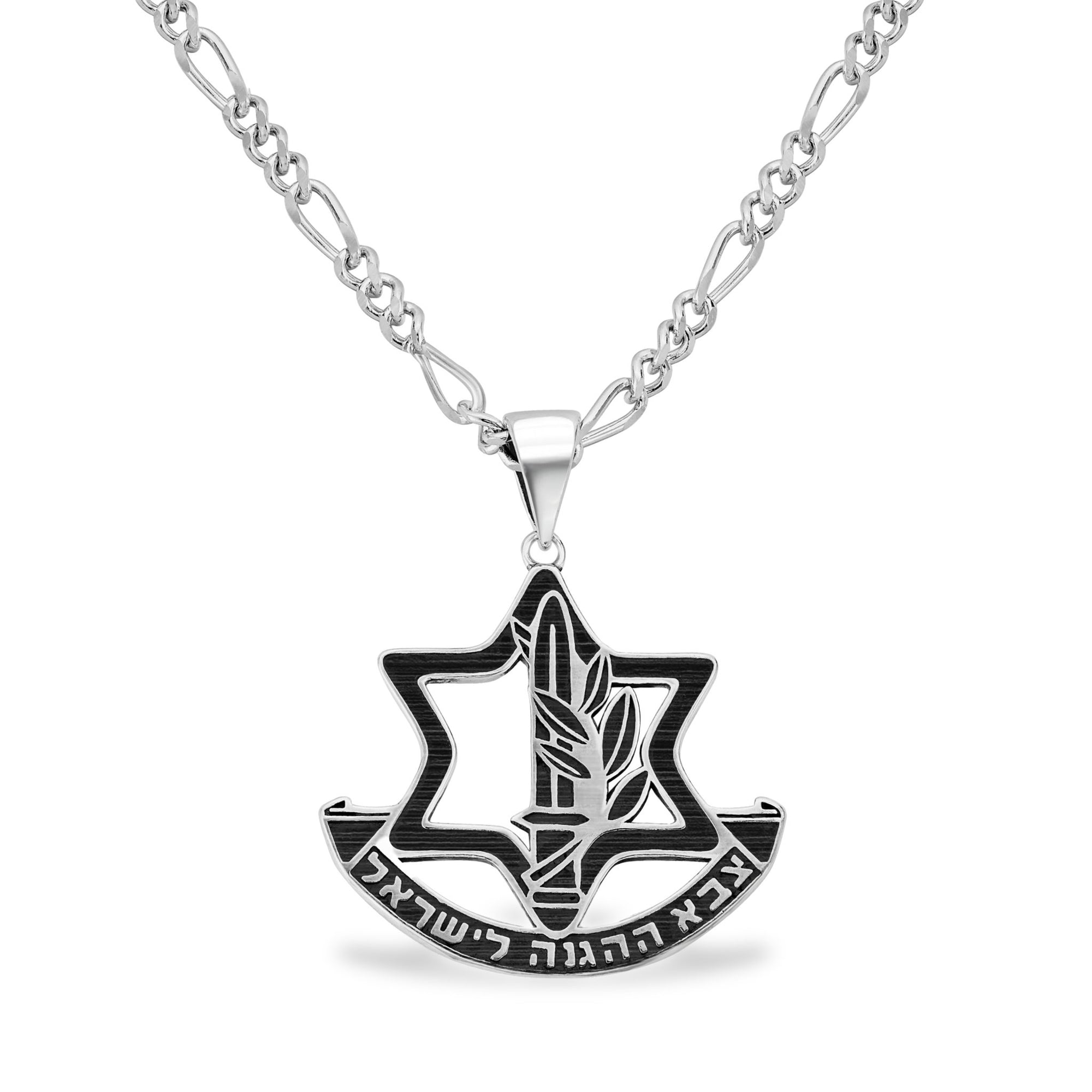
The Star of David, a hexagram made of two overlapping triangles, is the symbol most people reach for first. Its earliest solid documentation in Jewish civic life dates to 1600s Vienna, where a hexagram marked the city's Jewish quarter, according to My Jewish Learning. It did not become the internationally recognized emblem of Jewish and Israeli identity until 1897, when the Zionist movement formally adopted it at the First Zionist Congress. From there it became part of the flag of Israel. One common interpretation reads the upward-pointing triangle as reaching toward God and the downward triangle as representing humanity, a symbol of connection between the two, though this is one interpretive tradition among several rather than a single fixed meaning.
The Hamsa, an open-hand design, is older still. The motif appears on ancient Israelite tombs dating back to roughly the 8th century BCE, per Judaica Webstore, making it one of the oldest images later folded into Jewish jewelry and amulet tradition. In Jewish practice it is sometimes called the Hand of Miriam, and its five fingers are associated with the five books of the Torah. It is worn as a symbol of protection and luck, a tradition it shares with other Middle Eastern communities who use the same open-hand imagery.
Chai, the Hebrew word for "life," is worn as a pendant because of a piece of Hebrew letter-numerology: the letters that spell chai add up to 18, which is why gifts and donations in Jewish life are so often given in multiples of 18. Wearing Chai as jewelry is generally traced to 18th-century Eastern Europe, though the symbol's roots reach back to medieval Spain and Kabbalistic tradition, according to My Jewish Learning. The Menorah, the seven-branch lamp tied to the ancient Temple, and the Mezuzah, the small case traditionally affixed to a doorpost and now also worn as a pendant, round out the set of everyday Jewish symbols people incorporate into jewelry.
Why this jewelry surged after October 7, 2023
What gives this topic real weight right now is not just symbolism, it is a documented shift in behavior. In the weeks after the October 7, 2023 Hamas attack on Israel, multiple independent outlets reported sharp increases in demand for Star of David and related Jewish jewelry, worn as a visible statement of solidarity and identity rather than religious observance alone.
New York jeweler Stephanie Gottlieb sold $70,000 worth of Star of David jewelry in a single day on October 10, 2023, after pledging 100 percent of profits to the United Jewish Appeal, as reported by Glossy. Two days later, EF Collection designer Emily Faith Strauss sold $65,000 worth of two necklace styles, a Star of David and a Hebrew "Mom" design, after announcing proceeds would go to Magen David Adom, according to Glossy. In the UK, jeweler Talya Paskin of Aurum + Grey reported Star of David pendant sales rose 600 percent following the attacks, and D&M Cohen Jewellers reported a 300 percent increase in Magen David and Chai necklace sales, with part of the proceeds donated to Magen David Adom, per The Jewish Chronicle. These are individual brand figures self-reported to journalists rather than audited industry-wide data, so they should be read as directionally reliable evidence of a real trend, not precise economy-wide statistics. Taken together, though, they point to the same thing: people who might not have worn these symbols daily before started choosing to, on purpose, as a quiet and constant statement.
Bringing it into your own everyday pieces
The appeal of these symbols is that they work with how people actually get dressed. A pendant layers under a t-shirt for work, a bracelet stacks with everything else already on your wrist, and none of it requires a special occasion to justify wearing it. If you are looking for a place to start, the Star of David jewelry collection carries the symbol in the everyday, wearable form that drove so much of the demand described above, including pieces like the Shalom Star of David necklace for those who want something simple enough for daily wear but unmistakable in what it says.
Related
Jewish holiday Israel merchandising trends and traditions
Israeli cultural symbols popular in handmade jewelry
Interpretations of the Star of David in modern jewelry artistry
Last updated August 2026.