

Short answer: Israeli fashion has a real, well-documented track record on the global stage, from Ruth Dayan's 1954 heritage house Maskit (worn by Audrey Hepburn, stocked at Saks Fifth Avenue) to contemporary designers like Alon Livne, Inbal Dror, and Noa Raviv, who have dressed Beyonce, shown at the Met, and closed New York Fashion Week with Israel's national anthem. It is a genuine export story built on craft tradition and individual talent, not a marketing myth.
Where the story actually starts: Maskit, 1954
The best-documented origin point for Israeli fashion's global reach is not the 1920s, it is 1954, when Ruth Dayan founded Maskit, Israel's first true fashion house. It was a government-backed initiative that gave new immigrants work, and designer Fini Leitersdorf built collections around Yemenite, Bedouin, and Druze embroidery traditions layered onto modern European silhouettes. By the 1960s and 1970s, Maskit had grown to roughly 2,000 employees and ten stores in Israel plus one in New York, with garments carried at Bergdorf Goodman, Neiman Marcus, and Saks Fifth Avenue. Audrey Hepburn was among its known wearers. The label lost government funding in 1970 and closed in 1994, but it was revived in 2013 under new ownership. This heritage thread, embroidery-driven, immigrant-built, internationally stocked, is the real foundation of "Israeli fashion goes global," verified across multiple sources rather than the vaguer 1920s origin story sometimes repeated online.
A new generation on the world's biggest runways and red carpets
The second thread is more recent and more visible: individual Tel Aviv-trained designers, many out of Shenkar College, building direct relationships with global pop culture. Alon Livne, a 2009 Project Runway Israel winner trained under Alexander McQueen and Roberto Cavalli, designed the red "Freakum Dress" Beyonce wore on her 2013 world tour after her stylist spotted his runway work, according to the Times of Israel. He later dressed Cardi B and Summer Walker for a 2022 music video. Inbal Dror dressed Beyonce for the 2016 Grammy Awards. Noa Raviv's 3D-printed "hypertexture" garments were featured in the Metropolitan Museum of Art's Costume Institute exhibition that same year.
Since the October 7, 2023 attack and the war that followed, some Israeli designers have used runway platforms to make their identity explicit. The clearest example: in February 2024, Kobi Halperin closed his debut standalone New York Fashion Week show, a Shabbat-inspired collection called "Illumination of Hope," with an instrumental version of Hatikvah, Israel's national anthem. The finale drew more than 160,000 views on Instagram, reported by both the Times of Israel and JTA. It is worth noting this is a specific, dated choice by one designer, not evidence that every Israeli show since the war has carried a political message.
What this means for how people wear their pride today
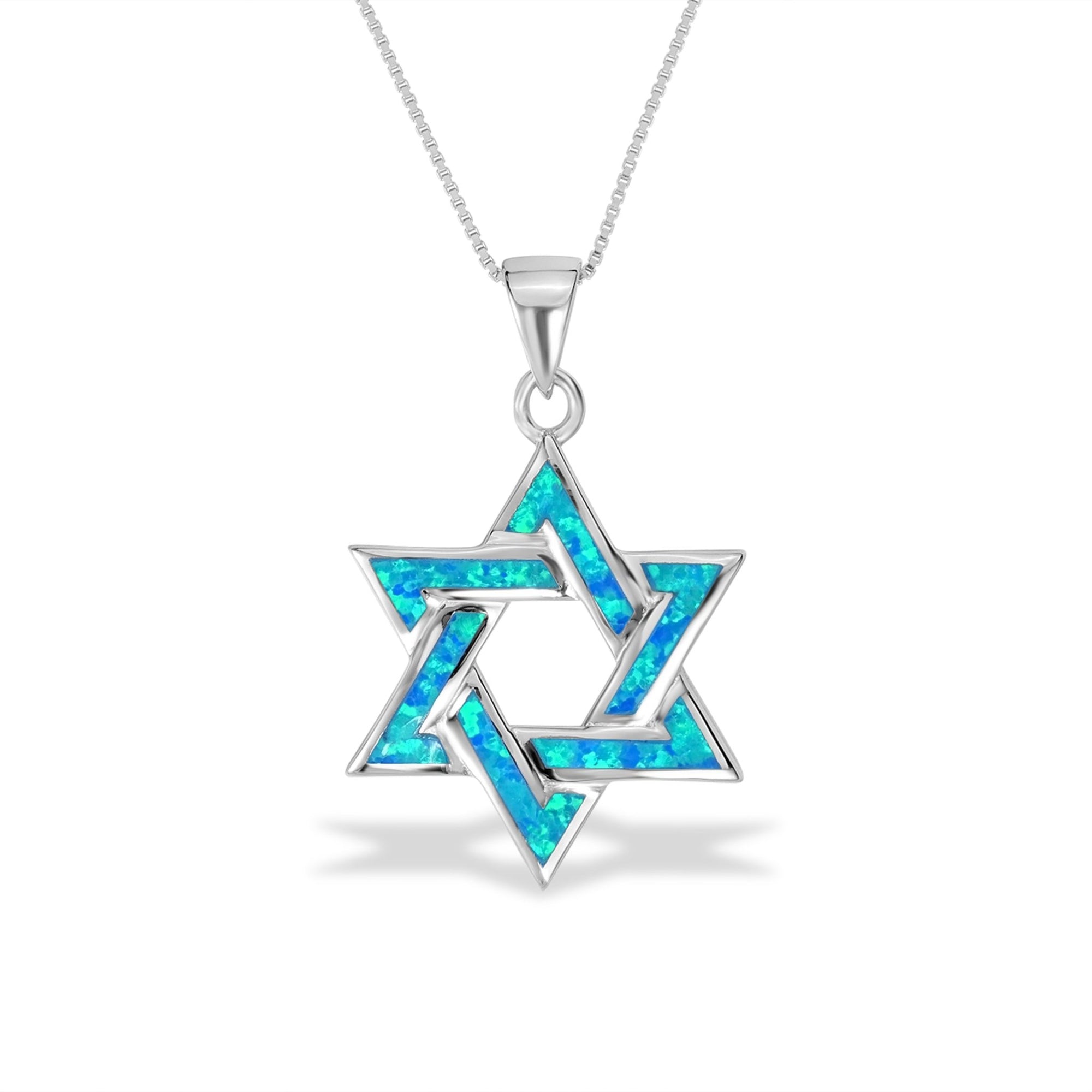
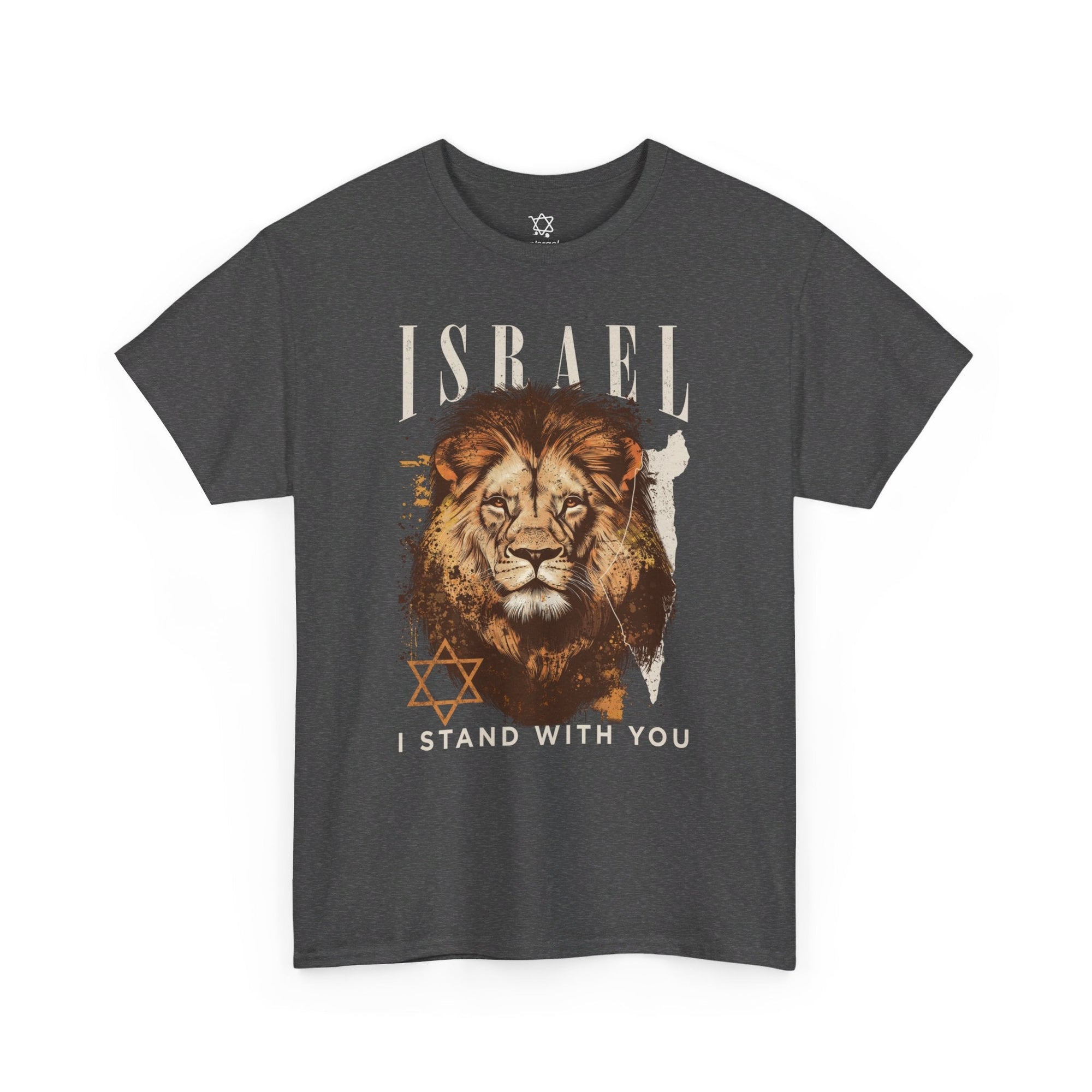
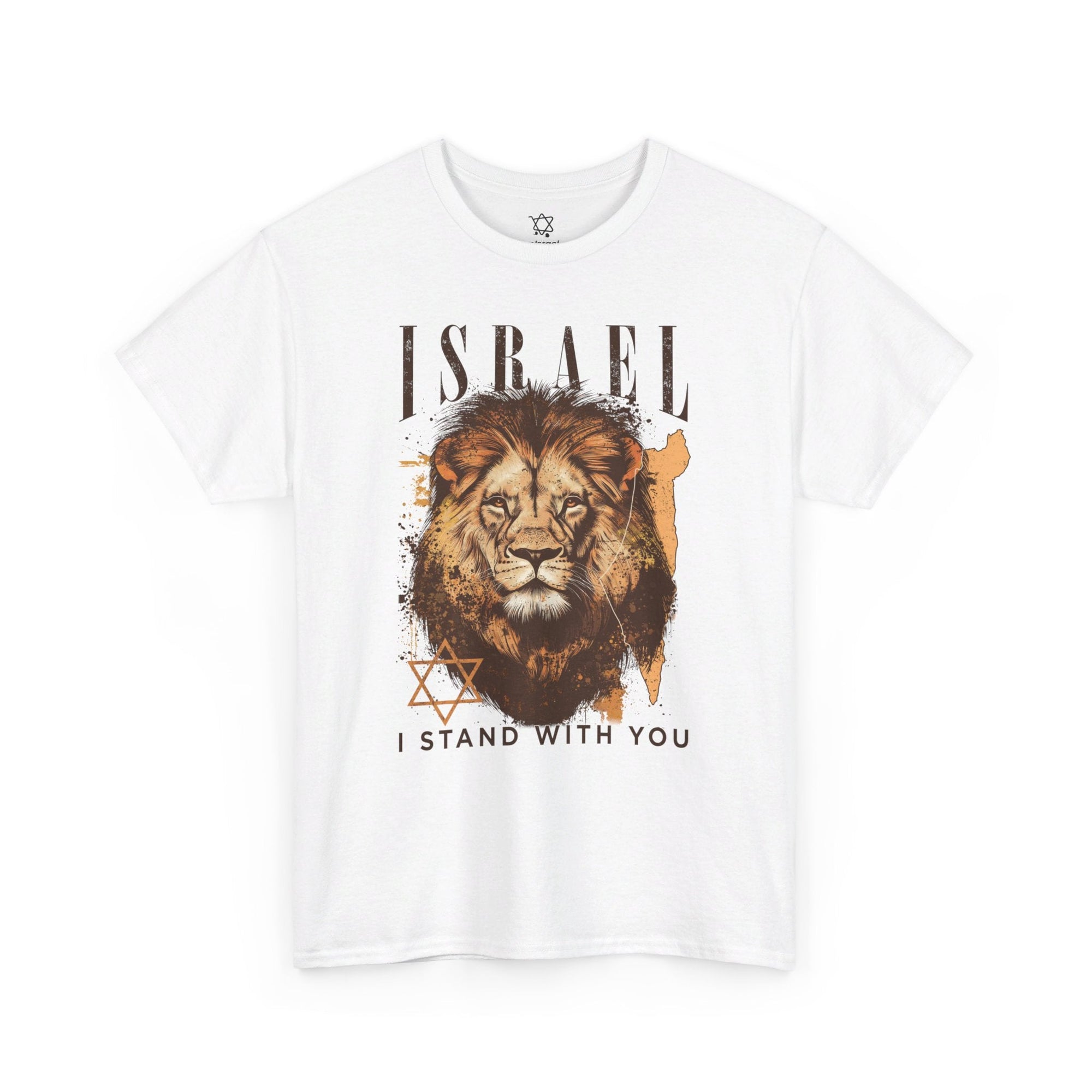
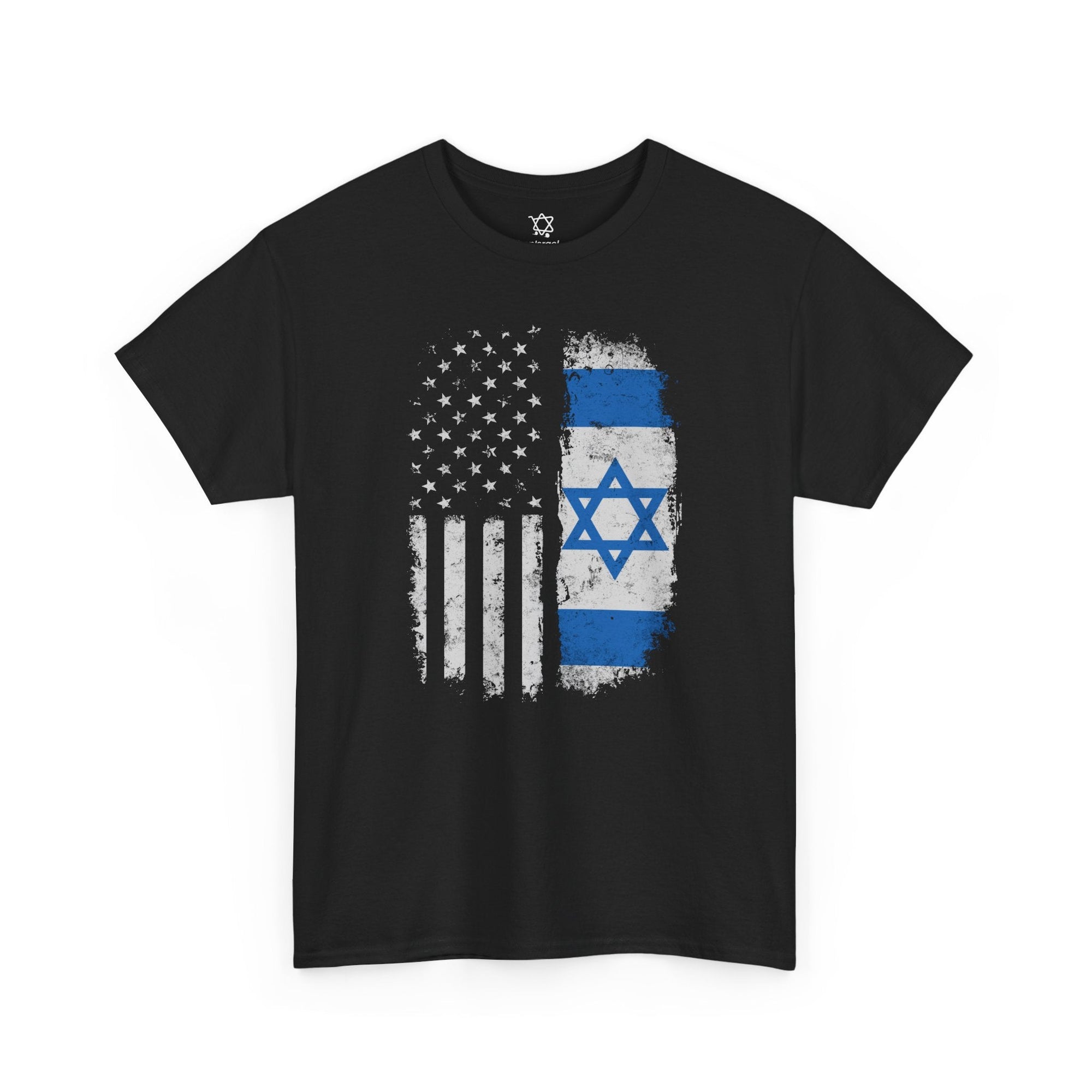
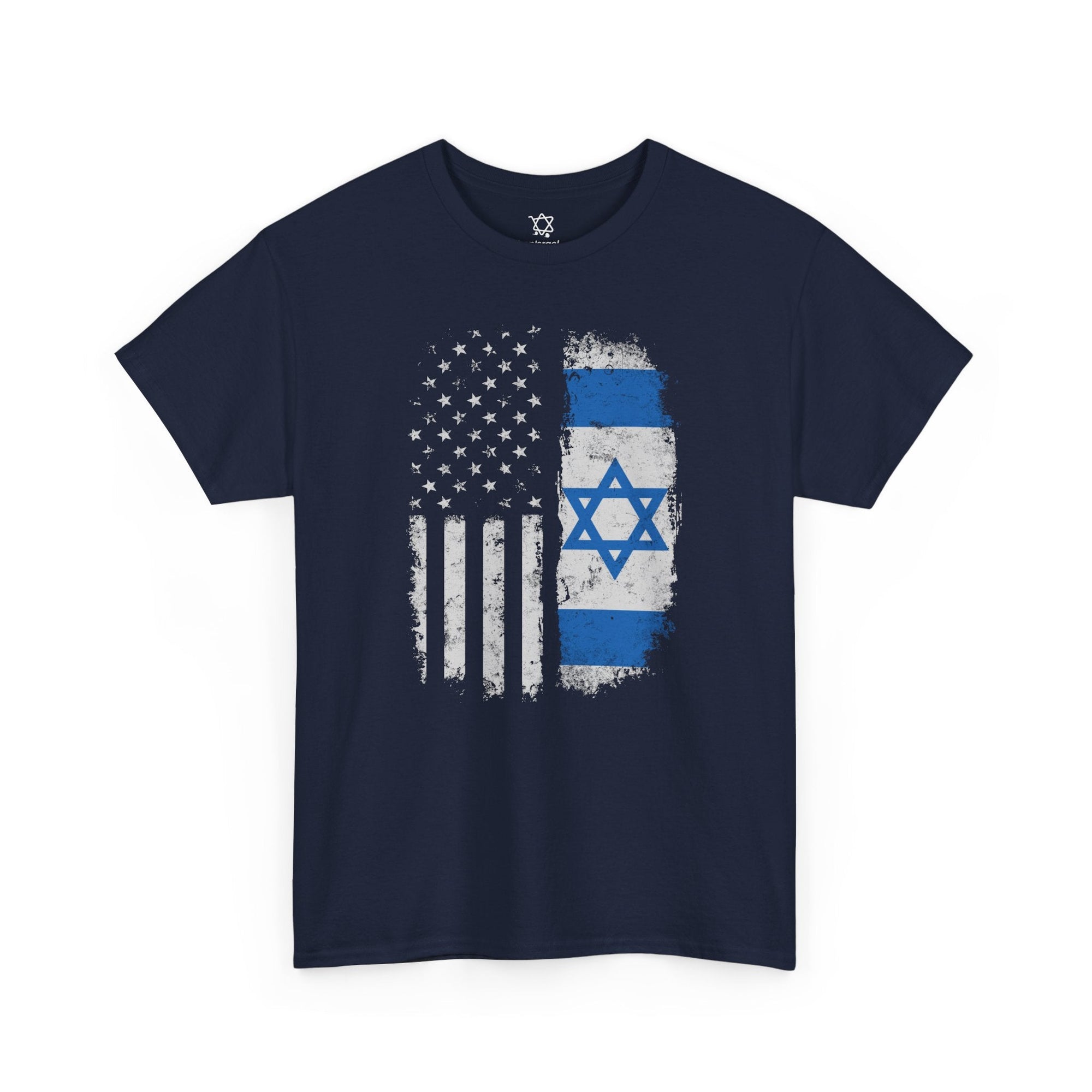
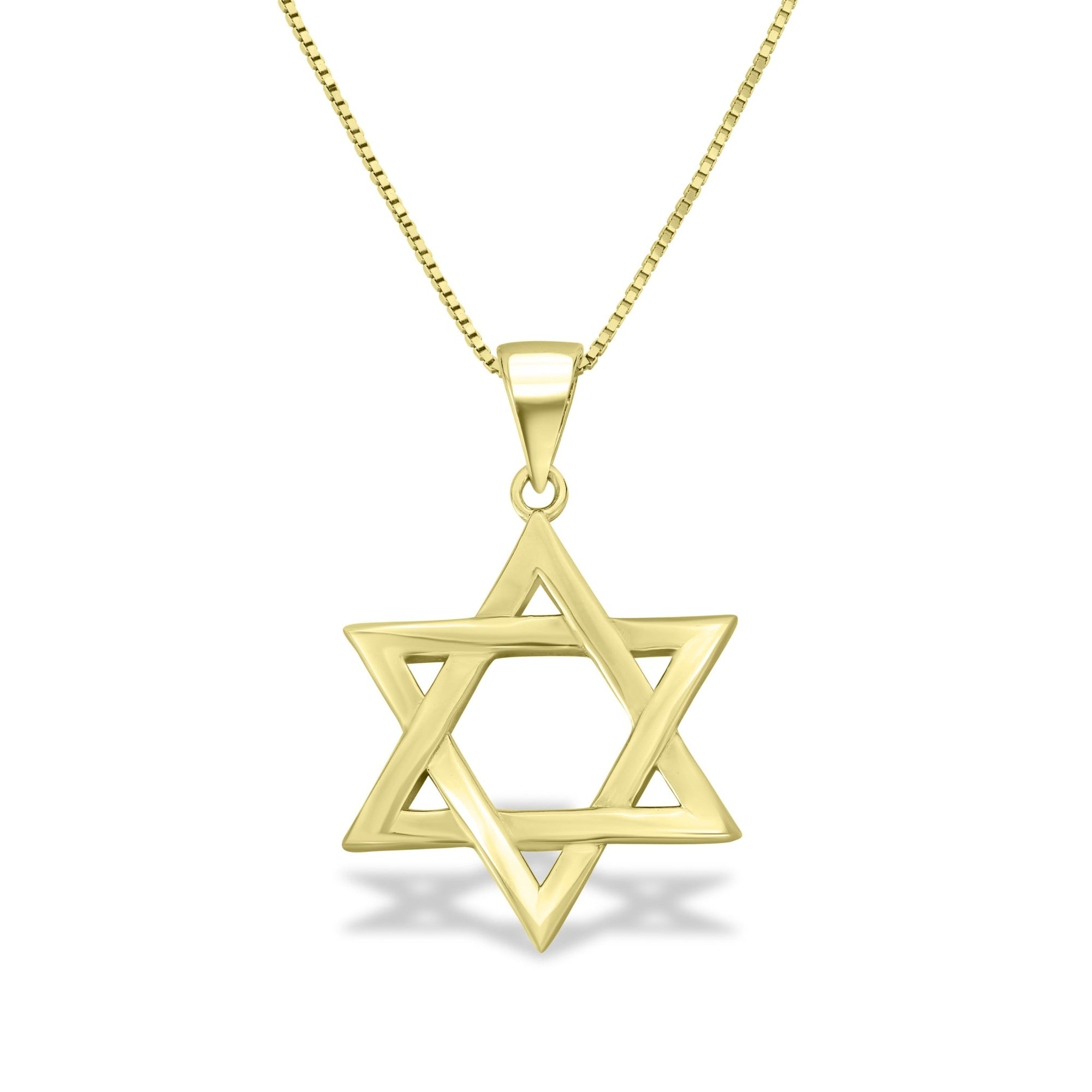
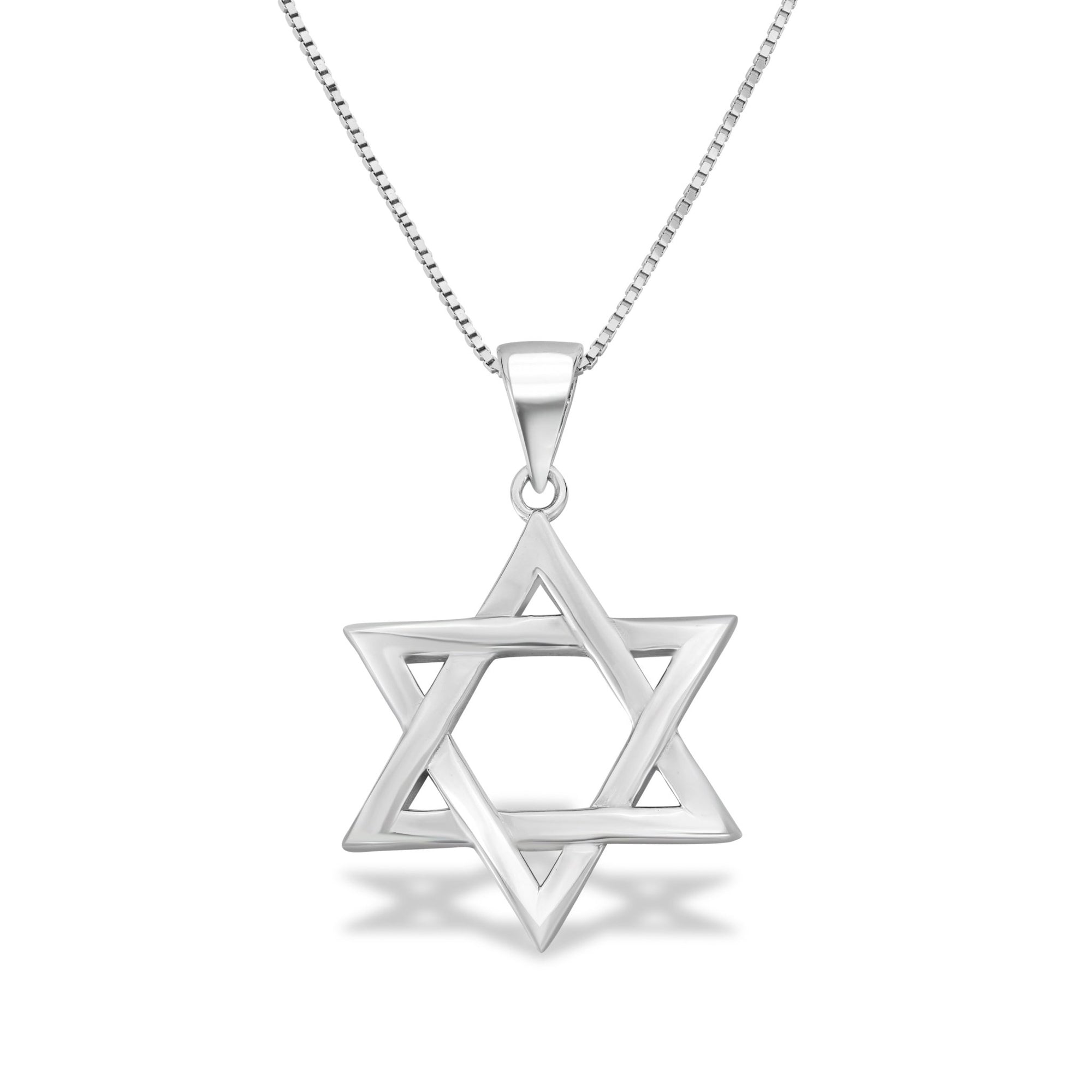
You do not need a runway ticket to connect to any of this. The same throughline, heritage motifs meeting modern design, shows up in everyday wearable pieces: hamsa and Star of David symbolism, desert and embroidery-inspired detailing, and apparel that states Israeli identity plainly rather than abstractly. Shop Israel's Star of David jewelry collection carries that same idea forward in a more accessible form, from delicate everyday necklaces to statement pieces, letting you carry a piece of that design lineage without needing a fashion-week budget.
Related
- Symbolism Behind Israeli Jewelry Designs You Should Know
- Israel-Themed Fashion Trends You Should Watch This Year
- Fashion-Forward Israel-Inspired Clothes for the Modern Wardrobe
Last updated July 2026.