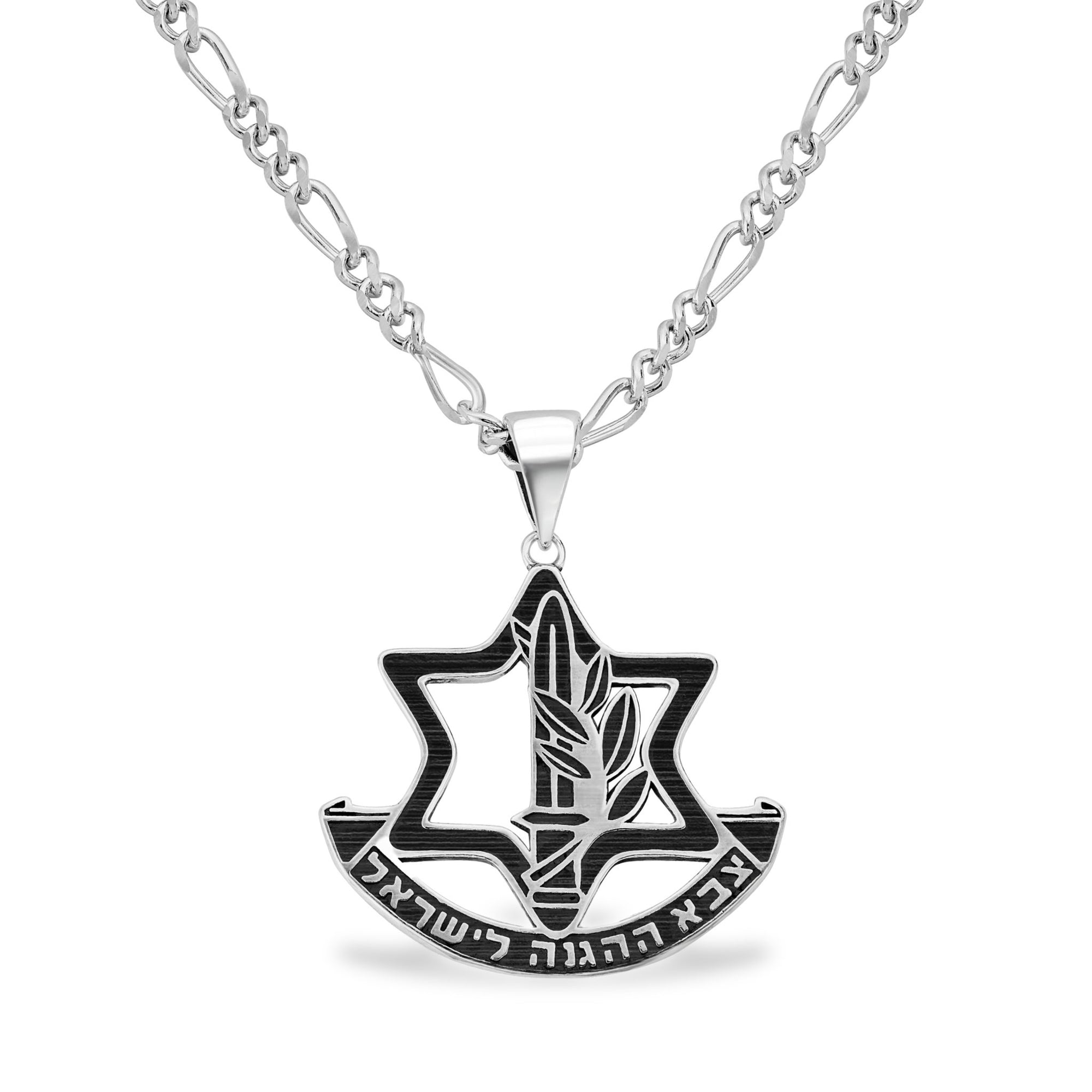


Short answer: Israeli and Jewish cultural jewelry draws on a small set of well-documented symbols, the Star of David (Magen David), the Hamsa hand, the Chai, and the Mezuzah, each carrying real, sourced meaning: identity, protection, life, and connection to home and Torah. The Star of David's documented Jewish use goes back to 1354 Prague, but its role as a near-universal marker of Jewish identity is a later development (17th to 19th century), not ancient. The Hamsa is a shared Jewish, Muslim, and broader Middle Eastern symbol rather than an exclusively Jewish one. Worn as necklaces, rings, and bracelets, these pieces remain some of the most recognizable, gift-friendly ways to express Jewish and Israeli identity.
Where these symbols actually come from
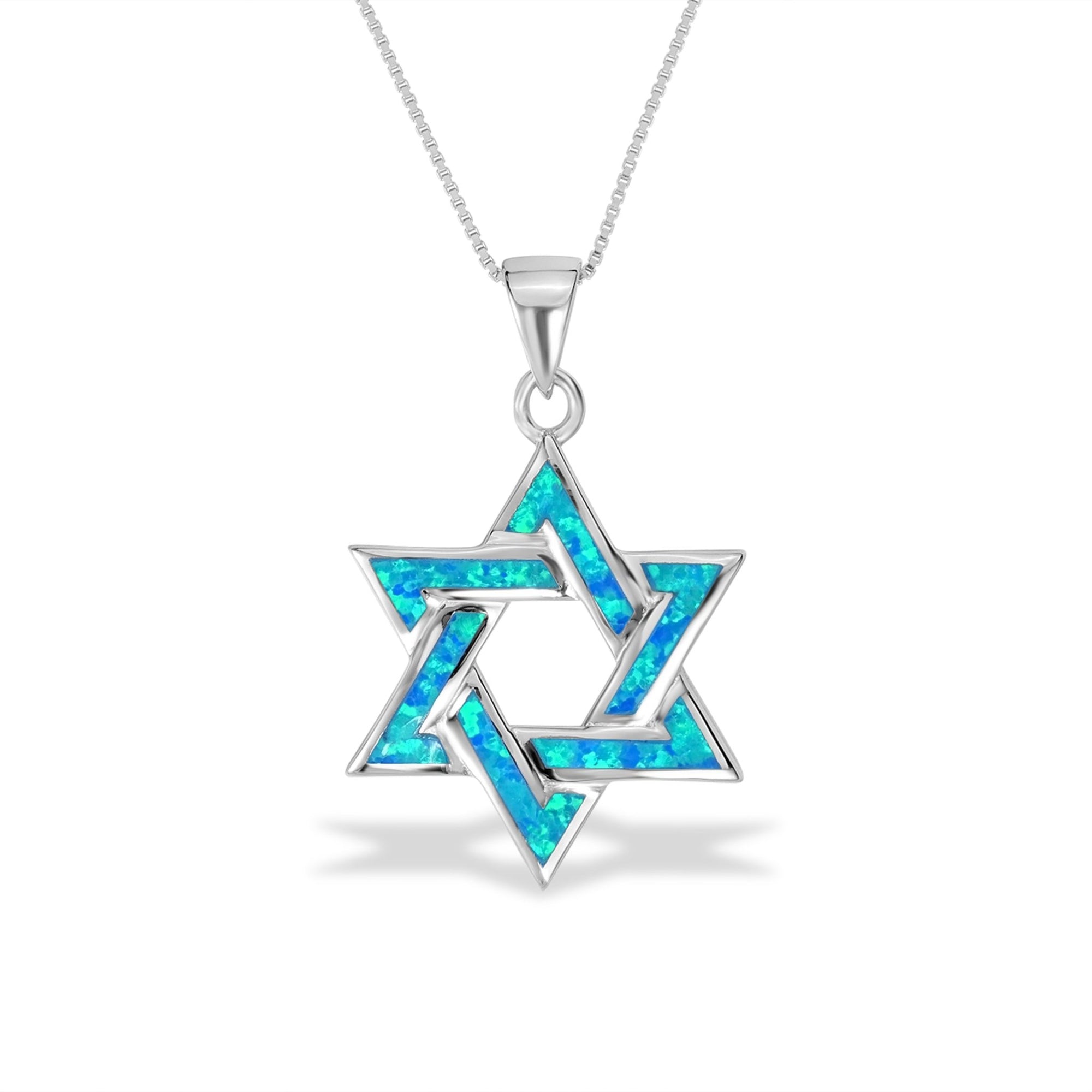
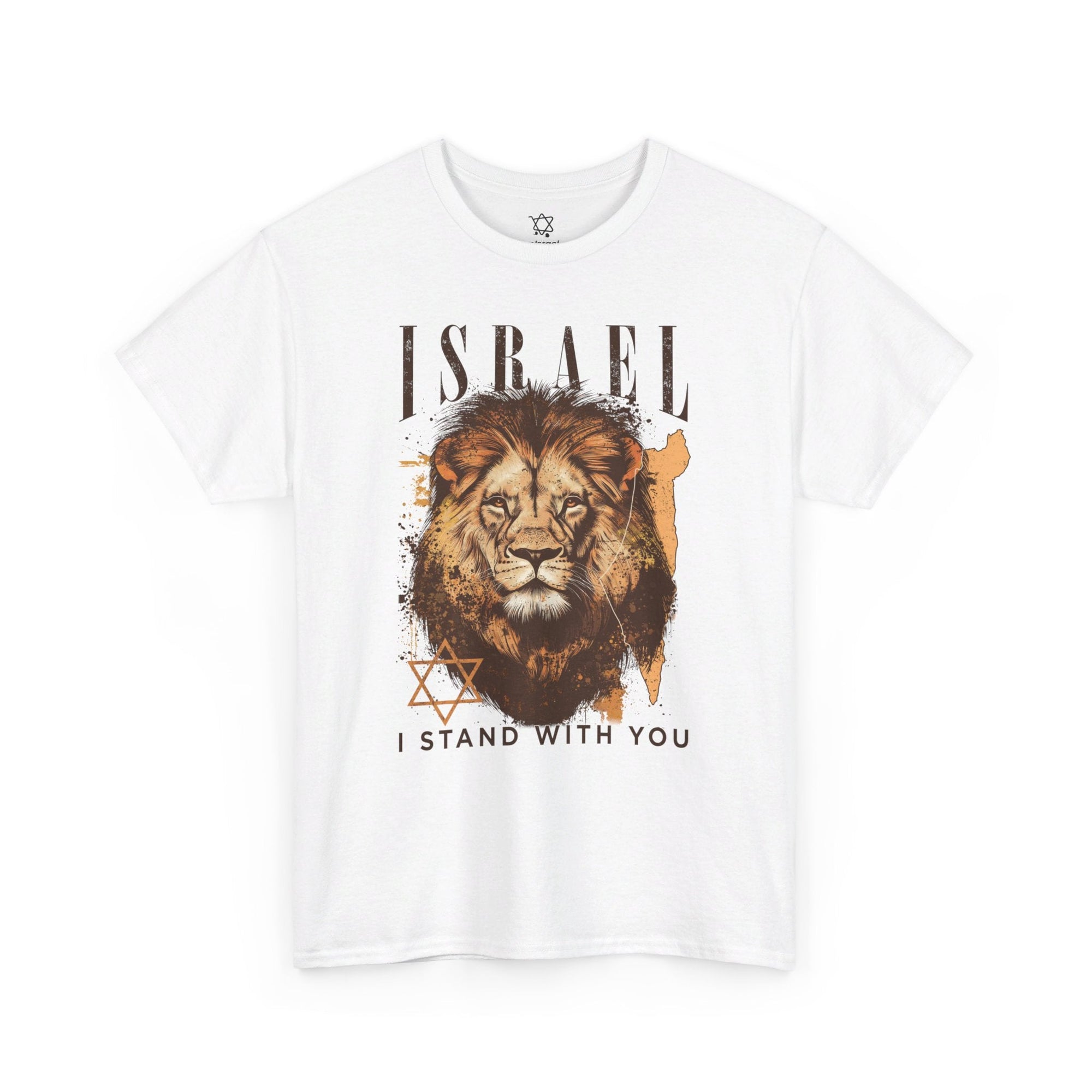
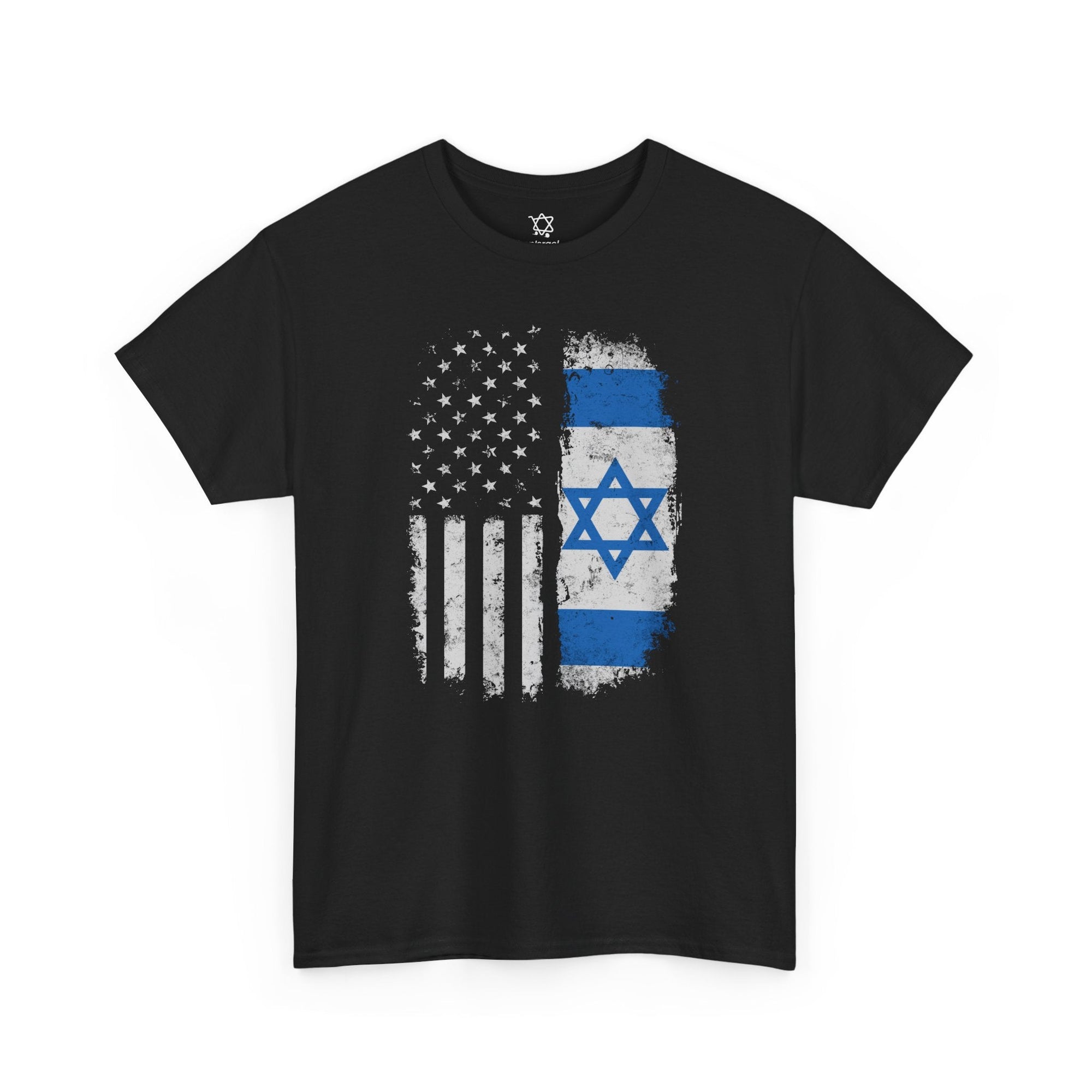
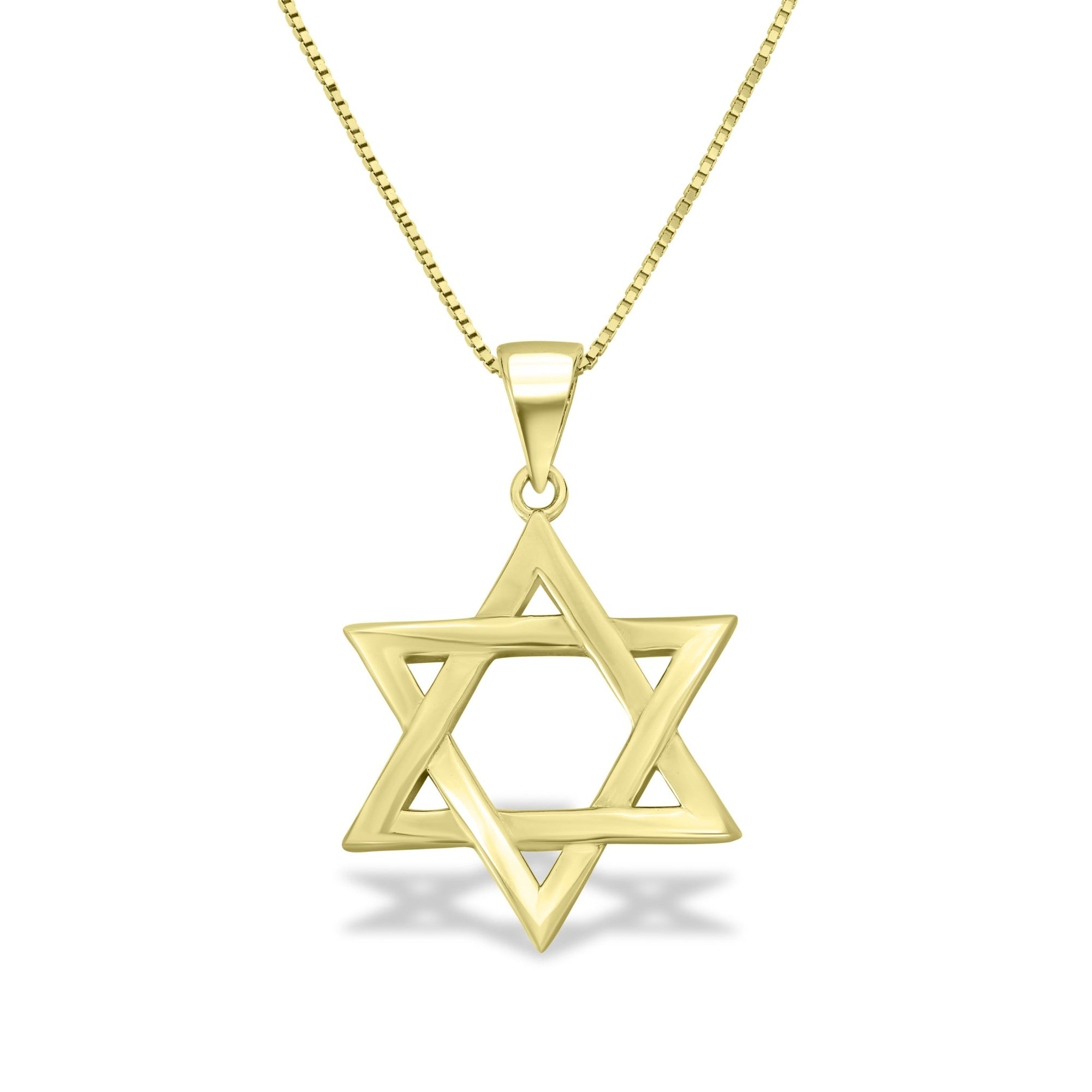
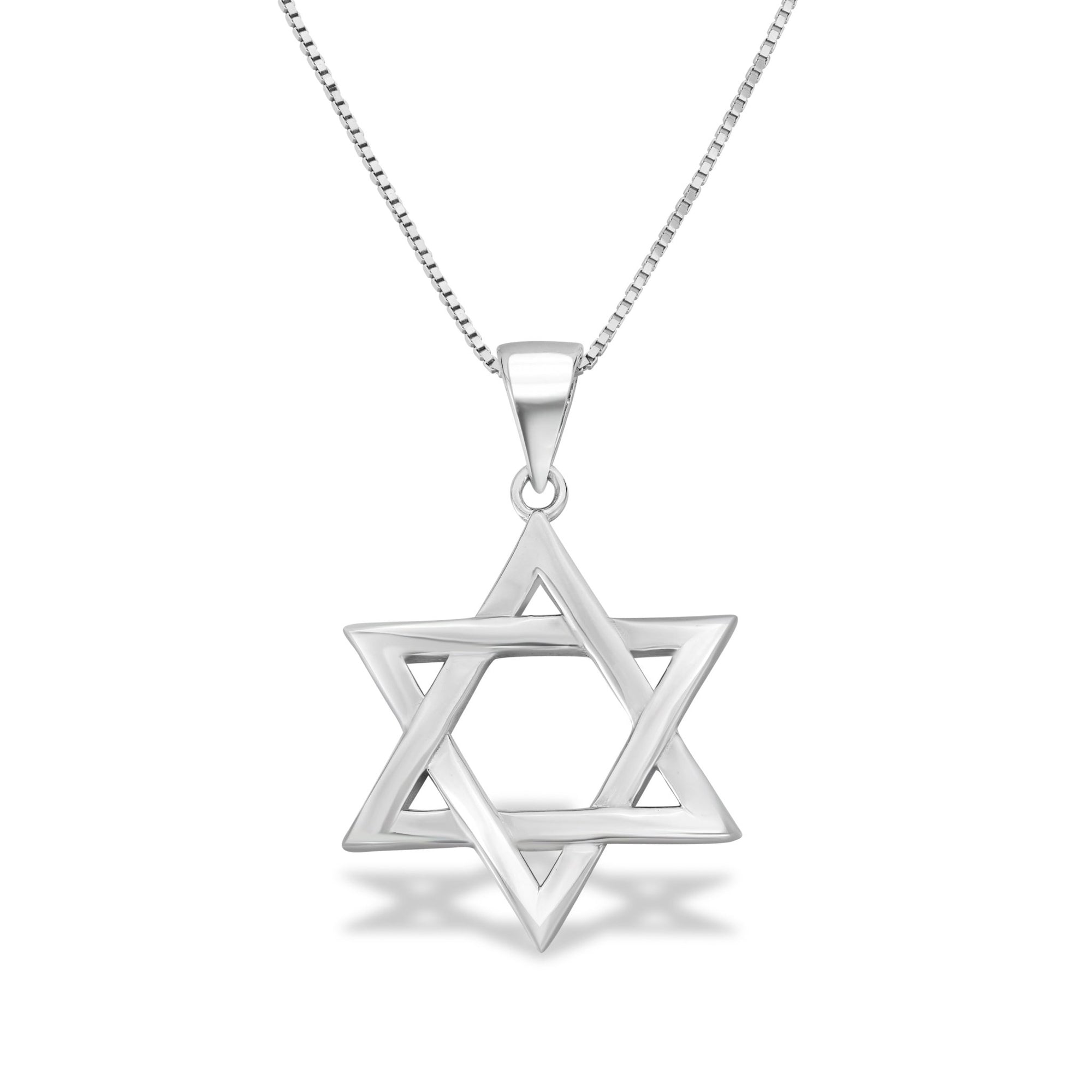
The Star of David feels ancient to most people who wear it, but the historical record tells a more specific story. According to Wikipedia, the earliest documented use of the hexagram as a specifically Jewish symbol dates to 1354, when King Charles IV of Bohemia granted the Jews of Prague a flag bearing the six-pointed star. Vienna's Jewish quarter adopted its own hexagram seal roughly 300 years later, in the 1650s, likely modeled on Prague's, and My Jewish Learning notes that during that same 17th-century period the star also became part of synagogue architecture in Europe as well as the Middle East and North Africa. Claims that Jewish communities used it religiously in medieval or biblical times are not backed by solid evidence, a point also noted on Wikipedia. The symbol's modern identity was cemented in 1897, when the First Zionist Congress formally adopted it as the movement's emblem, paving the way for its place on Israel's flag decades later.
The Hamsa has an even older paper trail, but it does not belong to any one faith. My Jewish Learning describes one of the most prominent early appearances of the open-hand motif as the carving on the Puerta Judiciaria (Gate of Judgment) of the Alhambra fortress in Spain, dating to the 14th century, though open-hand imagery itself goes back much further, including Paleolithic hand prints found in caves across several continents. The Arabic word khamsa simply means "five," and the symbol has long been used across the Middle East and North Africa to ward off the "evil eye," embraced by Jewish, Muslim, and Christian communities alike, per My Jewish Learning and Wikipedia. Sephardic Jewish communities in particular have folded it into Judaica and personal amulets for generations, so it is authentically part of Jewish tradition, just not exclusively Jewish in origin.
What Chai and Mezuzah pieces actually mean
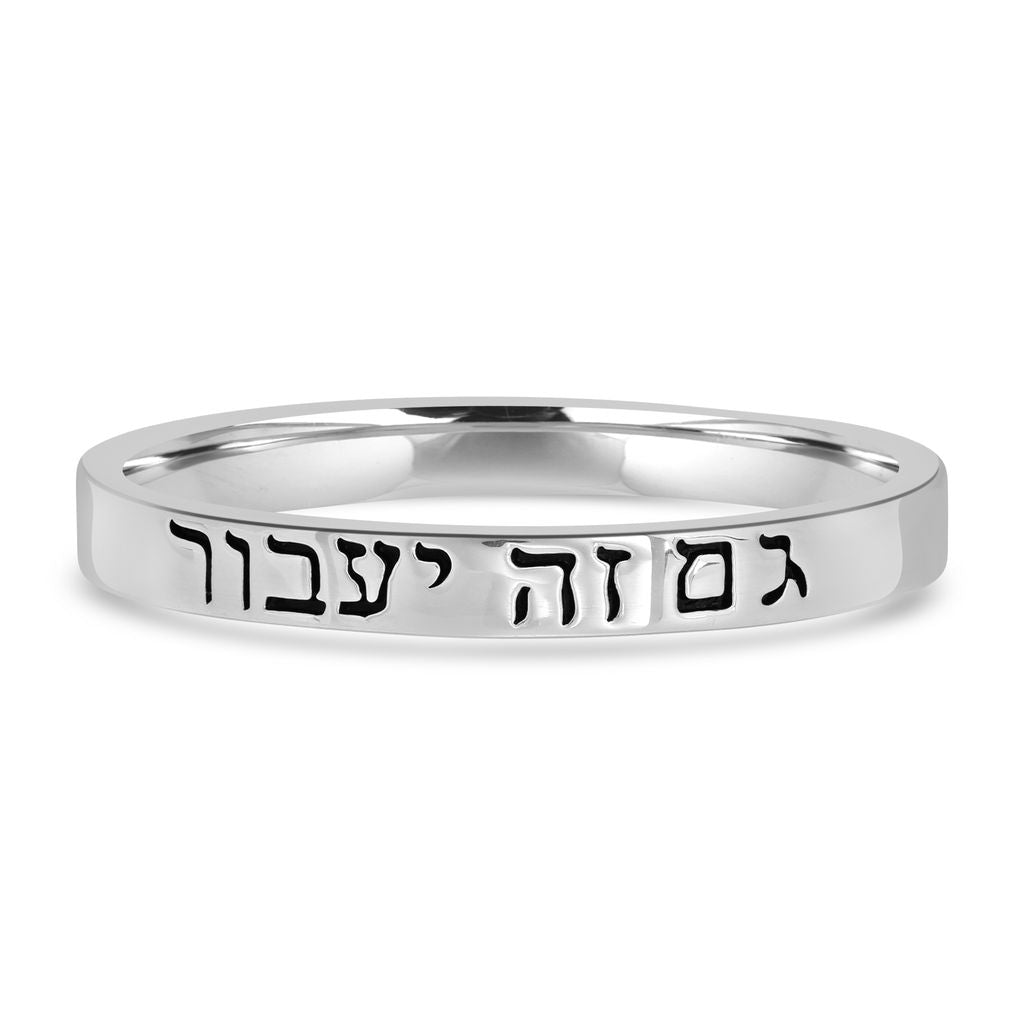
Chai, spelled with the Hebrew letters chet and yud, means "life." In Jewish gematria (the practice of assigning numeric value to Hebrew letters), those two letters add up to 18, which is why gifts of money and jewelry in multiples of 18, along with chai-themed pendants, have become a standing custom for birthdays, bar and bat mitzvahs, and other milestones, as explained by My Jewish Learning. It is a compact way to say "I wish you life" on something worn every day.
A related phrase, "Am Yisrael Chai" ("The People of Israel Live"), has its own history: it first appeared in Zionist songbooks around 1895 and became a mass anthem of Jewish resilience after Shlomo Carlebach's 1965 song of the same name, written for the Soviet Jewry movement. It is now considered second in importance only to Hatikvah as a Jewish anthem, according to sourcing summarized on Wikipedia, and it continues to appear on jewelry and apparel as an expression of solidarity.
Mezuzah jewelry deserves one honest clarification. A mezuzah, in Jewish law, is a hand-written parchment scroll containing specific Torah verses (Deuteronomy 6:4-9 and 11:13-21), prepared by a certified scribe (sofer stam) and affixed to a doorpost, per Wikipedia and standard halachic sources. A mezuzah-shaped pendant is a meaningful, symbolic nod to that mitzvah, not a substitute for it, since it does not contain a kosher scroll. Worn as jewelry, it still communicates the same idea: a connection to home, protection, and Torah, just decoratively rather than ritually.
Choosing a piece that fits the meaning
Because these symbols carry distinct, specific meanings, the right piece often depends on the message someone wants to send. A Star of David necklace speaks to Jewish and Israeli identity in its modern, national sense. A Hamsa pendant leans toward protection and well-wishing, appropriate as a gift across Jewish and interfaith friendships alike. A Chai piece, especially given in a set of 18, is a natural choice for a milestone birthday or bar or bat mitzvah. Shop Israel's Jewish Symbols Jewelry collection groups pieces built around the Star of David, Hamsa, and Chai together, which makes it easier to browse by the meaning you are looking for rather than by style alone, and each piece works equally well as a personal, everyday reminder or as a considered gift for someone marking a Jewish or Israeli milestone.
Related
- Symbolism Behind Israeli Jewelry Designs You Should Know
- 6 Unique Jewelry Designs Inspired by Israeli Culture and Symbols
- Jewelry Inspired by Icons of Israeli Culture and Symbolism
Last updated July 2026.