

Short answer: Jewish festivals such as Passover, Rosh Hashanah, Yom Kippur, Sukkot, Hanukkah, and Purim each carry documented customs (menorah lighting, shofar blowing, the four species, festive meals), and the accessories tied to them, Star of David jewelry, menorahs, and Hebrew-script pieces, carry real, sourced histories that connect them to Jewish identity and to Israel itself. Wearing or displaying these symbols during the holidays is not a marketing invention; it is a continuation of practices and meanings that go back centuries.
The customs behind the calendar
Each Jewish festival has its own well-documented rituals, and accessory traditions often grow directly out of them. The Hanukkah menorah (technically a chanukiah, distinct from the seven-branch Temple menorah) is lit nightly in the home, and Jewish sources describe the practice as marking the home itself as sacred space, similar in function to a mezuzah on the doorpost (My Jewish Learning). That is part of why menorahs remain a staple gift and decor item every Hanukkah, not just a decorative object.
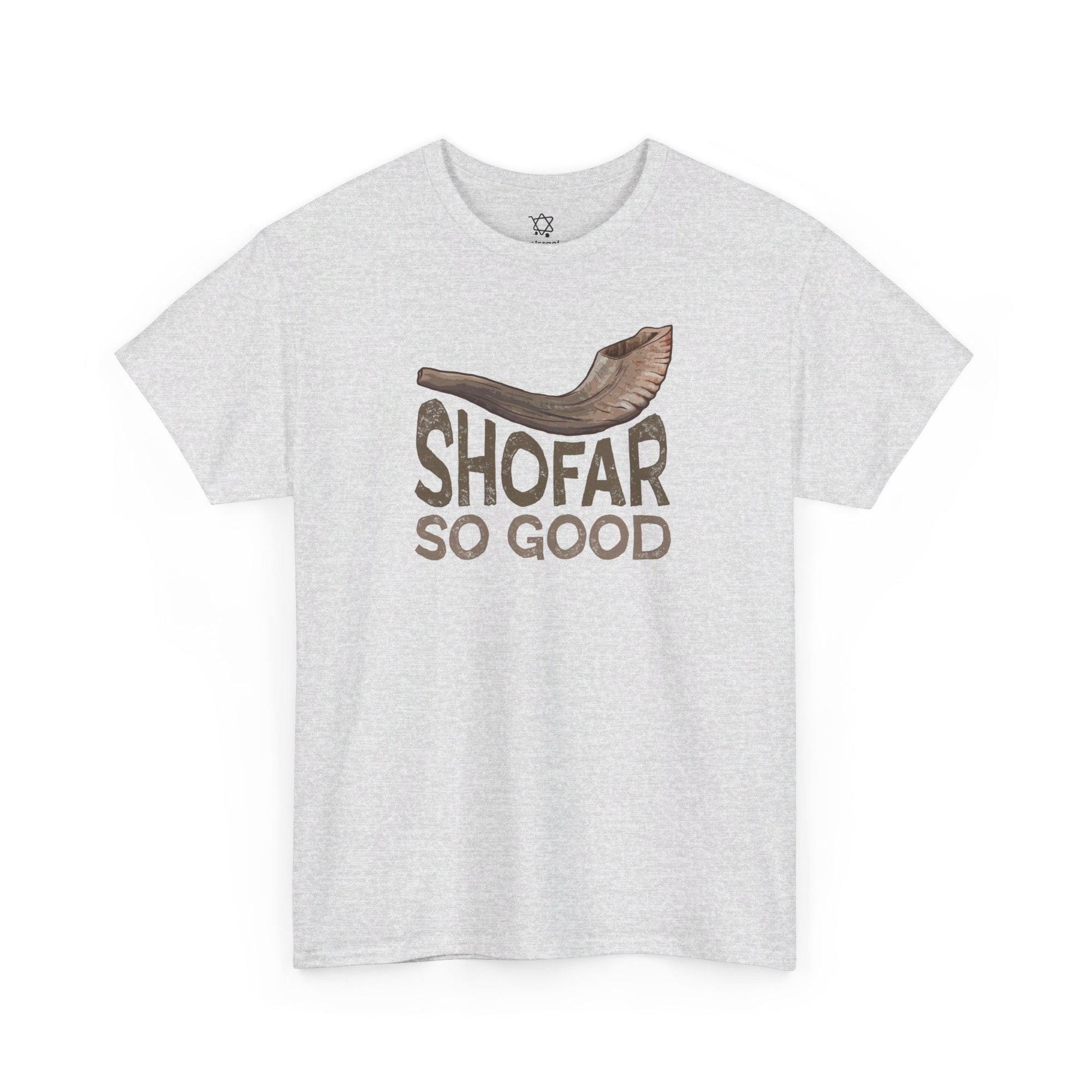
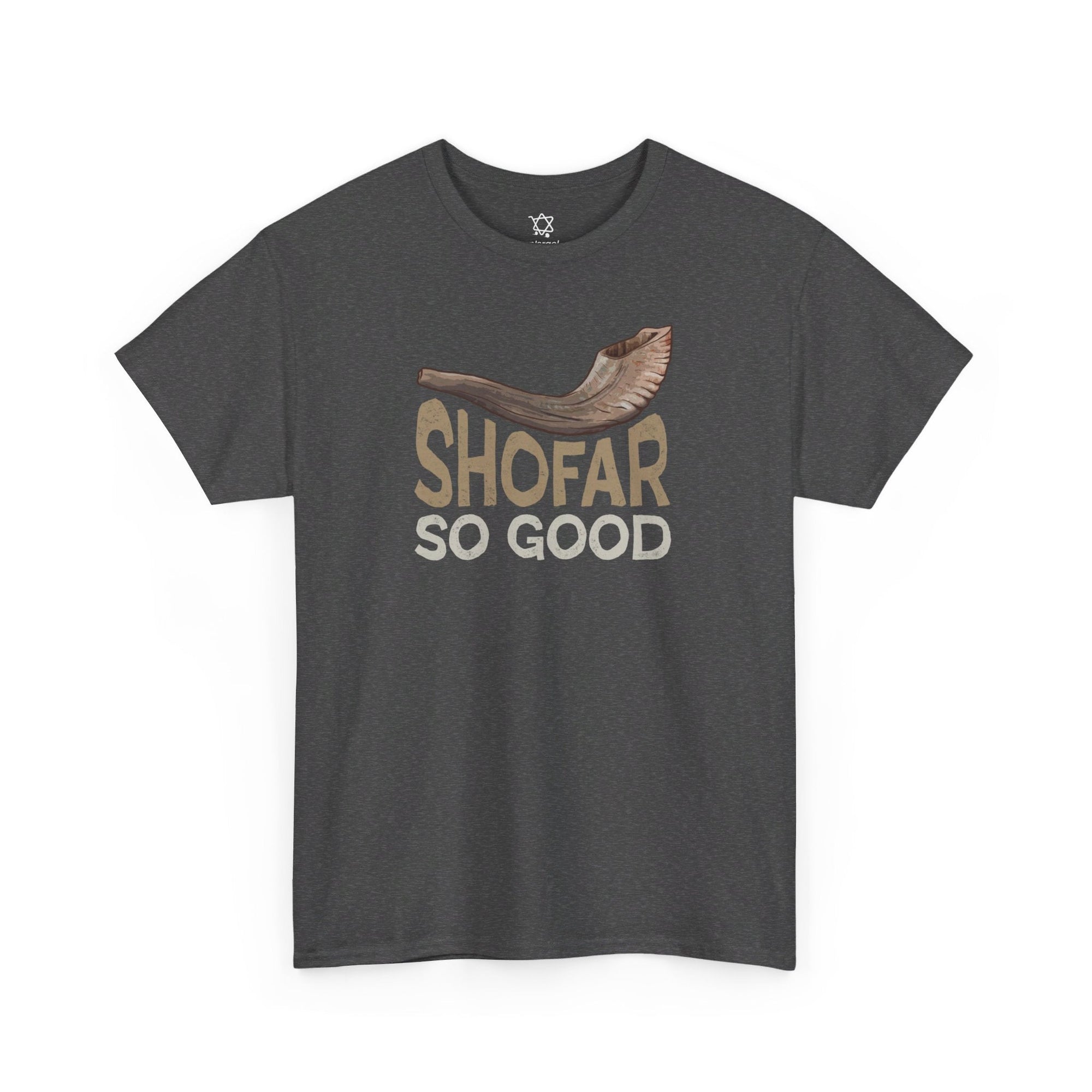
The shofar, a hollowed and polished ram's horn, is blown throughout the month of Elul, during Rosh Hashanah services, and at the close of Yom Kippur (My Jewish Learning), a calendar-recurring custom specific to the High Holidays. Sukkot centers on the lulav and etrog, the "four species" held and waved daily, which sourced text describes as symbolizing "the bounty of the Holy Land" (My Jewish Learning), the most direct textual link between a festival ritual and the land of Israel itself.
Why the Star of David and menorah carry real meaning
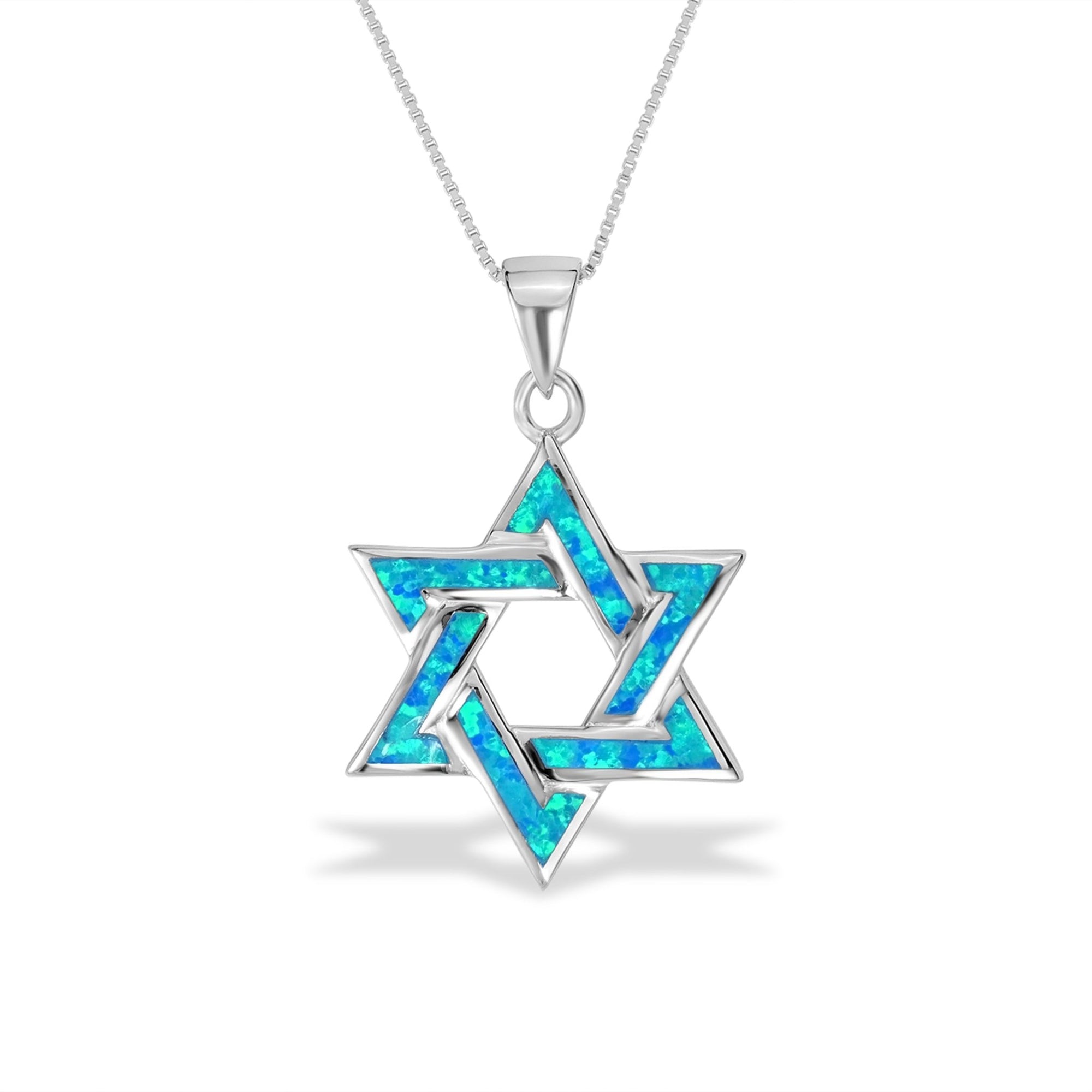
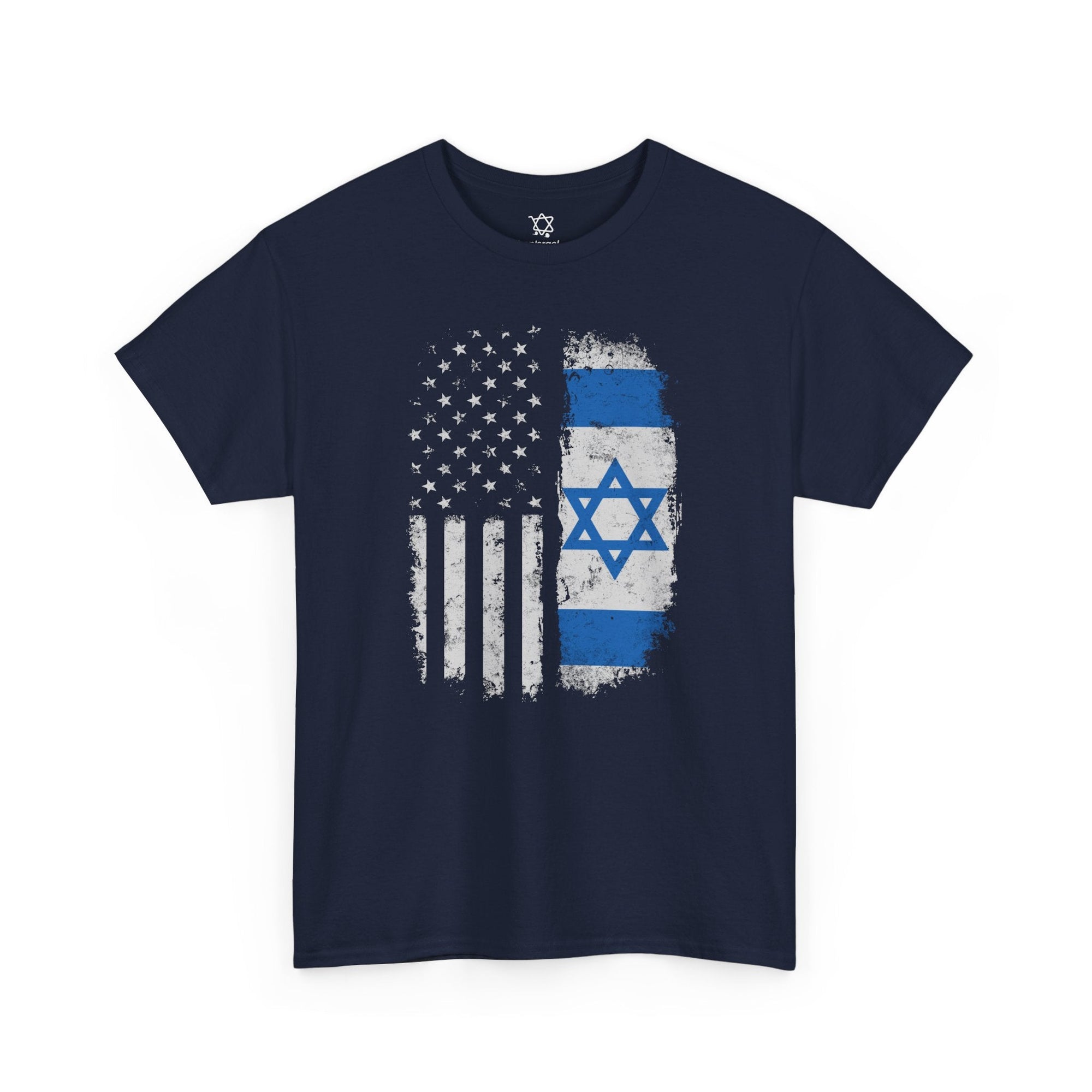
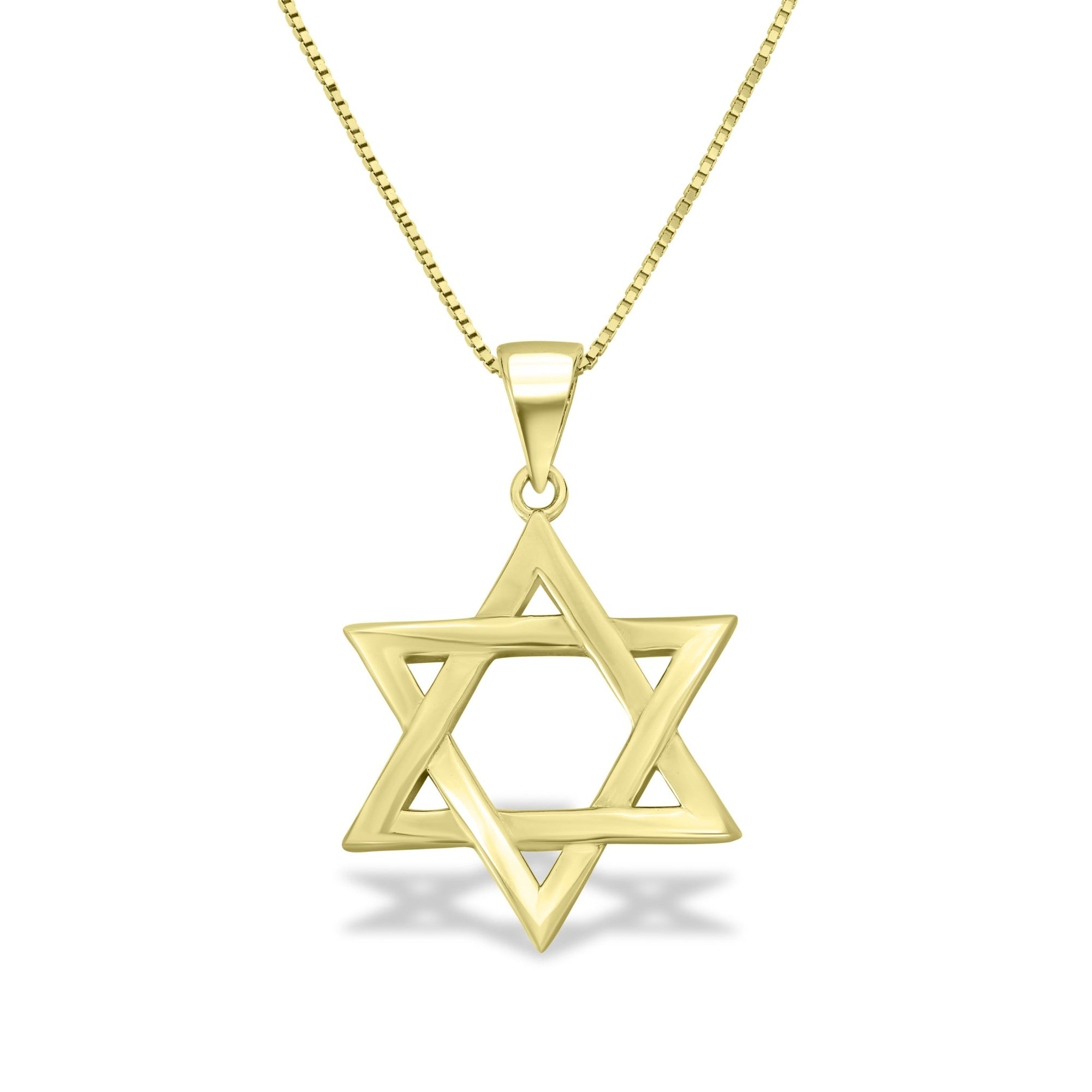
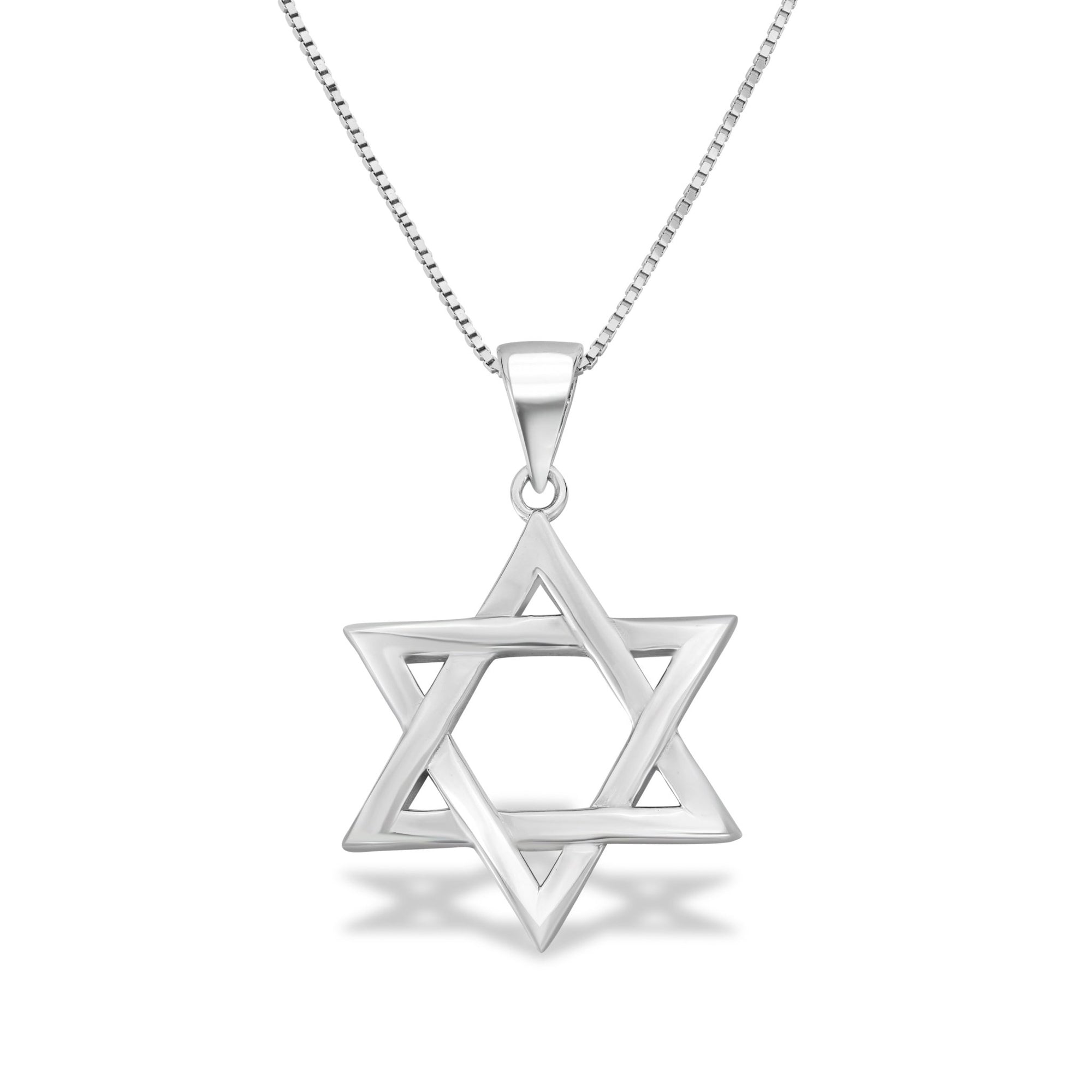
The two symbols most common in Israel-inspired jewelry and Judaica both have documented histories rather than invented ones. The earliest confirmed tie between the six-pointed star and Jewish communal identity dates to 17th-century Vienna, where it marked the city's Jewish quarter. It was formally adopted as the symbol of the Zionist movement at the First Zionist Congress in 1897, which is why it later appeared on Israel's flag and remains central to Jewish jewelry, Judaica, and even Magen David Adom, Israel's emergency medical service, today (My Jewish Learning).
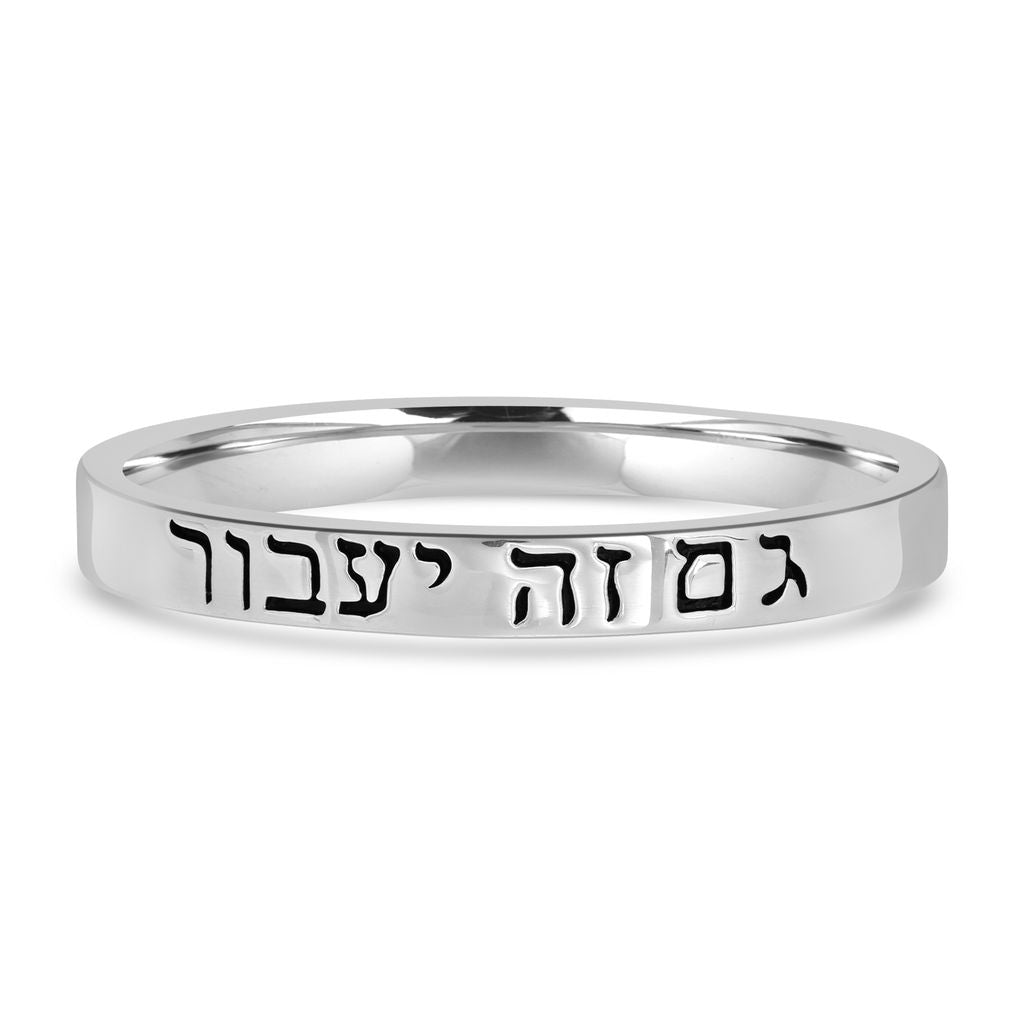
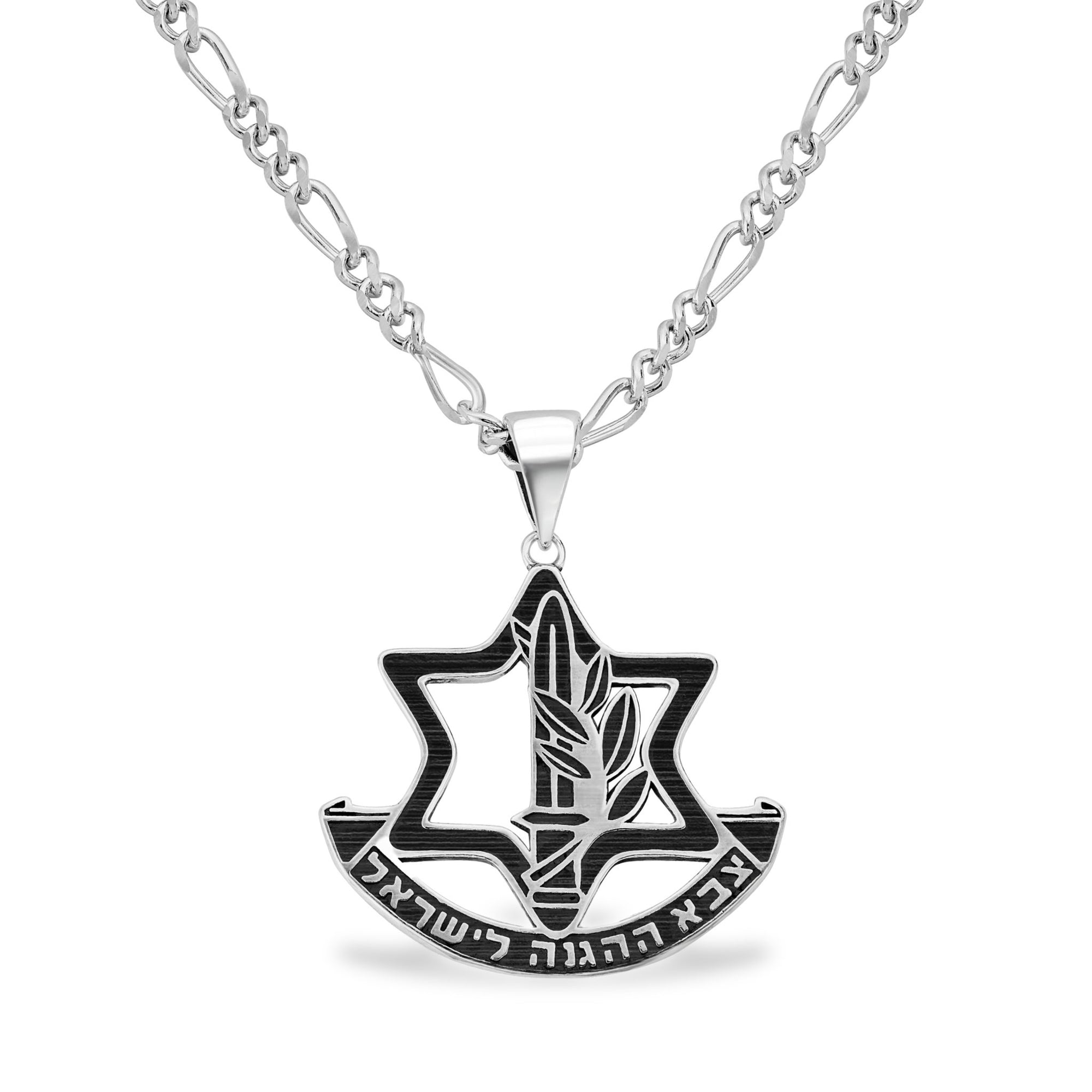
Israel also has an active, internationally recognized jewelry-design industry that produces exactly this kind of piece. The Times of Israel has profiled designers like Dana Rogozinski, whose line honors her Holocaust-survivor grandparents, and covered established Israeli jewelry houses such as Yvel (the Times of Israel). That gives genuine grounding to Israel-inspired Star of David pendants, Hebrew-inscription pieces, and menorah-themed Judaica as a real category of craftsmanship, not just seasonal merchandising.
Choosing accessories for each holiday
Because the customs differ by festival, the right accessory often follows the ritual. For Rosh Hashanah and Yom Kippur, shofar-themed pieces and Star of David jewelry nod to the shofar's role and the reflective tone of the season; a browse through Rosh Hashanah gift picks shows how that plays out in practice, alongside Star of David jewelry for everyday wear that carries the same symbolism year-round. For Hanukkah, menorahs and dreidel-adjacent decor lean into the home-centered lighting ritual, while Sukkot and Passover gifts tend toward tableware and land-of-Israel imagery that echoes the four species and the festive meal. Purim, by contrast, leans playful, with costume accessories and lighter Star of David pieces fitting the holiday's tone.
None of this requires guessing at meaning. The customs are documented, the symbols have sourced histories, and the gift categories map onto real Jewish practice rather than generic holiday branding.
Related
- Hanukkah Specials: Israel-Inspired Apparel and Accessories
- Symbolism Behind Israeli Jewelry Designs You Should Know
- 7 Must-Have Holiday-Themed Israel Merchandise Items for Jewish Celebrations
Last updated August 2026.