

Introduction to the Star of David as a Cultural Symbol
Basic Description of the Star of David
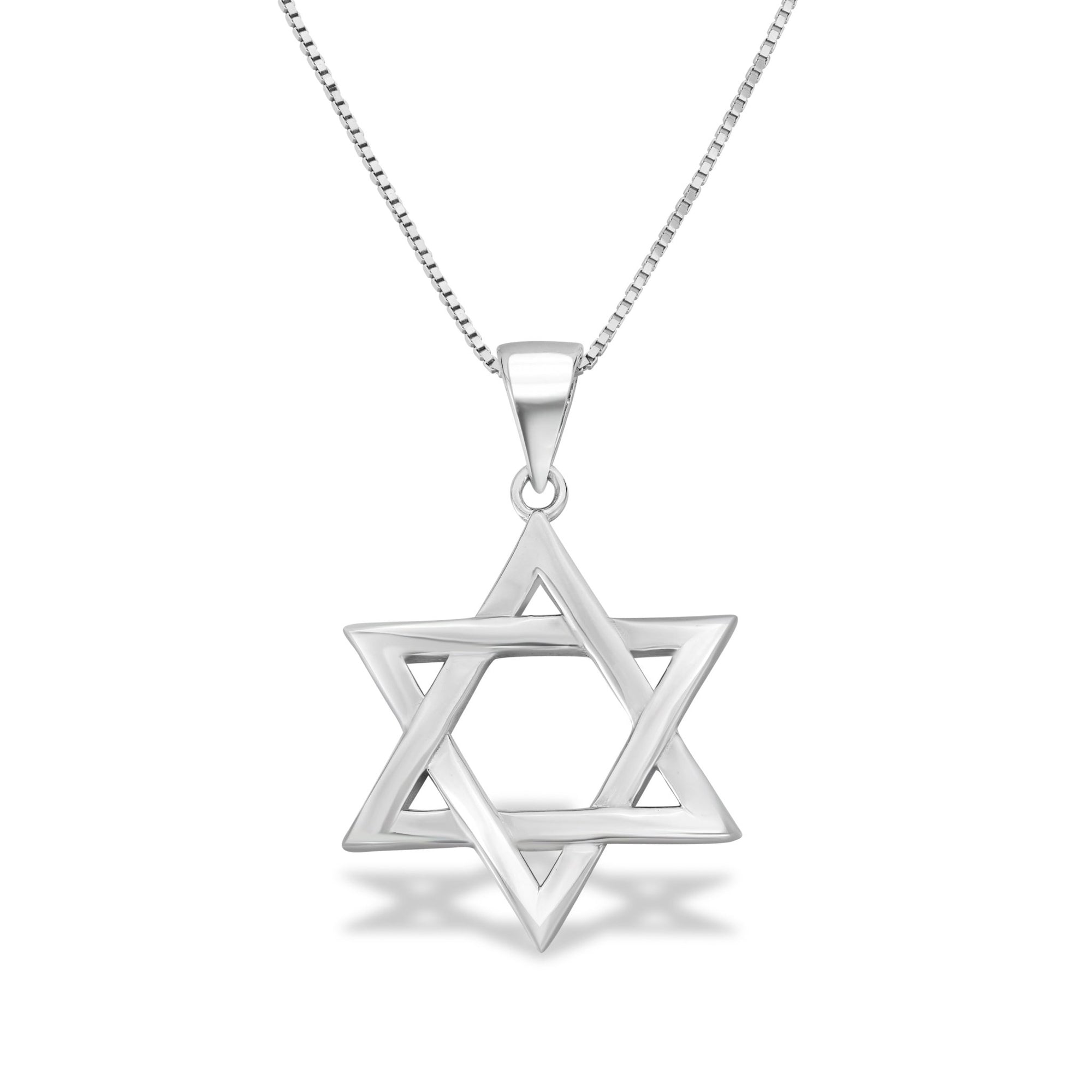
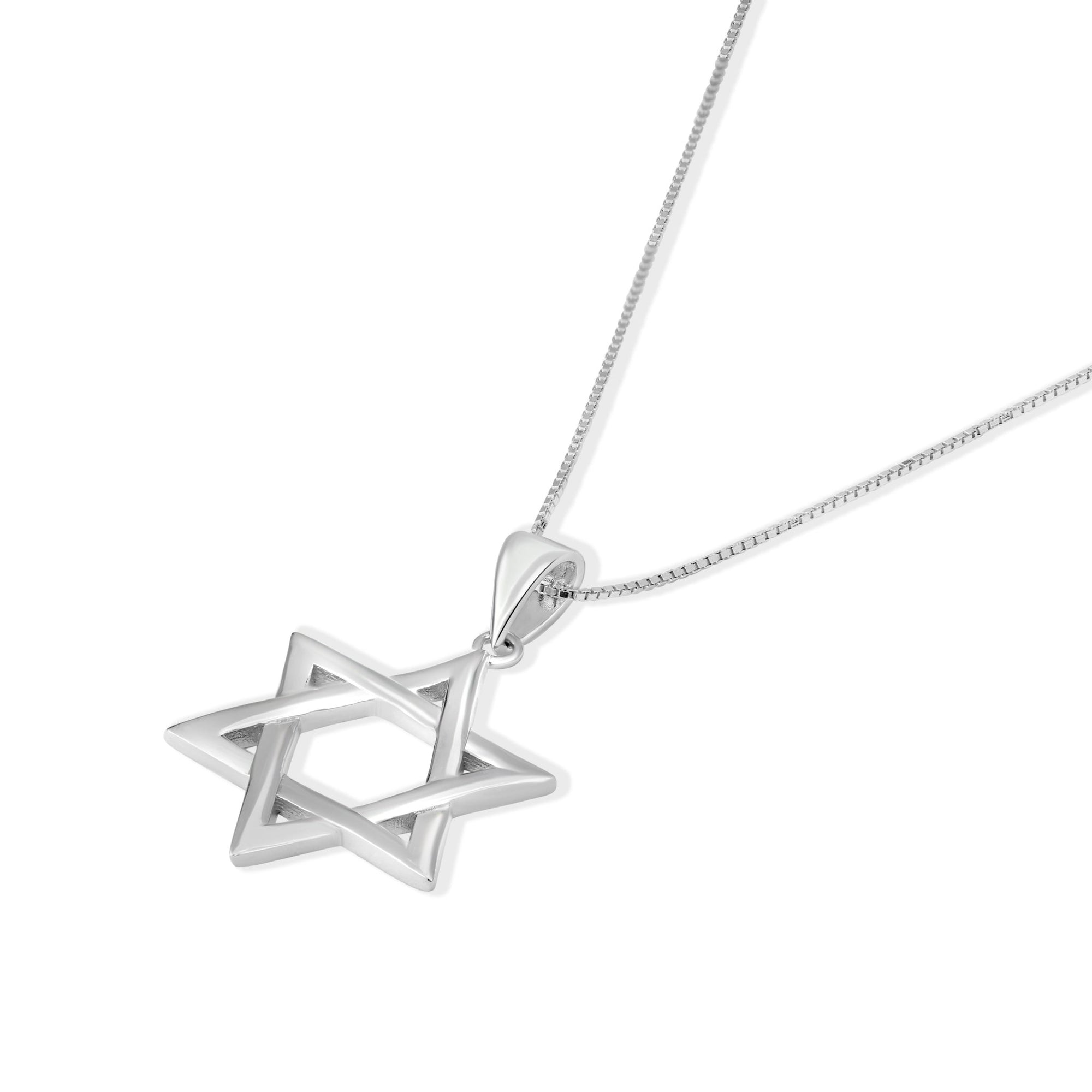
The Star of David, known in Hebrew as the Magen David or "Shield of David," is a six-pointed star formed by two overlapping equilateral triangles. This hexagram creates a balanced, symmetrical design that has become one of the most recognizable symbols connected to Judaism.
Its Significance to Judaism and Israel
Although the Star of David's origins predate Judaism and appear in various cultures, it gained distinct Jewish significance in the Middle Ages and became a symbol of Jewish identity by the 19th century. It represents God's presence in all six directions—north, south, east, west, up, and down—signifying divine protection and unity.
The symbol was embraced by the Zionist movement and was prominently featured on the flag of Israel after the state's establishment in 1948. This has made the Star of David not only a religious emblem but also a national symbol of Jewish pride and perseverance.
Connection to Identity and Heritage
The Star of David acts as a powerful marker of Jewish identity, tradition, and heritage. It appears on synagogues, religious objects, and jewelry, serving as a daily reminder of faith and community. Having endured periods of persecution—including its enforced display during the Holocaust—the star today embodies resilience, hope, and a deep sense of belonging for Jews worldwide.
Historical Origins and Evolution of the Star of David Symbol
What is the historical background of the Star of David?
The Star of David, known in Hebrew as Magen David or 'Shield of David,' is a six-pointed star formed by two overlapping equilateral triangles. This hexagram first appeared as a decorative geometric motif in various ancient cultures, dating back to at least the 6th century BCE. It was used not only in Jewish contexts but also across pagan, Islamic, Hindu, and Buddhist traditions. For example, in Islamic culture, the hexagram is known as the 'Seal of Solomon' and features on mosques and even the Moroccan flag until 1945. In Hinduism and Buddhism, it symbolizes harmony and fortune, and in alchemy, it represents the four elements and balance.
The earliest Jewish uses of the hexagram trace back to the 3rd and 4th centuries CE, appearing on synagogue artifacts and manuscripts such as the Leningrad Codex of 1008 CE. However, the symbol was not immediately identified uniquely with Judaism. It was in the 14th century that the Jewish community in Prague officially adopted the Star of David for their flag, marking its rise as a communal emblem.
The term Magen David—or 'Shield of David'—first appears in early Jewish texts and prayer books, symbolically linking the star to King David. The name emphasizes divine protection rather than historical usage on his shield, as no archaeological evidence supports the latter. In Kabbalistic Jewish mysticism, the interlocking triangles represent the intertwined spiritual and earthly realms, and the reciprocal relationship between God and humanity.
By the 17th century, the Star of David was widely recognized in synagogues across Europe and subsequently embraced by the Zionist movement in the late 19th century, culminating in its place on the flag of Israel in 1948. Despite its cross-cultural origins, today the Star of David stands as a powerful symbol of Jewish identity, unity, and resilience.
Symbolism Embedded in the Star of David's Design

What does the Star of David symbolize?
The Star of David, also known as Magen David or Shield of David, is a powerful emblem of divine protection, unity, and balance. Its geometric structure—a six-pointed star formed by two overlapping equilateral triangles—holds profound spiritual interpretations.
Geometric Structure and Spiritual Interpretation
The star's two interlocking triangles symbolize a harmonious balance of opposites. One triangle points upward, representing the divine, heaven, and God's kindness. The other points downward, standing for humanity, earth, and human deeds. This duality reflects the reciprocal relationship between God and mankind, a central theme in Jewish mysticism.
The Six Points Symbolizing God's Presence in All Directions
Each of the six points of the Star of David represents one of the six directions God’s presence fills: north, south, east, west, up, and down. This expresses an all-encompassing divine protection, reminding wearers and observers of God’s omnipresence and guardianship.
Kabbalistic Meanings Related to Sefirot and Divine Attributes
In Kabbalah, the star is linked to the six sefirot or divine attributes, symbolizing aspects of God's interaction with the world. The center, the seventh point, often signifies the divine source connecting all. This ties the symbol to spiritual growth, balance, and the continuous flow of divine energy into creation as explained in the Kabbalistic teachings.
Philosophical Interpretations by Franz Rosenzweig and Others
The renowned philosopher Franz Rosenzweig offered a rich interpretation, identifying the points as representations of creation, revelation, redemption, man, world, and God—capturing the cosmic relationship between the divine and human realms, featured in detailed Star of David symbolism.
This multifaceted symbolism imbues the Star of David with profound meaning, making it not only a cultural and religious emblem but also a spiritual guide that inspires faith, protection, and harmony.
The Star of David’s Role in Jewish Identity and Cultural Resilience
How has the Star of David contributed to Jewish identity?
The Star of David, or Magen David, emerged as a powerful symbol of Jewish identity beginning in the 17th century. Jewish communities, notably in Prague, officially adopted the six-pointed star for their flags, marking a unifying emblem for Jewish life in Europe.
During the Holocaust, the symbol took on a heartbreaking yet resilient meaning. The Nazis forced Jews to wear a yellow Star of David badge, branding them for persecution. Despite this dark period, the star was reclaimed by survivors and the broader Jewish community as a symbol of strength, defiance, and survival.
Following World War II, the Star of David was formally incorporated into the flag of the newly established State of Israel in 1948. This cemented its role not only as a religious and cultural icon but also as a national symbol embodying Jewish unity, pride, and faith.
Today, the Star of David is a central motif in Jewish cultural expression. It represents the enduring spirit of the Jewish people, reflecting their history of perseverance, and their commitment to faith and communal identity. Displayed on synagogues, worn as Star of David jewelry, and featured prominently in public life, the Star of David continues to inspire and connect Jewish people worldwide.
Star of David in Jewelry: Forms and Expressions
In what types of jewelry is the Star of David commonly used?
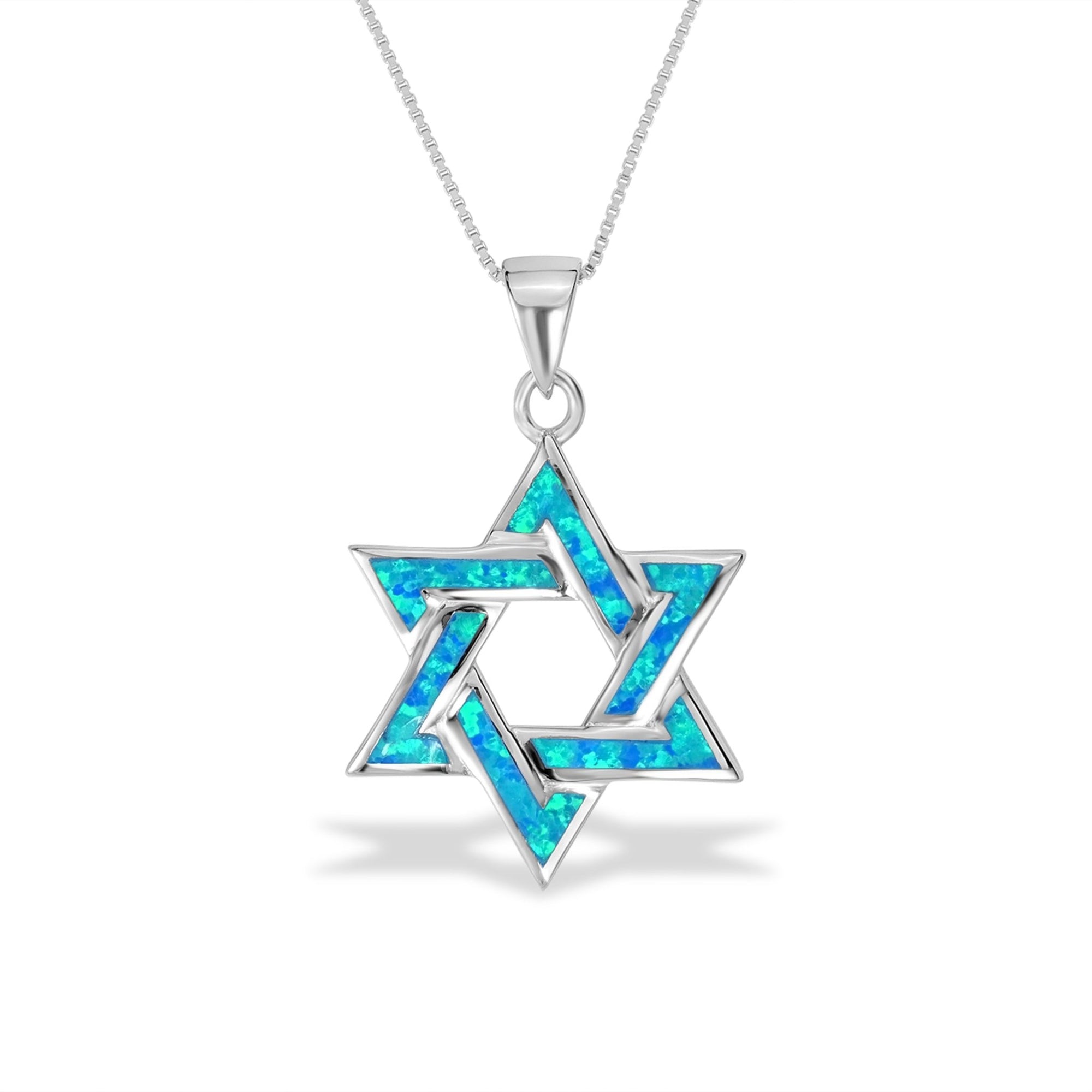
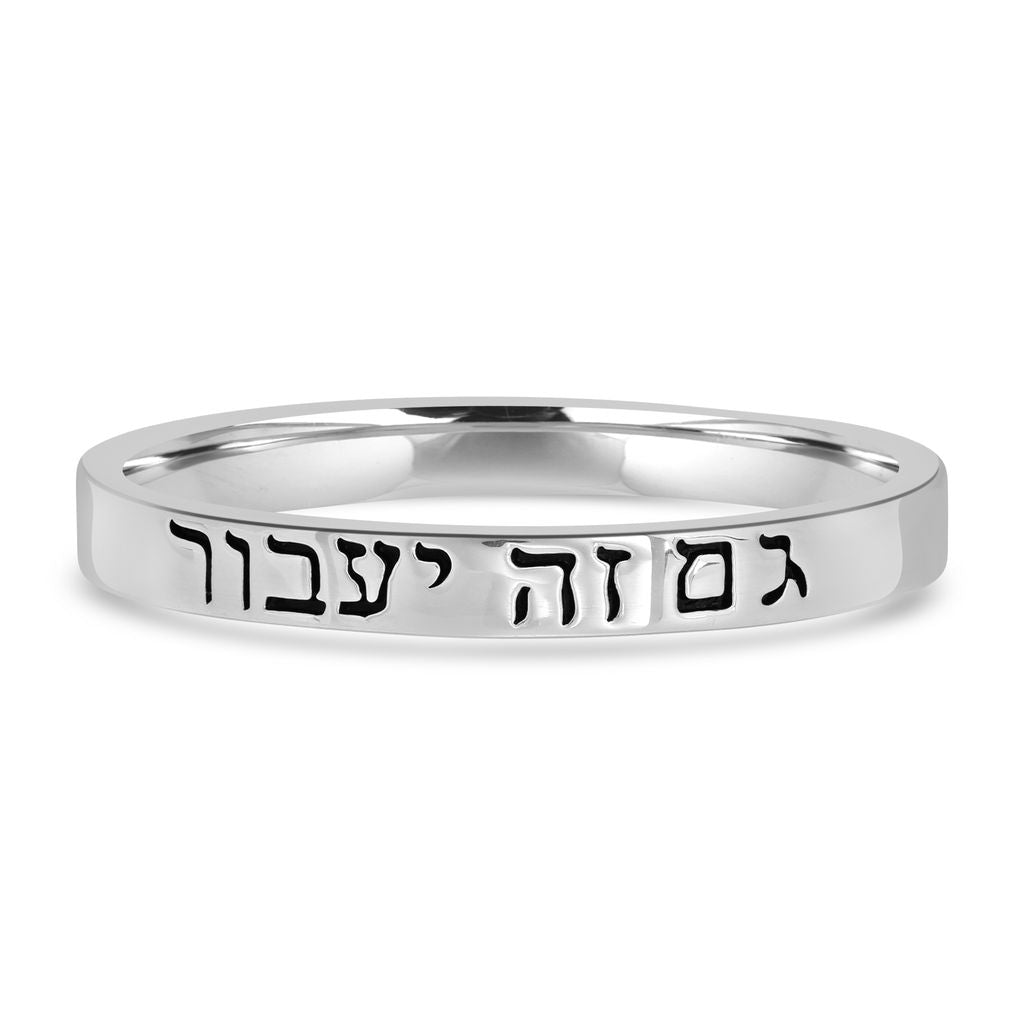
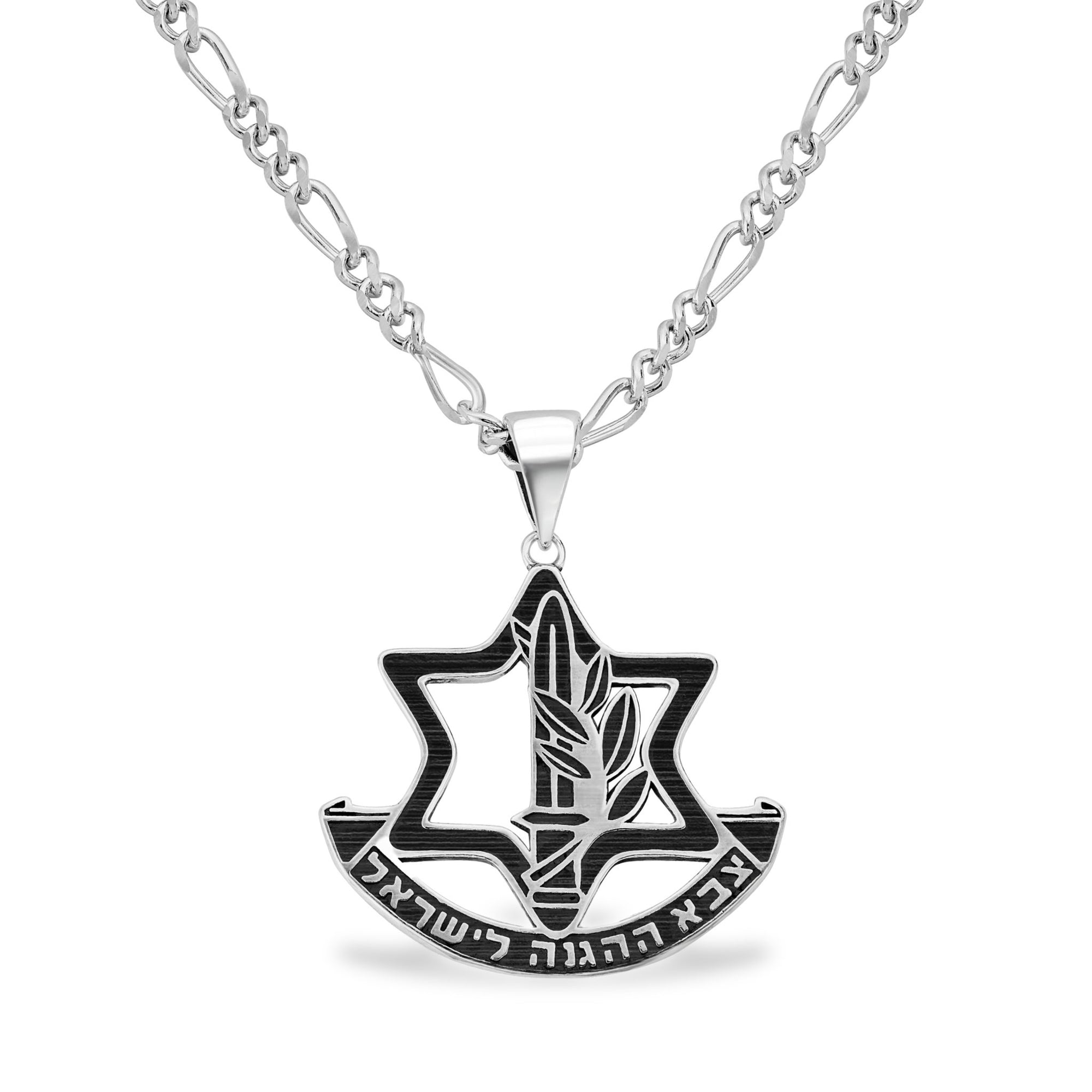
The Star of David is a cherished symbol featured prominently across various jewelry forms, including necklaces with Star of David, pendants featuring Star of David, rings with Star of David, bracelets with Star of David, and earrings with Star of David. Each piece serves not only as a decorative item but also as a personal emblem of Jewish identity symbol, faith expression jewelry, heritage jewelry, and identity jewelry.
Design choices and symbolism in men's and women's jewelry
Jewelry designers craft Star of David jewelry pieces tailored to different tastes and traditions. Men's Star of David jewelry designs typically showcase larger, bolder, and more striking forms, reflecting strength and presence. Women’s Star of David jewelry tends to favor delicate detailing and ornate styles that emphasize beauty and subtlety, perfect for daily wear or special occasions.
Materials and their meanings
Gold and silver are the most common metals used, each bringing symbolic values: gold often represents eternity and sacredness, while silver conveys purity and resilience. Gemstones may be embedded to add color, luxury, and additional spiritual significance. For more about materials, see gemstone Star of David jewelry.
Combining symbols: Star of David and Hamsa
Many contemporary Star of David jewelry pieces incorporate additional Jewish motifs, such as the Hamsa symbol jewelry hand, a traditional amulet believed to offer protection against evil. This fusion blends cultural richness with faith and protection symbols symbolism, creating meaningful, stylish expressions of faith and cultural pride.
This rich variety in design and symbolism allows those who wear these items—both in Israel and the global Jewish diaspora—to display their cultural identity and solidarity proudly through their jewelry.
Jewelry as a Medium of Jewish Cultural and Spiritual Expression
How does Star of David jewelry serve cultural and spiritual purposes?
Jewelry featuring the Star of David is a cherished way to express Jewish identity symbols, faith, and cultural pride both personally and publicly. This iconic six-pointed star, known as Magen David or Shield of David, symbolizes divine protection, the unity of the Jewish people, and a deep connection to heritage. Wearing it reflects resilience symbol and continuity, especially when gifted during important milestones such as Bar and Bat Mitzvahs.
The Chai symbol, formed by the Hebrew letters Chet and Yod meaning "life," often accompanies Star of David jewelry to highlight blessings, vitality, and good fortune. Together, these symbols resonate with hopes for long life and spiritual strength, making such gifts profoundly meaningful.
Jewelry pieces range from pendants and rings to bracelets and earrings, crafted in precious metals like gold and silver. This variety allows individuals to express their personal style while honoring tradition.
Beyond personal adornment, purchasing jewelry adorned with the Star of David and Chai supports Jewish heritage institutions, such as the National Museum of American Jewish History. This gives wearing and gifting these items an added dimension of communal support and cultural preservation.
By combining symbolism, tradition, and contemporary design, Jewish jewelry beautifully embodies faith, identity, and the enduring spirit of the Jewish people.
Intersecting Histories: The Star of David Across Cultures
Is the Star of David unique to Judaism?
The six-pointed star, commonly known as the Star of David in Jewish tradition, is not exclusive to Judaism. Before becoming a defining Jewish symbol, the hexagram appeared in various cultures worldwide.
Use of Hexagram in Islamic Tradition as Seal of Solomon
In Islamic culture, the hexagram is called the Seal of Solomon. It is associated with the legendary wisdom and powers of King Solomon. This symbol has decorated mosques and was featured on the Moroccan flag until the mid-20th century, reflecting its religious and protective significance.
Appearance in Hinduism, Buddhism, and Alchemy
Beyond the Middle East, the hexagram resonates in Eastern religions like Hinduism and Buddhism. It often represents harmony, balance, and spiritual fortune. In alchemical traditions, the hexagram symbolizes unity among the four classical elements—earth, water, air, and fire—signifying balance and wholeness.
Shared Geometric Symbolism and Diverse Meanings
Though the hexagram's geometry is universal, its meanings vary across cultures. For example, while it denotes protection and divine connection in Judaism, in other faiths it might signify cosmic harmony or magical power. This shared geometric shape reveals a fascinating cross-cultural dialogue spanning continents and millennia.
How the Jewish Star of David Distinguishes Itself Culturally
The Jewish Star of David, or Magen David, uniquely connects two interlocking triangles with deep mysticism, representing the bond between God and humanity. Adopted in the 14th century by Jewish communities, it evolved into a unifying emblem of Jewish identity and faith, eventually becoming central to Israel's national symbol. This rich religious and national symbolism sets it apart from similar shapes in other traditions, embodying Jewish resilience, heritage, and pride.
Design Inspirations and Symbolic Combinations in Modern Jewish Jewelry
How are other Jewish symbols integrated with the Star of David in jewelry?
Modern Jewish jewelry beautifully weaves the Star of David with other cherished symbols like the Hamsa symbol and its significance, Chai symbol in Jewish culture, and Menorah. The Hamsa, known as the Hand of Miriam, often accompanies the Star, offering protection against the evil eye and symbolizing divine blessings. The Chai, composed of the Hebrew letters chet and yud, meaning "life," celebrates vitality and good fortune, frequently paired with the Star to convey a powerful message of faith and endurance.
The Menorah, a seven-branched candelabrum representing divine glory and the seven days of creation, is sometimes incorporated with the Star to remind wearers of worship and history. Additionally, sacred texts and prayers such as the Shema Yisrael find their way into pendants and rings, offering spiritual connection through inscribed verses.
This blending of symbols reflects a rich dialogue between tradition and modernity. Jewelry designers skillfully combine ancient motifs with contemporary forms, creating pieces that serve as personal expressions of Jewish identity symbols, faith, and culture. Whether through delicate gold chains, silver rings, or ornate pendants set with gemstones, these designs function as wearable art that honors heritage while embracing today’s style.
Jewelry thus becomes a bridge connecting faith, history, and artistry—allowing those who wear it to display their pride, resilience, and love for Judaism symbol in meaningful and beautiful ways.
Material Symbolism and Structural Significance in Jewelry Design

What is the significance of materials and structure in Star of David jewelry?
Jewelry featuring the Star of David jewelry uses materials rich in symbolic meaning. Gold often represents strength and eternity, conveying a timeless quality to the piece. Silver is valued for its purity and suitability for everyday wear, making it a practical yet meaningful choice. Gemstone Star of David jewelry incorporated into the designs can add spiritual significance, personalizing the jewelry to reflect individual beliefs or milestones.
The geometric design of the Star of David—two interlocking equilateral triangles forming a Star of David—symbolizes balance and harmony. This shape is not only spiritually significant but also structurally robust. Triangles are fundamental in architecture and engineering, used in bridges and supportive frameworks for their inherent stability.
This structural strength inspired architects like Frank Lloyd Wright, who integrated the Star of David's design principles into synagogue architecture, symbolizing protection and resilience. In jewelry, this combination of meaningful materials and a powerful geometric foundation elevates each piece beyond ornamentation, embodying a spiritual and material balance.
The Star of David: A Symbol of Resilience and Hope for the Future

From persecution to empowerment
The Star of David carries a profound history marked by both oppression and resilience. During the Holocaust, it was infamously imposed on Jews as a yellow badge to mark and isolate them. Yet, this painful symbol of persecution was courageously reclaimed by survivors and communities worldwide as an emblem of strength and endurance. Over time, the Star of David evolved from a mark of discrimination into a proud declaration of Jewish identity and unity.
Contemporary significance in Jewish communities
Today, the Star of David stands as a powerful symbol of Jewish heritage and spiritual identity. It represents not just history, but the ongoing story of survival, faith, and renewal. The star is prominently worn and displayed during religious, cultural, and national events, signifying solidarity and connection to Jewish roots across the globe. It also embodies ideals of justice and loving-kindness central to Jewish teachings.
Symbol’s role in tikkun olam and social justice
Central to the star’s meaning is the Jewish concept of tikkun olam, or repairing the world. The Star of David inspires engagement in social justice, community service, and efforts to make the world more compassionate and equitable. It is a reminder of the collective responsibility to heal divisions and promote peace, reflecting a vision of hope for future generations.
Growing popularity in global jewelry markets and cultural merchandise
In modern times, the Star of David has surged in popularity as a motif in jewelry and cultural merchandise. Crafted in gold, silver, and accented with gems, pieces featuring the star are worn proudly to express faith, heritage, and connection to Israel and the Jewish people. These items serve as meaningful gifts for life milestones and symbols of solidarity for diaspora communities and global supporters alike. The star transcends boundaries, spreading a message of resilience, faith, and unity worldwide.
Conclusion: The Enduring Legacy of the Star of David in Jewelry and Culture
Symbolism and History
The Star of David, or Magen David, embodies deep spiritual meaning as a symbol of protection, divine presence, and the balance between spiritual and material worlds. Originating from ancient motifs and gaining Jewish prominence in the 14th century, its evolution reflects resilience—especially during the Holocaust—and a reclaimed symbol of unity and pride.
Tradition Meets Modernity
Jewelry crafted with this six-pointed star bridges past and present, honoring ancient Kabbalistic teachings while embracing contemporary styles. From delicate pendants to bold rings, Star of David pieces express faith and heritage fluidly across generations.
Personal and Cultural Expression
Wearing the Star of David is a profound statement of Jewish identity, connecting individuals to their roots. It serves both as a personal emblem of faith and a public display of solidarity within the wider Jewish community and diaspora.
Promoting Pride and Heritage
Beyond adornment, the star remains a beacon of Jewish pride and cultural memory. It fosters a shared sense of history and hope, inspiring both remembrance and the ongoing celebration of Jewish identity worldwide.