

Introduction to the Star of David as a Symbol in Jewish Heritage
Overview of the Star of David's Significance in Judaism
The Star of David, known in Hebrew as the Magen David or "Shield of David," is one of the most enduring and powerful symbols of Jewish identity and faith. Composed of two interlocking equilateral triangles forming a six-pointed star, this emblem has been associated with Judaism for centuries. It represents divine protection and God's presence in all six directions—north, south, east, west, above, and below. Historically, it has symbolized the unity of spiritual and earthly realms, reflecting balance between heaven and earth, God and man.
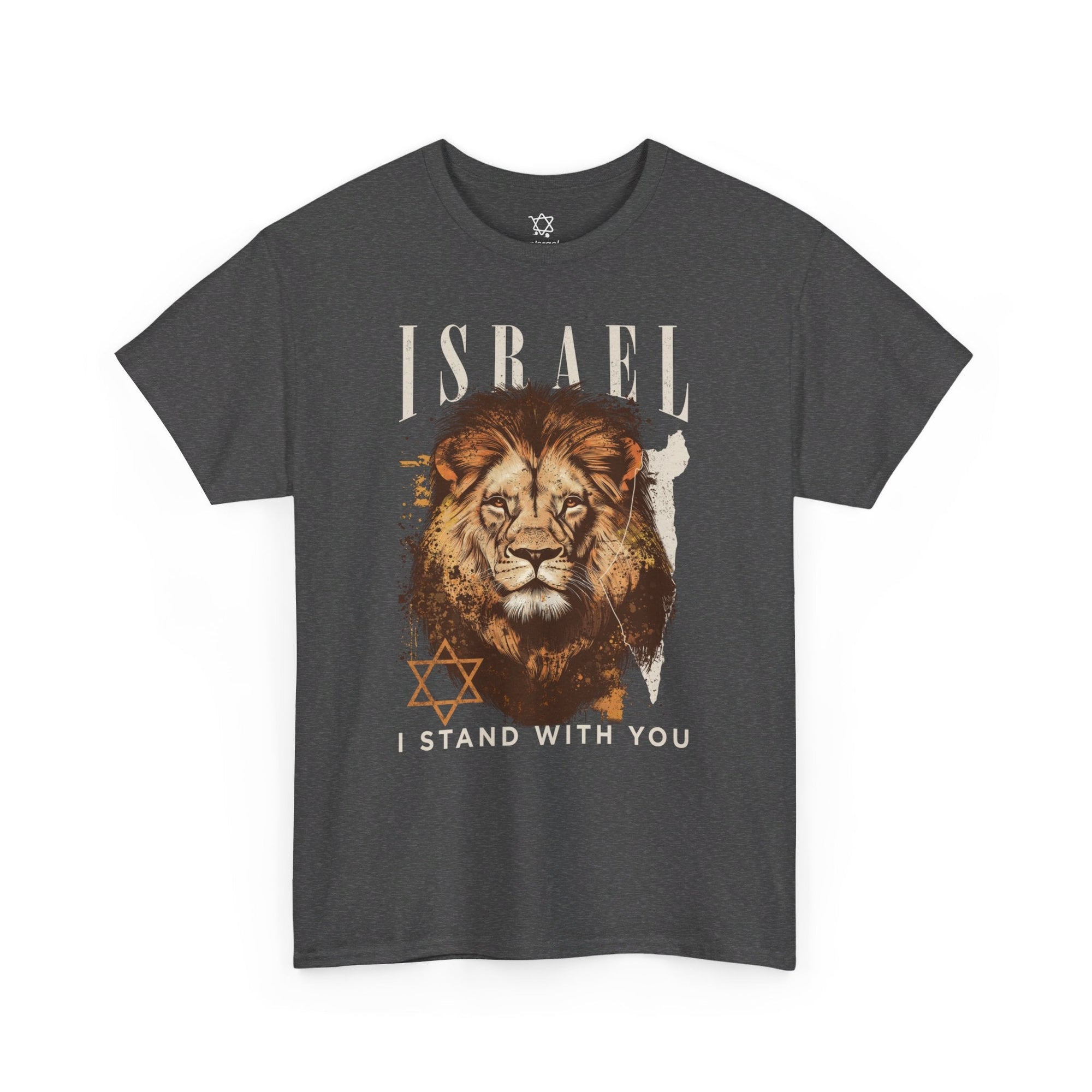
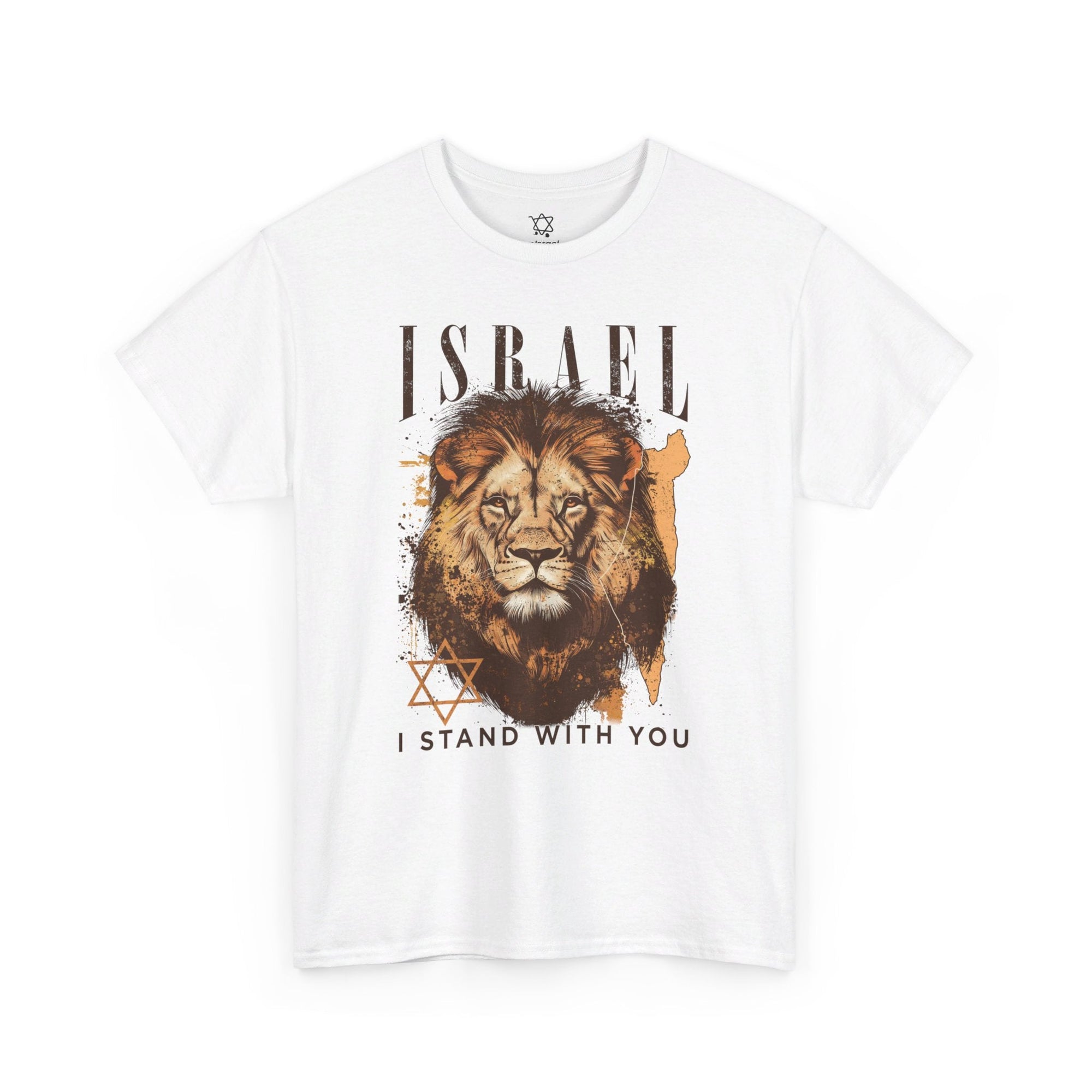
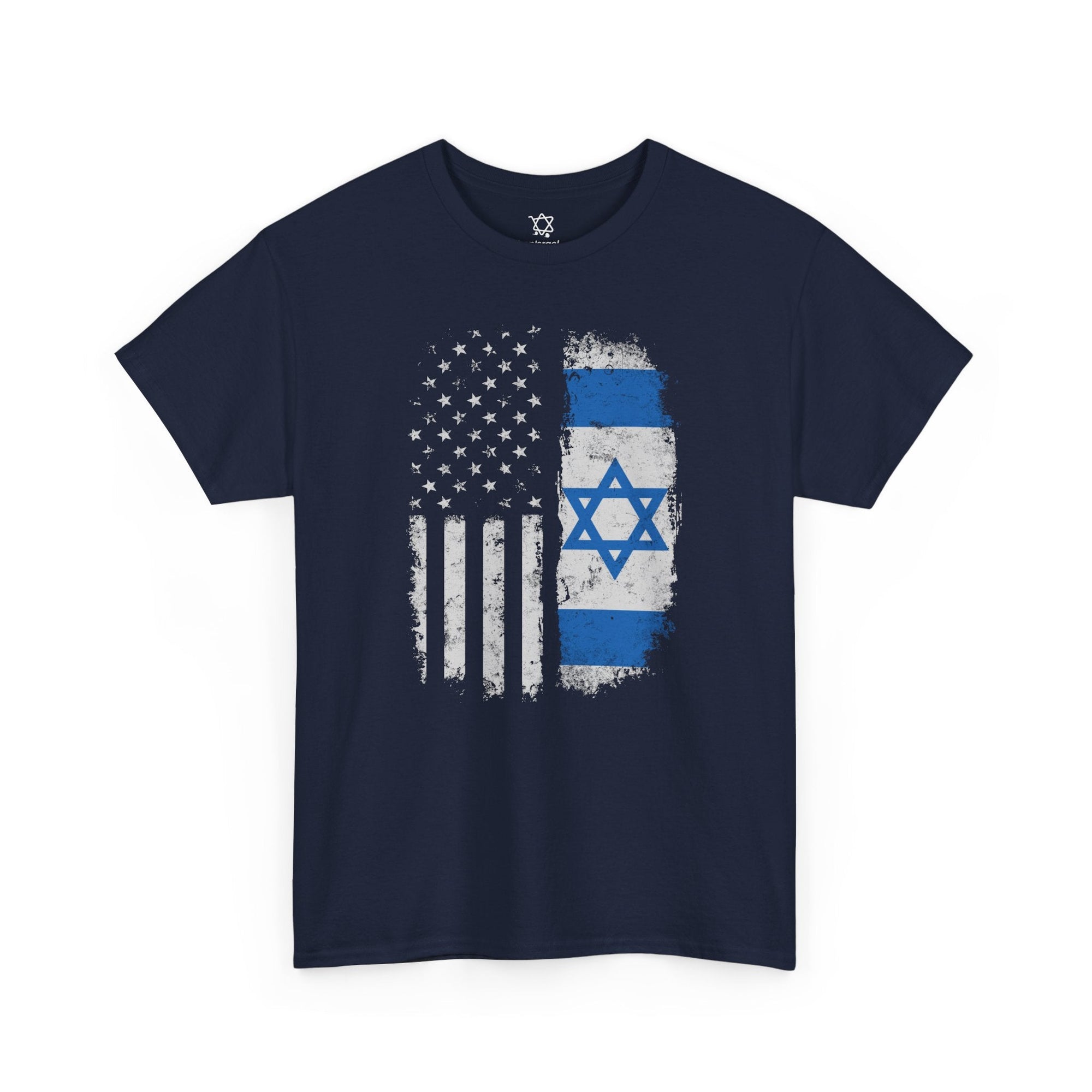
This symbol also carries a deep cultural and spiritual meaning. In Kabbalistic teachings, it embodies the reciprocal relationship between humanity and the divine, blending mystical and practical aspects of Jewish tradition. Throughout history, the Star of David has adorned synagogues, religious manuscripts, and even Jewish coins. It is prominently featured on Israel’s flag, embodying Jewish pride and national identity.
Introduction to the Symbol’s Use in Jewelry
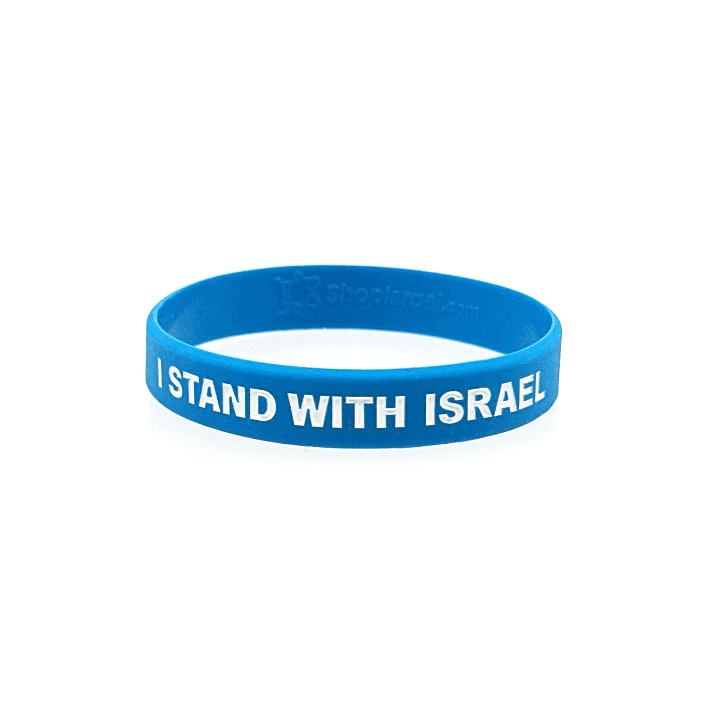
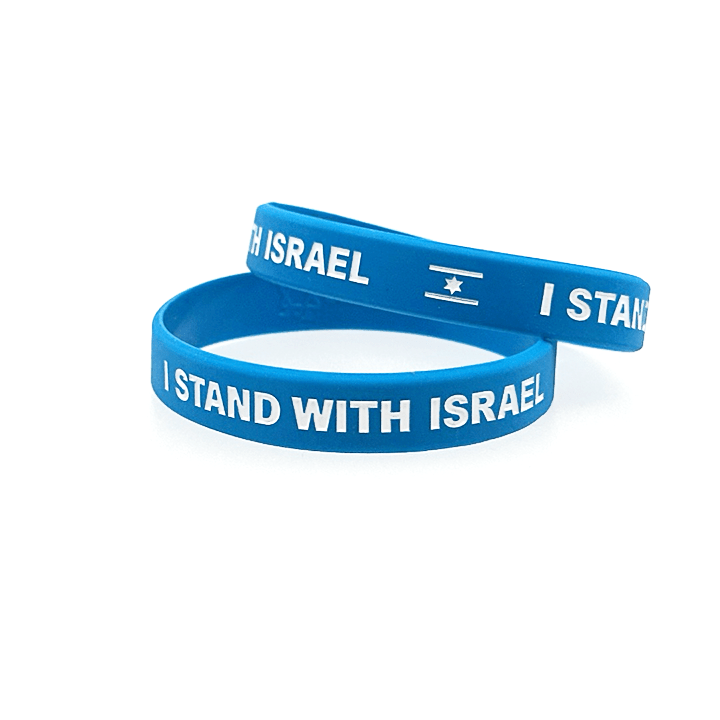
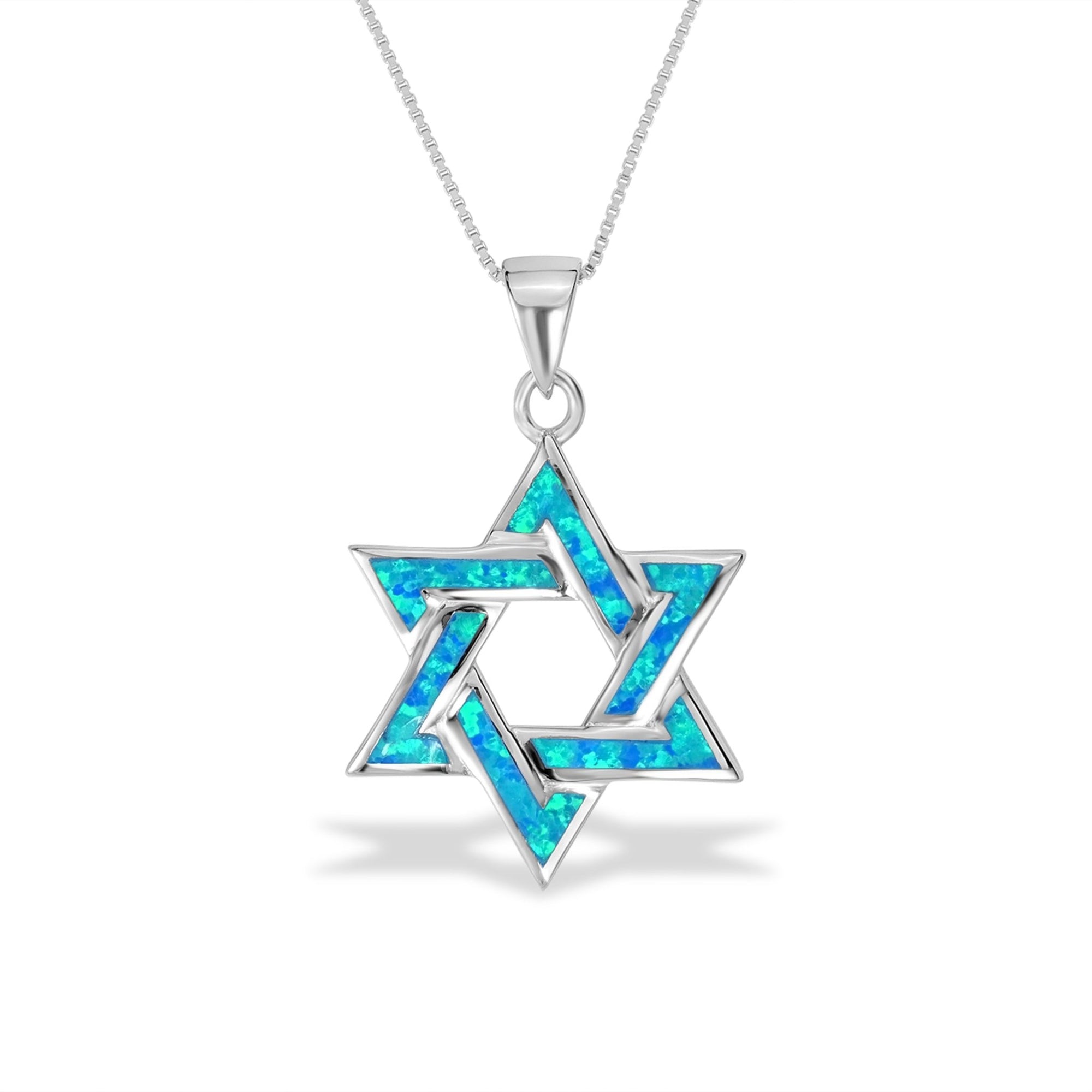
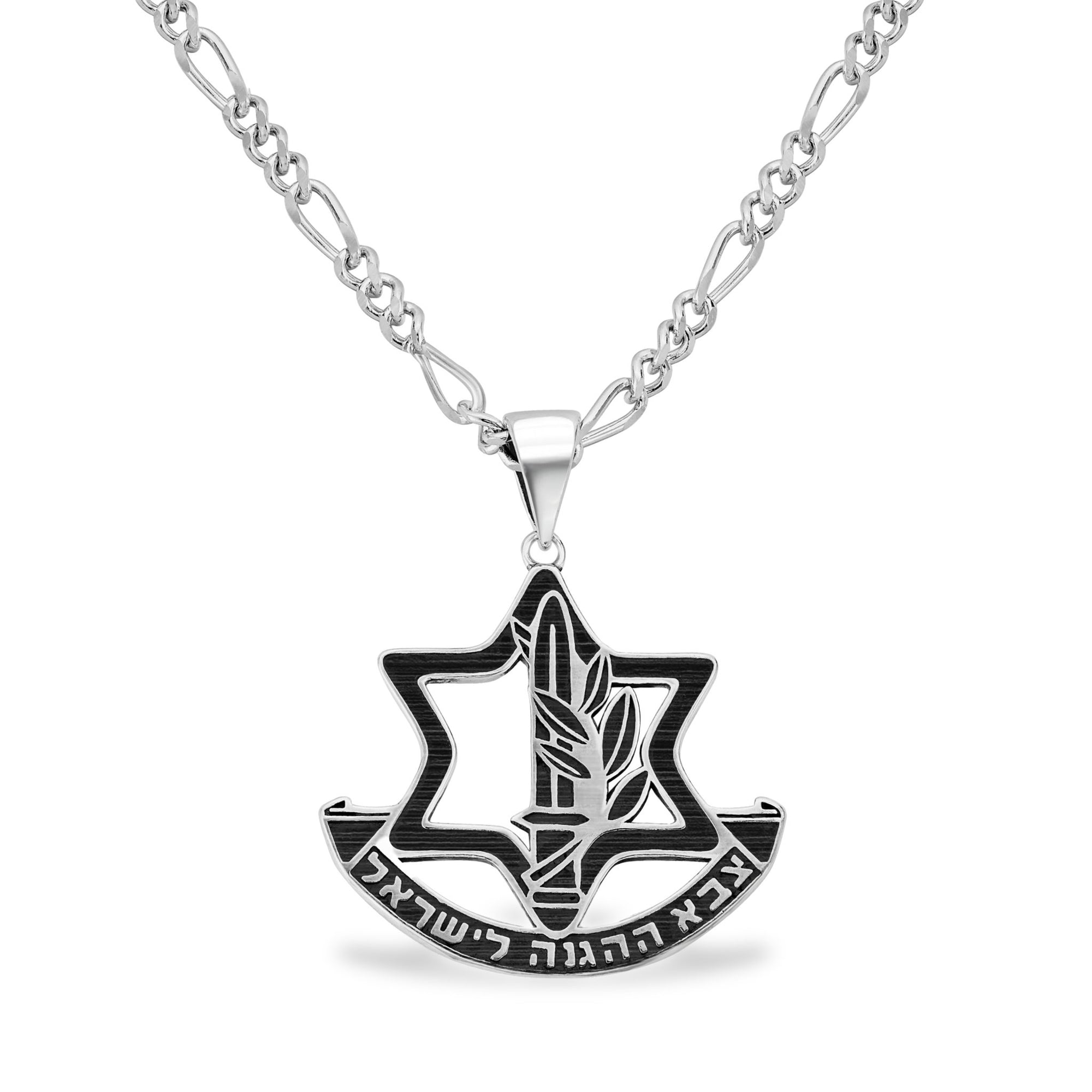
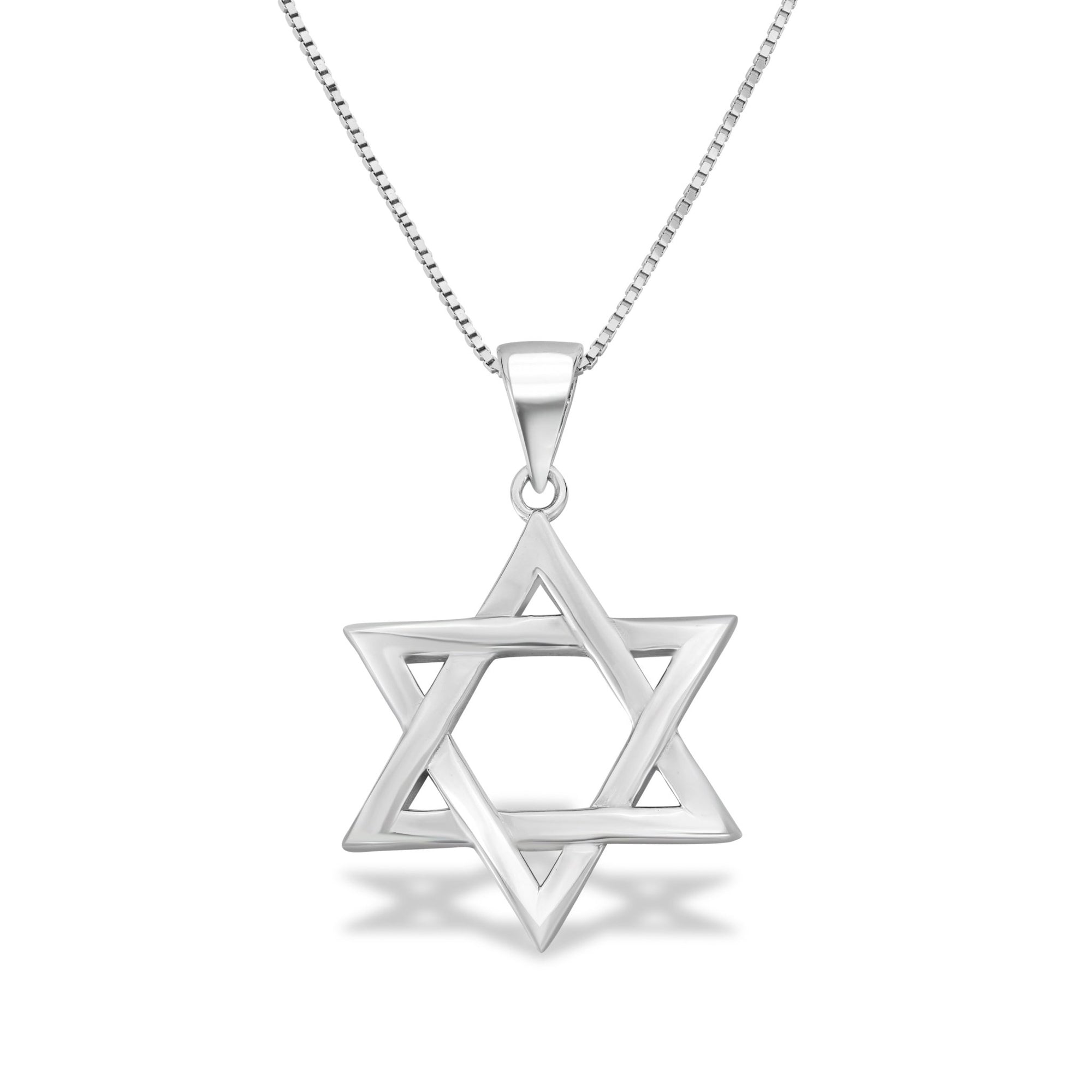
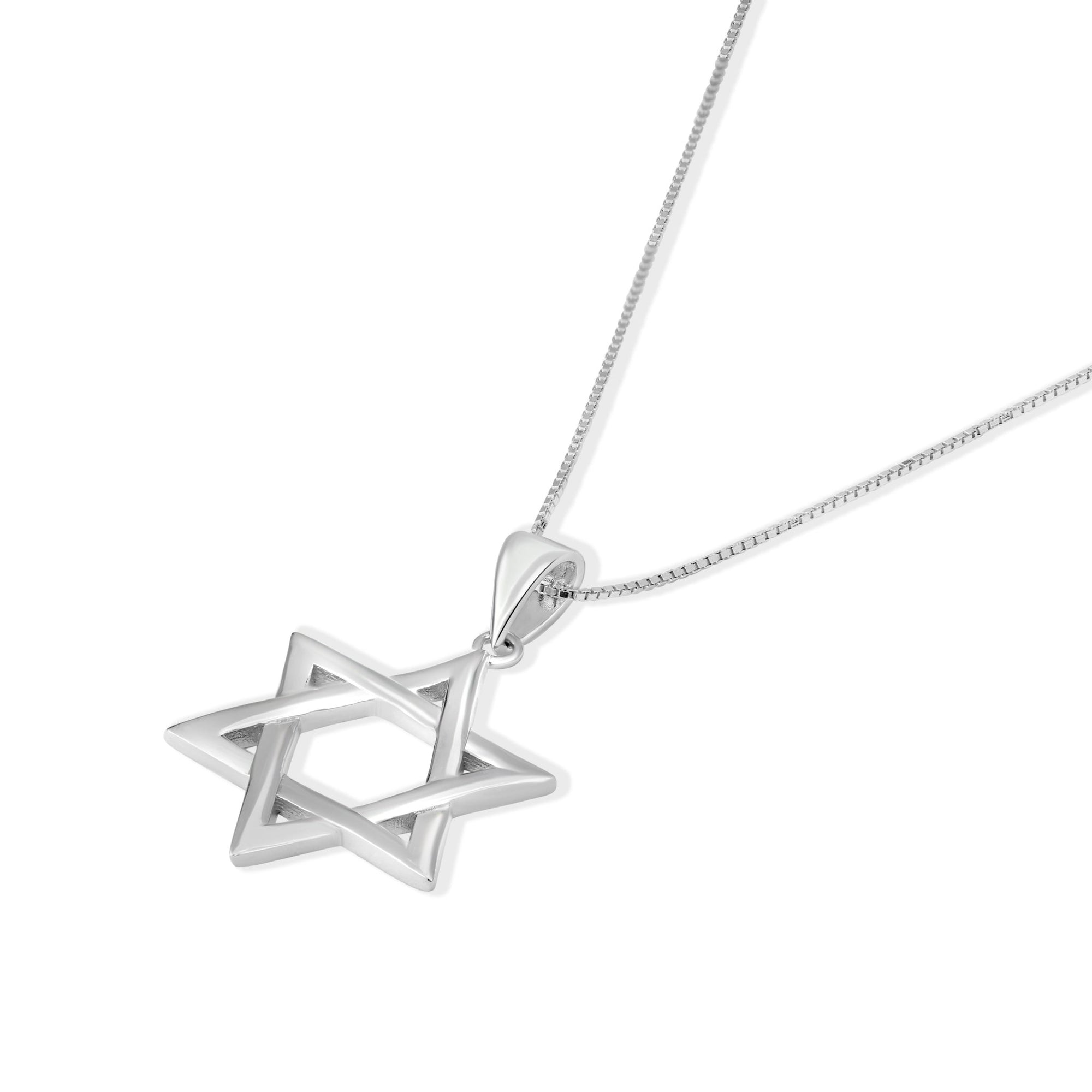
Jewelry featuring the Star of David serves as a meaningful expression of faith, cultural heritage, and solidarity with the Jewish people. Star of David necklaces, pendants, rings, and bracelets are popular ways to carry this symbol close to the heart. Often crafted from precious metals like gold and silver, these pieces merge tradition with artistry.
Beyond decoration, such jewelry acts as a talisman of protection, a reminder of ancestral heritage, and an emblem of strength and resilience. For many in the Jewish diaspora and supporters worldwide, wearing Star of David jewelry is a profound way to celebrate identity, commemorate milestones, and express unwavering support for Israel and Jewish heritage.
Historical Origins and Evolution of the Star of David Symbol

Early Historical References and Archaeological Findings
The Star of David, often called Magen David or Shield of David, has roots tracing back to ancient Jewish history. Archaeological discovery of a hexagram in a 3rd-century synagogue in Galilee confirms its early use. The symbol also appeared in important Hebrew manuscripts, such as the Leningrad Codex from 1008 CE. Over time, the hexagram was utilized decoratively in synagogues, coins, and manuscripts, reflecting its spiritual and communal significance.
Medieval Adoption as a Jewish Emblem
By the Middle Ages, the Star of David became more than decoration; Jewish communities, particularly in Prague before the 17th century, adopted it as a formal emblem. This emblem spread widely among Eastern European Jewish communities in the 18th and 19th centuries, marking Jewish identity distinctly in religious and social contexts. It was used on synagogue architecture and Jewish ritual objects, symbolizing protection and heritage.
The Symbol’s Rise Within Zionism and Modern Israeli Identity
The Star of David courageously transitioned into a national symbol during the rise of Zionism. At the First Zionist Congress in 1897, David Wolffsohn designed the blue-and-white Zionist flag featuring the Star of David, embedding it as the emblem of Jewish unity and nationalism. This emblem gained formal status in 1948, when the newly established State of Israel adopted it on its national flag. Today, the Star of David strongly represents Jewish peoplehood, resilience, and the historic connection to the Land of Israel. It also recalls both triumph and tragedy, notably its forced display during the Holocaust, symbolizing survival and collective memory.
This evolution from ancient symbol to modern national emblem reflects the enduring importance of the Star of David in Jewish culture, faith, and patriotism worldwide.
Spiritual and Mystical Meanings in Kabbalah and Jewish Thought
What spiritual meanings are associated with the Star of David?
In Kabbalistic teachings in Judaism, the Star of David — known as Magen David or "Shield of David" — carries profound spiritual symbolism. The two interlocking triangles represent the reciprocal relationship between man and God. The upward triangle points toward God and the heavens, while the downward triangle symbolizes earth and humanity. This union reflects harmony between the spiritual and material worlds, a balance central to Jewish mystical symbols.
The six points of the star stand for God's omnipresence in all directions — north, south, east, west, above, and below — underscoring a divine presence that surrounds and protects the universe. This symbolism connects wearers to their faith and heritage, reminding them of God’s constant watchfulness.
How does the Star of David symbolize protection?
Historically, beyond representing identity, the Star of David was regarded as a Star of David as protective amulet. Jewish tradition holds that this six-pointed star acts as a shield, a symbol of divine protection through the presence of God in every direction. It was believed to have the power to repel negative forces and evil spirits.
Wearing Star of David jewelry, such as necklaces or pendants, serves as a tangible expression of this divine safeguard. Beyond its aesthetic appeal, the star embodies a spiritual fortress offering strength and resilience, especially meaningful in moments of hardship or remembrance.
Jewish thought deeply embraces the Star of David not only as a cultural emblem but as a Protection symbolism of Star of David — linking individuals to God and to the ever-unfolding spiritual journey.
The Symbolism of the Star of David in Jewish Jewelry
Jewelry as Expression of Faith and Identity
Jewish jewelry, especially pieces featuring the Star of David as symbol of Jewish identity, transcends mere decoration. It is a profound expression of faith and cultural identity. Wearing the Star of David serves as a constant reminder of Jewish heritage, divine protection, and spiritual connection. Star of David necklaces and pendants, in particular, hold deep meaning as symbols of Jewish endurance, pride, and tradition. They are often given as meaningful gifts during life's significant milestones, such as bar and bat mitzvahs or weddings, offering both beauty and symbolism to the wearer.
Star of David Necklaces and Pendants
The Star of David, or Magen David, is widely used in jewelry design, becoming an emblematic element in necklaces and pendants. These jewelry pieces embody protection, unity, and divine presence. Throughout history, they have symbolized the bond between man and God, with the interlocking triangles representing this sacred relationship. Wearing a Star of David pendant is both a statement of faith and a tangible link to Jewish history and community.
Materials and Design Symbolism
Jewelry bearing the Star of David is crafted from precious materials like gold and silver, each carrying its significance. Gold, praised for its timeless quality and strength, is often chosen for landmark celebrations, while silver is favored for its versatility and daily wearability. Gemstones may be added for decorative beauty and to highlight the design’s spiritual aspects. The styles vary from classic geometric hexagrams to contemporary interpretations featuring curved lines, textured surfaces, and asymmetrical shapes. These diverse designs allow wearers to personalize their jewelry, blending traditional symbolism with modern artistic expression, rooted deeply in Jewish heritage and faith.
The Star of David’s Role in Jewish History and Endurance

How has the Star of David been used historically beyond jewelry?
The Star of David, or Magen David, has a rich history beyond its presence in jewelry. It appears extensively in Jewish religious art, prominently decorating synagogues and sacred manuscripts such as the Leningrad Codex from 1008. This six-pointed star also graced coins, ritual objects, and monuments, serving as a symbol of Jewish identity and community unity across centuries. Its use as a community identifier began centuries ago, with Jewish quarters in European cities marked by the symbol, and it became emblematic of faith and protection.
The star has long been incorporated into religious contexts—from synagogue walls to ceremonial items—reflecting divine protection and the omnipresence of God in all directions. The interlocking triangles carry deep mystical meaning in Kabbalah, symbolizing the relationship between God and man and the balance between spiritual and earthly realms.
What was the significance of the Star of David during the Holocaust?
The Star of David took on a tragic yet powerful role during the Holocaust. Nazi authorities forced Jews to wear a yellow Star of David emblazoned with the word "Jude" as a means of segregation and persecution. This emblem, intended to mark and humiliate, instead became a symbol of endurance and resistance among the Jewish people.
After World War II, the Star was reclaimed as a badge of survival, resilience, and Jewish pride. It reminds the world of the hardships endured and the strength in Jewish identity that persevered through unfathomable trials. Today, the Star of David stands as a solemn emblem of remembrance and a testament to the unbroken spirit of the Jewish people.
How does the Star of David connect to Jewish cultural identity today?
Today, the Star of David remains a potent symbol of Jewish unity, faith, and heritage. It features prominently in Israeli national symbolism—including the flag of the State of Israel—and adorns synagogues, religious artifacts, and cultural monuments worldwide.
Jewelry bearing the Star of David is worn not only as an expression of religious belief but also as a proud declaration of cultural solidarity. It connects individuals across the diaspora with their storied heritage and biblical roots, symbolizing protection, divine presence, and collective memory. Wearing the Star fosters a deep sense of belonging, linking the past with the present and future generations of the Jewish people.
Jewelry as a Personal and Cultural Bridge to Jewish Heritage
What role does Jewish jewelry play in cultural and religious life?
Jewish jewelry serves as a meaningful expression of faith, identity, and heritage. It acts as a tangible link connecting wearers to their roots and traditions, often worn during significant life milestones such as Bar and Bat Mitzvahs, weddings, and anniversaries. Common motifs include the Star of David, Chai, and Hamsa, each symbolizing spiritual protection, life, and divine blessings. Wearing these symbols reinforces a sense of belonging and the continuity of Jewish faith across generations.
Connecting wearers to Jerusalem and Israel
Jewelry pieces often embody a profound connection to Jerusalem and the Land of Israel. Materials like Eilat Stone—a rare gemstone unique to Israel—and Roman Glass, with ancient roots linked to Jerusalem, ground the jewelry in Jewish history and sacred geography. Such elements allow wearers to carry a piece of Jewish heritage and the holy land with them, fostering pride and cultural solidarity.
A celebration of Jewish craftsmanship
Israeli artisans combine tradition and innovation through meticulous craftsmanship techniques, including intricate filigree and handcrafted metalwork. This artistry honors centuries-old traditions while creating modern designs suitable for everyday wear or meaningful gifts. The use of gold and silver, along with precious gemstones, reflects the beauty and strength of Jewish culture, making these jewelry pieces treasured symbols of faith, identity, and artistic heritage.
Symbolic Interpretations: Unity, Protection, and Spiritual Balance
What do the six points and twelve sides of the Star of David symbolize?
The Star of David, or Magen David, features six points that represent the six directions in which God's presence is manifested: north, south, east, west, above, and below. This symbolism conveys a powerful message of divine protection from all directions, underscoring God's omnipresence and guardianship over the universe.
In addition to the points, the twelve sides of the star are traditionally connected to the Twelve Tribes of Israel. This association reflects the unity and collective identity of the Jewish people, tying the symbol to national heritage and communal strength across generations.
How is duality expressed through the Star’s design?
The unique composition of two interlocking equilateral triangles expresses profound dualities central to Jewish mysticism and philosophy. One triangle is often interpreted as pointing upward, symbolizing the spiritual realm, heaven, or God's beneficence. The downward triangle represents the earthly domain, humanity, or physical reality.
Together, they embody the delicate balance and harmony between opposing forces such as good and evil, fire and water, or the material and spiritual worlds. This interplay signifies an ongoing relationship and unity between man and God, reminding wearers of their spiritual connection and the protective presence of the divine in everyday life. The symbolism of fire and water in the Star of David reinforces this unity.
The Star’s invocation of divine guardianship
Known as the "Shield of David," this emblem transcends mere decoration — it serves as a talisman symbolizing God's shield and protection. Historically, it appeared on amulets, ritual objects, and Jewish jewelry to invoke safety and resilience.
The Star of David continues to inspire Jewish identity and pride, symbolizing not only a connection to heritage but also spiritual protection and balance amidst the challenges of history and life. Its prominence on Israel’s flag and in Jewish communities worldwide turns it into a unifying and sacred emblem revered across generations.
Modern Interpretations and Personalized Expressions of Faith
How have modern designs transformed Star of David jewelry?
Star of David jewelry today is not confined to its traditional styles but embraces a range of modern artistic expressions. Contemporary designs include curved gold Star of David pendants that symbolize elegance and movement, while geometric shapes maintain the classic symbolism of protection and heritage. Textured finishes provide a raw, handcrafted charm, echoing the ancient origins of the Star of David, and asymmetrical designs venture into personal artistic expression, highlighting individuality and creativity.
These variations allow wearers to connect deeply with this age-old symbol in ways that resonate with their personal style and contemporary identity, blending spiritual meaning with artistic innovation.
What personalization options exist for Star of David pieces?
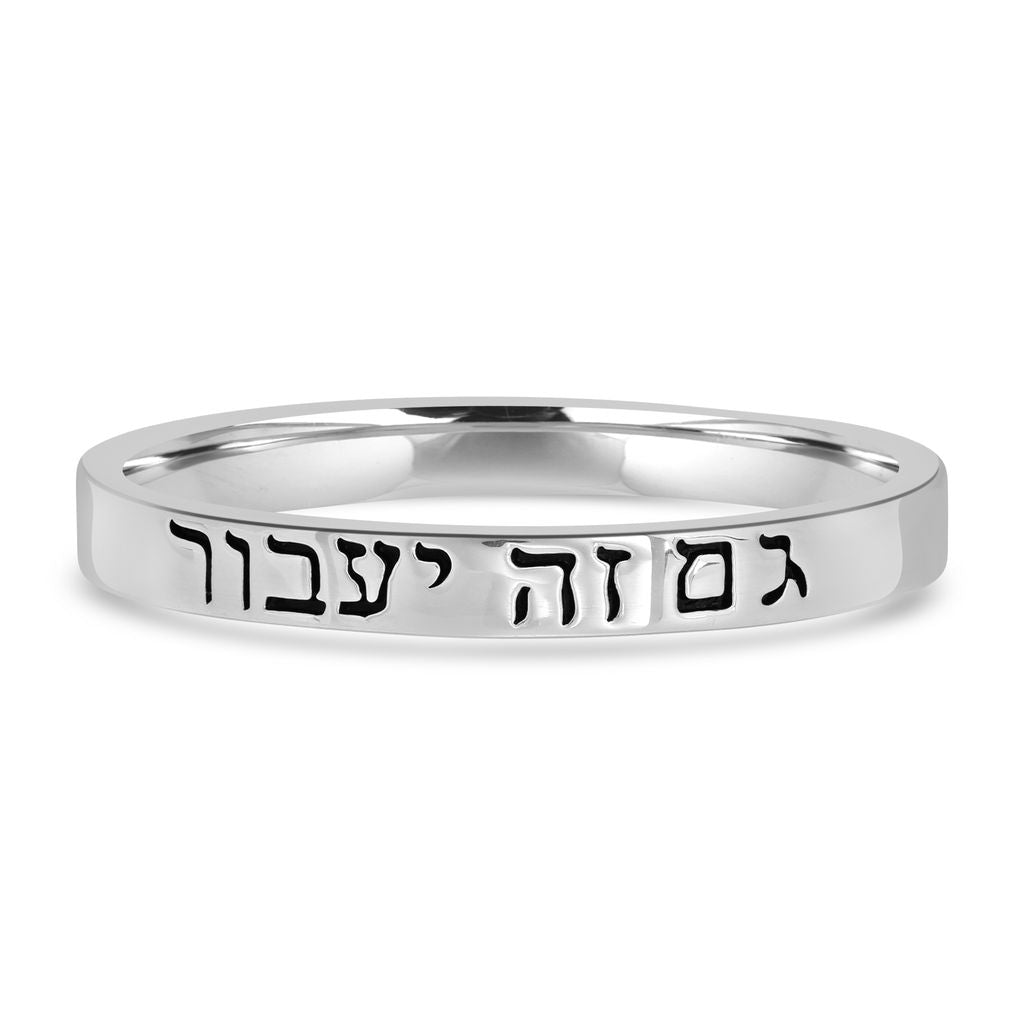
Personalization has brought a meaningful evolution to Star of David jewelry. Many pieces can be customized with Hebrew names or inscriptions that carry personal or prayerful significance. Additionally, the integration of birthstones can symbolize life milestones and individual identity.
Star of David pieces are often combined with other cherished Jewish symbols, such as the Hamsa hand which offers protection, or the Chai symbol, representing life and faith. These combinations enrich the jewelry's spiritual message and cultural resonance.
Such personalized items serve not only as beautiful adornments but also as intimate narratives of faith, heritage, and familial bonds, making each piece unique and deeply significant.
The Enduring Legacy of the Star of David in Jewish Life
Why does the Star of David remain a powerful symbol today?
The Star of David, known as the Magen David or Shield of David, is far more than just a geometric design. It embodies centuries of Jewish faith, resilience, and cultural identity. From its early appearances in ancient synagogues and medieval manuscripts to its prominent role on the flag of Israel, the symbol connects past to present. It represents divine protection extending in all six directions—north, south, east, west, up, and down—reflecting God's encompassing presence.
This symbol has endured through history's toughest chapters. During the Holocaust, the Star of David was sadly used to identify and persecute Jews, yet it has since been reclaimed as a proud emblem of survival and strength.
How does wearing Star of David jewelry inspire community and pride?
Wearing Star of David Jewelry is a meaningful way for individuals to express their Jewish heritage and spiritual connection. These pieces often serve not only as personal talismans of protection but also as public affirmations of faith and unity with the Jewish people worldwide.
Jewelry styles range from classic geometric pendants to modern artistic interpretations, each carrying deep symbolism tied to history, mysticism, and identity. For many in the diaspora and in Israel, adorning oneself with the Star of David helps foster a sense of belonging, pride, and connection to Israel—the heart of Jewish cultural life.
Jewelry as a Symbolic Reminder of Resilience and Unity
Jewelry bearing the Star of David encapsulates stories of endurance and hope. Crafted by Israeli artisans and worn globally, these pieces become wearable history, reminders of a collective journey through adversity toward renewal and affirmation of faith.
In all its forms, the Star of David continues to inspire a vibrant and resilient Jewish spirit, uniting communities across generations and geographies through its timeless symbolism.
Conclusion: The Star of David as a Spiritual Emblem Worn Close to the Heart
The Star of David, or Magen David, is much more than a symbol; it is a profound emblem of Jewish faith, heritage, and resilience.
Its six points represent divine presence in all directions—north, south, east, west, up, and down—highlighting God's rule over the universe. Kabbalistic teachings deepen this meaning, illustrating a balance between heaven and earth, spiritual and material, man and God.
Historically, the Star has connected Jewish communities across centuries, from ancient synagogues to modern-day Israel’s flag. It embodies protection, unity, and identity, surviving even the darkest times, such as the Holocaust, where it transformed from a mark of persecution to a powerful symbol of endurance.
Jewelry featuring the Star of David serves as a tangible link between past, present, and future. Worn as necklaces, pendants, and rings, it invites wearers to carry their heritage proudly and to celebrate their spiritual connection daily.
This timeless emblem is a cherished expression of faith and solidarity, uniting generations through the shared story of Jewish identity and divine protection.