

Introduction to the Shofar and Its Enduring Significance
What is the Shofar?
The shofar is an ancient Jewish musical instrument made from a ram's horn. It is traditionally sounded during significant Jewish holidays such as Rosh Hashanah—the Jewish New Year—and Yom Kippur, the Day of Atonement. This instrument holds deep spiritual meaning and is a compelling symbol of faith, renewal, and divine communication.
Historical and Biblical Roots
The origins of the shofar trace back to biblical times, where it is mentioned over seventy times in the Torah. Its earliest notable use was at Mount Sinai, during the giving of the Torah, where its loud blast announced the presence of God. The ram’s horn also recalls the story of the Binding of Isaac, where a ram was sacrificed in place of Isaac, symbolizing unwavering devotion and divine mercy.
Throughout biblical history, the shofar served multiple roles—from signaling war and rallying troops to heralding divine kingship and spiritual awakening. It was sounded during the fall of Jericho and other key moments that shaped the destiny of the Jewish people.
Cultural and Worship Significance
In Jewish worship, the shofar is blown during synagogue services throughout the month of Elul, leading up to and including Rosh Hashanah and Yom Kippur. Its sound serves as a spiritual alarm, stirring the conscience, inspiring repentance, and encouraging renewal. The blasts come in distinct patterns—Tekiah, Shevarim, and Teruah—each carrying symbolic meanings linked to repentance and divine majesty.
The shofar’s sound echoes themes of God’s kingship, the call to return to Torah study, humility before divine justice, remembrance of the Temple's destruction, and the hopeful promise of redemption and the coming of the Messiah.
The Shofar in Modern American Jewish Life
For Jewish communities across America and the diaspora, the shofar is more than an ancient horn; it is a vital thread connecting generations to their heritage and identity. Its blast during the High Holidays resonates in synagogues and homes, reinforcing solidarity, cultural pride, and spiritual renewal. As a symbol, it embodies collective memory, faithfulness to tradition, and an enduring hope for the Jewish people’s future in Israel and worldwide.
Biblical Roots and Symbolic Meanings of the Shofar
What are the biblical origins of the shofar and its symbolism?
The shofar, an ancient ram's horn, first rings through the Bible during the momentous giving of the Torah at Mount Sinai (Exodus 19:16). Its powerful blast announced God's presence, marking a divine encounter that forever shaped Jewish faith (shofar at Mount Sinai).
Biblical Mentions and Historic Uses
Throughout biblical history, the shofar serves various roles: from signaling war in Numbers, inspiring triumph as at Jericho's walls, to heralding kings' coronations, as seen with King David (Biblical Trumpets and Their Sounds. It was not just a trumpet but a sacred instrument intertwined with moments of national and spiritual significance (shofar in the Bible).
Symbolism of Divine Kingship
During Rosh Hashanah, the shofar’s sound is likened to a coronation trumpet, proclaiming God's reign over the universe (shofar as a coronation trumpet. This royal symbolism reminds Jews of God’s sovereignty and calls the community to recognize His eternal kingship (Shofar as a symbol of God’s victory.
Calls for Spiritual Awakening and Repentance
The shofar acts as a spiritual alarm clock, shaking listeners from complacency to repentance during the Ten Days of Penitence (shofar calls for repentance. Its piercing cries evoke the prophets’ calls for righteousness and draw individuals toward ethical and spiritual renewal (shofar and repentance).
Symbol of Faith and Sacrifice
Linked to the ram sacrificed by Abraham in place of Isaac, the shofar embodies ultimate devotion and faith (shofar and the Binding of Isaac). This connection reinforces themes of sacrifice and God's mercy, essential to Jewish identity and collective memory (shofar commemorates Abraham's ram.
Through its biblical roots and multifaceted symbolism, the shofar continues to resonate deeply with Jews worldwide, inspiring humility, introspection, and hope in God’s everlasting covenant (shofar symbolism.
The Shofar’s Role in Jewish Worship and Ritual Tradition
How is the shofar used in Jewish religious rituals, and what do its sounds symbolize?
The shofar, made from a kosher ram's horn, is a central instrument in Jewish High Holy Days worship, especially during shofar uses in Jewish holidays, particularly shofar during Elul, shofar on Rosh Hashanah, and shofar on Yom Kippur. Beginning from the start of Elul until the culmination of Yom Kippur, the shofar is sounded to summon the faithful to spiritual reflection and renewal.
There are four primary types of shofar blasts, each with profound religious meaning:
- Tekiah: A long, unbroken blast symbolizing Shofar as a symbol of G‑d’s kingship.
- Shevarim: Three medium-length wails evoking brokenness and repentance.
- Teru'ah: A series of at least nine short, staccato blasts expressing an urgent spiritual alarm.
- Tekiah Gadolah: A great, prolonged blast signifying awakening and the hope for divine mercy.
These sounds collectively serve as a shofar as a spiritual alarm clock, stirring introspection, repentance, and a renewed commitment to follow the Observance of the Mitzvot. They also recall the shofar and Mount Sinai and echo the call of prophets urging righteousness.
Through the shofar’s compelling blasts, Jews worldwide are drawn into an ancient tradition of humility, moral accountability, and hope — seeking God’s mercy and the renewal of the covenant. This ritual sound envelops worshippers in the solemnity of the Shofar Blown During Rosh Hashanah, inspiring awakening and spiritual transformation.
Spiritual and Communal Significance of the Shofar
What spiritual and communal messages does the shofar convey during Jewish observances?
The shofar is much more than a musical instrument; it is a profound symbol of Shofar representing spiritual awakening and communal unity. During Jewish High Holidays like 11 Reasons Why We Blow the Shofar on Rosh Hashanah, the shofar’s blasts echo the urgent call of the prophets, urging both individuals and the community to commit to righteousness and deepen their faithfulness to God.
Its powerful sound instills a heartfelt shofar symbol of humility, creating an atmosphere for honest moral reflection. Especially during the Ten Days of Penitence, the shofar’s blast stirs the conscience, encouraging sincere introspection and repentance.
Moreover, the shofar serves as a reminder of pivotal moments in Jewish history, notably recalling the destruction of the Holy Temple in Jerusalem. This remembrance not only mourns past losses but also fosters a hopeful anticipation for Israel's renewal and the coming of the Messiah. The shofar thus symbolizes both shofar and the Day of Judgment and hopeful redemption.
By invoking themes of judgment and mercy, the shofar reinforces a collective Jewish identity, particularly meaningful to diaspora communities seeking to strengthen their connection to heritage and homeland. Its spiritual call continues to inspire renewal, awakening souls to return to God and embrace a future filled with divine sovereignty and peace.
The Craftsmanship and Kosher Standards of the Shofar
What defines a kosher shofar, and how is it made?
A kosher shofar is a sacred instrument made from the horn of a kosher animal, most commonly a ram. Other permissible sources include the kudu or certain antelope species, provided the horn meets strict criteria based on Jewish law Halakhah. The shofar must be naturally hollowed and at least 10 centimeters in length to qualify as kosher.
Materials used for making a kosher shofar
The primary material for a kosher shofar is the clean, uncoated horn of a ram or another kosher animal. This connection to the ram symbolizes the biblical story of the Binding of Isaac, where a ram was sacrificed in Isaac's stead, emphasizing faith and devotion.
Requirements for length, condition, and animal source
To uphold tradition and religious standards, the shofar must be:
- At least 10 cm (approximately 4 inches) long
- Free of cracks or any breaks that could disrupt its sound
- Uncoated to avoid altering its natural tone
- Crafted strictly from animals permitted by kosher law These conditions ensure the shofar’s sound remains authentic and spiritually significant during key Jewish observances. For further details on requirements for a kosher shofar, see this resource.
Importance of authenticity and tradition in shofar production
Authenticity in shofar making preserves a vital link to Jewish heritage and biblical events, including the call to repentance and spiritual awakening during Rosh Hashanah and Yom Kippur. Many shofars are crafted by skilled artisans in Israel, maintaining tradition while responding to modern needs.
Popularity as cultural and ceremonial items
Beyond religious use, kosher shofars have become cherished cultural symbols and are popular gifts for bar and bat mitzvah celebrations and holiday observances within Jewish communities worldwide. Their craftsmanship and rich symbolism embody Jewish identity, connecting generations through sound and story.
Contemporary Relevance and Usage of the Shofar in Jewish Communities
How does the shofar maintain its importance in contemporary Jewish worship and culture, particularly in the United States?
The shofar meaning continues to hold profound significance in Jewish religious and cultural life in the United States, especially during the High Holy Days of Shofar Blown During Rosh Hashanah. It is a central element in synagogue services, inviting audiences to Spiritual Significance of the shofar blast, self-reflection, and repentance as part of their communal worship. The sound of the shofar is a powerful reminder of the ancient covenant with God, linking modern Jewish communities to their heritage and collective memory stretching back thousands of years.
American Jewish synagogues employ the Shofar blasts and their types to mark pivotal moments in the liturgy, reinforcing a sense of unity and shared identity among attendees. Its resonance encourages introspection as individuals prepare for the new year, inspiring hope, humility, and renewal. The widespread incorporation of the shofar into ceremonies ensures that this tradition remains a vibrant expression of faith, strengthening both religious commitment and cultural continuity.
Beyond strictly Jewish contexts, the shofar has gained broader recognition as a symbol of spiritual awakening and divine kingship. Its striking sound transcends religious boundaries, inspiring interest and respect in various faith communities, including some Christian groups where it serves a prophetic symbol in worship. This crossover highlights the shofar’s enduring power as a vessel of historical memory and universal spiritual themes.
In essence, the shofar’s contemporary usage in the United States underscores its role not only as a ritual object but also as a bridge linking past to present, tradition to modernity, and the Jewish diaspora with the land of Israel and global Jewry.
The Shofar in Jewish Cultural Merchandise and Its Symbolic Value
Availability of shofars and related goods online
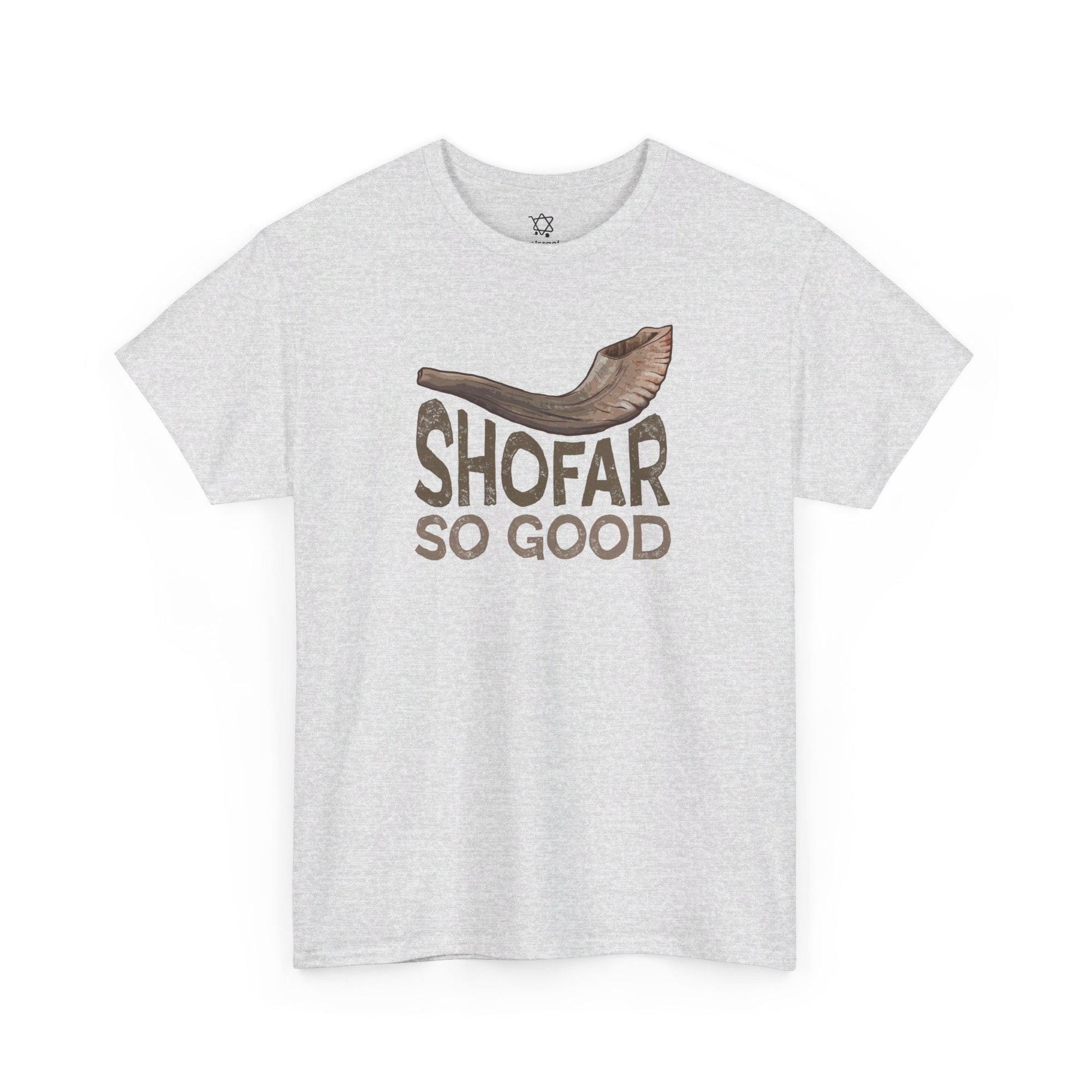
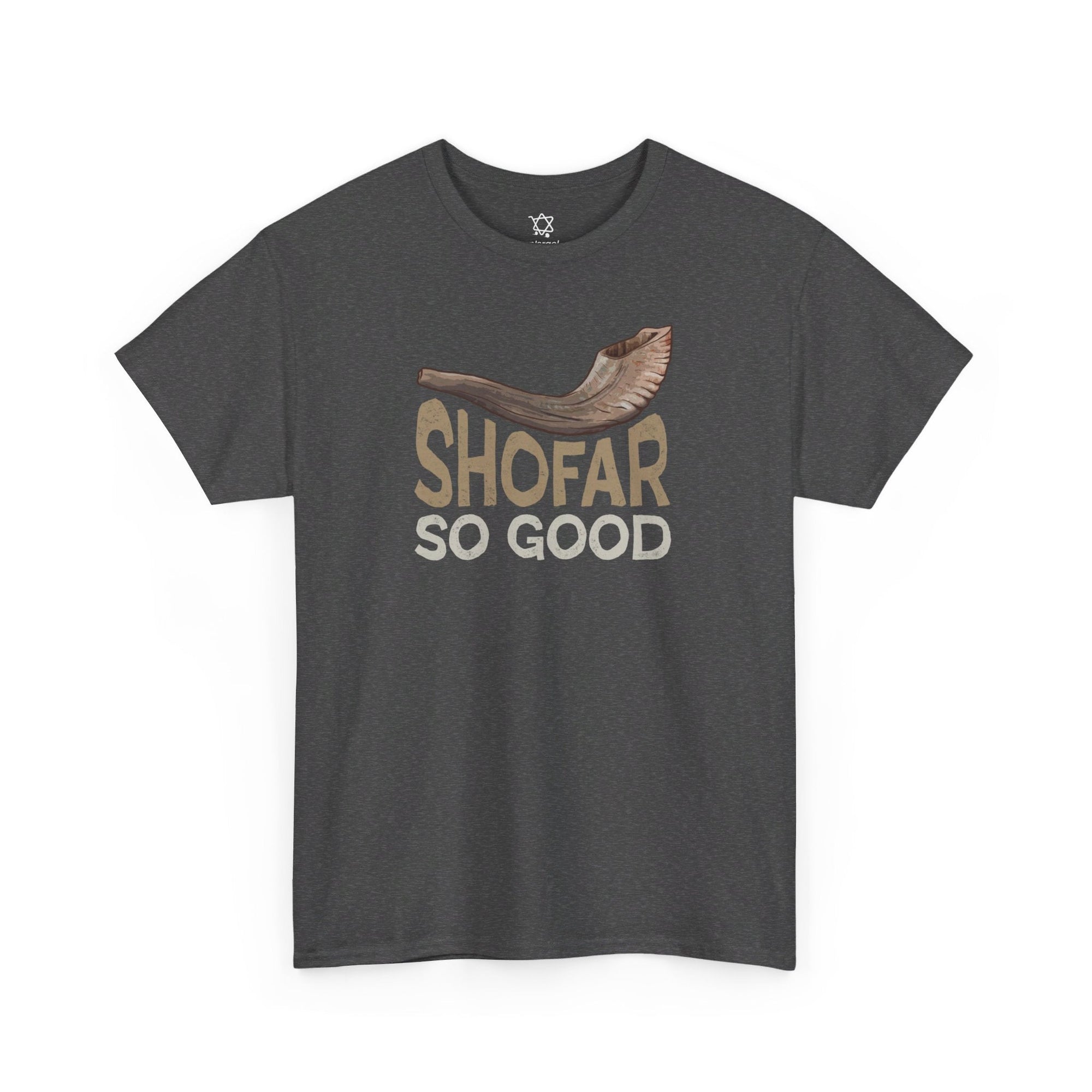
Kosher shofars, made from ram’s horns and adhering to religious standards, are widely available through specialized e-commerce platforms. These online shops offer shofars tailored for religious use as well as decorative pieces, often accompanied by educational materials, prayer books, and ritual guides. The accessibility of these items allows Jewish families and communities worldwide to easily obtain authentic ceremonial instruments.
The shofar as a symbol of Israeli pride and Jewish heritage
The shofar is far more than a musical instrument; it stands as a profound emblem of Jewish faith, history, and Israeli identity. Its rich biblical and ritual significance connects users to ancient customs, spirituality, and collective memory. For Israeli society and diaspora Jews alike, the shofar represents continuity with ancestral traditions and national resilience.
Significance of owning and gifting shofars
Owning a kosher shofar is considered an act of devotion and a way to keep Jewish heritage alive, especially during the High Holy Days when the shofar’s blasts invite reflection and renewal. Gifting a shofar is a meaningful gesture, often symbolizing encouragement in religious growth or heritage connection. Such gifts foster a personal and spiritual bond with Jewish identity and promote cultural pride.
Synergy between cultural merchandise and religious identity
The availability and use of shofar-related merchandise exemplify how traditional objects enrich Jewish religious practice and cultural expression. These items bridge communal rituals with everyday life, reaffirming religious identity and enhancing solidarity among Jews worldwide. Especially for diaspora communities, the shofar embodies a tangible linkage to Israel, reinforcing shared values and pride in Jewish heritage.
What role do shofar-related goods have in promoting Israeli pride and Jewish heritage?
Shofars and related ceremonial goods available through e-commerce platforms serve not only as ritual instruments but as powerful symbols of Jewish faith, culture, and Israeli identity. Owning or gifting a kosher shofar connects individuals to tradition and heritage, emphasizing devotion, spirituality, and collective history. These goods support the preservation of Jewish customs, celebrate cultural pride, and help foster a tangible link to Israel and Jewish communal life globally, especially for diaspora communities seeking meaningful cultural expression.
Closing Reflections on the Shofar’s Enduring Legacy
The shofar stands as a profound symbol in Jewish tradition, intertwining spiritual, historical, and cultural meanings. Rooted in ancient biblical events such as the revelation at Mount Sinai and the binding of Isaac, the ram’s horn carries messages of divine kingship, repentance, and hope. Its piercing blasts awaken the soul, inspire humility, and call the faithful to ethical and spiritual renewal, especially during the High Holidays of Rosh Hashanah and Yom Kippur.
Beyond its religious function, the shofar is a cultural emblem that unites Jewish communities across generations and geographies. It reminds Jews everywhere of their shared heritage, commitment to Torah, and the enduring bond with the Land of Israel. The shofar’s sound echoes the prophets’ calls, stirring hearts towards justice, faithfulness, and anticipation of redemption.
Today, the shofar remains a vibrant symbol of Jewish identity and resilience. Whether heard in a synagogue in Jerusalem or in diaspora communities throughout the United States, it embodies a timeless call to awaken, to reflect, and to connect deeply with God and the Jewish people’s historic legacy.
Embracing the shofar as both a religious and cultural emblem invites each of us to participate in an ancient tradition that transcends time—a sonic bridge linking past, present, and future, affirming faith and unity within the Jewish community worldwide.