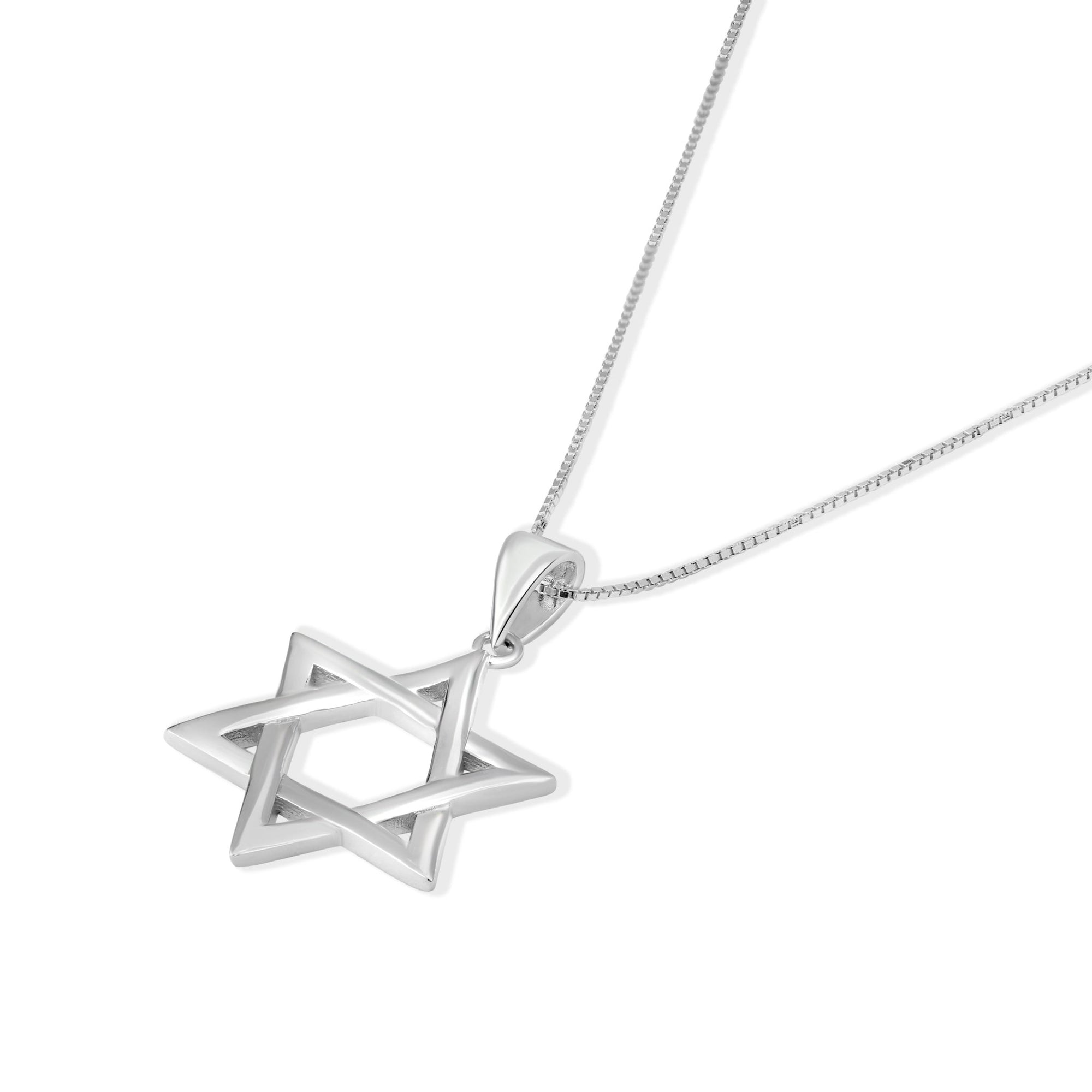


Introduction to the Shofar's Cultural and Spiritual Significance
The Shofar: A Timeless Symbol in Jewish Tradition
The shofar, crafted from the horn of a kosher animal—most commonly a ram—is one of the oldest musical instruments still in use today. Central to Jewish heritage, it has been sounded throughout history during key religious moments, including Rosh Hashanah and Yom Kippur, serving as a call to introspection, repentance, and renewal.
Role in Heritage and Worship
Rooted deeply in biblical narratives, the shofar recalls the ram offered in place of Isaac, symbolizing sacrifice and humility. Its powerful blasts—tekiah, shevarim, and teruah—resonate in synagogues, awakening souls and heralding the presence of the Divine. Beyond ritual sound, the shofar carries spiritual significance as its vibrations are believed to connect worshippers to sacred truths and the cosmic awakening described in Jewish mysticism.
Contemporary Expressions and Authenticity
Today, handcrafted kosher-certified shofars made in Israel embody both tradition and artistry. From semi-polished ram's horns measuring 10 to 12 inches to larger Jericho varieties, they serve as meaningful Judaica. Israeli boutique artists and Judaica stores offer these authentic pieces for both ritual use and cultural celebration, emphasizing craftsmanship and heritage. The shofar remains a profound symbol of Jewish identity, bridging ancient soundscapes with modern expressions of faith and pride.
The Spiritual and Symbolic Meaning of the Shofar
Historical and religious origins of the shofar
The Shofar made from a ram's horn, traditionally made from the horn of a kosher animal like a ram, is one of the oldest ritual instruments in Jewish tradition. It is intimately linked to biblical events, notably the Binding of Isaac, where a ram was offered in Isaac’s place. This powerful image underpins the shofar's role as a symbol of faith, sacrifice, and divine mercy.
Symbolism related to biblical stories like the Binding of Isaac
The shofar and ram's horn symbolism recalls God's provision during the Akedah (Binding of Isaac), signifying humility and submission before God. Its sound reminds worshippers of this pivotal moment when faith and divine intervention intertwined, promoting reflection on obedience and compassion.
The shofar's sound as a catalyst for spiritual awakening and repentance
Blown mainly during Shofar blasts on Rosh Hashanah and Yom Kippur, the shofar’s blasts—Tekiah, Shevarim, Teruah shofar sounds—serve as calls to awaken the soul and inspire teshuvah (repentance). The Mitzvah of hearing the shofar is a deeply spiritual experience, symbolizing God’s kingship, awakening hearts, and guiding individuals toward renewal and forgiveness.
Mystical and Kabbalistic interpretations of the shofar's resonance
Beyond its physical sound, the shofar’s vibrations are believed to carry sacred, mystical energies. Shofar and Kabbalistic sound healing tradition sees it as a conduit for healing and spiritual elevation, connecting humans to divine secrets. The original breath of life given by God at creation is thought to resonate through the shofar’s blast, linking past, present, and future—foreshadowing redemption and the ultimate peace prophesied in Isaiah 27:13 about the shofar.
What is the spiritual significance of the shofar in Jewish tradition?
The shofar holds deep spiritual significance as it is directly linked to biblical stories such as the ram offered in place of Isaac and serves as a call to repentance and spiritual awakening. Its blasts during Shofar blasts on Rosh Hashanah and other occasions signify God's kingship, the awakening of souls, the commemoration of the Shofar recalling the Giving of the Torah, and foreshadow the Shofar and the Day of Judgment. Mystically, the shofar's sound is believed to carry Sacred vibrations of the shofar that promote spiritual growth and healing.
Traditional Craftsmanship and Ritual Requirements
How is a kosher shofar produced and what are the requirements?
The shofar, a sacred instrument in Jewish tradition, must meet strict Choosing a kosher shofar. Primarily crafted from the horn of a What Is a Shofar—a symbol recalling the biblical sacrifice of Isaac—it must be fully hollowed out internally, free from cracks or decorations that could invalidate its ritual use. This ensures it produces a pure, authentic sound when blown.
The production process is meticulous, involving several expert steps. First, the horn is sterilized and softened, allowing it to be straightened and shaped. Next, artisans drill the mouthpiece to the correct dimensions, ensuring ease of blowing. Following this, the horn is carefully brushed and semi-polished, preserving its natural texture while enhancing aesthetics. Each step requires skilled craftsmanship to maintain kosher certification and proper sound quality, found in Handcrafted Shofars.
Physically, the shofar must be at least a tefach (a handbreadth) in length, with a gentle curve and a mouthpiece opening shaped for comfortable use. Its color—ranging from black and brown to white—does not affect its ritual validity. The shofar produces several traditional sounds, including the Tekiah Sound (a long blast) and the teruah (a series of short blasts), all essential for Jewish holidays like Shofar blasts on Rosh Hashanah.
Traditional variations reflect diverse Jewish communities worldwide. For example, the Ram horn Shofars common in Eastern Europe contrasts with the long, spiral shofars from Yemen and Iraq, which emit deep, echoing tones reminiscent of their desert surroundings. Meanwhile, the Modern Israeli Shofar, popular globally, balances affordability with high-quality sound, making it widely accessible yet faithful to ancient tradition.
This Shofar Crafted in Israel—authentic craftsmanship often sourced directly from Israel—supports both the religious significance and cultural heritage embodied in every shofar, allowing those who use it to connect deeply with Jewish history and spirituality.
Modern Designs and Styles: Balancing Tradition and Aesthetics

Varieties of Shofars Available Including Sizes and Polished Finishes
Modern Shofars for Sale cater to diverse preferences and ritual needs. Sizes range from smaller Ram's Shofar 10-12 inches semi-polished ram’s horns to larger types like the Large Jericho Shofar 18-22 inches that measure 18 to 22 inches. Finishes vary from natural to Semi-Polished Ram's Shofar and fully polished surfaces, offering both traditional and refined appearances.
Decorative Enhancements Like Painted Designs and Metal Adornments
Beyond their religious role, shofars have evolved as objects of art. Some are hand-painted with Hebrew words or symbols, while others feature tasteful decorations in silver or gold. These adornments create meaningful, aesthetic pieces that express Jewish Gifts and Jewelry identity and heritage.
Availability of Display Stands and Ornamental Options
To showcase these sacred instruments, optional Olive Wood Shofar Stand and other ornamental displays are widely available. These stands honor the shofar’s spiritual importance and highlight Israeli craftsmanship, making them ideal for homes, synagogues, or Israel-themed home decor collections.
Incorporation of Israeli Craftsmanship and Boutique Artistry
Authenticity is central to modern shofar production. Many pieces come directly from Israeli artisans specializing in Judaica Religious Merchandise, blending traditional religious artistry with innovative design. These boutique craftsmen ensure each shofar is Kosher Certified Shofar and crafted with cultural respect, reinforcing both heritage and modern style.
What Are Some Modern Stylistic Variations in Shofar Merchandise?
Modern shofars come in various sizes and styles—from natural and Semi-Polished Ram's Shofar to fully polished and hand-painted. Some include decorations with symbols or Hebrew inscriptions, and options for silver or gold accents. Olive Wood Shofar Stand and other display accessories complement the shofar aesthetically, reflecting a fusion of traditional religious significance with contemporary artistic expression, often produced by Israeli boutique artisans.
The Role of the Shofar in Contemporary Jewish Rituals and Community

How is the shofar used in today's Jewish religious practices?
The Shofar trumpet remains a vital ritual instrument in modern Jewish worship, predominantly featured during the High Holy Days of Rosh Hashanah and Yom Kippur. It is traditionally blown after the Torah reading and before the Musaf prayer, sounding a series of blasts—including tekiah (a long, single blast), shevarim (three medium broken sounds), teruah (nine quick blasts), and tekiah gedolah (an extended final blast). These sounds serve as spiritual awakenings and calls to repentance, embodying centuries-old traditions.
Obligation and customs surrounding shofar blowing on Rosh Hashanah and Yom Kippur
While Jewish law obligates adult males to hear the Obligation to hear the shofar, the custom encourages women and children to participate as well. Typically, nearly 100 blasts are sounded throughout the Rosh Hashanah service to fulfill this commandment fully. Additionally, a single blast concludes Yom Kippur, symbolizing the closing of the sacred day.
Sound types and their significance during prayer services
Each blast of the shofar conveys distinct meanings. Tekiah, shevarim reflects brokenness and repentance, and teruah signals an urgent call to awaken the soul. The combination of these sounds enriches the spiritual atmosphere, reminding worshippers of historic events such as the shofar - Jewish wind instrument including the Binding of Isaac and the Revelation at Mount Sinai.
Community practices including who hears the shofar and participation
In practice, synagogues ensure the Shofar blowing during synagogue services is heard by as many congregants as possible, emphasizing communal involvement. Though only men are religiously bound to listen, many communities actively engage families including women and children, fostering unity and transmission of tradition.
Expertise involved in blowing the shofar and its educational importance
Blowing the Shofar Musical Instrument skillfully requires practice and understanding of the correct techniques. Experienced shofar blowers often lead services and teach others, ensuring the mitzvah is fulfilled properly. Educational programs and demonstrations help maintain this ancient art, preserving its profound religious and cultural significance for future generations.
E-commerce and Cultural Preservation: Shofars in the Digital Marketplace
Selling kosher-certified shofars with authenticity assurance
Kosher certification is essential when purchasing a Kosher Certified Shofar, guaranteeing the horn complies with Jewish law. Online Judaica stores specialize in offering Kosher Certified Shofars, many Shofar Crafted in Israel by skilled artisans. These shofars come with rabbinical endorsements and certificates, ensuring buyers receive authentic Judaica Religious Merchandise suitable for traditional rituals like Shofar blasts on Rosh Hashanah and Yom Kippur.
Integration of Israeli-made craftsmanship with online retail
The availability of Handcrafted Shofars made in Israel on digital platforms bridges heritage craftsmanship with modern access. Each shofar is often Semi-Polished Ram's Shofar, polished, and sound-tested, exemplifying traditional methods passed down through generations. Websites ship these ritual horns directly from Jerusalem Shofar Shipping, reinforcing their connection to the Holy Land and Jewish identity.
Offering Judaica merchandise that connects customers to heritage
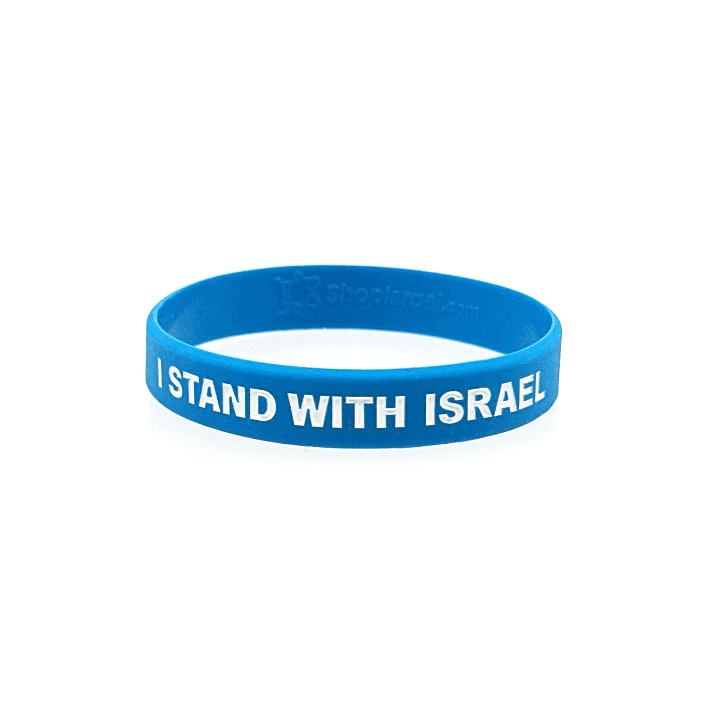
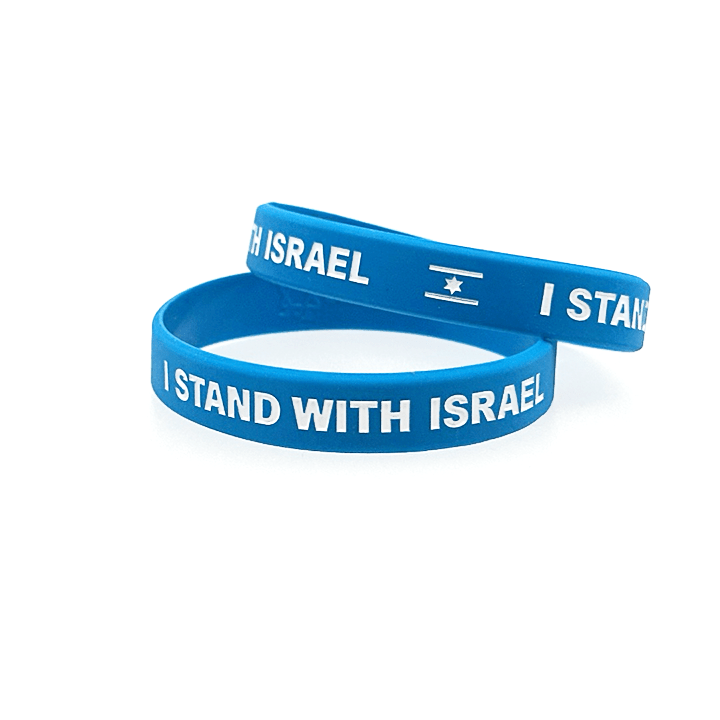
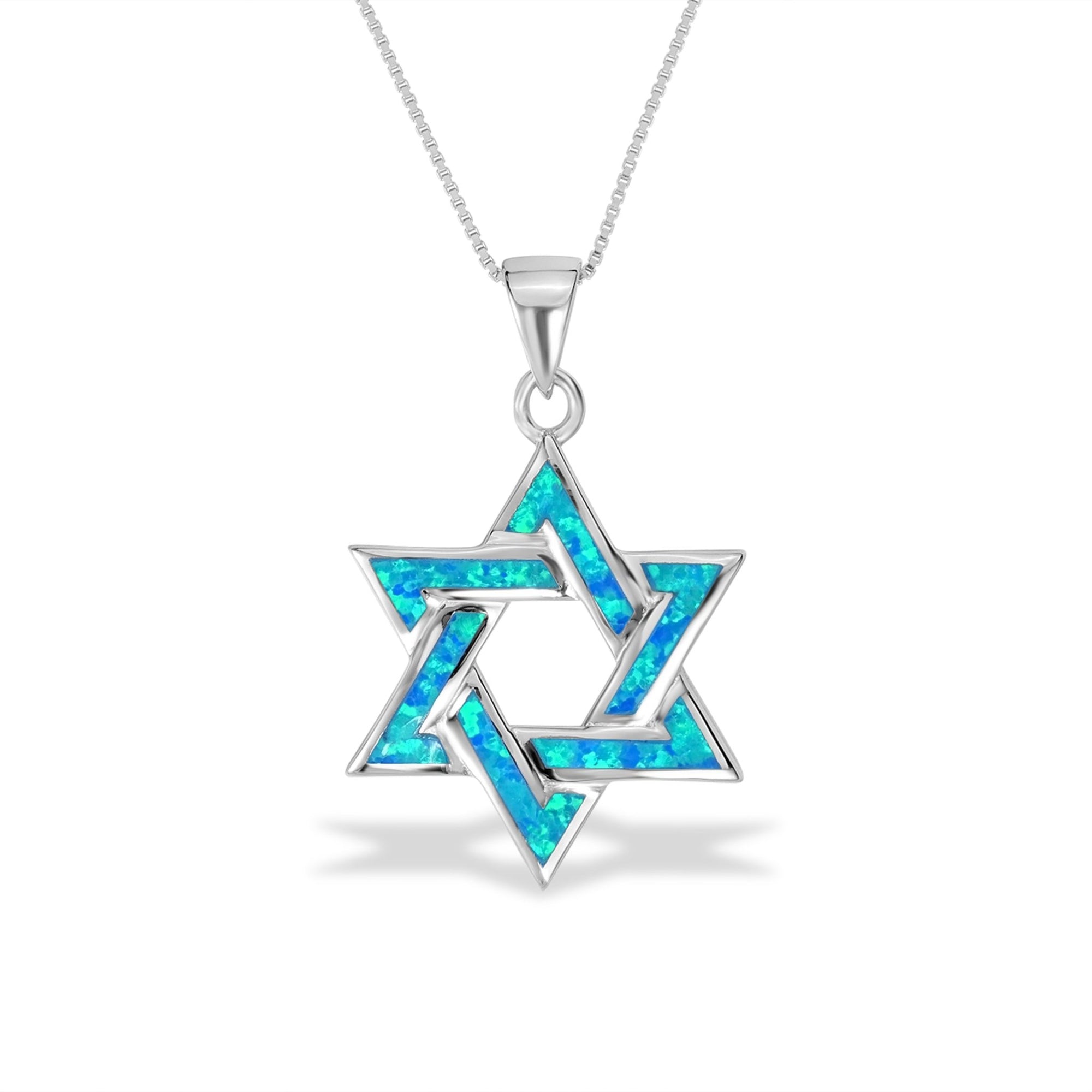
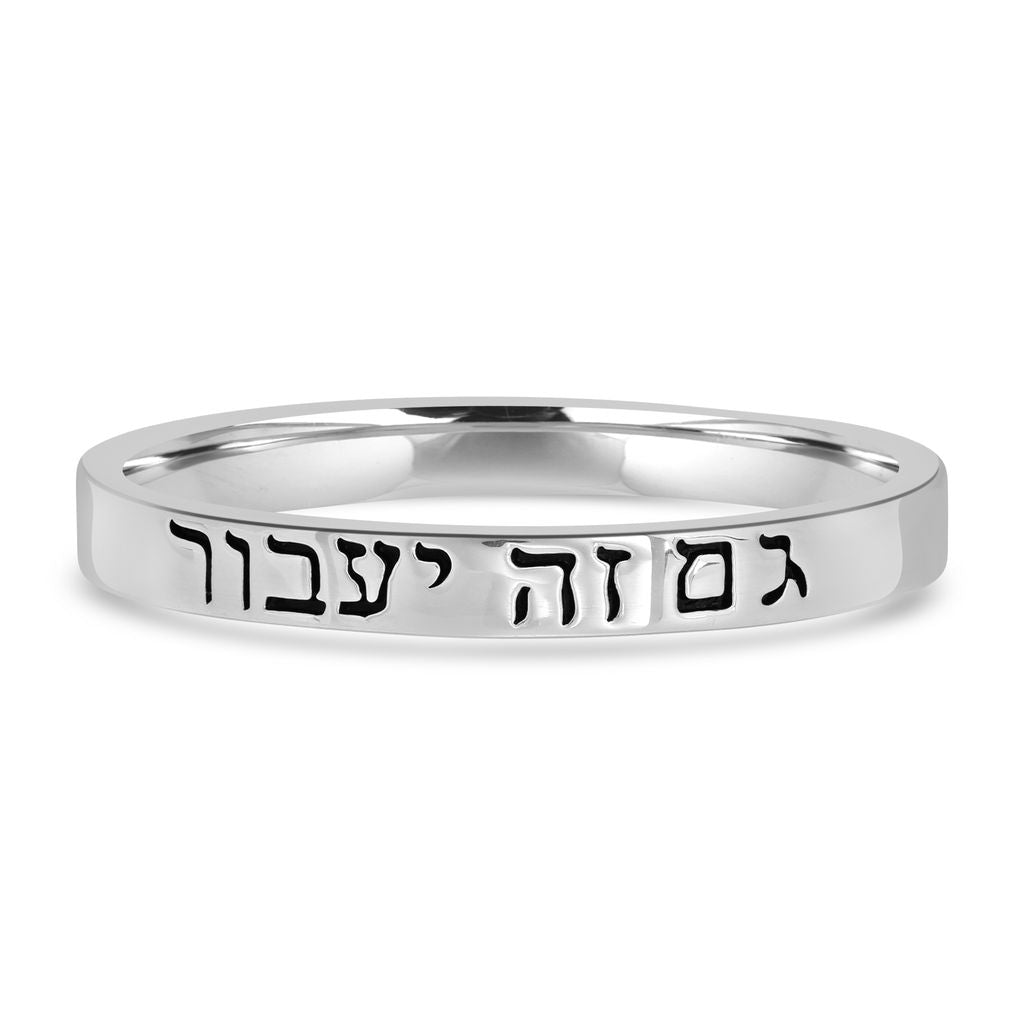
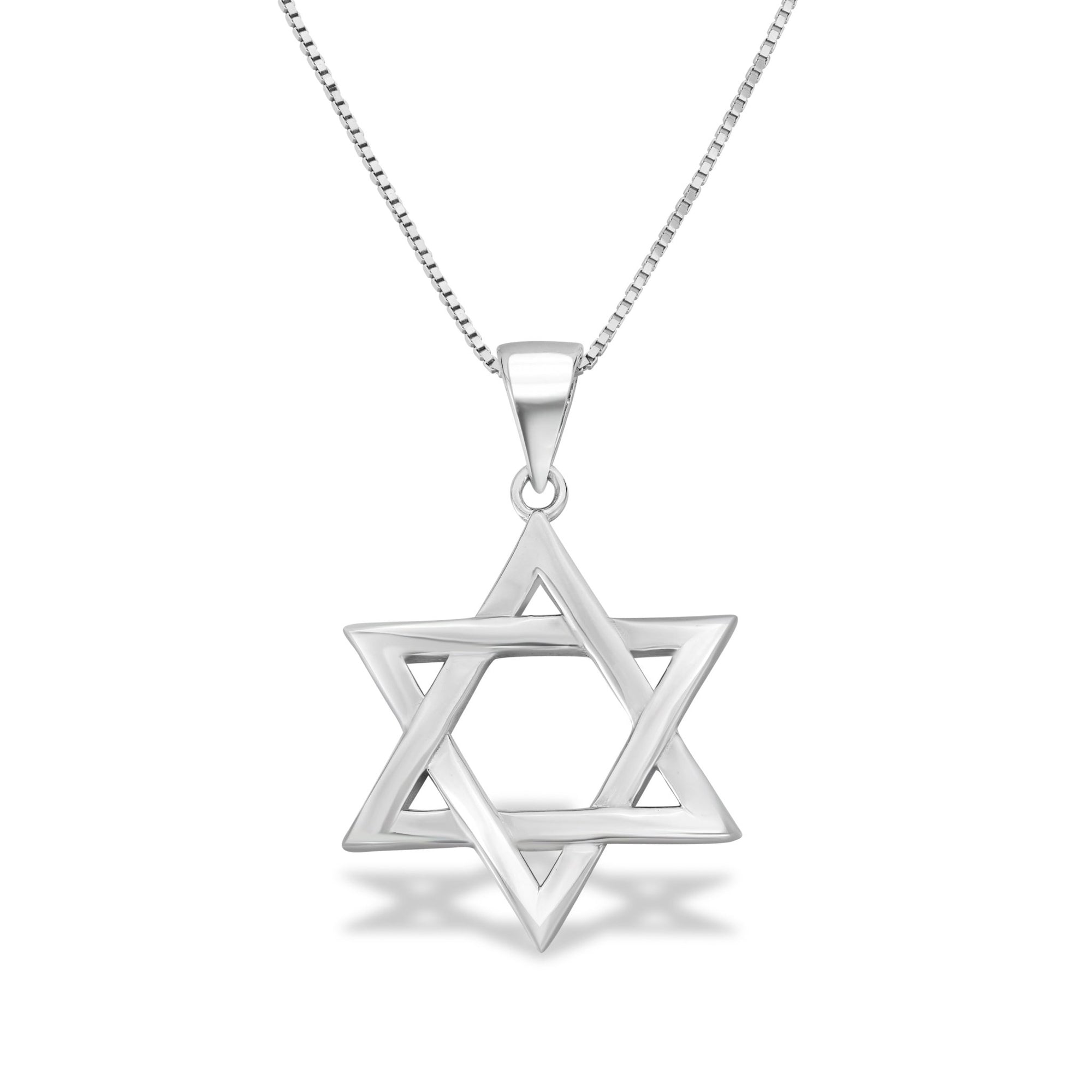
Beyond shofars, online Judaica stores offer a wide array of cultural and religious items such as mezuzahs, menorahs, kippahs, and jewelry, emphasizing symbols like the Star of David home decor and Hebrew inscriptions. This broad product range helps diaspora communities and supporters worldwide celebrate and express their Jewish Gifts and Jewelry heritage and solidarity.
Customer reviews emphasizing quality and cultural significance
Many online platforms showcase customer testimonials praising the quality, authenticity, and cultural importance of their Judaica products. Buyers appreciate prompt service, detailed product knowledge, and the chance to own meaningful ritual objects that uphold Jewish Tradition Merchandise and inspire pride.
How do online Judaica platforms contribute to the preservation and accessibility of shofars?
Online Judaica platforms contribute significantly by offering Kosher Certified Shofars, handcrafted shofars produced in Israel, ensuring both authenticity and preservation of tradition. They provide rich cultural context and certification information that educate customers about the Mitzvah of hearing the shofar and religious role. By making these sacred items globally accessible, such platforms promote Jewish cultural pride and heritage, reinforced by customer feedback on craftsmanship and service.
Integrating the Shofar with Israel-Themed Lifestyle and Apparel
In what ways do modern Israeli-themed apparel and accessories complement traditional shofar merchandise?
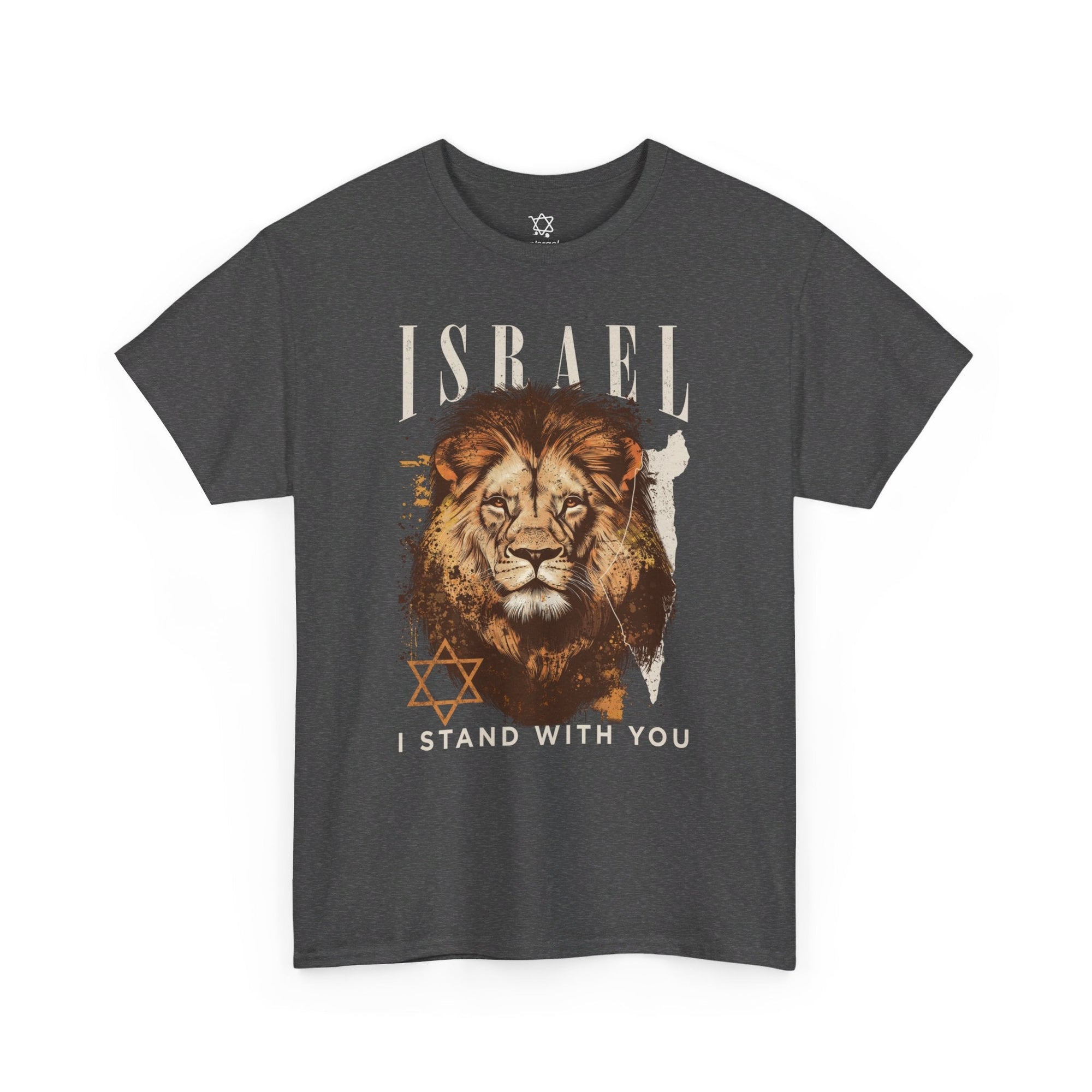
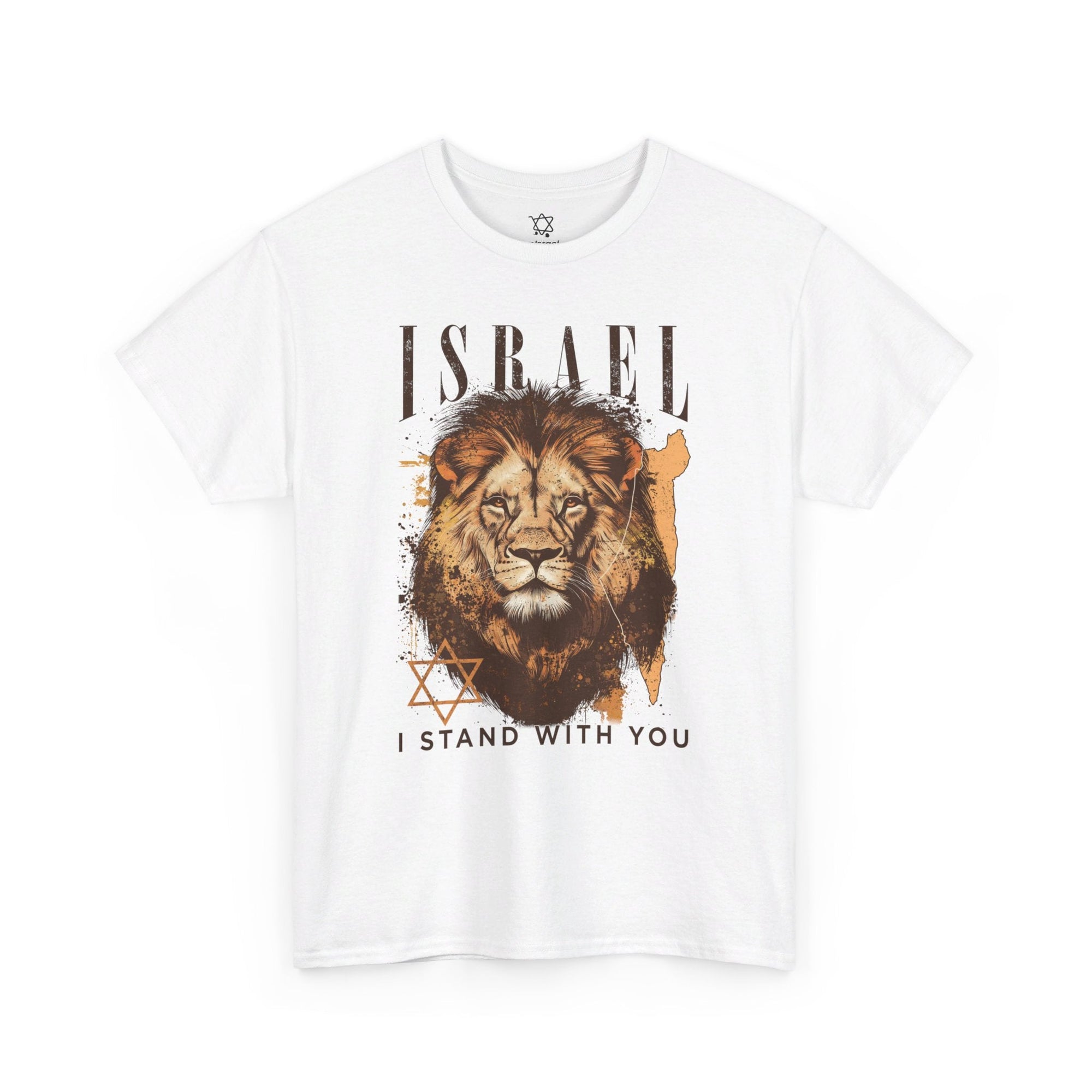
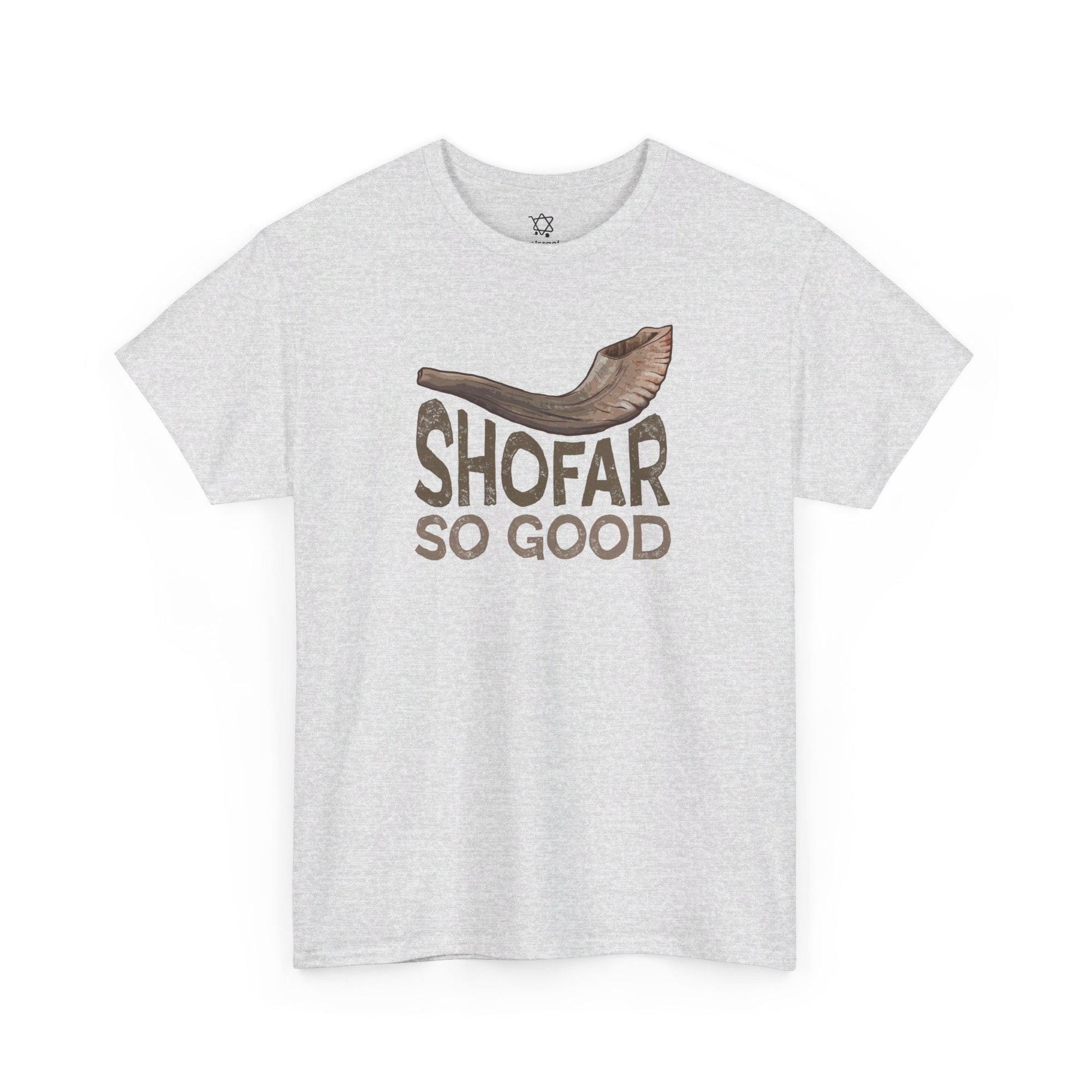
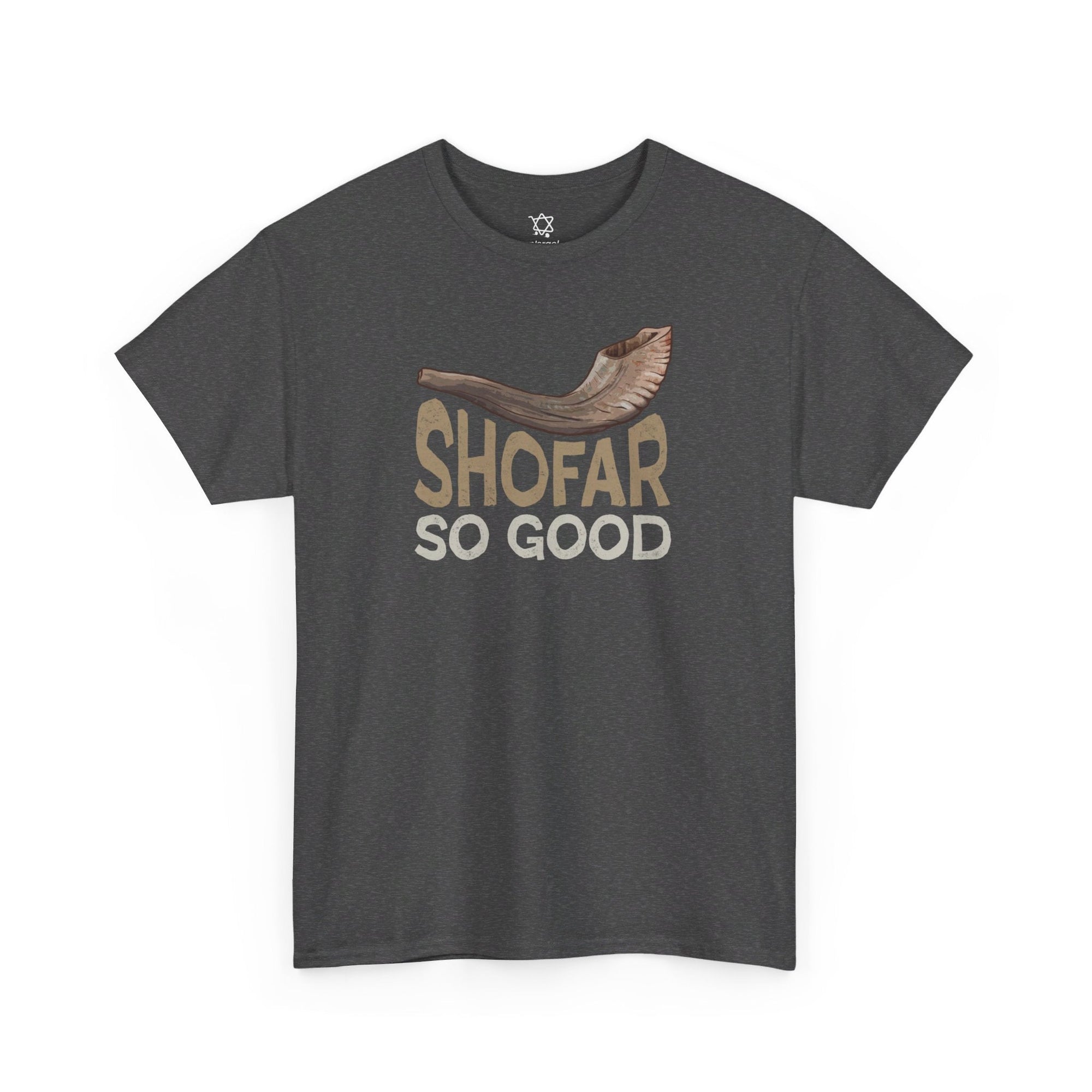
Modern Israeli-themed apparel and accessories beautifully complement traditional shofar merchandise by weaving Jewish cultural pride into everyday lifestyles. These products often display Hebrew words, such as חי (Alive) or כוח (Power), alongside iconic Jewish symbols, thus echoing the spiritual significance of the shofar in a contemporary fashion statement.
Founded by designers with deep Israeli roots, brands like Oytiot Designs bridge heritage and current trends. They offer clothing and home decor that cultivate a strong Jewish identity, just as the shofar serves as a ritual emblem during sacred occasions. Together, they create visible expressions of solidarity, pride, and remembrance.
Connections between shofar merchandise and Israeli pride clothing
Shofar items, made in Israel and kosher-certified, share cultural authenticity with Israel-themed apparel. Both emphasize traditional craftsmanship and the Jewish historical connection to the land of Israel. Wearing Hebrew script T-shirts or displaying Judaica at home creates a cultural environment that honors Jewish values and heritage, reflecting the same patriotism embodied in the shofar.
Cultural symbols that complement shofar items in modern collections
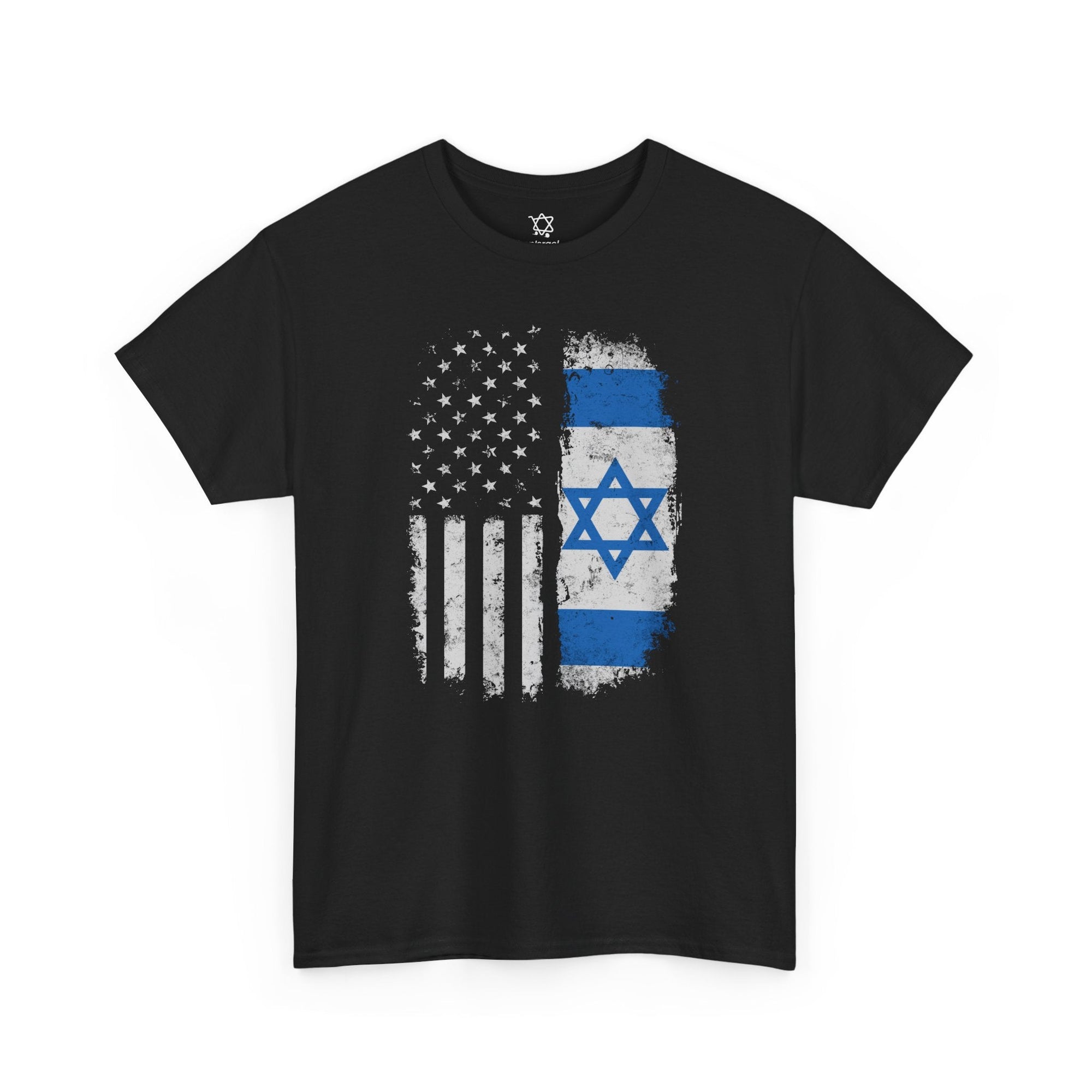
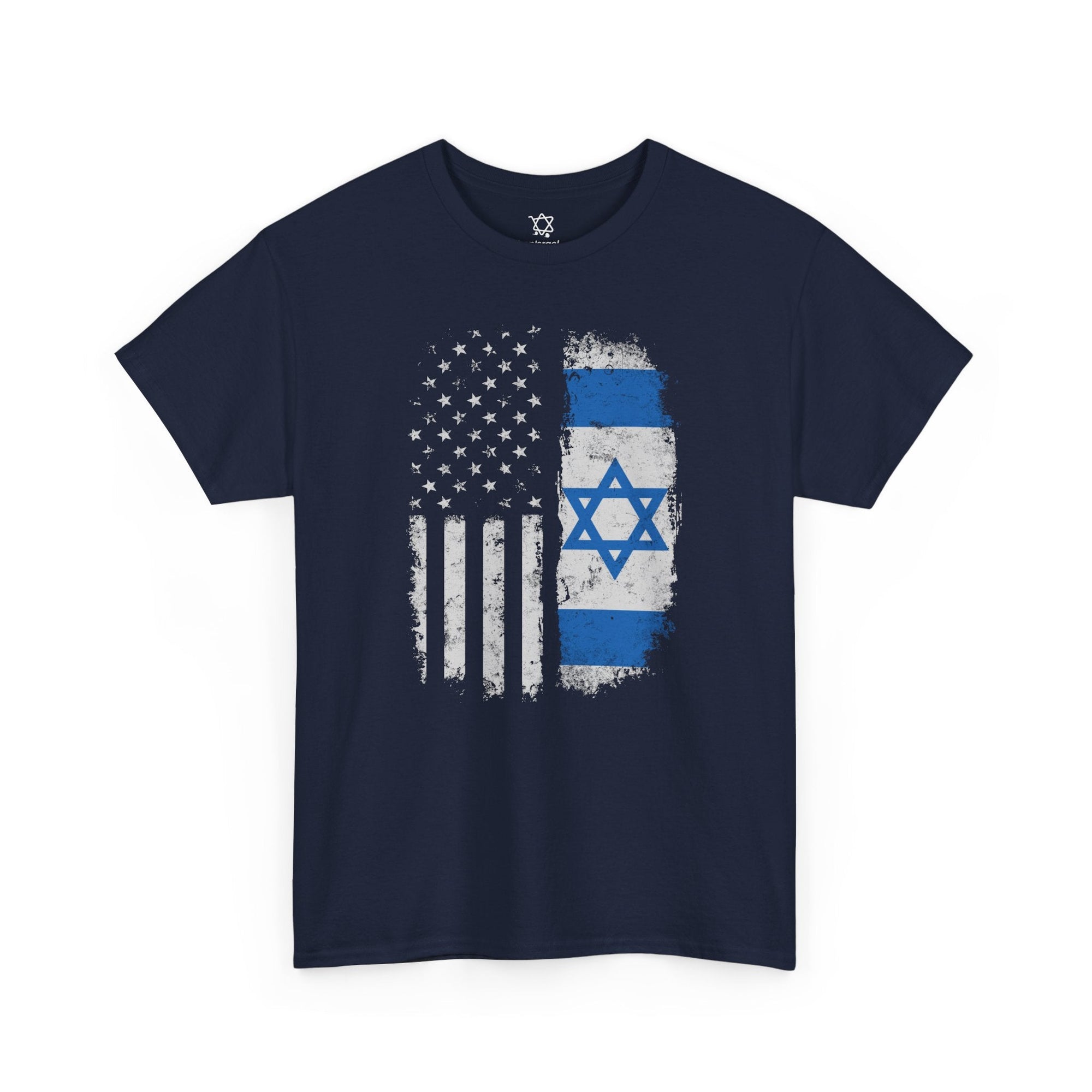
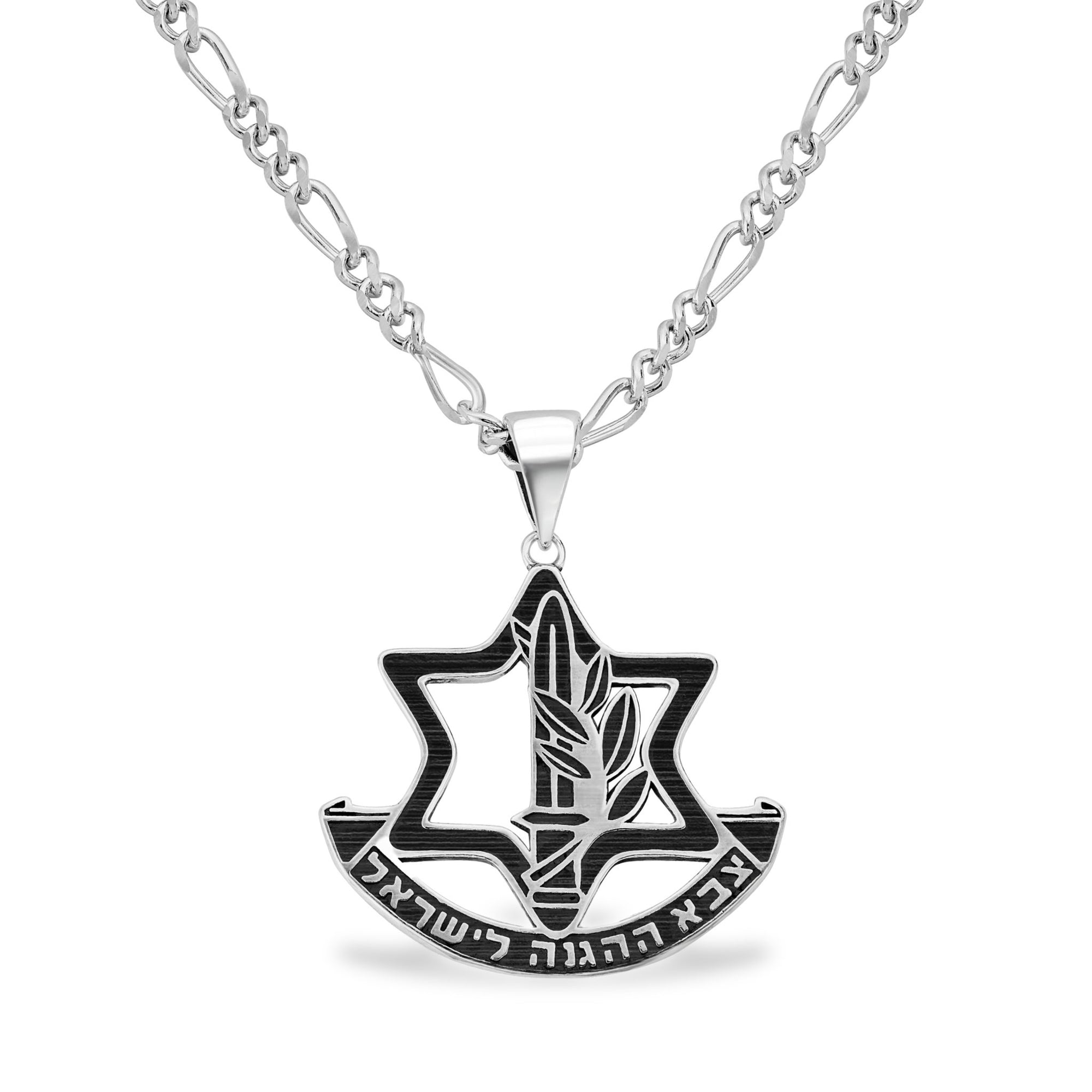
Symbols like the Star of David, Chai, Jerusalem Stone motifs, and the Israeli flag commonly accompany shofar-themed collections. These add layers of meaning and serve as cultural markers that enhance Jewish pride, linking the spiritual resonance of the shofar blasts with visible artistic expressions in jewelry, clothing, and home decor.
Social responsibility aspects linked to merchandise sales
Many Israeli-themed brands incorporate social missions, such as supporting IDF soldiers and victims of events like October 7. By purchasing these items, consumers participate in a cycle of cultural empowerment and communal care, extending the deeper purpose behind wearing or owning these symbols beyond aesthetic appreciation.
This integration of traditional shofar sound and symbolism with contemporary Israeli pride apparel and accessories forms a meaningful tapestry. It connects spirituality with daily life, history with modernity, and cultural identity with social responsibility, offering diaspora and supporters worldwide a profound way to celebrate and express their Jewish heritage.
Care and Longevity: Maintaining the Shofar’s Sound and Integrity
What are best practices for caring for and maintaining a shofar?
Proper care and maintenance are essential to preserve the powerful sound and kosher validity of a Kosher Certified Shofar, an object of deep religious significance.
The shofar should be regularly cleaned, typically using compressed air or similar gentle methods, to remove debris and prevent the buildup of odors. This routine care helps maintain hygiene without damaging the horn's delicate interior.
After cleaning, it is recommended to store the shofar in open air rather than enclosed spaces. This practice allows it to dry thoroughly and prevents moisture-related damage, thereby extending its longevity. Many devotees keep their shofar on elegant Olive Wood Shofar Stand, emphasizing its importance and care as a cherished religious artifact.
Specialized Shofar Odor Neutralizers designed for shofars are also available and can be used to keep the instrument smelling fresh, which supports both aesthetic appeal and ritual purity.
Maintaining the shofar's sound quality is not only a matter of physical upkeep but also a spiritual responsibility. The Kosher Certified Shofars kosher certification depends on its structural soundness—cracks, blockages, or improper alterations can invalidate it for ritual use.
Responsible ownership includes thoughtful handling during use and display, respecting the shofar as an extension of Jewish Tradition Merchandise and heritage.
Through mindful cleaning, appropriate storage, and respect for its sanctity, the shofar remains a vibrant symbol of faith, awakening the soul and heralding divine messages during sacred occasions.
Embracing Tradition Through a Modern Lens: The Shofar Today
The enduring importance of the shofar in Jewish cultural identity
The shofar, traditionally crafted from a ram's horn, carries profound spiritual and historical significance in Jewish culture. Its sound, ringing through the High Holy Days of Rosh Hashanah and Yom Kippur, symbolizes a call to repentance, humility, and renewal. Rooted in biblical stories and embodied in religious rituals for centuries, the shofar serves as a powerful reminder of Jewish heritage and faith. It awakens the soul, heralds divine kingship, and fosters a personal connection to ancestral traditions.
How contemporary production and design enhance accessibility and appeal
Modern craftsmanship blends time-honored techniques with aesthetic innovation, making shofars more accessible and appealing to diverse audiences. Handcrafted in Israel, kosher-certified shofars come in various sizes and finishes—from the classic semi-polished ram's horn to polished and artistically adorned versions. Some are accompanied by olive wood stands, offering elegant display options that honor their sacred origins while fitting contemporary decor. Vibrant designs and quality materials showcase cultural pride and invite younger generations to engage with tradition in meaningful ways.
The role of digital retail in preserving and promoting Judaica
Online Judaica boutiques have become essential platforms for preserving Jewish culture and expanding its reach worldwide. By offering authentic, Israeli-made shofars and other ritual items through digital storefronts, these retailers connect diaspora communities to their roots regardless of geography. Detailed product descriptions, certification assurances, and customer reviews provide transparency and trust. Through e-commerce, Judaica transcends borders, making cultural expression and religious observance more accessible than ever.
Encouraging personal connection to heritage through modern merchandise
Beyond ritual practice, modern Judaica merchandise—including shofars—serves as meaningful gifts and symbols of identity. Embracing traditional items within everyday life encourages reflection and a deeper appreciation of Jewish values. Whether displayed proudly on a mantle or used reverently during services, these objects strengthen communal bonds and individual faith journeys. Contemporary outlets also blend heritage with creativity, inspiring a proud celebration of Israeli culture and Jewish continuity in today’s world.