

Introduction to the Star of David’s Significance in Jewelry
Basic Description and Symbolism of the Star of David
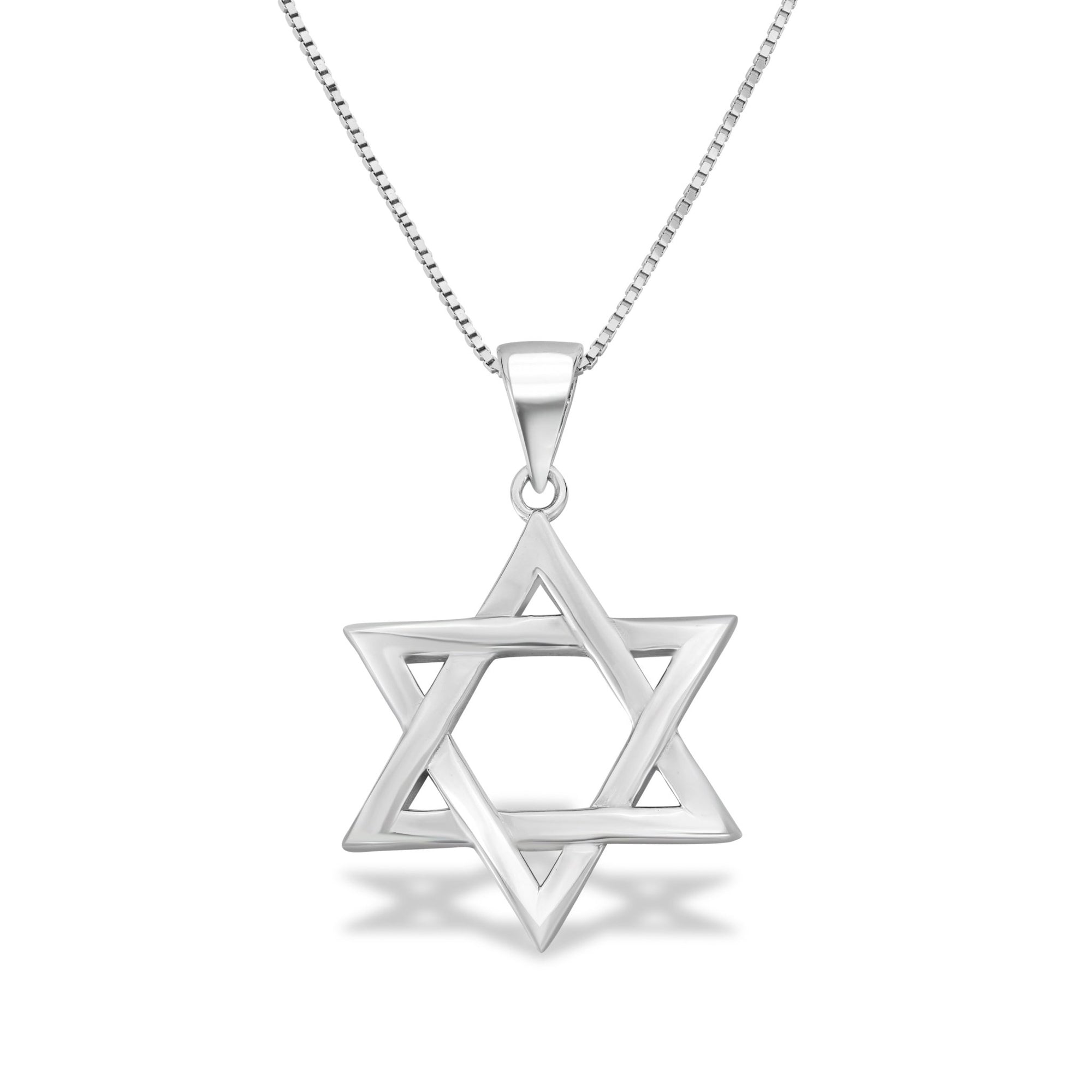
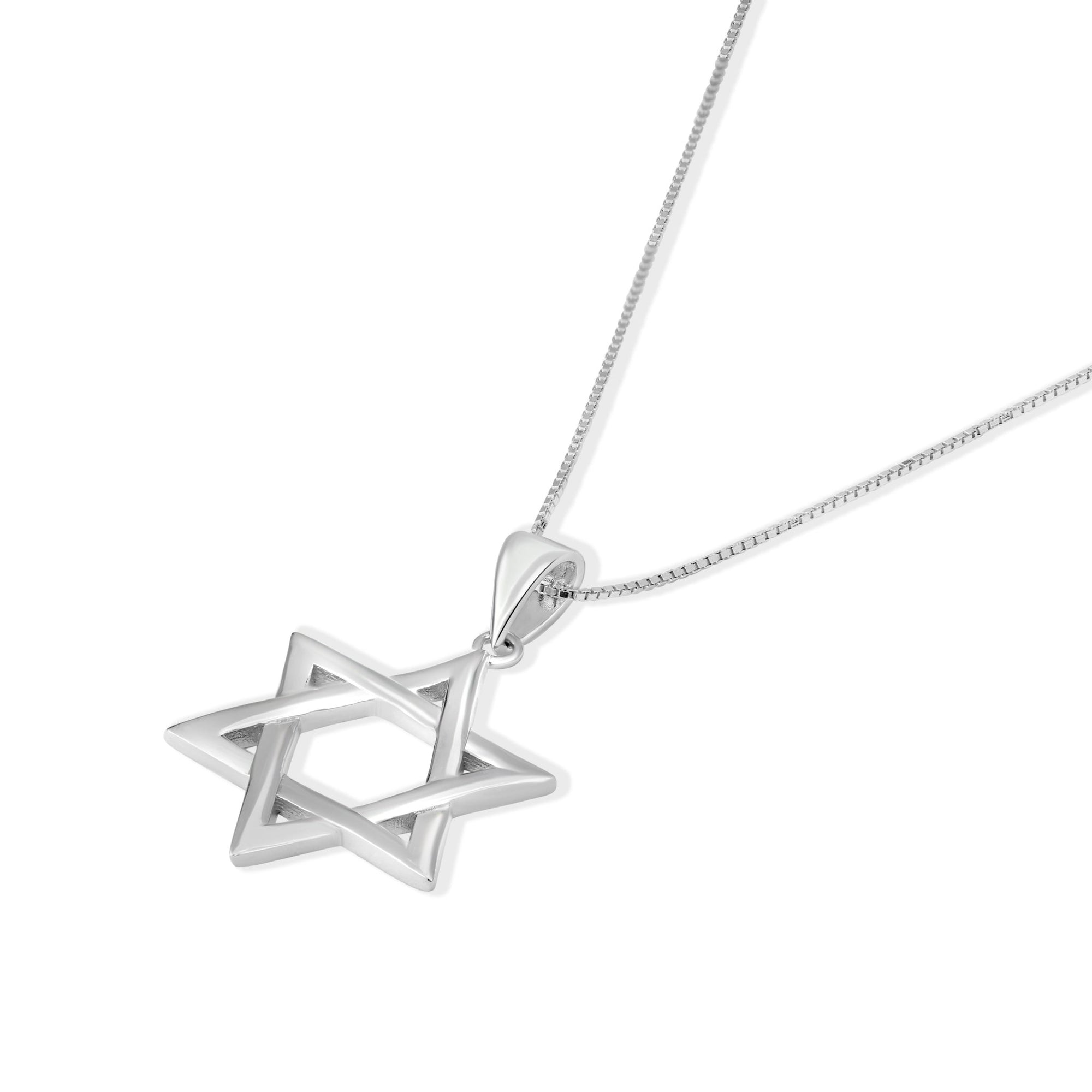
The Star of David, or Magen David in Hebrew, is a striking symbol featuring two overlapping equilateral triangles forming a six-pointed star. Historically, it stands as a marker of Jewish identity, divine protection, and spiritual connection. It symbolizes unity and the link between Heaven and Earth, making it both a cultural and sacred emblem.
Evolution from Decorative Motif to Jewish Emblem
Originally seen as a decorative motif with no biblical ties to King David, the symbol gained prominence among Jewish communities beginning in the 17th century, especially in Central Europe. It was embraced as a sign of protection and community identity and ultimately became the centerpiece of the Israeli flag at the Zionist Congress in 1897. Throughout history, it transformed from a mystical symbol to a declaration of faith and unity.
Cultural Significance in Jewelry Today
Jewelry featuring the Star of David is crafted with deep reverence and pride, often made from gold or silver by skilled Jewish artisans. It serves as a powerful expression of Jewish heritage, solidarity, and resilience, especially in times of challenge. Today, it’s popular among both Jewish wearers and admirers who respect its meaning, blending cultural pride with modern fashion. Wearing the Star of David jewelry is a personal and collective statement of faith, identity, and hope.
Historical Roots and Evolution of the Star of David

Origins of the Star of David shape
The Star of David, composed of two interlocking equilateral triangles forming a six-pointed star (hexagram), originally appeared as a decorative motif across various cultures, including Jewish, Christian, Islamic, Hindu, and Buddhist traditions. Its use predates any direct association with Judaism and was often connected to spiritual concepts such as the harmony of opposing elements.
Transition from decorative use to Jewish identification
Although the Star of David lacks direct biblical or archaeological linkages to King David, it began to acquire mystical and protective significance in the Middle Ages. By the 17th century, Jewish communities, particularly in Prague, started adopting the symbol as a mark of Jewish identity, reflecting a growing communal embrace beyond mere decoration.
Adoption as a Jewish symbol in Prague and across Europe
The symbol gained widespread recognition in Jewish Eastern Europe during the 18th and 19th centuries. In Prague, Jews were officially granted the right to bear a flag featuring the Star of David in the 14th century, marking one of the earliest recorded uses for communal representation. Over time, synagogues and Jewish institutions prominently displayed the symbol, reinforcing its role as a Jewish emblem.
Role in Jewish identity and the flag of Israel
The Star of David's association with Jewish nationalism was cemented at the First Zionist Congress in 1897, where it was chosen to appear on the flag representing the emerging Jewish state. Following Israel's establishment in 1948, the star became the centerpiece of the national flag, symbolizing unity, divine protection, and the enduring spirit of the Jewish people worldwide.
How did the Star of David evolve as a Jewish symbol?
Initially a decorative motif, the Star of David evolved into a Jewish identifier by the 17th century in Prague and throughout Europe. Its adoption on the Israeli flag in 1897 solidified its status as the quintessential symbol of Jewish identity, heritage, and perseverance.
Symbolism and Spiritual Significance of the Star of David

What spiritual meanings does the Star of David hold?
The Star of David, known as Magen David in Hebrew, is composed of two overlapping equilateral triangles forming a six-pointed star, symbolizing the harmony and unity of opposing forces such as heaven and earth, spirit and matter.
In Jewish mystical tradition, particularly Kabbalah, this star holds profound significance. It appears at the center of the Kabbalistic Tree of Life, an important spiritual diagram representing creation, wisdom, and the path toward spiritual growth.
This positioning highlights the Star of David as a divine protection symbol. It embodies the relationship between God and humanity, standing as a protective emblem that offers unity and strength.
Throughout history, the star has also represented balance—between the spiritual and the physical worlds—symbolizing the human quest to bridge the gap between celestial and earthly realms.
Jewish wearers often view it as a sign of enduring resilience and connection to their faith, heritage, and divine promise, making the Star of David symbolism both a spiritual and cultural emblem of profound importance.
The Star of David in Contemporary Jewish Jewelry

How is the Star of David incorporated into modern jewelry?
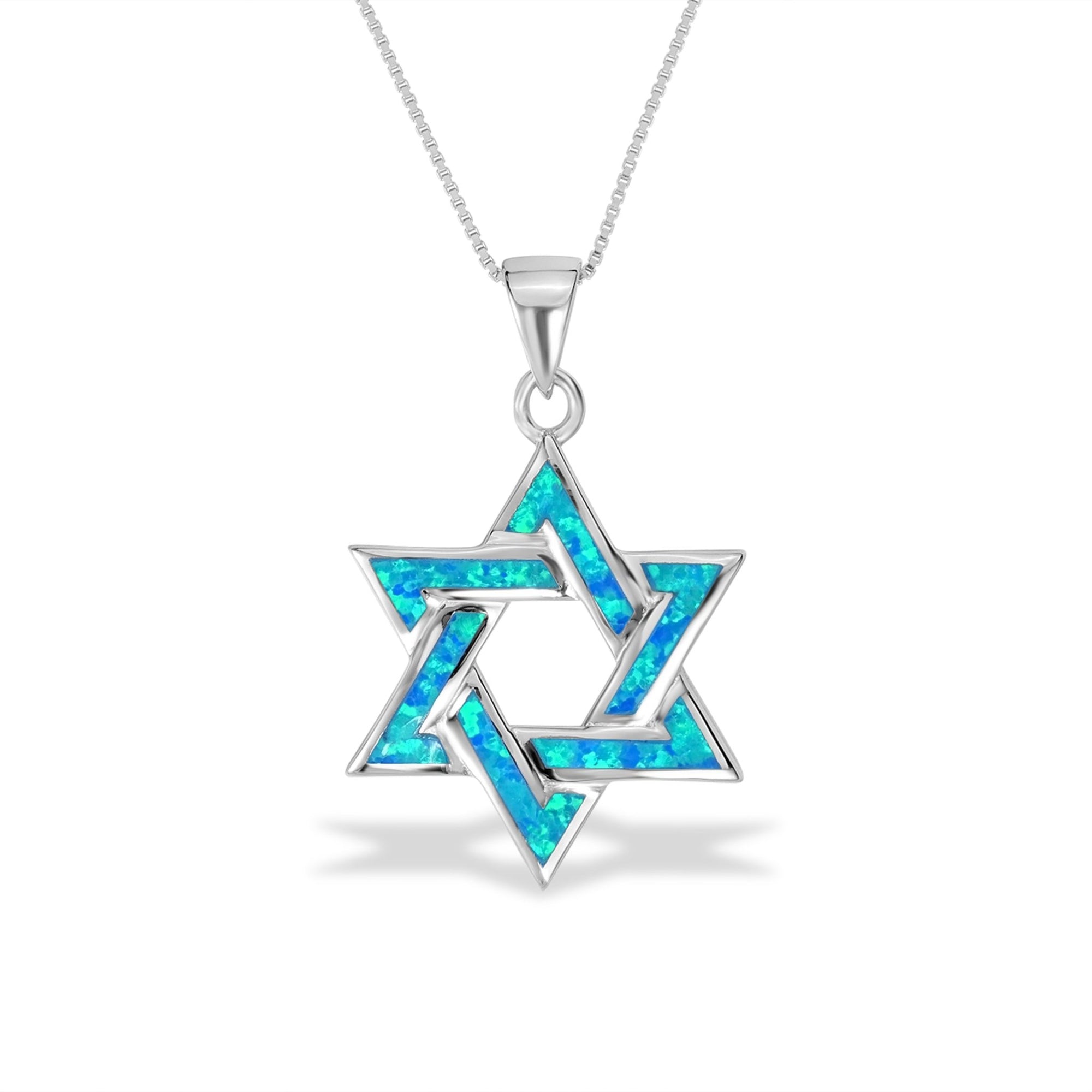
Jewelry featuring the Star of David symbolism is a vibrant expression of Jewish identity symbol and cultural pride.
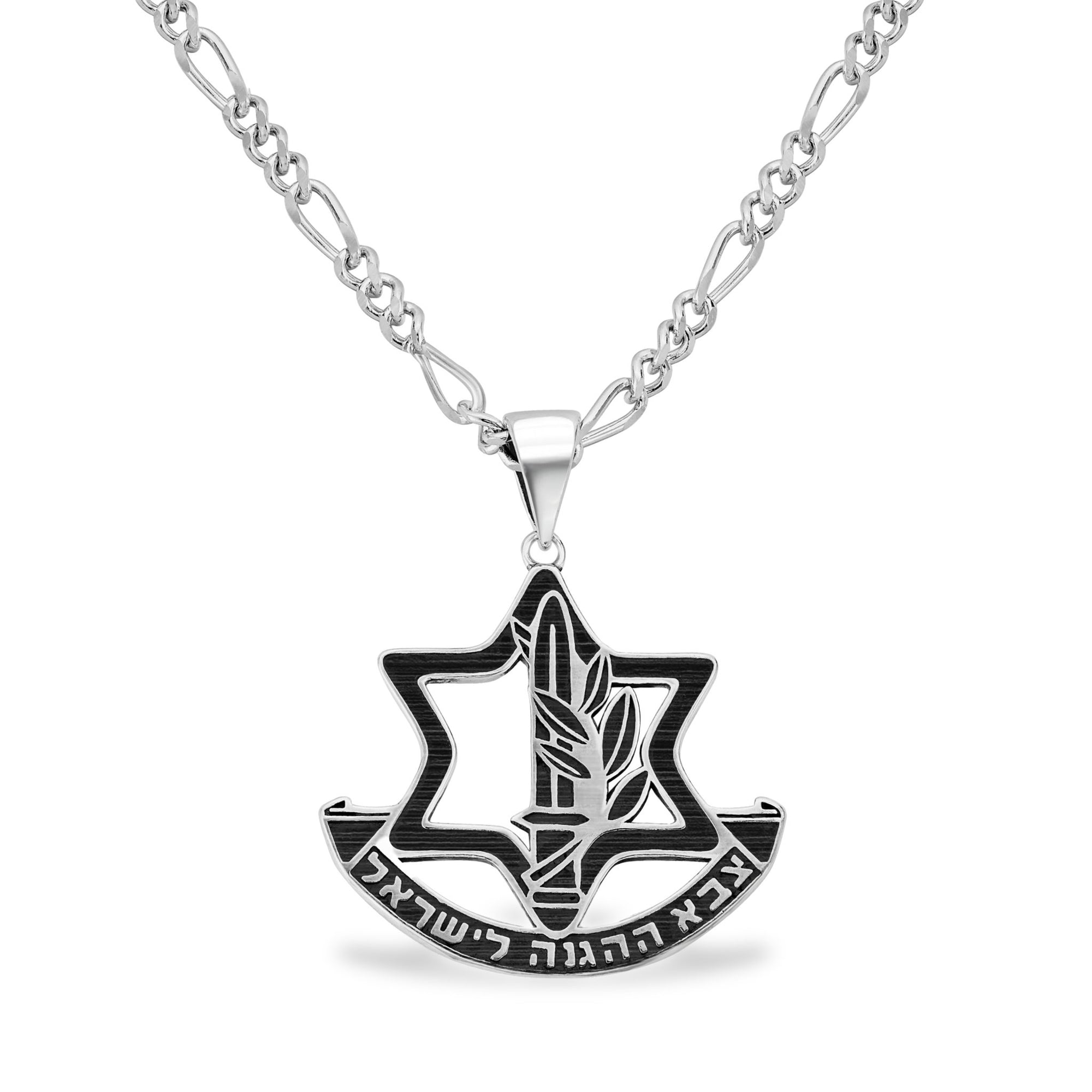
This iconic symbol appears in a variety of pieces including Jewish symbols in fashion. Crafted predominantly from fine materials such as Gold and silver Star of David, these items showcase the skilled handiwork of Jewish artisans, many of whom are based in Israel.
The styles reflect a wide spectrum—from classic, timeless designs to contemporary interpretations, catering to diverse tastes within the community. Beyond ornamentation, these pieces symbolize Star of David symbolism.
Prices for Star of David jewelry typically range from around $200 for sterling silver options to as much as $3000 for luxurious gold pieces that may feature diamonds or other precious stones. This range ensures accessibility for those seeking meaningful jewelry that honors their cultural roots.
Jewelry bearing the Star of David symbol not only adorns the wearer but also serves as a powerful emblem of faith, solidarity, and Jewish pride and the Star of David.
Jewish Pride and Contemporary Expression Through the Star of David
Why has the Star of David become more prominent recently?
Since the tragic events of October 7, 2023, and the accompanying surge in antisemitism globally, the Star of David symbolism has experienced a renewed prominence as a powerful emblem of Jewish pride and resilience. It has become a visible declaration of solidarity and strength for Jewish communities facing adversity.
Wearing the symbol as solidarity and cultural pride
Jews worldwide are increasingly wearing the Star of David not just as adornment but as a profound expression of cultural identity and communal support. This visible act promotes unity and reminds observers of the enduring spirit of the Jewish people.
Use among younger Jews and wider audiences
The resurgence of interest is particularly strong among younger Jews who see the symbol as a connection to their heritage and an affirmation of their faith in challenging times. Moreover, the symbol’s spiritual and cultural significance has broadened its appeal beyond Judaism, embraced respectfully by wider audiences.
Jewelry as a political and cultural statement
Star of David jewelry, often crafted in Israel by skilled Jewish artisans using precious metals like silver and gold, carries deep cultural meaning. Wearing such jewelry functions as a statement bridging faith, heritage, and contemporary identity politics, reinforcing Jewish resilience and hope in today’s world.
Cross-Cultural and Broader Spiritual Contexts of the Star of David
Is the Star of David exclusive to Judaism?
No, the Star of David, formed by two interlocking triangles creating a hexagram, is not exclusive to Judaism. This symbol has a rich history that transcends cultural and religious boundaries. Its use dates back to antiquity where it appeared as a decorative and symbolic motif across various civilizations.
Use in other religions like Hinduism, Christianity, and Islam
The hexagram was embraced by multiple religions including Hinduism, Christianity, and Islam. In Hinduism and Buddhism, it often symbolizes cosmic harmony and balance. In Islamic tradition, known as the "Seal of Solomon," it featured on mosques and flags, such as Morocco’s until 1945. Christianity also incorporated the symbol as a spiritual emblem representing divine protection.
Ancient use as a hexagram symbol in diverse cultures
Historically, the hexagram represented important spiritual concepts: in alchemy, it embodied the harmony of opposing elements like fire and water. It was linked to the four classical elements and symbolized unity between Heaven and Earth. This diverse use shows the emblem’s universal appeal as a symbol of power, balance, and protection.
Spiritual meanings beyond Judaism
Beyond its Jewish significance, the Star of David often expresses unity, strength, and divine connection. Its placement at the center of the Jewish Tree of Life reflects creation and spiritual growth but these themes resonate broadly across cultures, representing prosperity, equality, and protection.
Respectful wearing by non-Jewish individuals
Today, many non-Jewish people wear the Star of David respectfully, appreciating its broad spiritual and cultural meanings. While it remains a profound sign of Jewish identity, its universal symbolism allows it to serve as a bridge of mutual respect and understanding among diverse communities.
| Aspect | Details | Significance |
|---|---|---|
| Symbol Shape | Two interlocking triangles (hexagram) | Represents harmony and unity |
| Religious Use | Judaism, Hinduism, Islam, Christianity | Diverse spiritual and protective meanings |
| Historical Background | Decorative motif in ancient cultures | Common spiritual emblem across civilizations |
| Modern Usage | Jewelry and cultural symbols globally | Expression of identity, protection, respect |
| Wearing by Non-Jews | Accepted with respect | Promotes cultural appreciation and solidarity |
From Persecution to Pride: The Resilience Embedded in the Star of David
How did the Star of David’s meaning change during and after the Holocaust?
During World War II, the Star of David, once a sacred and unifying Jewish symbol, was tragically misappropriated by the Nazi regime. Jews were forced to wear a yellow Star of David badge during the Holocaust, marking them for persecution and death. This episode stained the symbol with a deep association to suffering and hatred as millions of Jews were murdered during the Holocaust.
Transformation into a Symbol of Resistance and Hope
Despite this dark history, the Star of David evolved beyond a badge of oppression. It emerged as a powerful emblem of Jewish resilience, resistance, and survival. Rather than a mark of shame, it became a reminder of the strength and unity of the Jewish people in the face of unimaginable adversity.
A Modern Symbol of Justice, Loving-Kindness, and Tikkun Olam
Today, the Star of David represents more than identity; it embodies core Jewish values such as tzedek (justice), chesed (loving-kindness), and tikkun olam (repairing the world). These principles highlight the commitment of the Jewish community to foster fairness, kindness, and global betterment, making the symbol a beacon of hope and moral responsibility.
Role in Jewish Unity and Identity Globally
Globally, the Star of David continues to unify Jews across diverse communities. Worn proudly in Star of David jewelry, displayed in synagogues, and flown on Israel’s flag, it remains an unmistakable mark of heritage and solidarity. In recent times, especially following acts of antisemitism, many wear it openly as an expression of pride, defiance, and unwavering faith in Jewish continuity.
The Star of David's journey from a symbol exploited for persecution to one of enduring pride and identity encapsulates the remarkable resilience of the Jewish people throughout history.
Enduring Symbolism and Personal Meaning in Star of David Jewelry Today
A Bridge Between Heritage, Faith, and Identity
The Star of David, or Magen David, serves as a powerful connector to Jewish heritage, faith, and identity. Formed by two interlocking triangles, this symbol embodies the divine protection and unity that have long characterized Jewish tradition. Wearing it today reflects both a personal and collective bond with centuries of Jewish history, spirituality, and culture.
A Modern Emblem of Pride and Solidarity
In contemporary society, Star of David jewelry transcends religious contexts to become a broader cultural emblem. Particularly following recent global events, it has gained renewed significance as a statement of resilience and solidarity within the Jewish community worldwide. Many young Jews and supporters wear these pieces to proudly express their heritage and reinforce ties to Israel and Jewish identity.
Honoring History Through Jewelry
Crafted often from gold or silver by skilled Jewish artisans, Star of David jewelry honors the enduring Jewish story. More than an accessory, it stands as a tribute to survival and hope, transcending its previous painful associations and symbolizing strength. Whether gifted for significant life moments or worn daily, it encapsulates the wearer’s commitment to remembering the past while embracing cultural pride and unity.