

Introduction: Embracing Tradition Through Fashion
Fashion as a Reflection of Jewish Holidays
Jewish holidays are not only moments of spiritual reflection but also occasions where fashion plays a vital role. Attire worn on these special days embodies deep-rooted traditions and expresses a profound connection to cultural heritage. For instance, clothing choices on Rosh Hashanah and Yom Kippur symbolize purity and renewal, often featuring white garments that highlight themes of holiness and hope.
Attire as an Expression of Cultural Identity and Values
Jewish dress codes emphasize modesty, respect, and communal values. Traditional clothing such as kippot for men and head coverings for women are expressions of faith and identity. In Israel, societal shifts have introduced a blend of collective ethos and modern individuality, seen in the evolution from Kibbutz uniform-like attire to vibrant personal styles that honor the past while embracing contemporary expression.
Israel-Themed Holiday Fashion
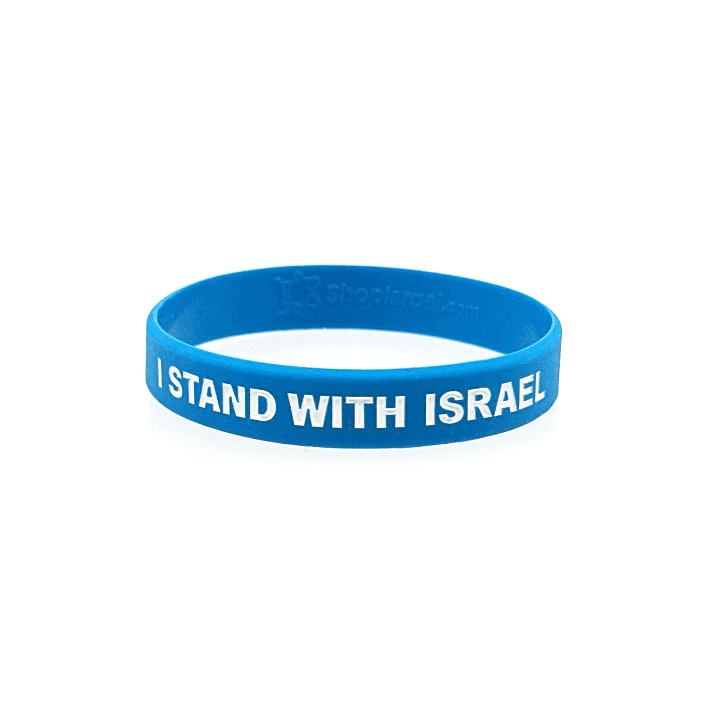
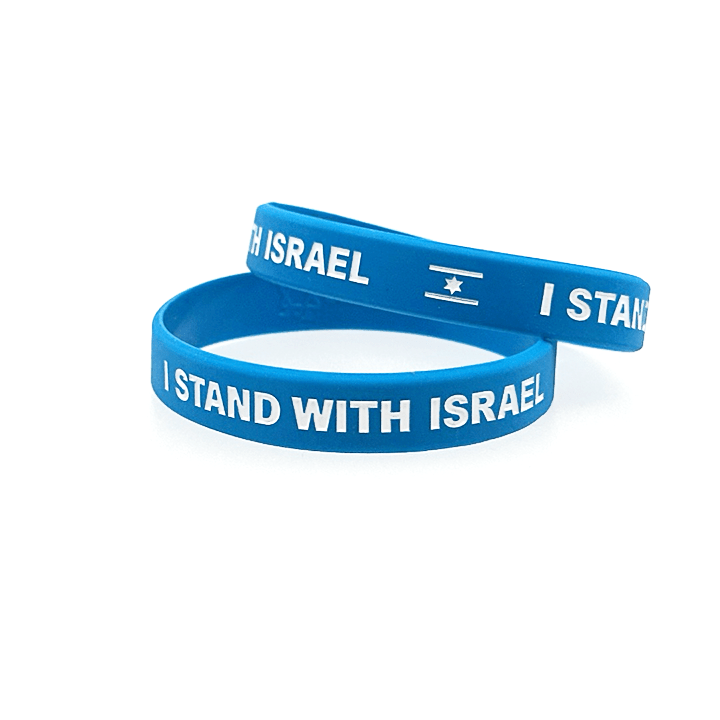
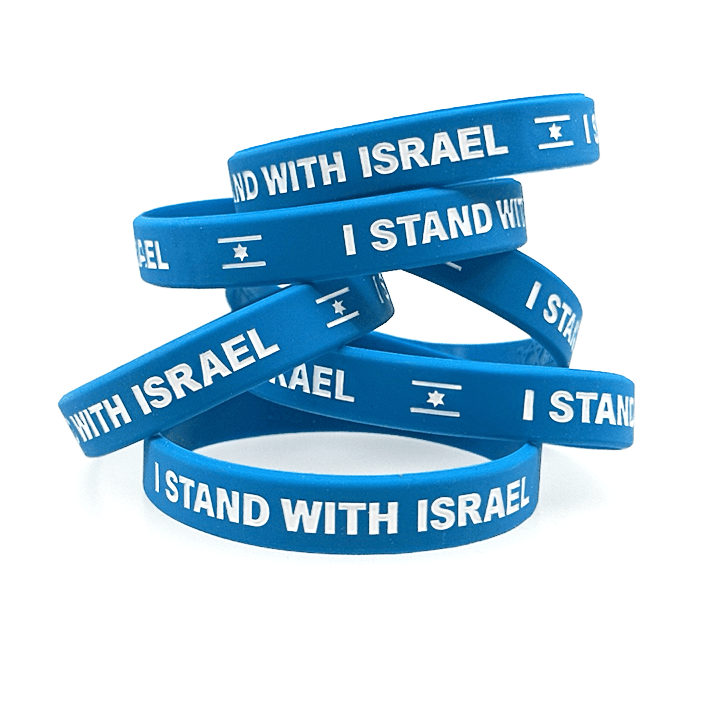
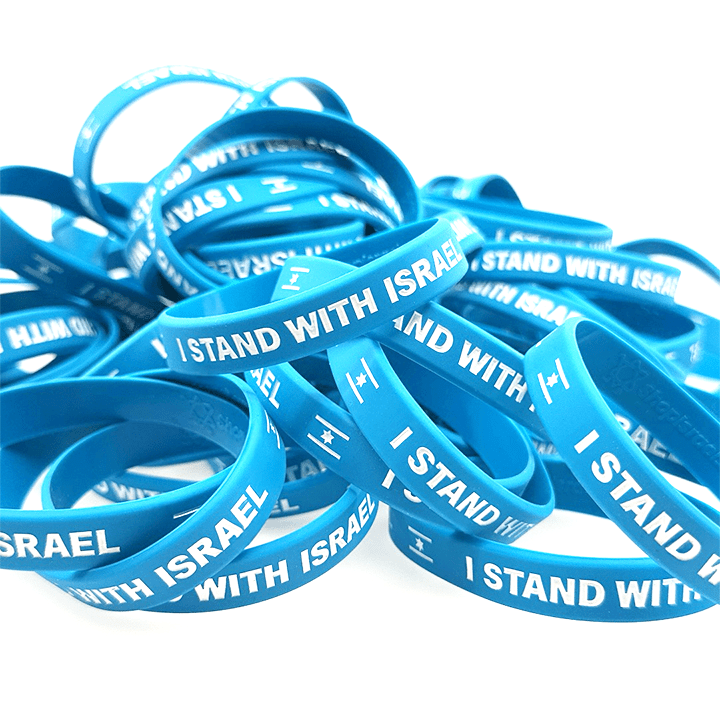
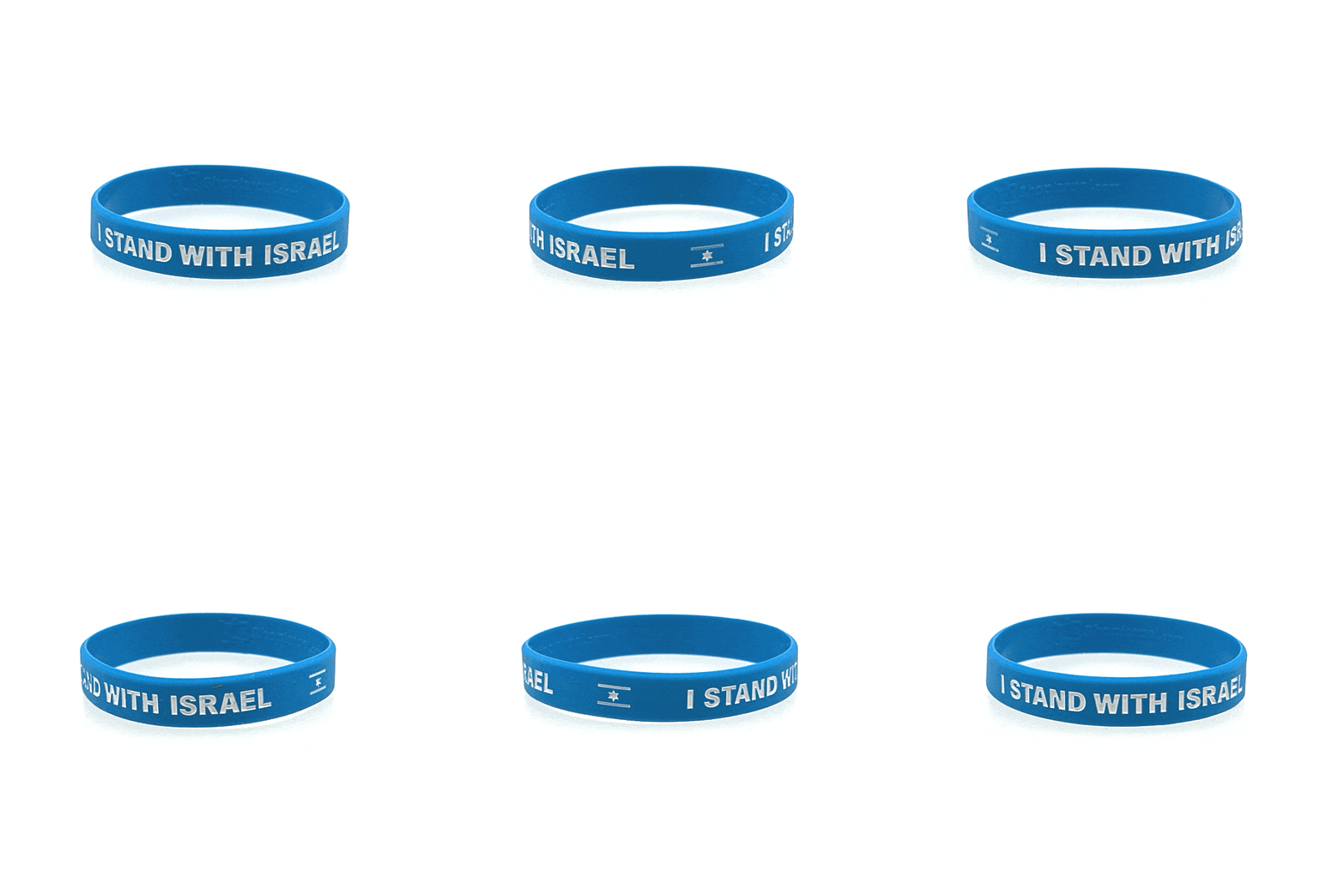
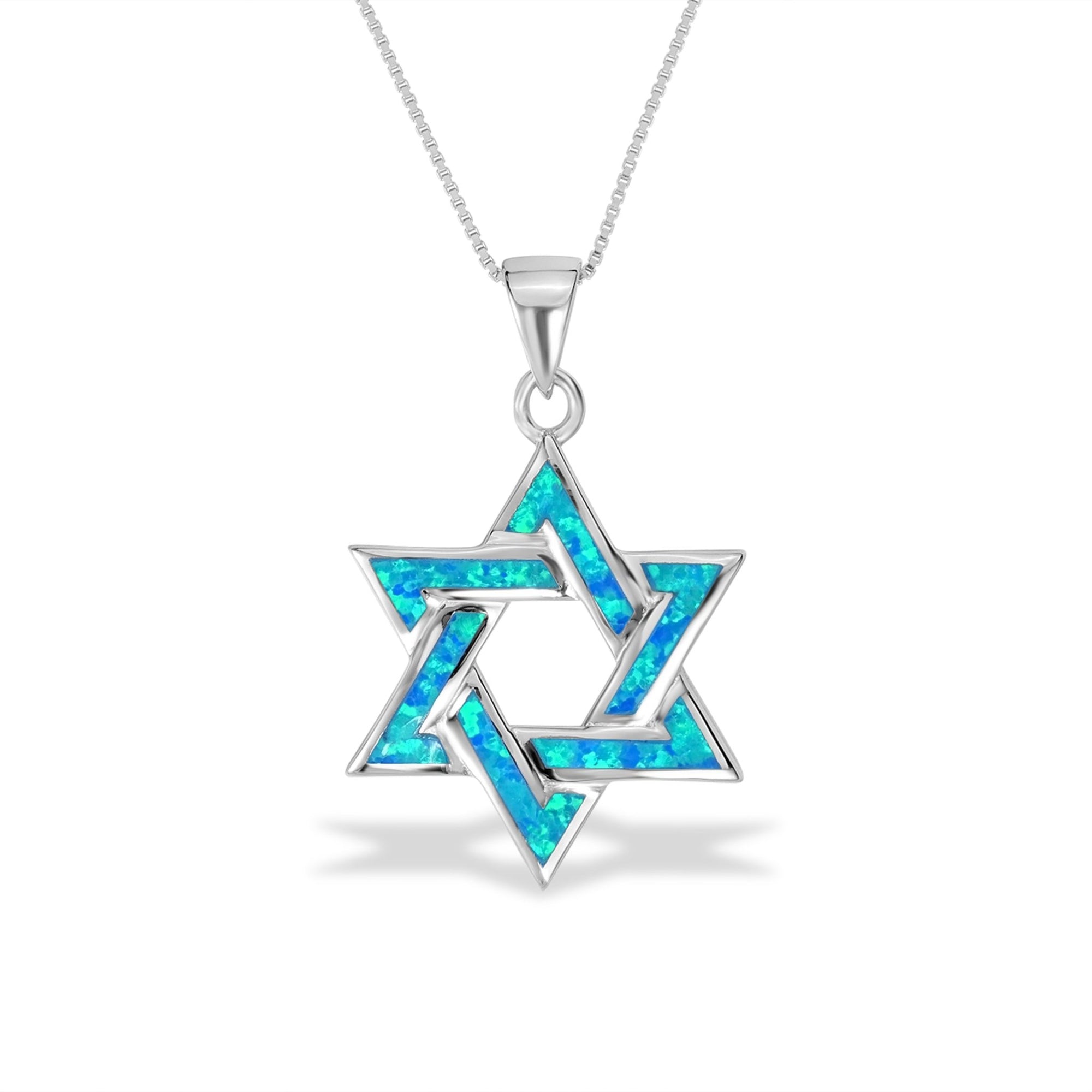
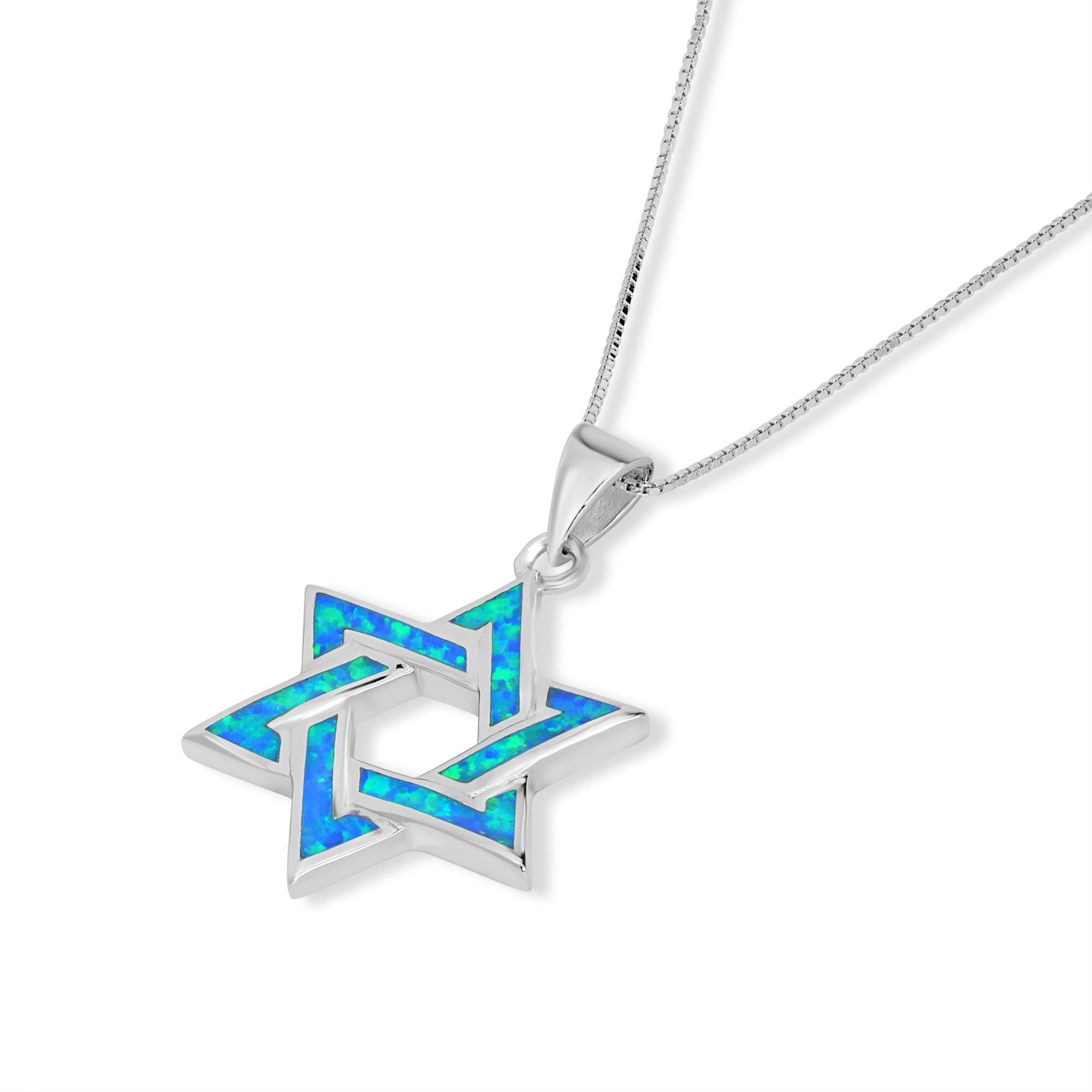
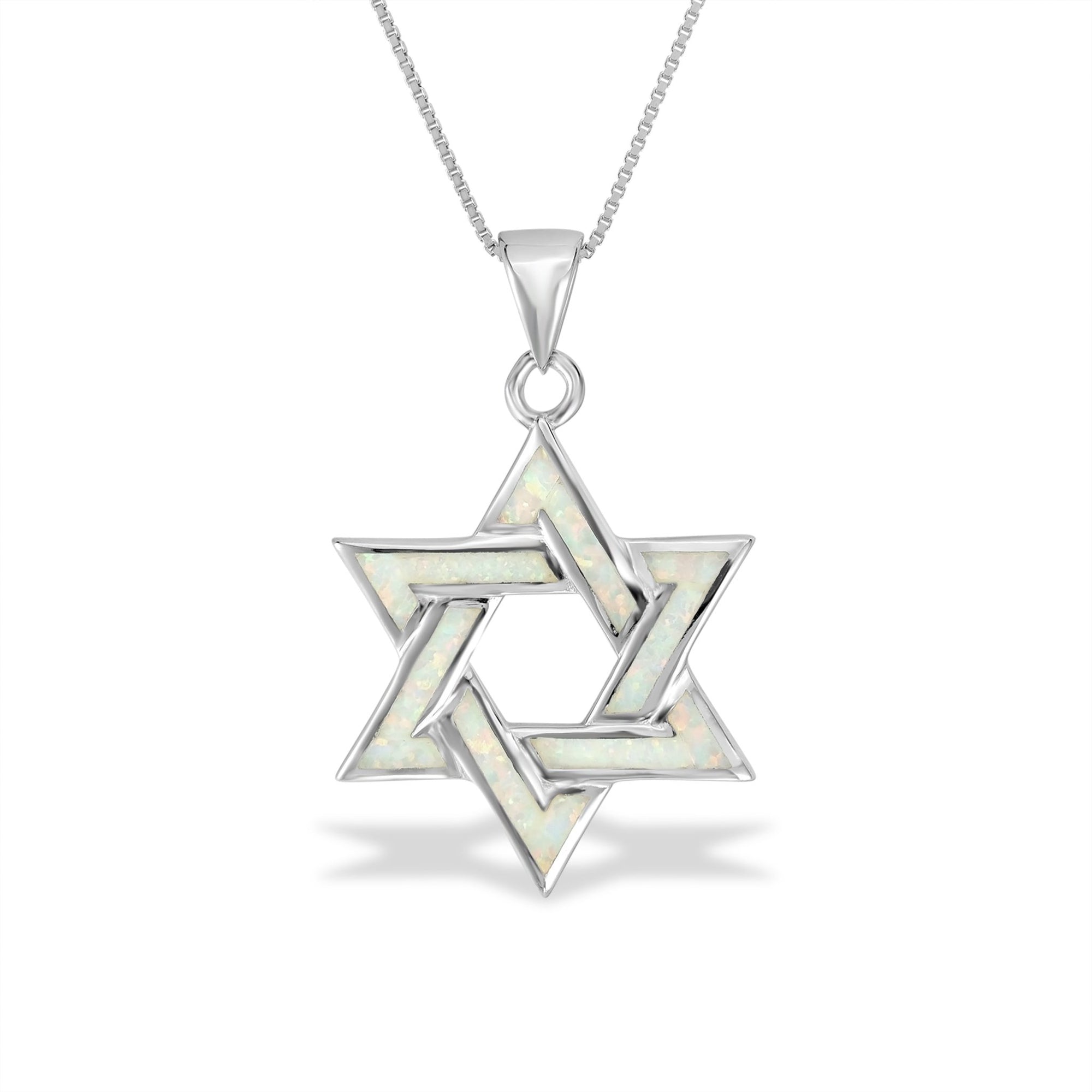
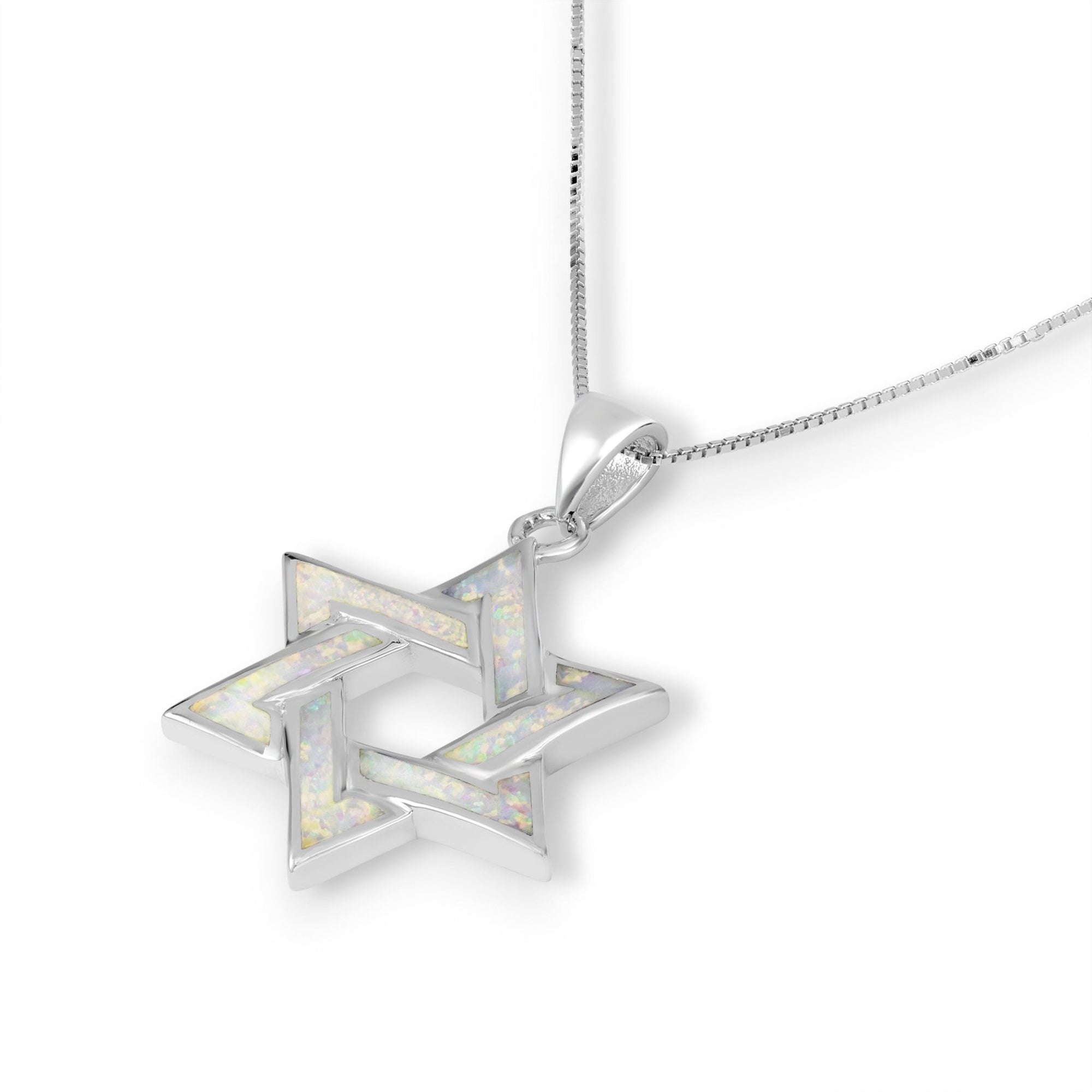
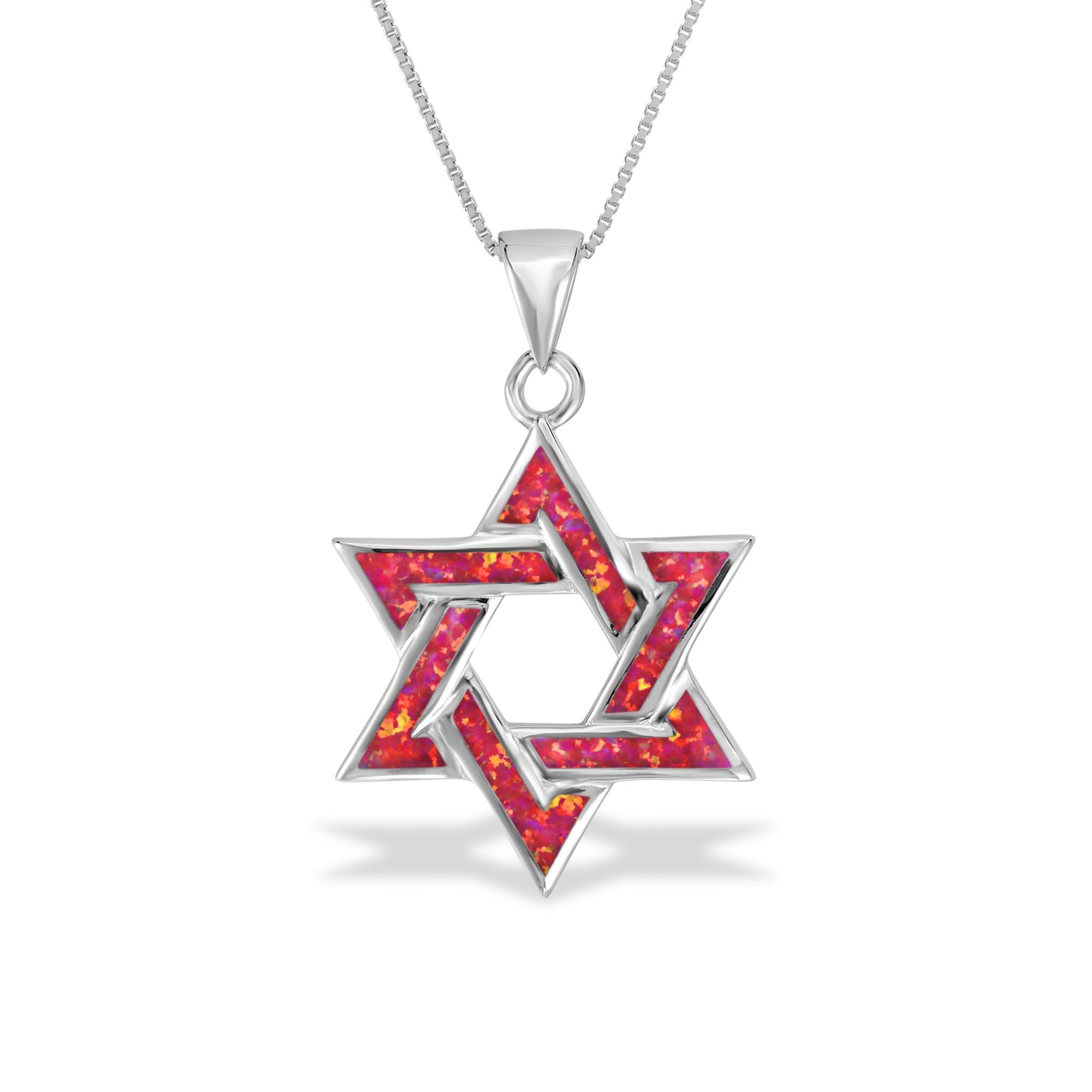
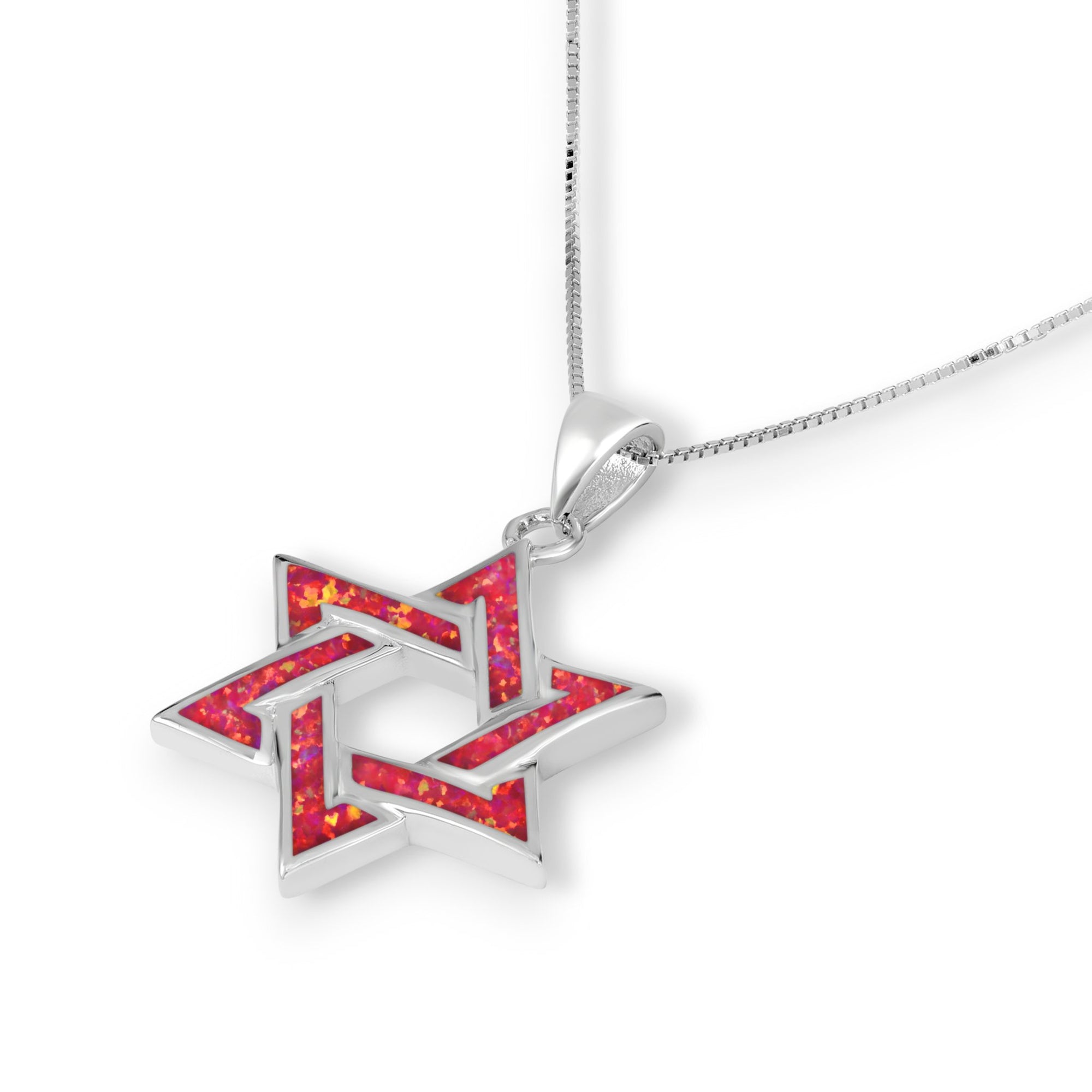
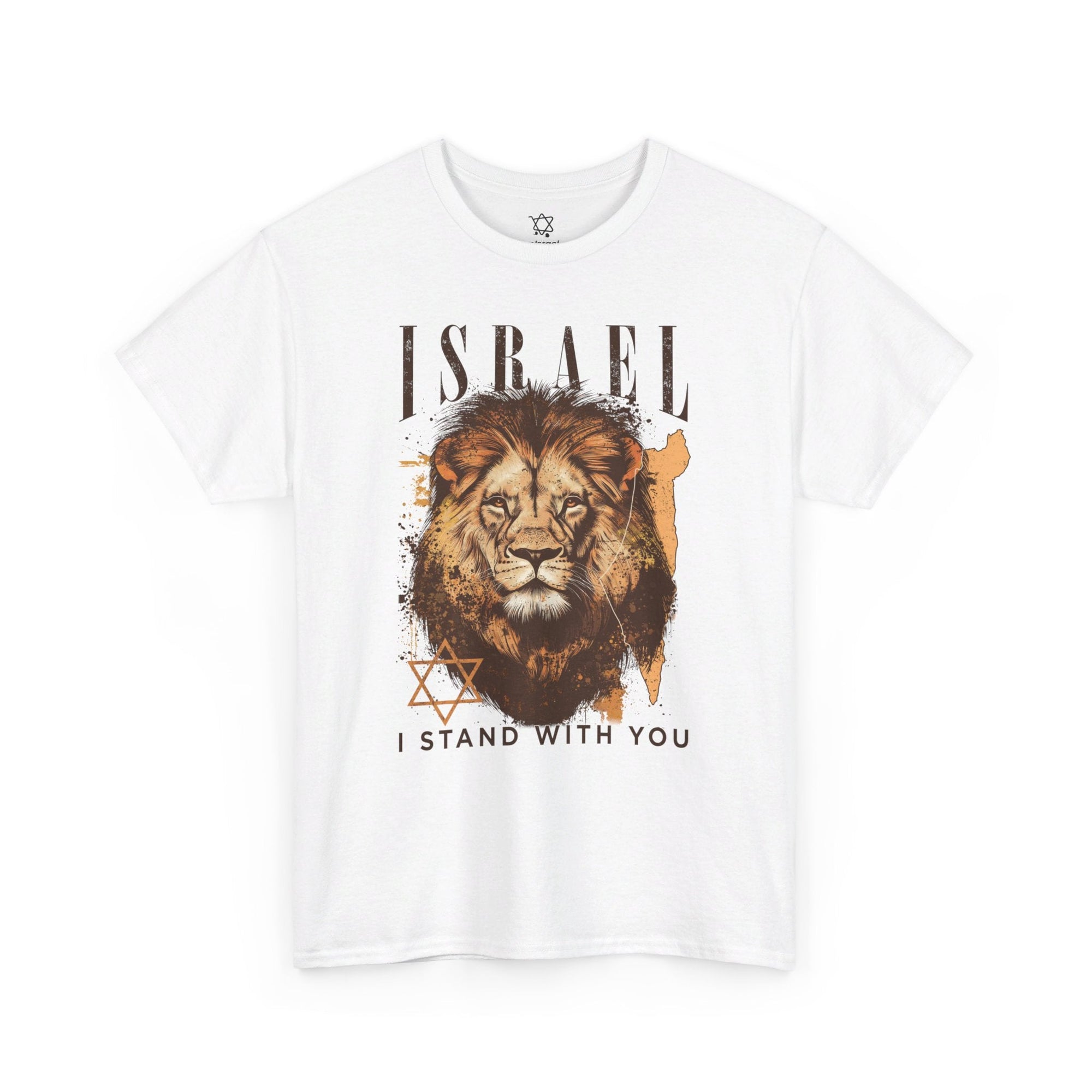
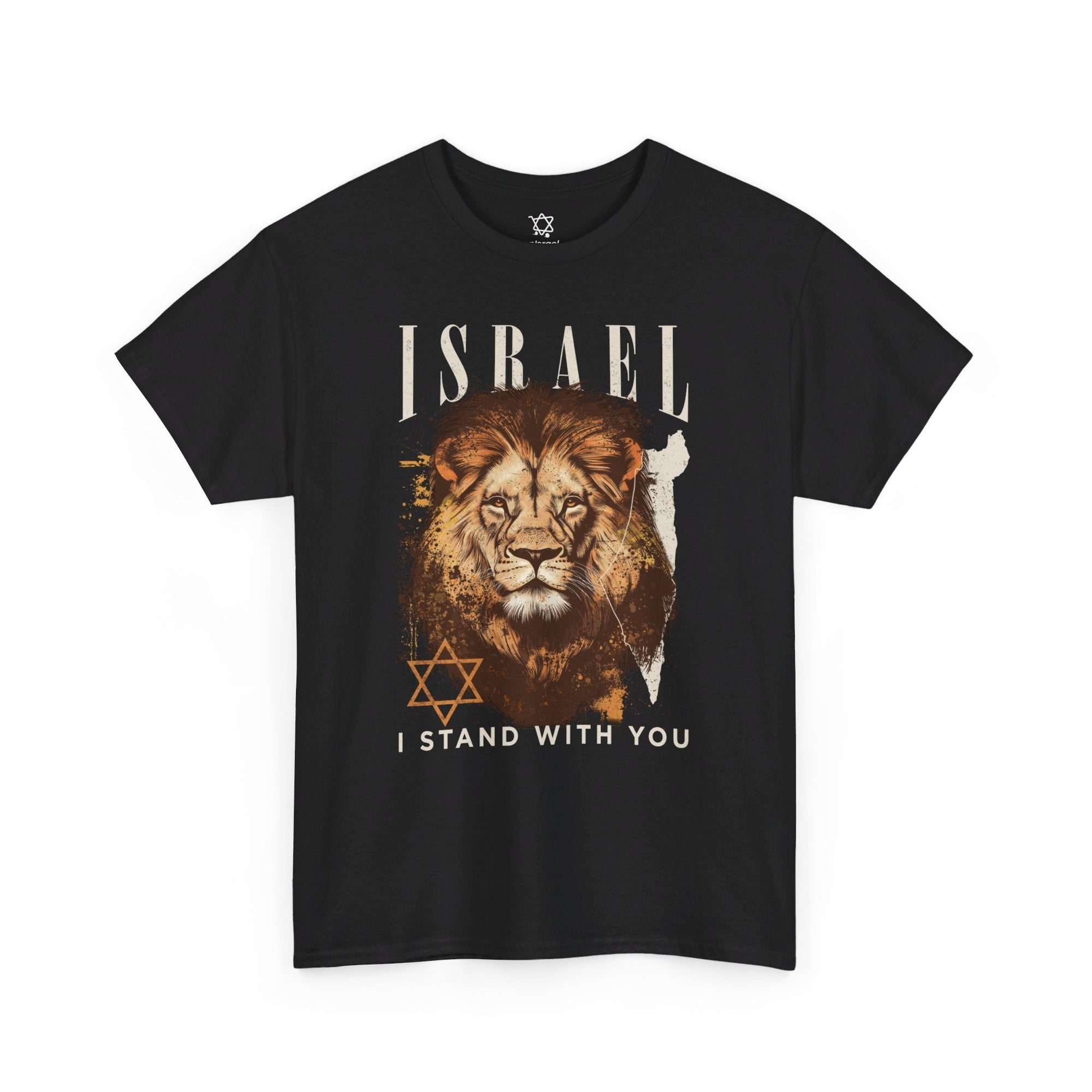
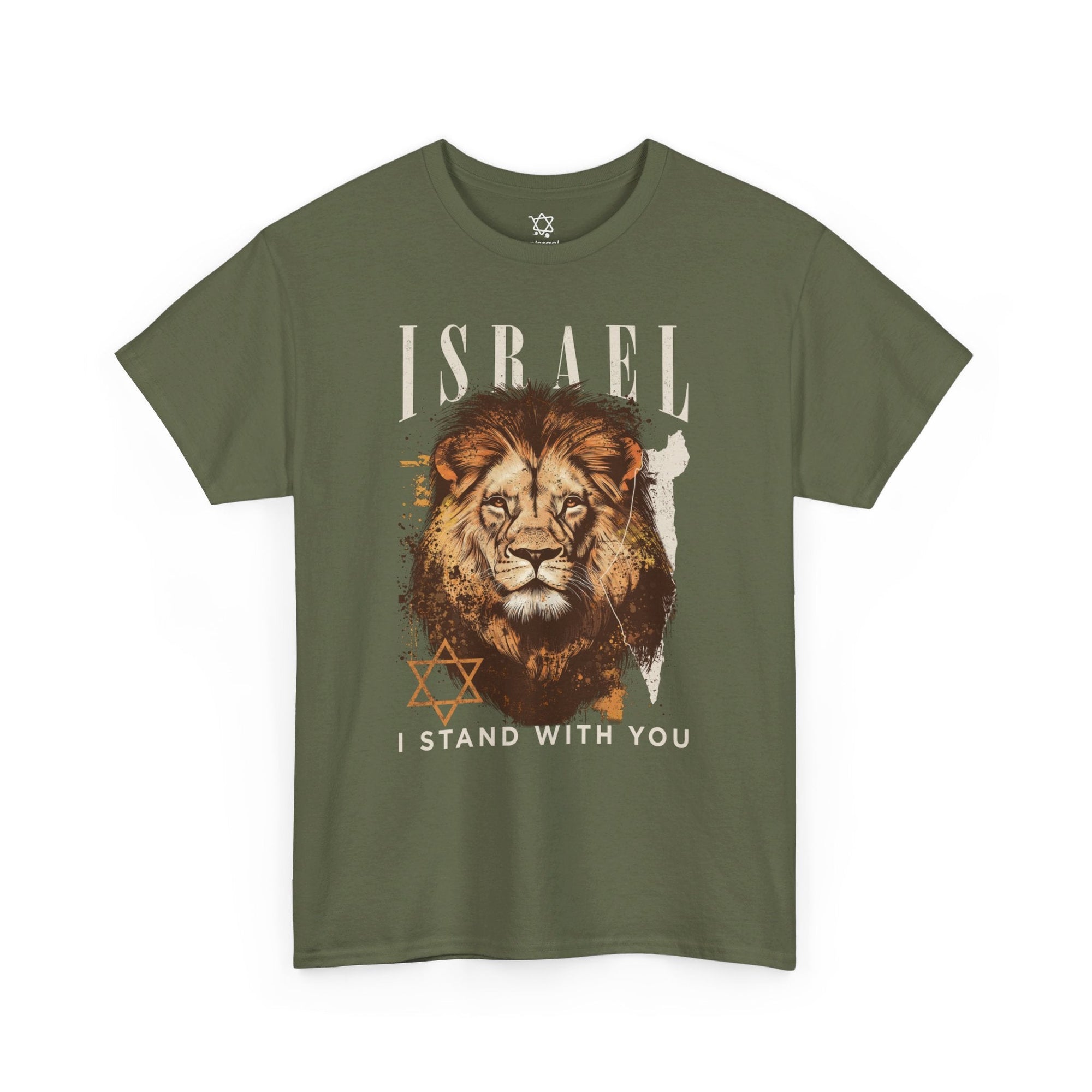
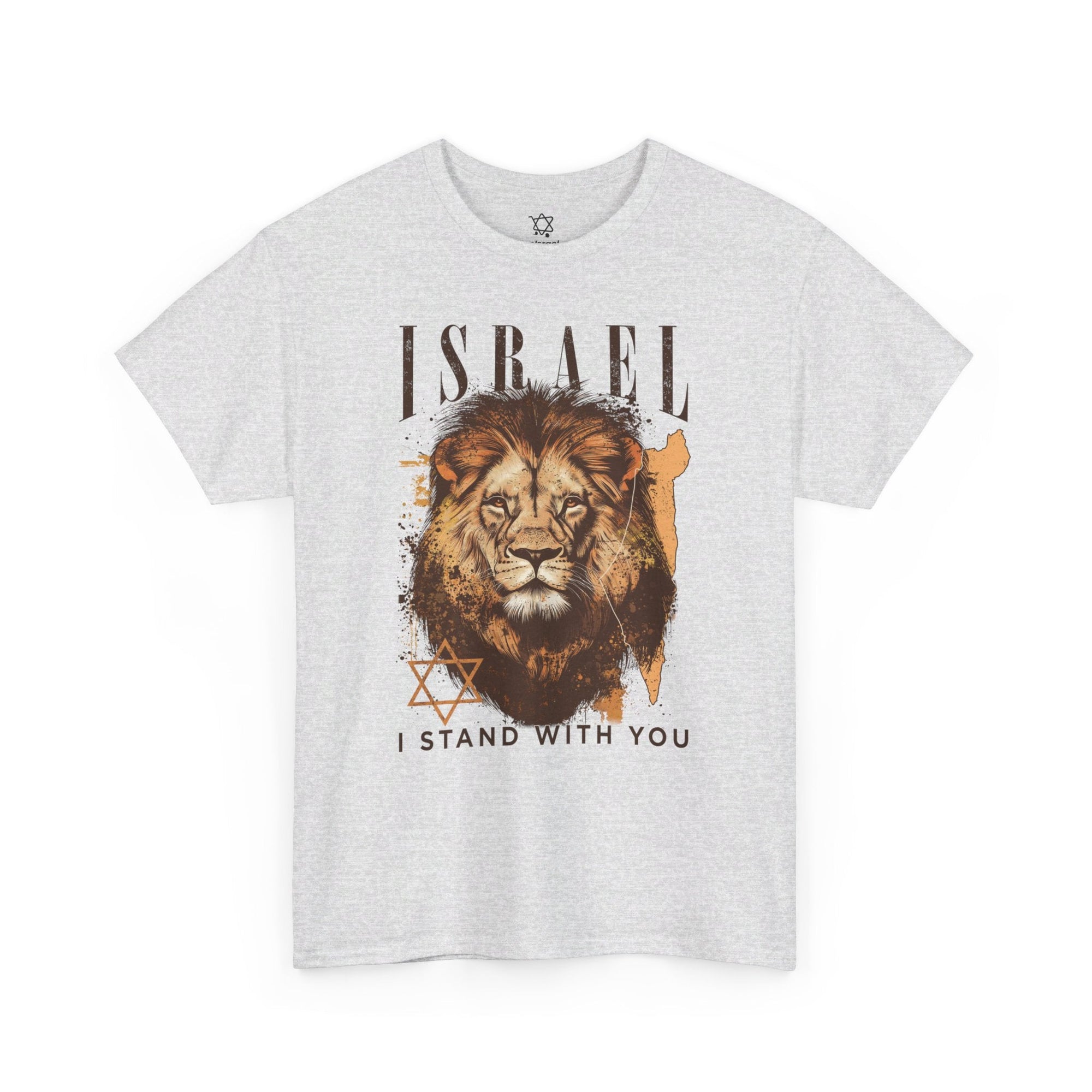
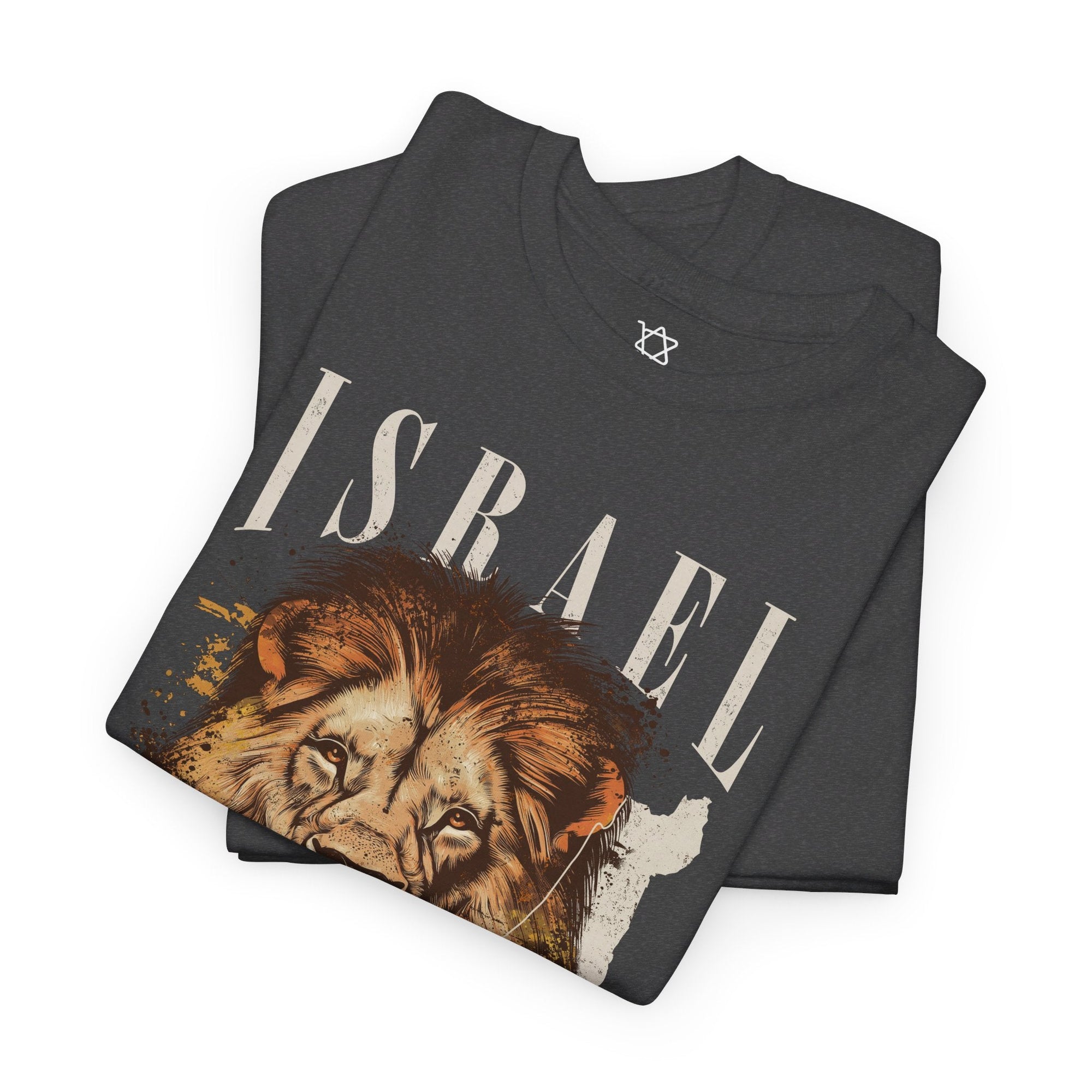
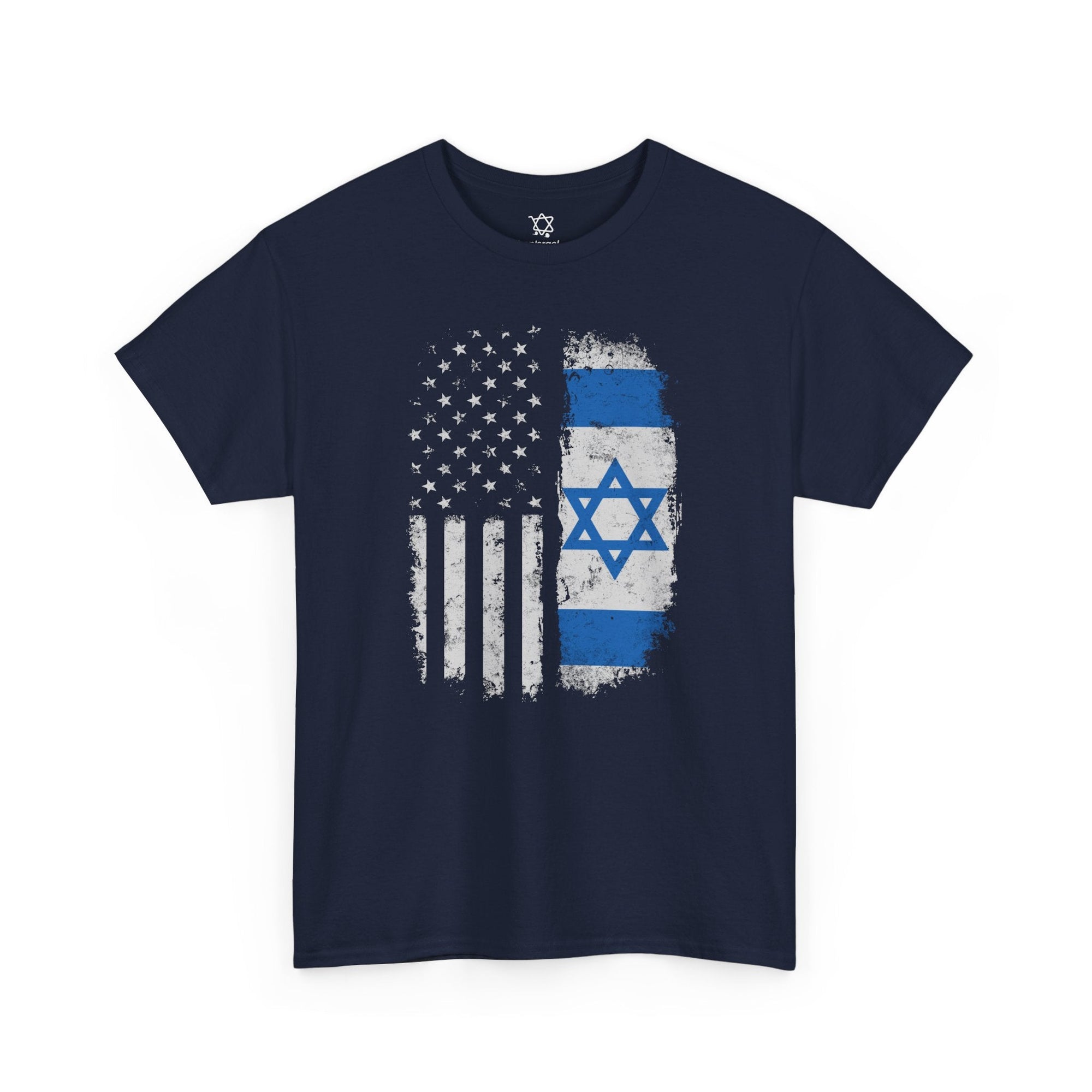
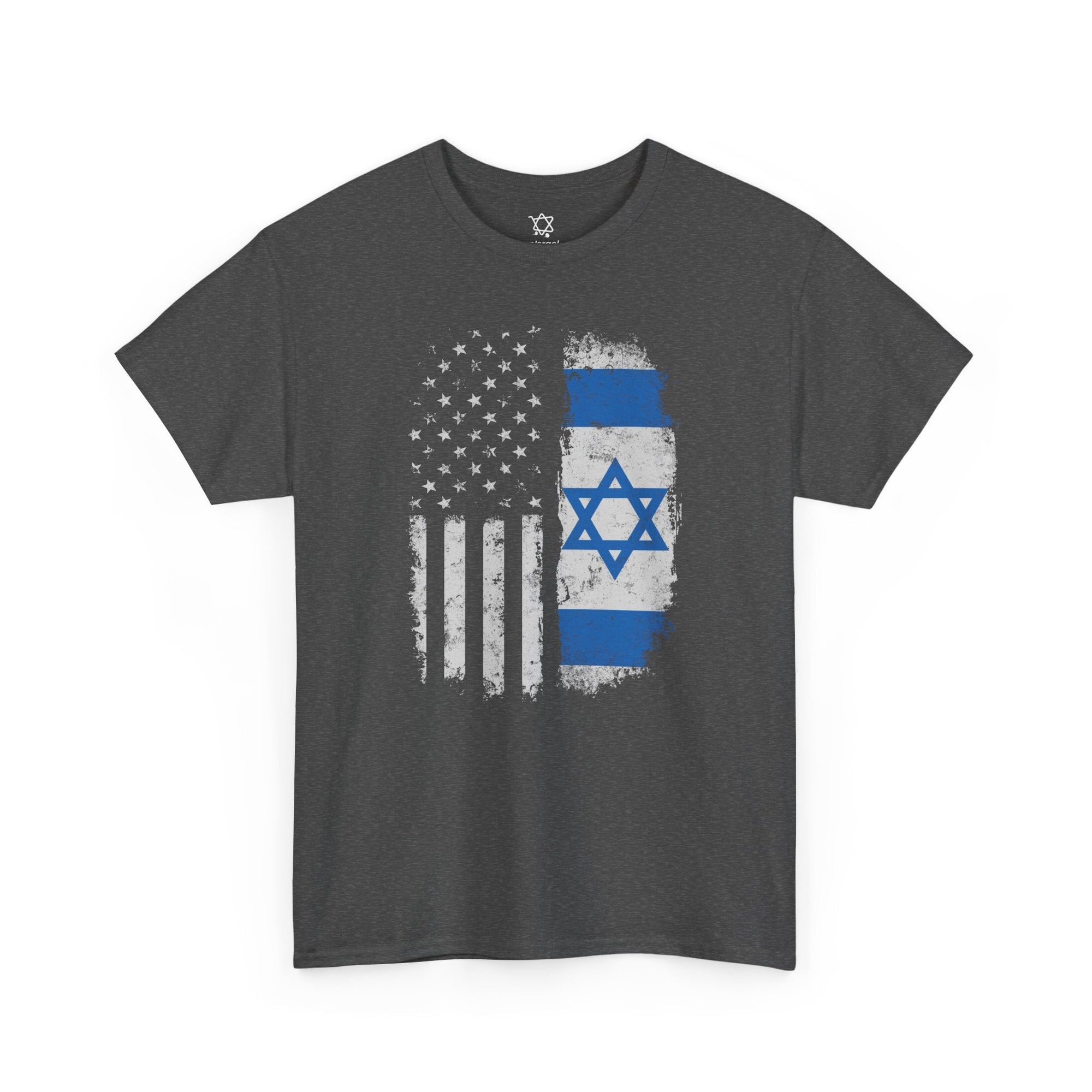
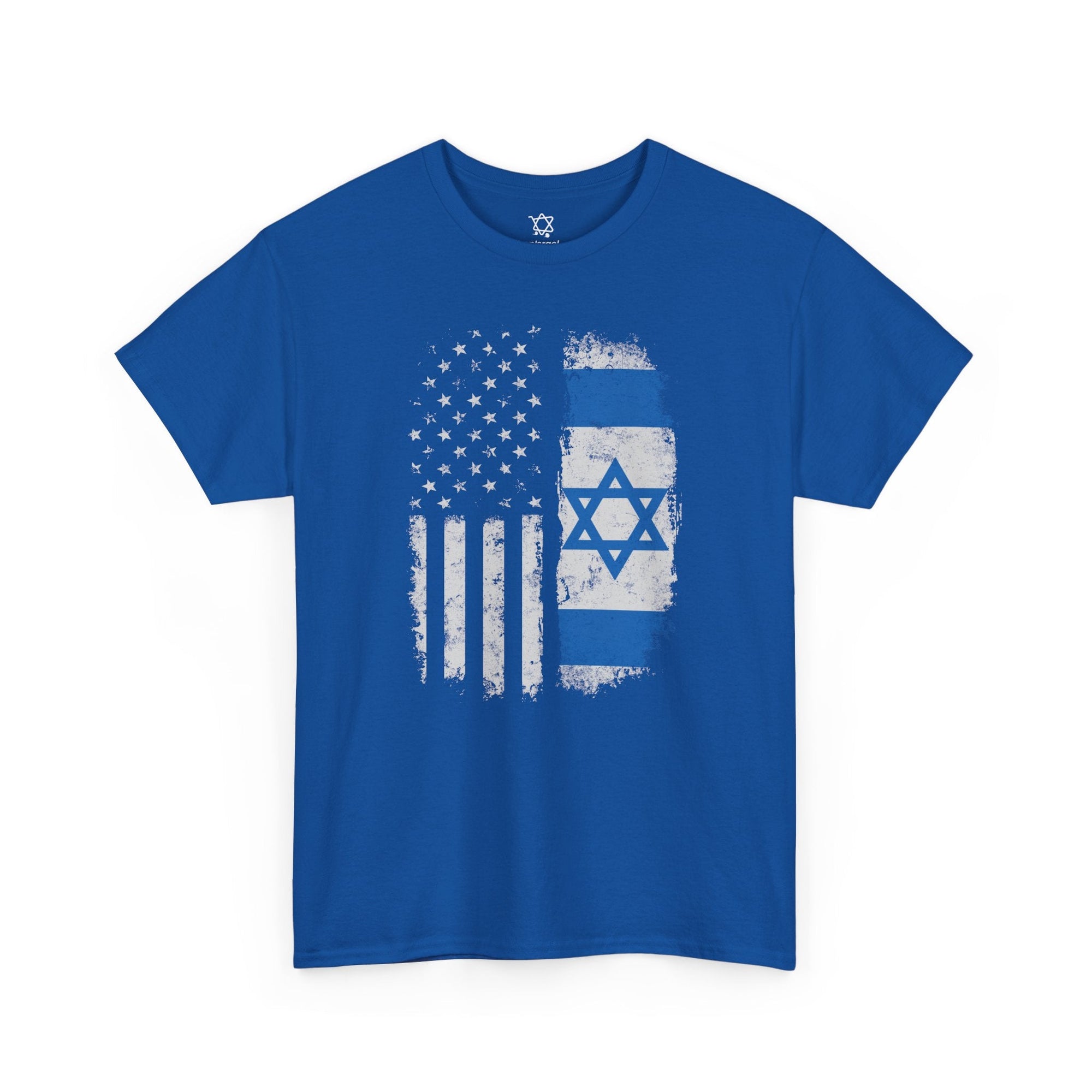
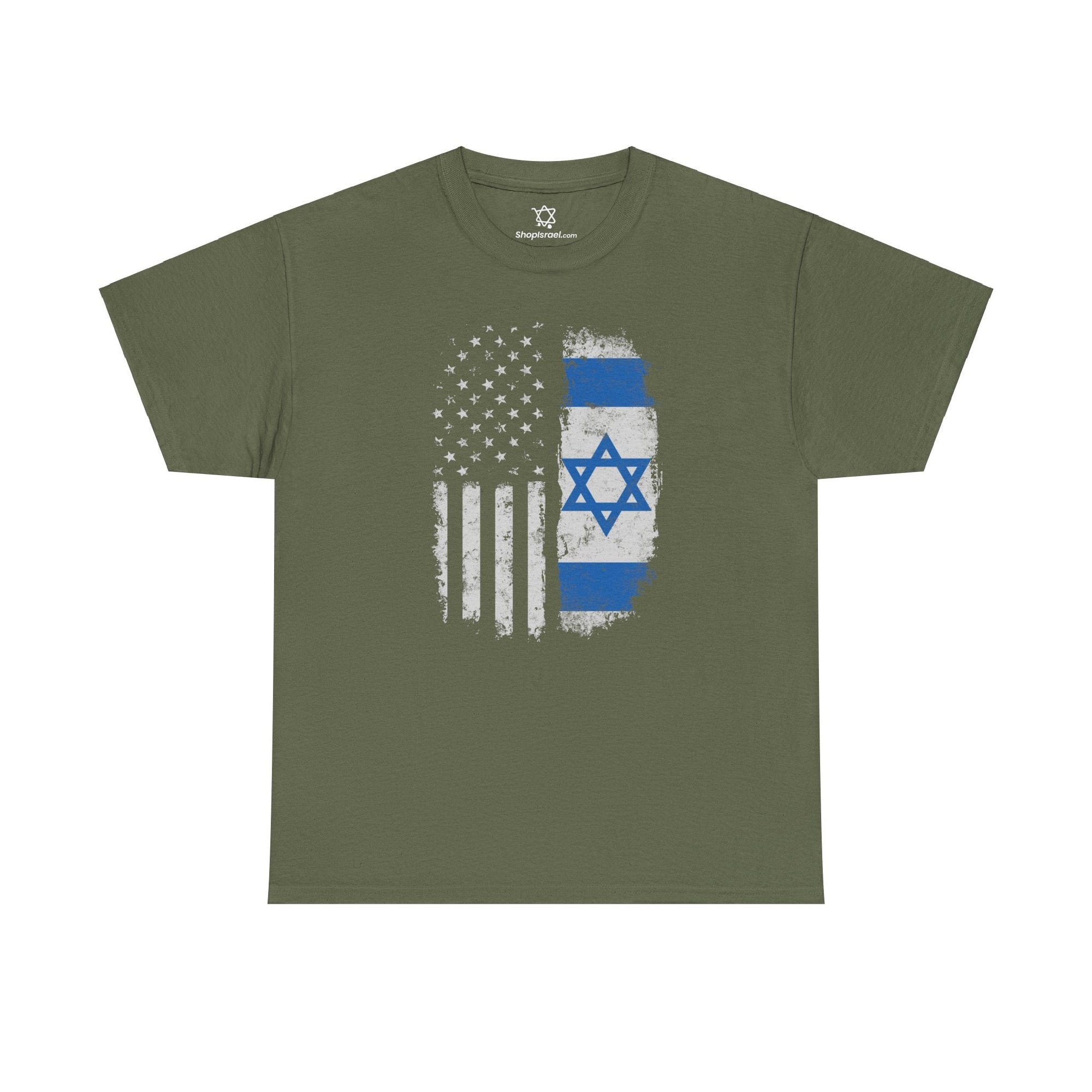
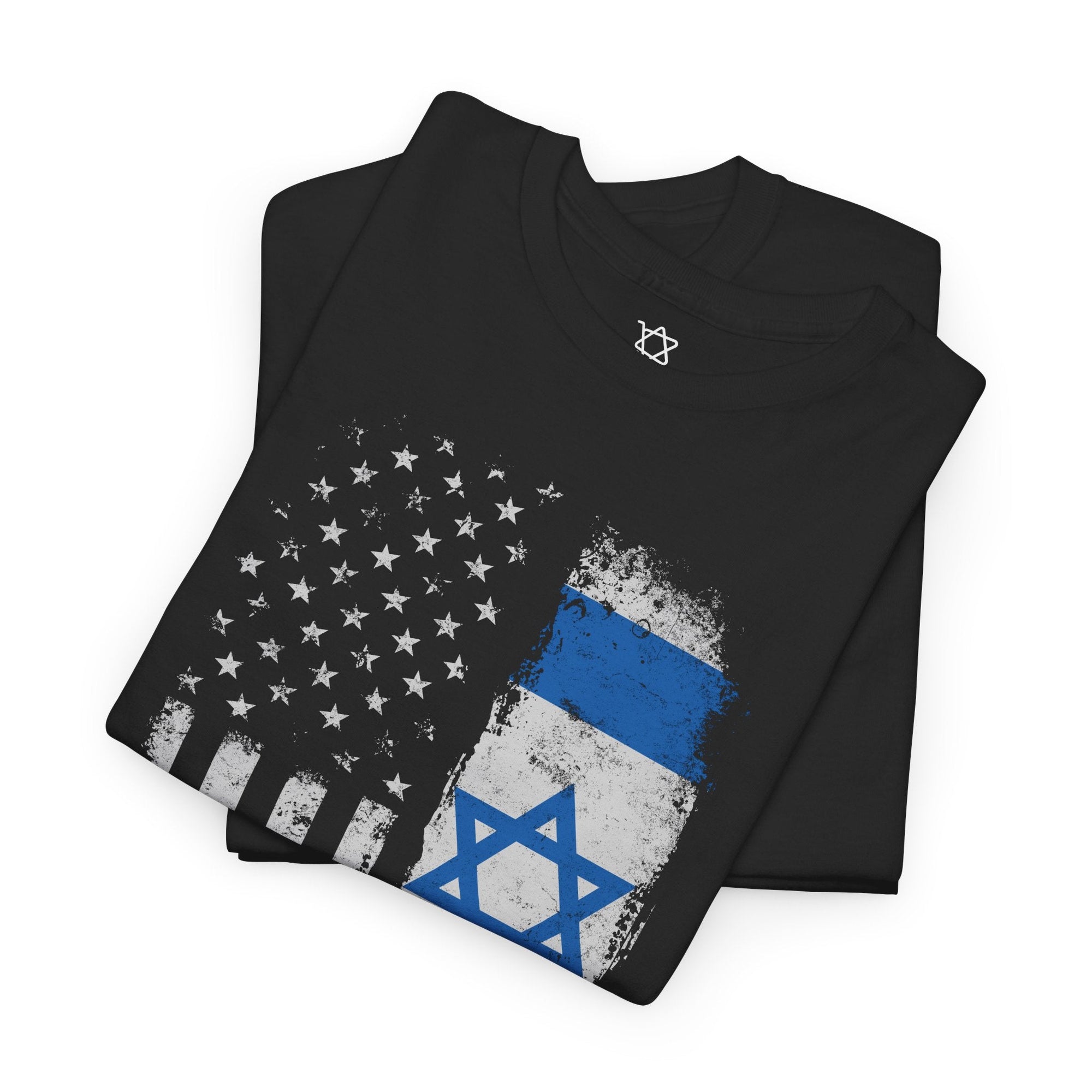
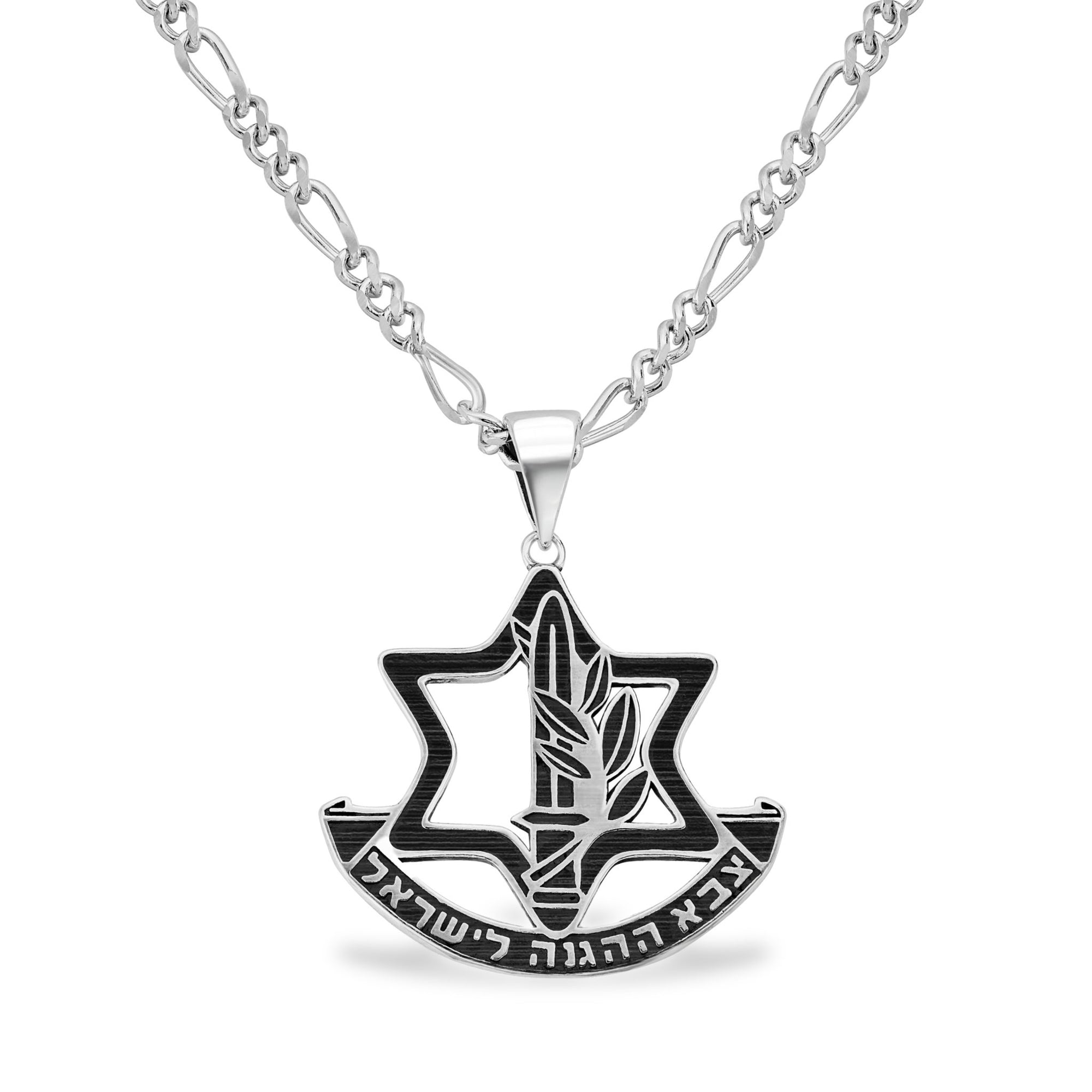
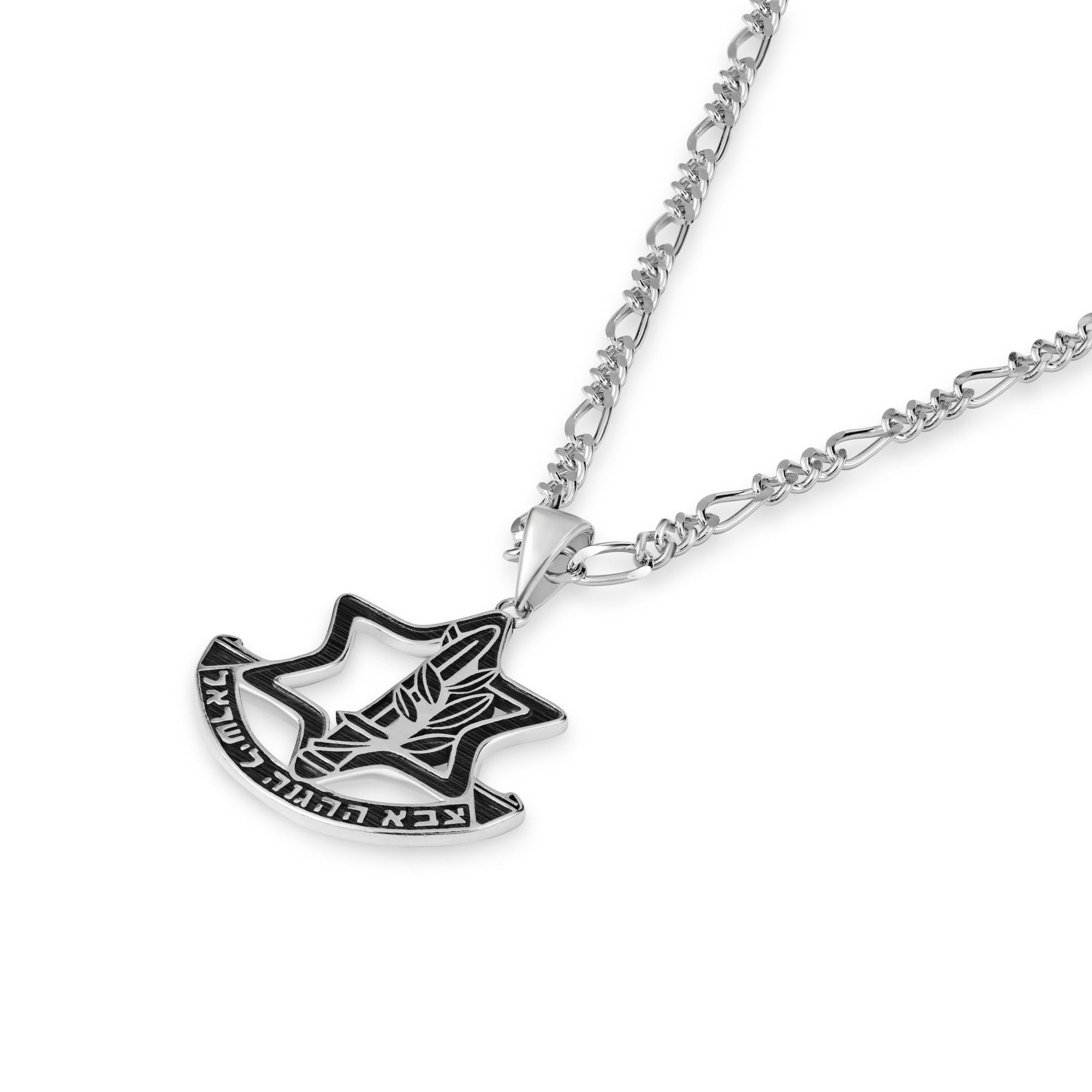
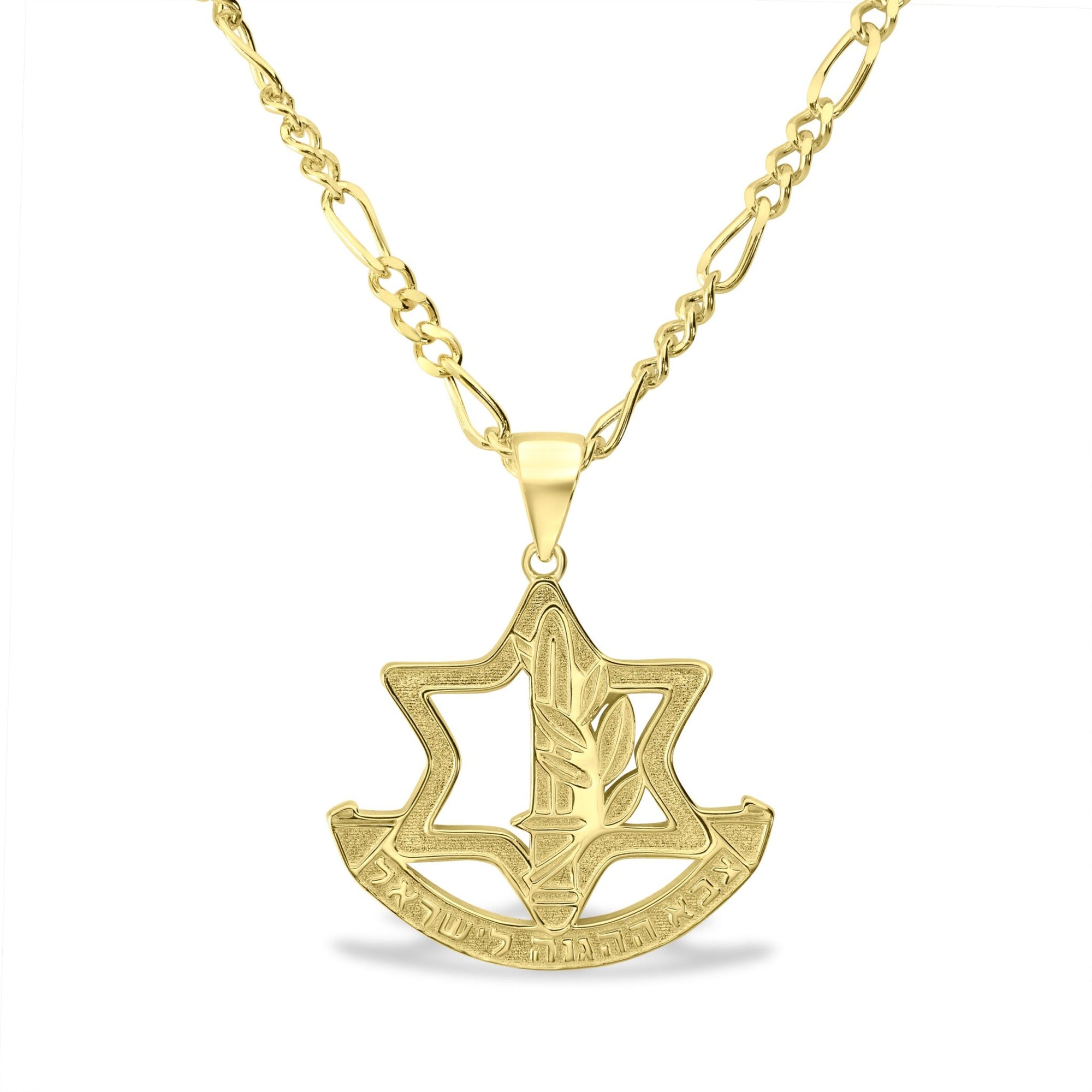
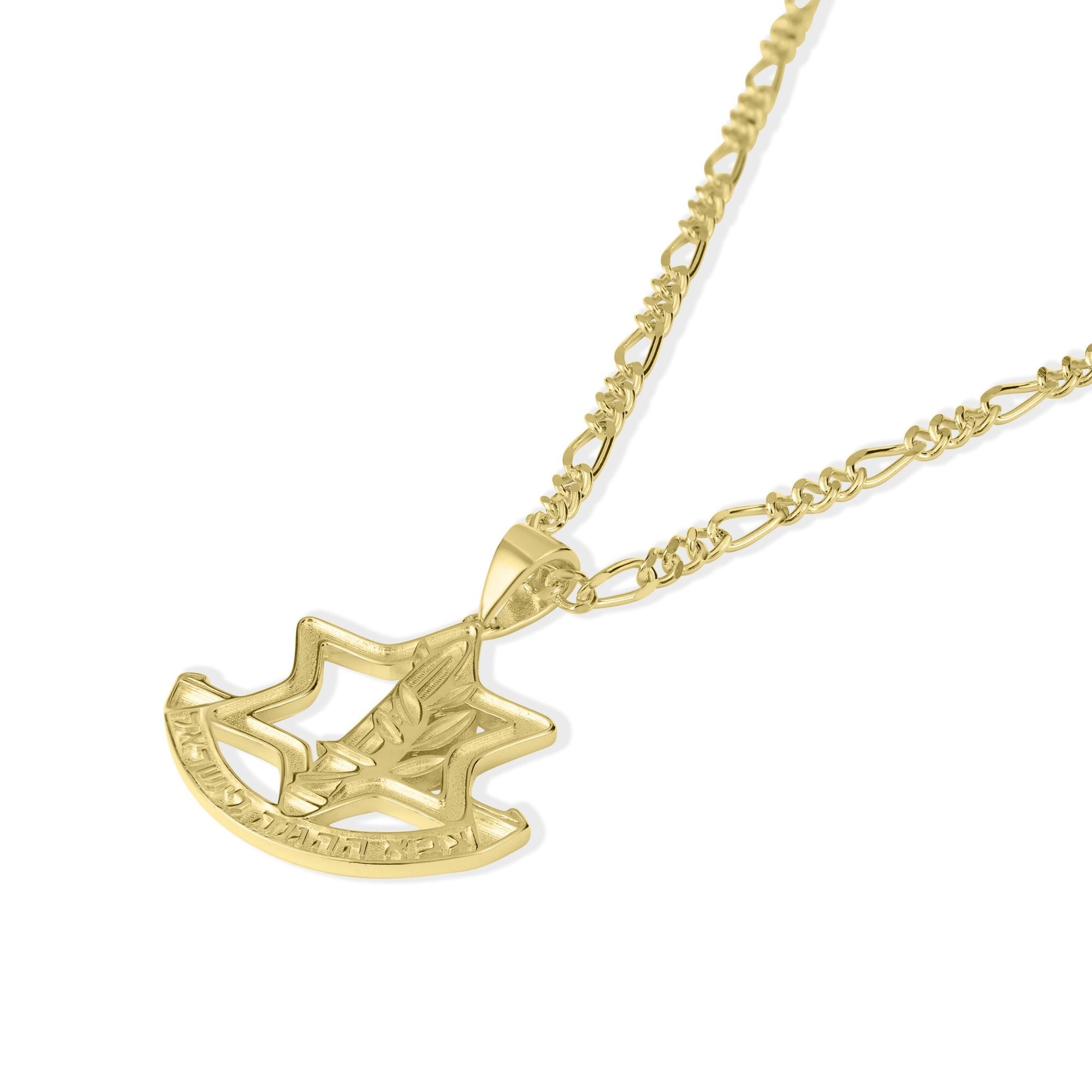
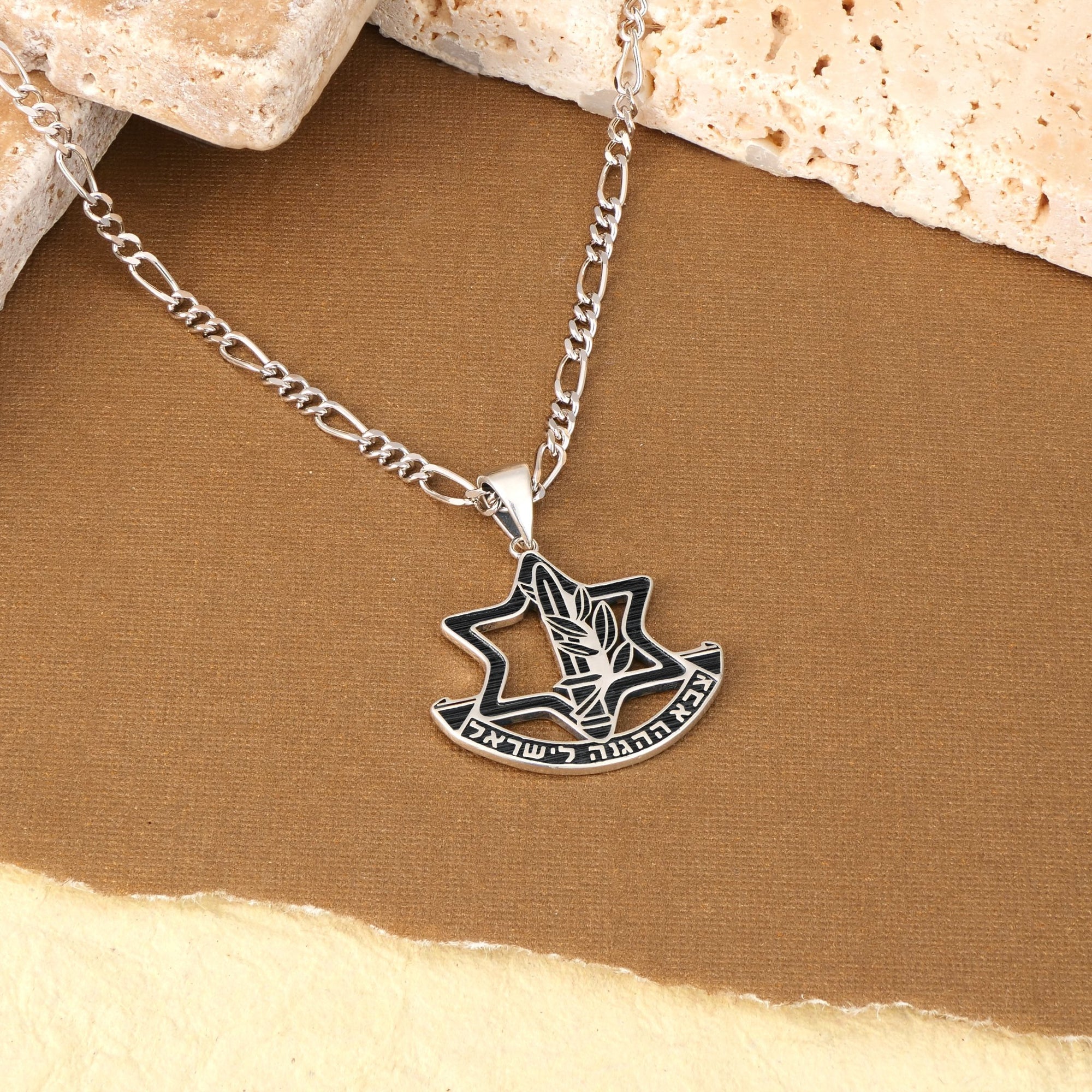
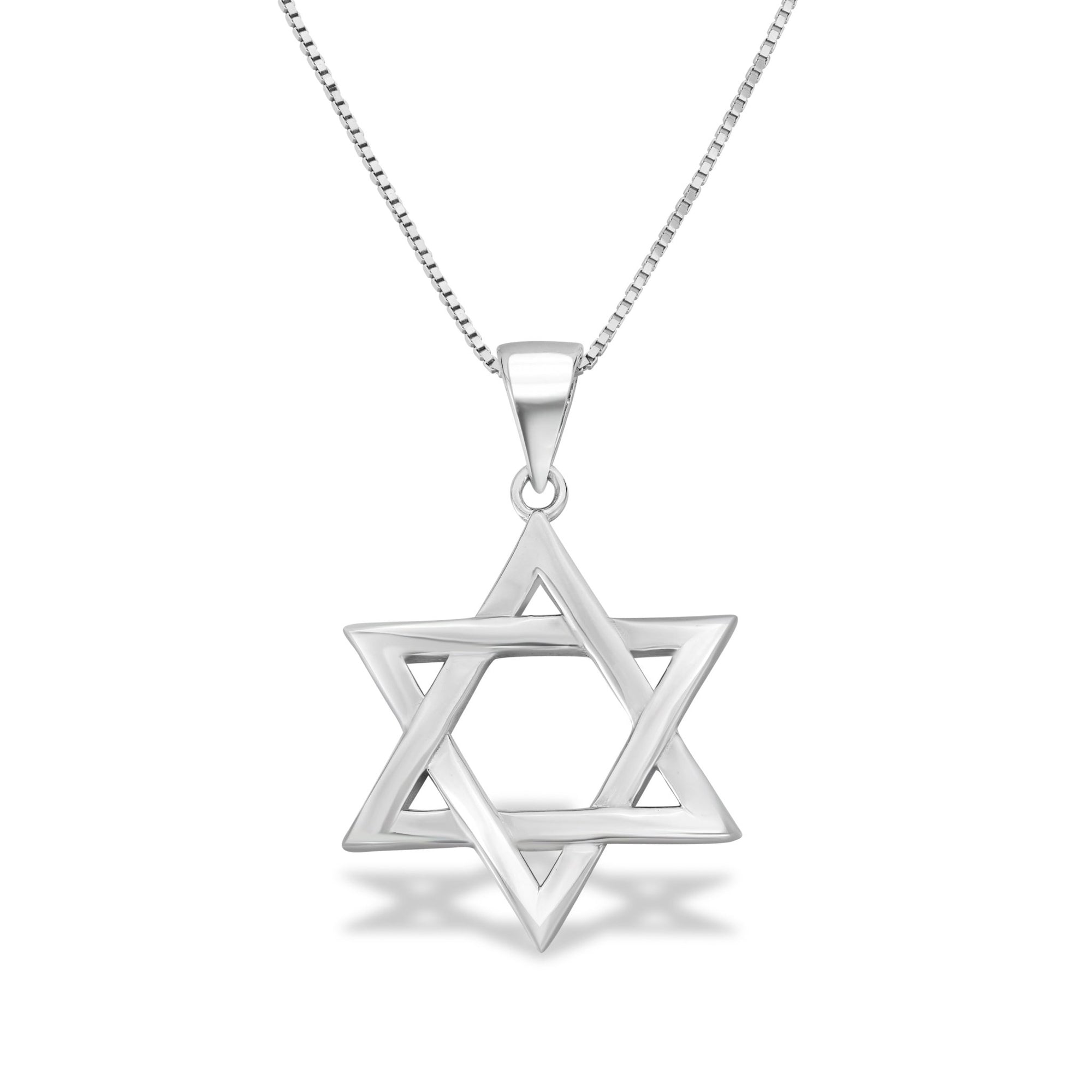
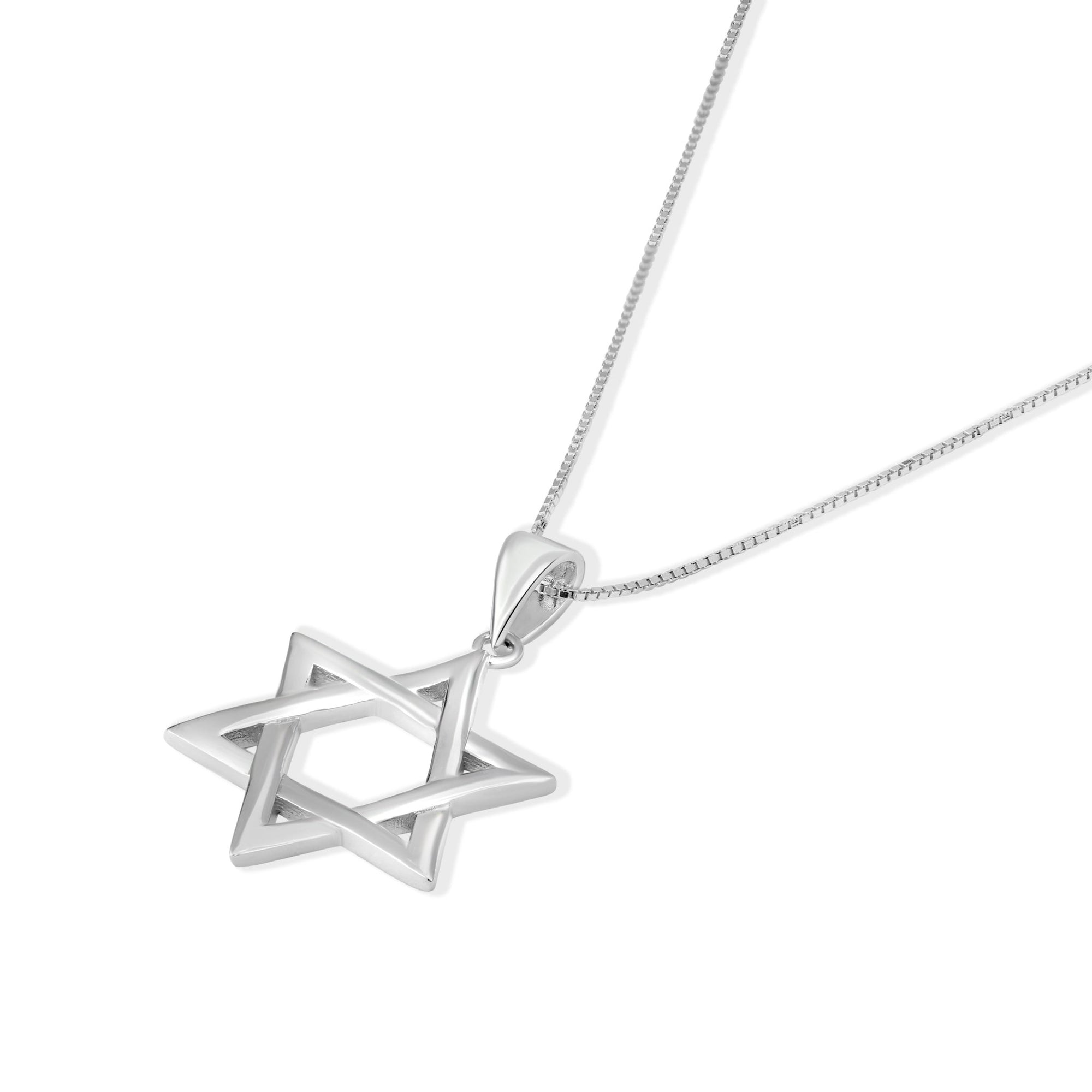
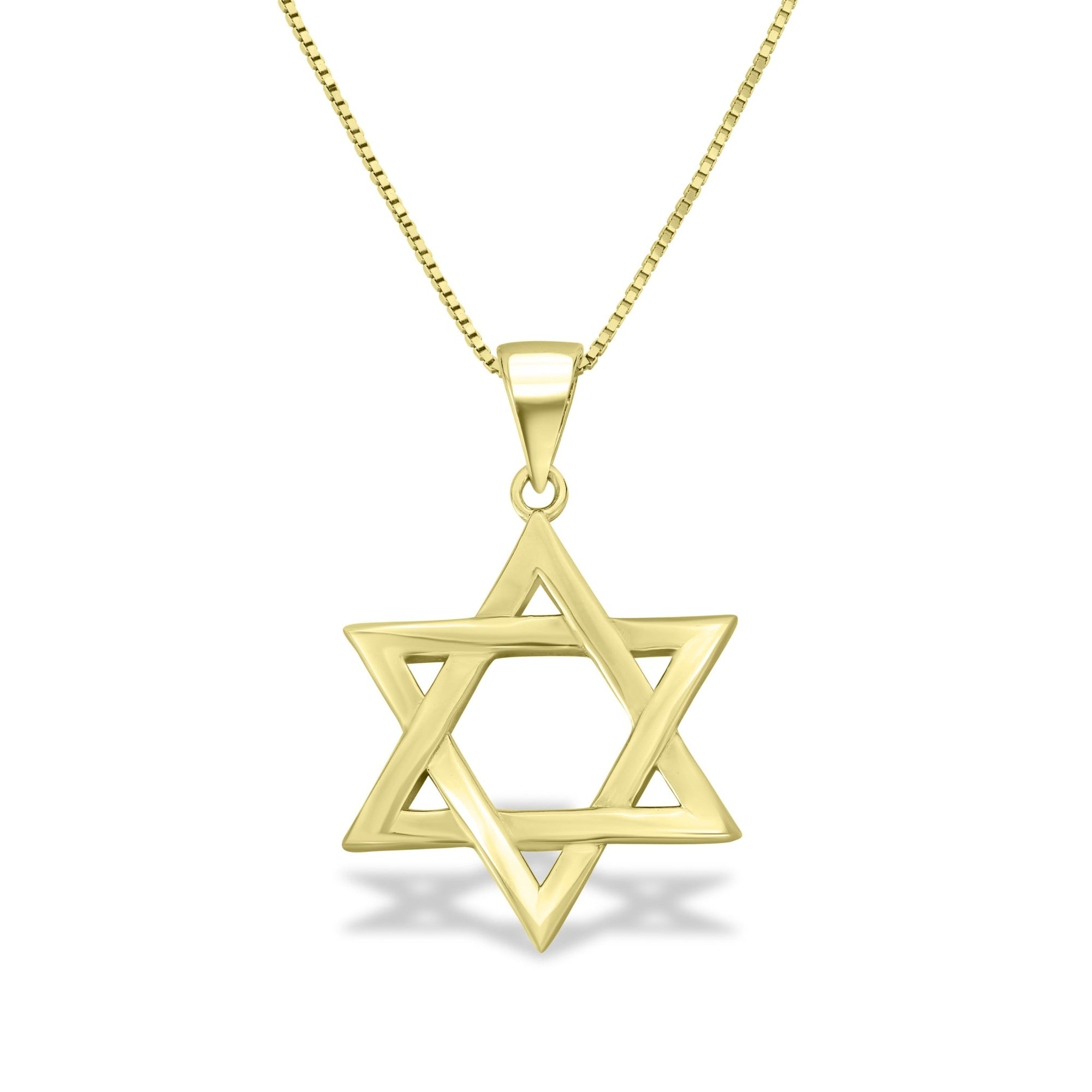
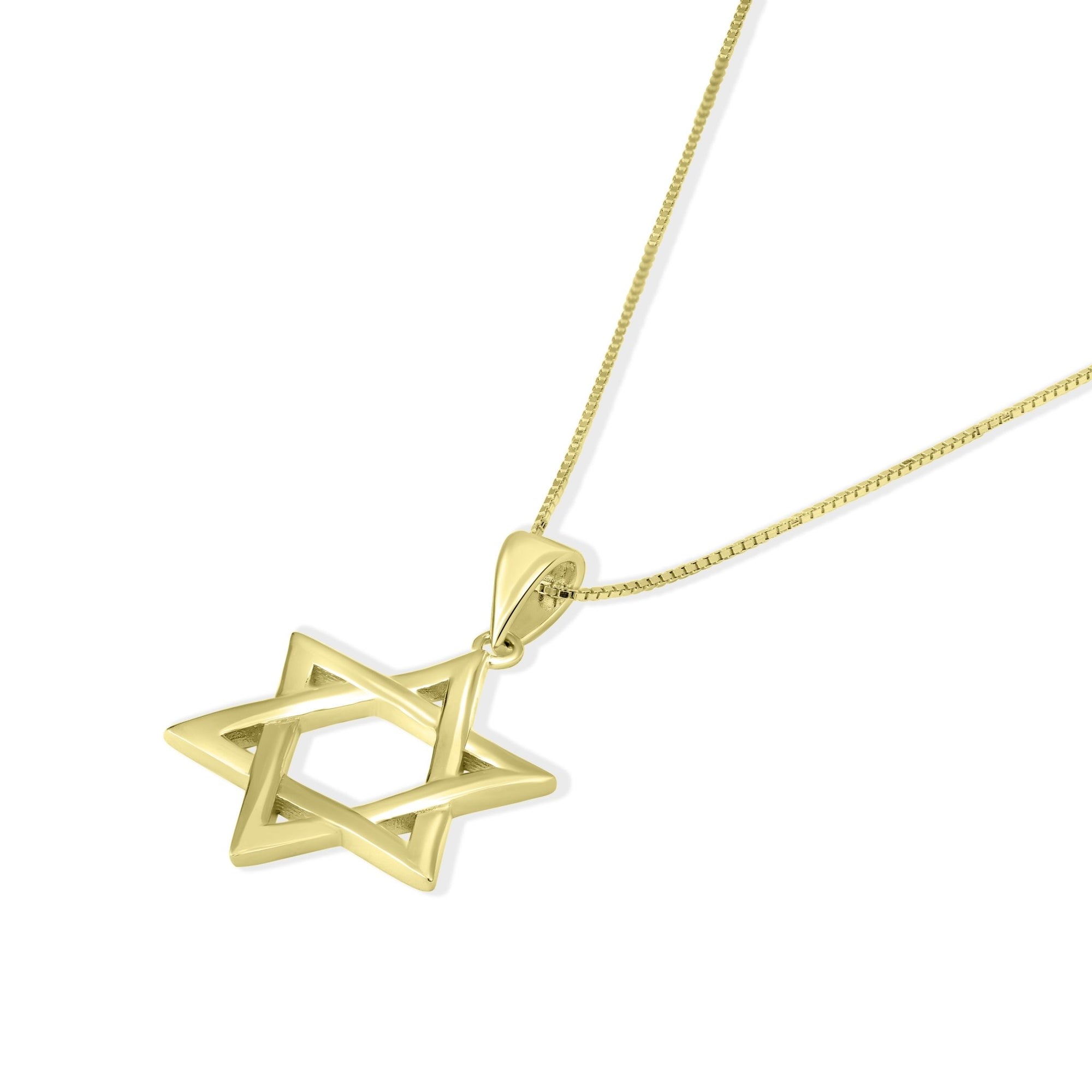
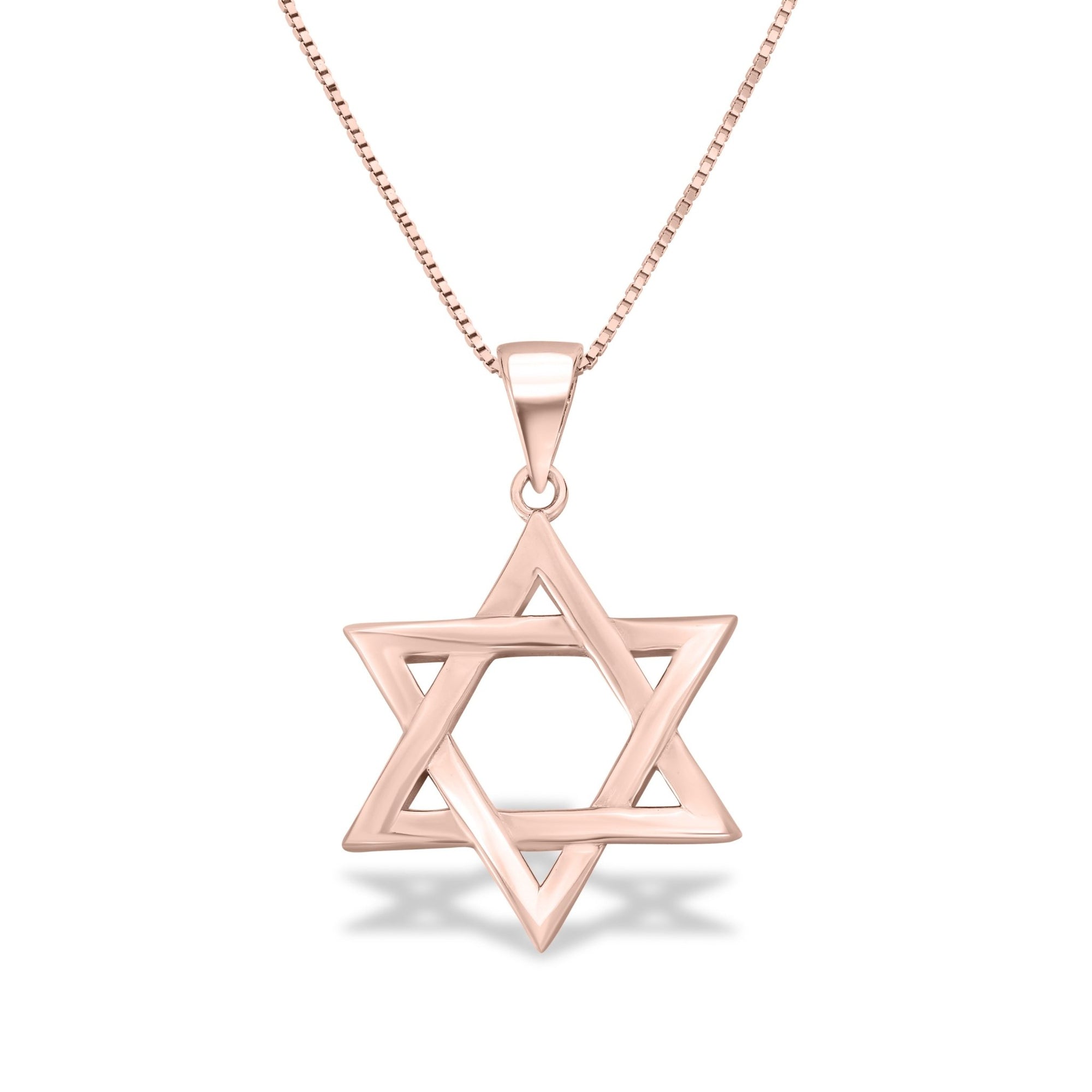
Israel's fashion scene enriches holiday celebrations with garments and Judaica inspired by national and religious symbols. Items like shirts bearing Israeli army brigade insignia or jewelry showcasing the Star of David serve as proud statements of heritage and patriotism. This integration of tradition and modern Israeli craftsmanship creates meaningful attire for holidays and everyday life alike.
Rosh Hashanah and the Symbolism of White Attire

What are the traditional Rosh Hashanah clothing customs?
Jewish people traditionally wear nice, respectful clothes on Rosh Hashanah to show confidence in God's mercy and the hopeful outcome of the Day of Judgment. The attire often avoids overly fancy or ostentatious styles, reflecting a balance between solemnity and celebration. Many communities choose fine but modest clothing for this meaningful holiday, which marks a spiritual new year and the time when individuals symbolically stand before God. For more information, see Rosh Hashanah clothing traditions.
What is the meaning behind wearing white on Jewish holidays?
Wearing white is a cherished tradition especially on High Holy Days like Rosh Hashanah and Yom Kippur. White clothing symbolizes purity, holiness, and a spiritual renewal. This practice is deeply rooted in Jewish customs where white garments—such as the kittel—represent not only purity but also themes of joy, security, and mortality. In Israel, these white outfits also connect to broader cultural expressions of life and agricultural festivals. Learn more about the Why Jews Wear White on Holidays.
How do people balance solemnity and celebration in holiday dress?
For Rosh Hashanah, the clothing strikes a delicate balance. It is festive enough to honor the joyous aspects of the new year, yet sober enough to respect the day's serious themes of judgment and reflection. Communities avoid flashy or overly decorated clothing, favoring simple elegance that communicates both reverence and hope. This respectful approach supports the solemnity of the day while embracing the celebration of new beginnings. Explore Balancing solemnity and celebration in Rosh Hashanah dress.
From Kibbutz Uniformity to Modern Israeli Fashion Expression

Historical Kibbutz Dress Codes and Symbolism
In early Israeli society, particularly within kibbutz communities (Kibbutz clothing style, Kibbutz dress codes, collective values in Kibbutz dress), clothing was not just a personal choice but a collective statement. Members wore simple, functional garments like khaki pants, work shirts, biblical-style sandals, and straightforward dresses for women. This uniformity reflected the kibbutz values of simplicity, sacrifice, and a shared identity. Women often chose modest attire, sometimes adopting men's clothing styles and eschewing makeup to emphasize community over individual appearance.
Evolution of Israeli Fashion towards Individualism
Following pivotal events such as the 1967 Six-Day War and the 1977 political shifts, Israeli society began embracing greater individualism and creativity in fashion. This period marked a departure from the uniform simplicity of kibbutz wear toward an open acceptance of global trends and personal style. Israeli fashion transformed into a vibrant expression of both modernity and tradition, mirroring the dynamic cultural landscape of the nation and post-1967 Israeli fashion shift (Post-1967 Israeli fashion shift).
The Role of Israeli Fashion in Expressing Cultural Pride
Israeli fashion today serves as a powerful medium for expressing cultural heritage and national pride. Clothing items often incorporate Jewish symbols, biblical themes, and motifs tied to Jewish identity. From modest head coverings reflecting religious customs (Jewish religious head coverings types) to apparel featuring the Star of David and symbols of the Israeli Defense Forces, fashion bridges personal style with deep-rooted cultural significance. This blend honors Israel's complex history while celebrating its diverse and evolving society.
Jewish Garments: Tradition, Identity, and Modesty
What are traditional Jewish garments like kippot, shtreimels, and kittel?
Jewish men often wear the kippot in synagogue services (or yarmulke), a skullcap symbolizing reverence and submission to God. In Hasidic communities, men may wear black hats and shtreimels, large, round fur hats worn during Shabbat and holidays, reflecting deep religious and cultural identity.
The kittel garment is a distinctive white garment traditionally worn by men on solemn occasions including High Holy Days like Rosh Hashanah and Yom Kippur, and at weddings. Its white color symbolizes purity and is sometimes associated with burial shrouds, serving as a poignant reminder of mortality.
How do modesty customs influence Orthodox Jewish women's clothing?
Orthodox Jewish women adhere to strict modesty guidelines, covering much of their bodies with clothing that avoids drawing attention. After marriage, women customarily cover their hair using wigs (hair coverings: hats, wigs, scarves), scarves, hats, or snoods, expressing dignity and respectful modesty. Their attire balances tradition with cultural expression, often incorporating head coverings that are both functional and stylish.
What is the ritual and cultural significance of Jewish attire?
Jewish clothing carries profound ritual and cultural meanings. Beyond modesty, garments like the white kittel unite celebration with solemnity. Festivals like Rosh Hashanah encourage wearing fine yet humble clothing to express hope and reverence through Rosh Hashanah clothing traditions. The attire distinguishes Jewish identity, links communities to their heritage, and visually manifests respect for divine commandments and life-cycle events. Jewish dress customs, ranging from colorful traditional costumes to simple daily wear, signify an enduring connection to faith, history, and collective memory as shown in the Custom Made exhibition and Jewish clothing during exile.
Jewish-Themed Accessories and Fashion Statements for the Holidays

Jewelry and Accessories Symbolizing Jewish Heritage
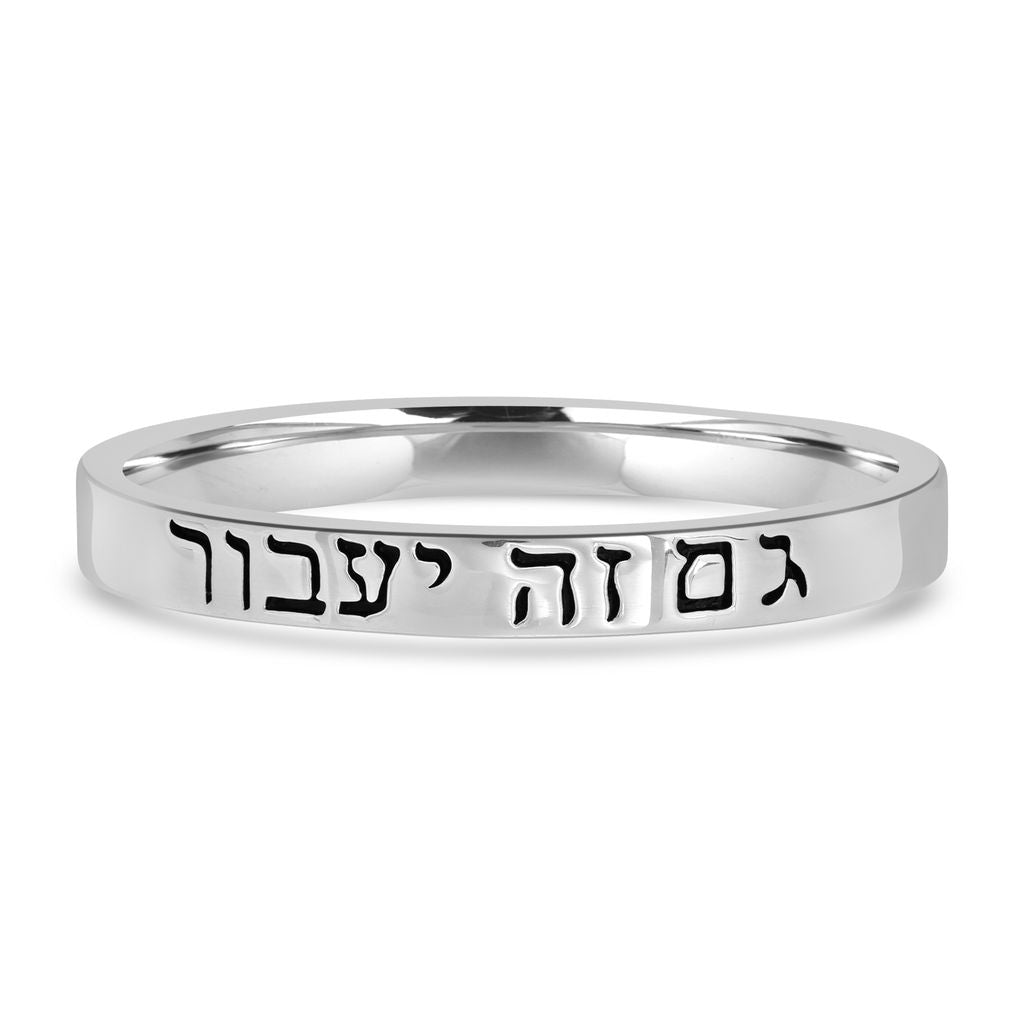
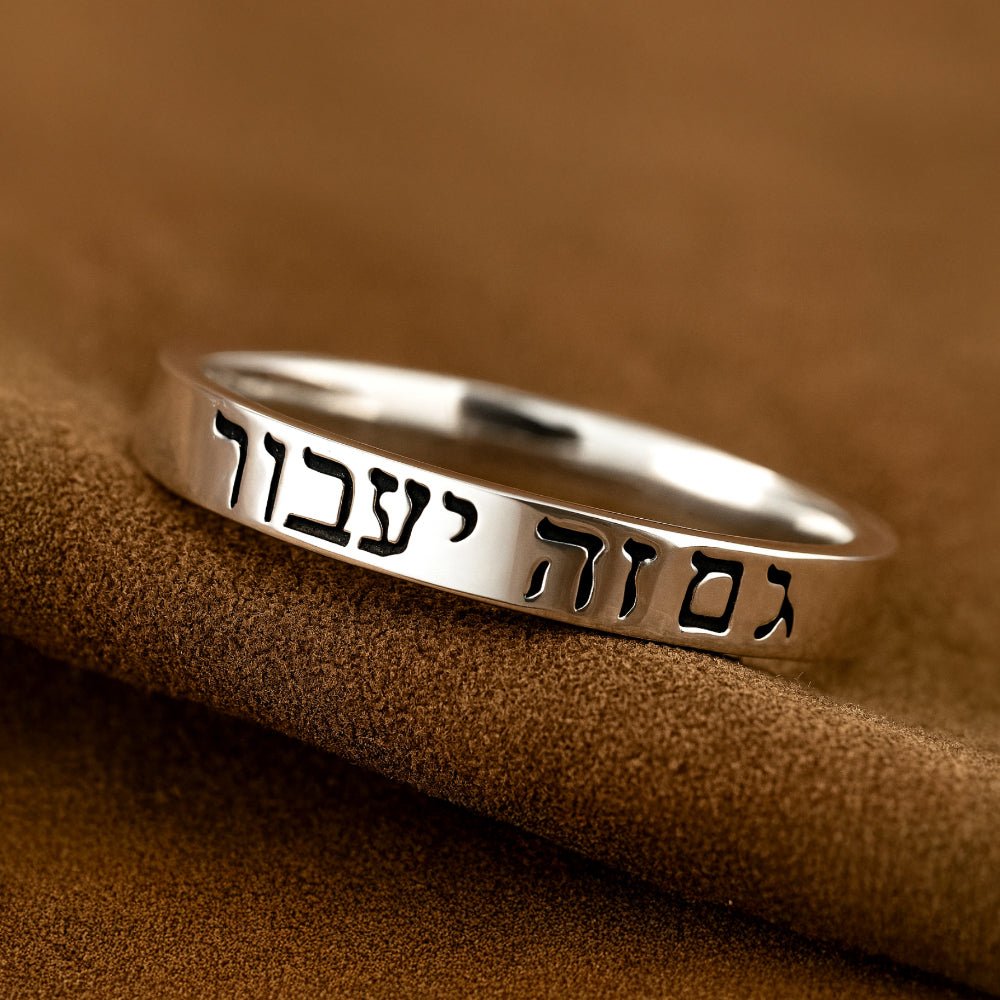
Jewish jewelry crafted by skilled artisans in Jerusalem continues to be a cherished choice for holiday gifts, especially during occasions like Tu B'Av Gifts, the Jewish festival of love. These pieces often feature Jewish symbols such as the Star of David, Chai, and the Hamsa, reflecting deep cultural and religious significance. Made from 14kt gold in various shades—yellow, white, and rose—these handcrafted items not only honor Jewish tradition but also celebrate Israeli pride.
Printed T-Shirts with Jewish and Israeli Symbols
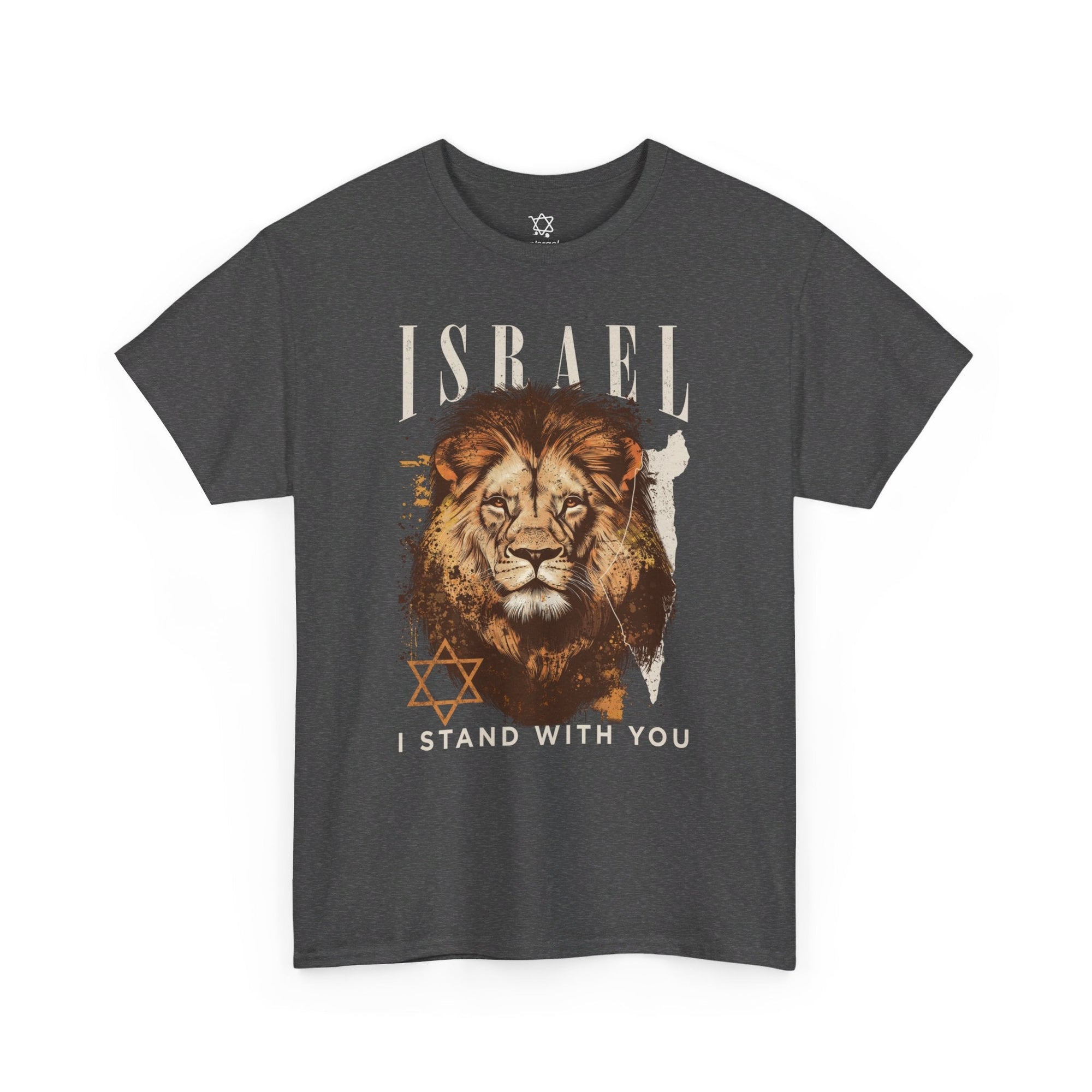
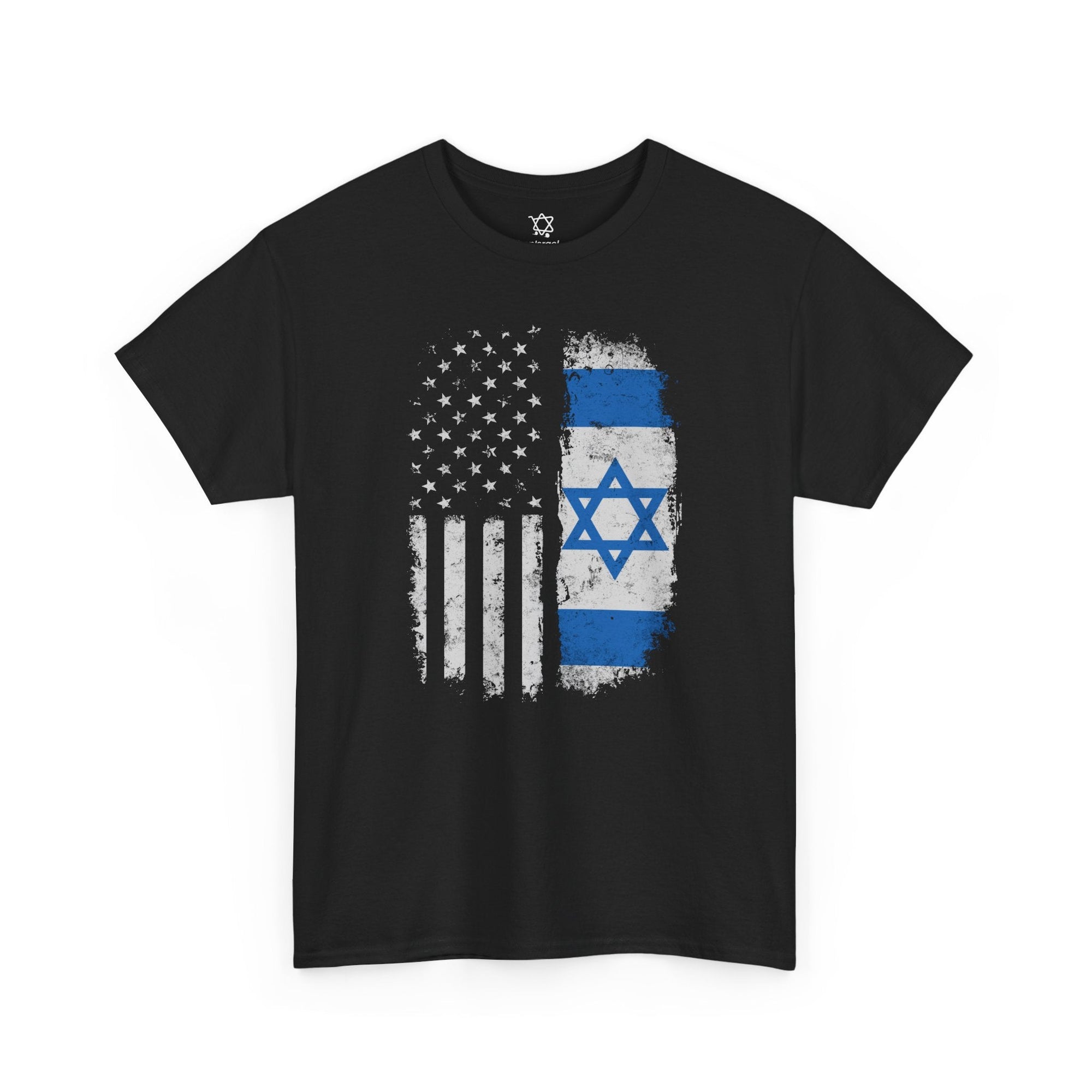
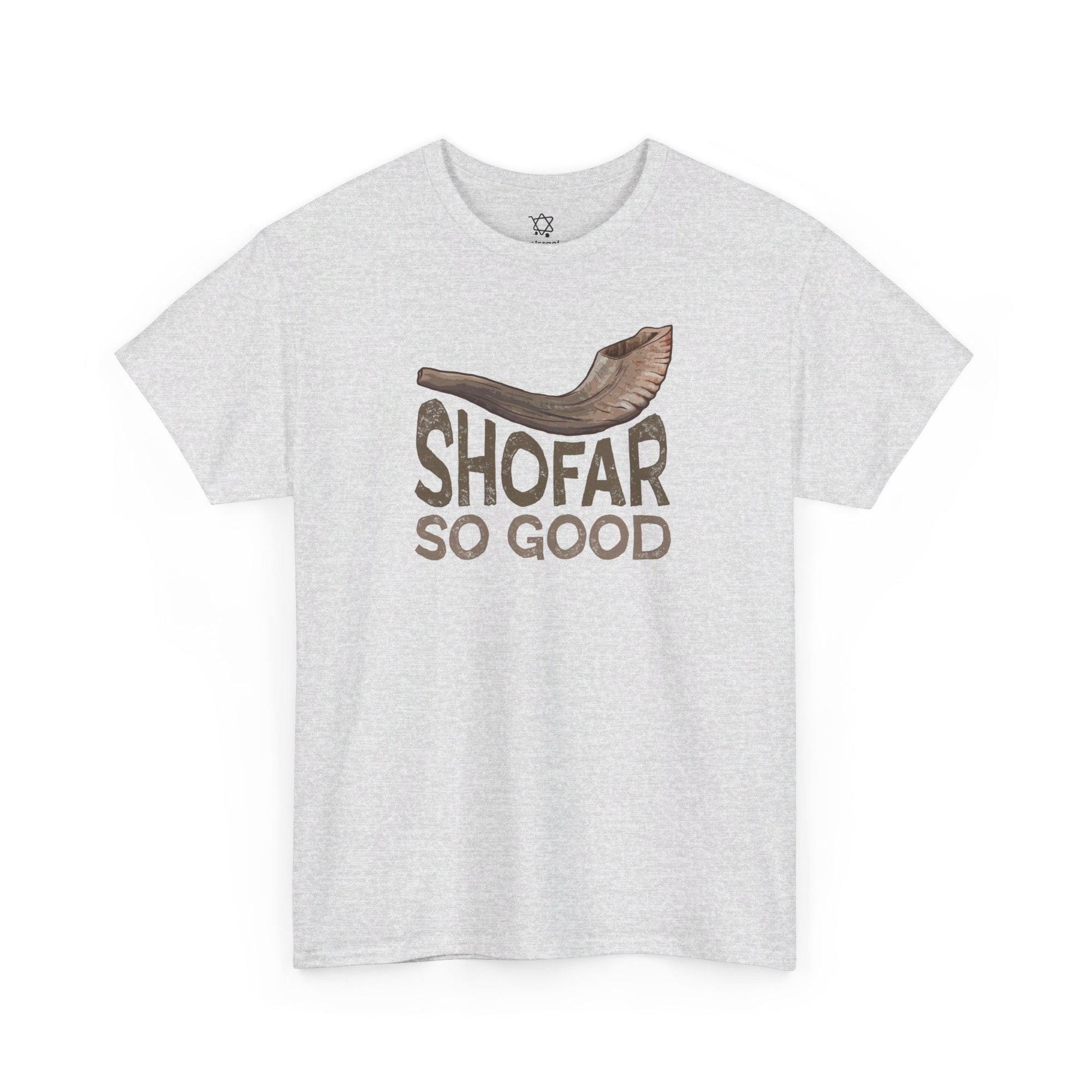
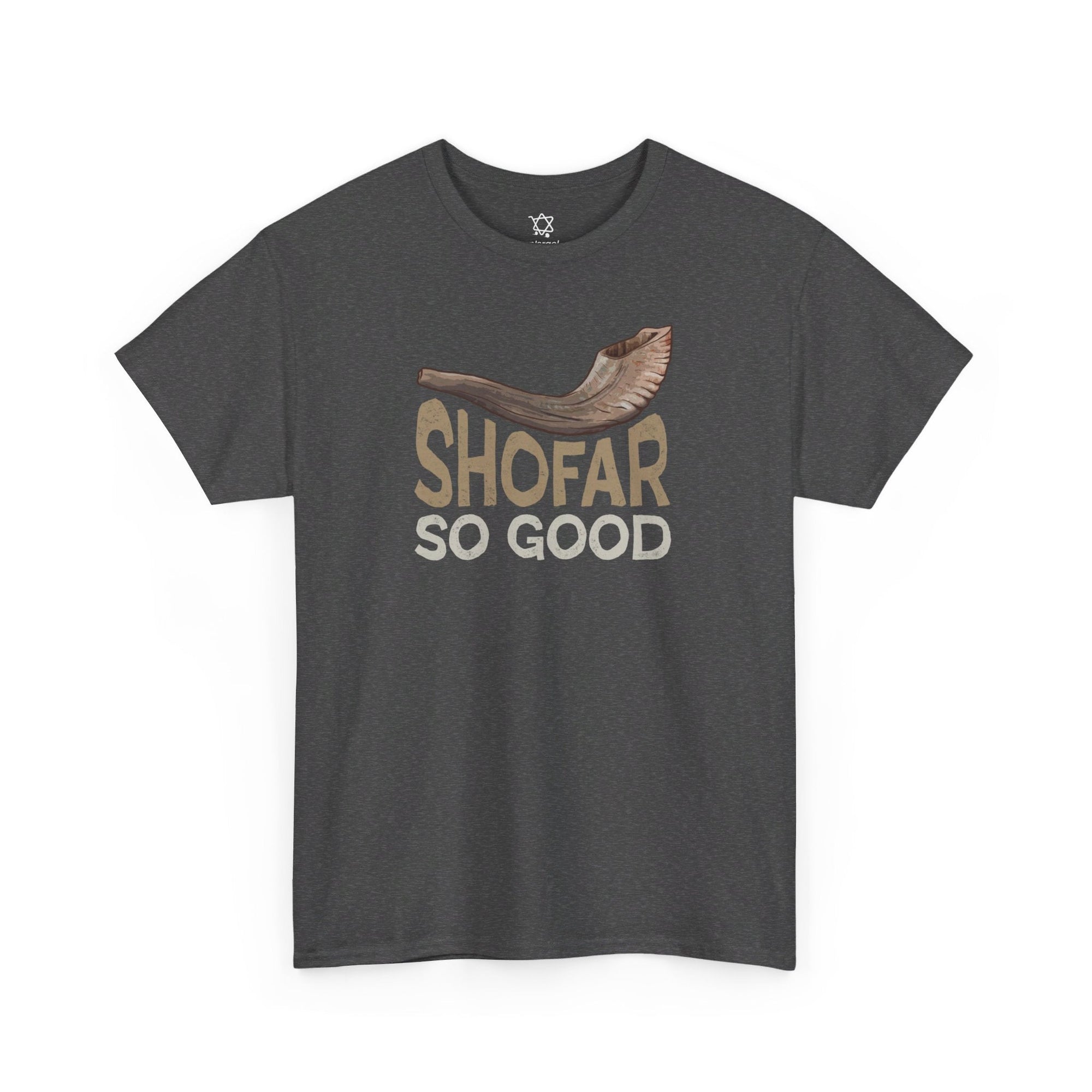
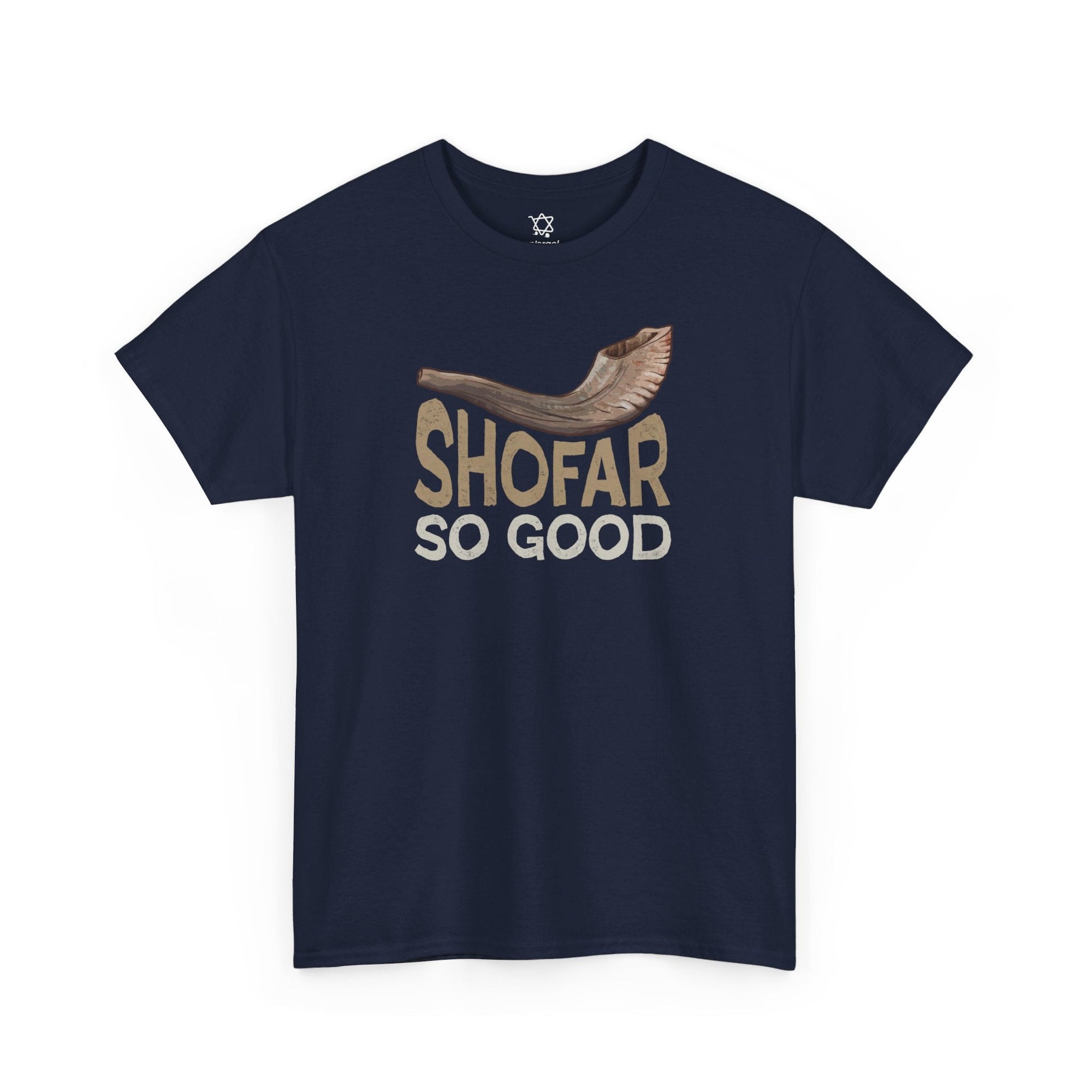
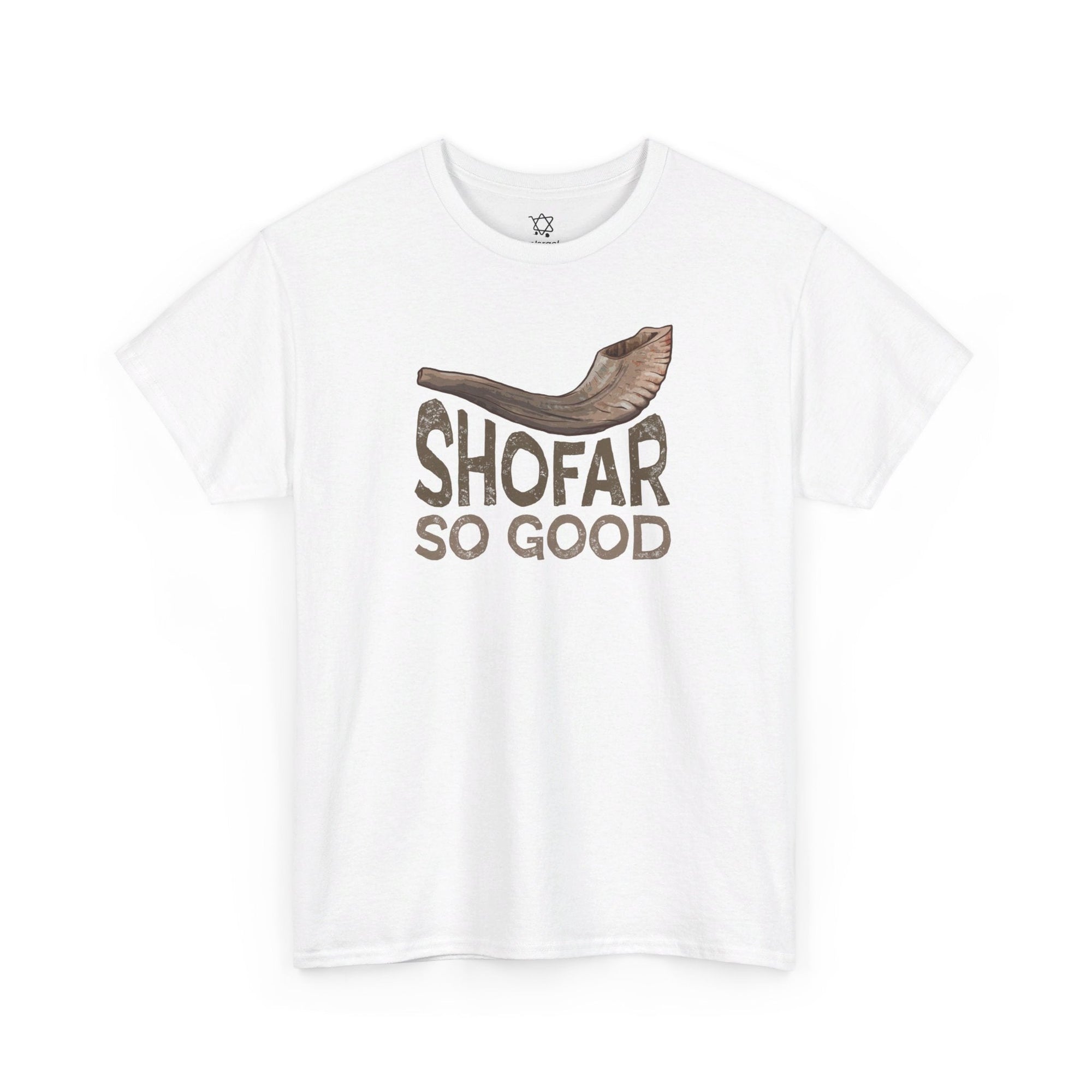
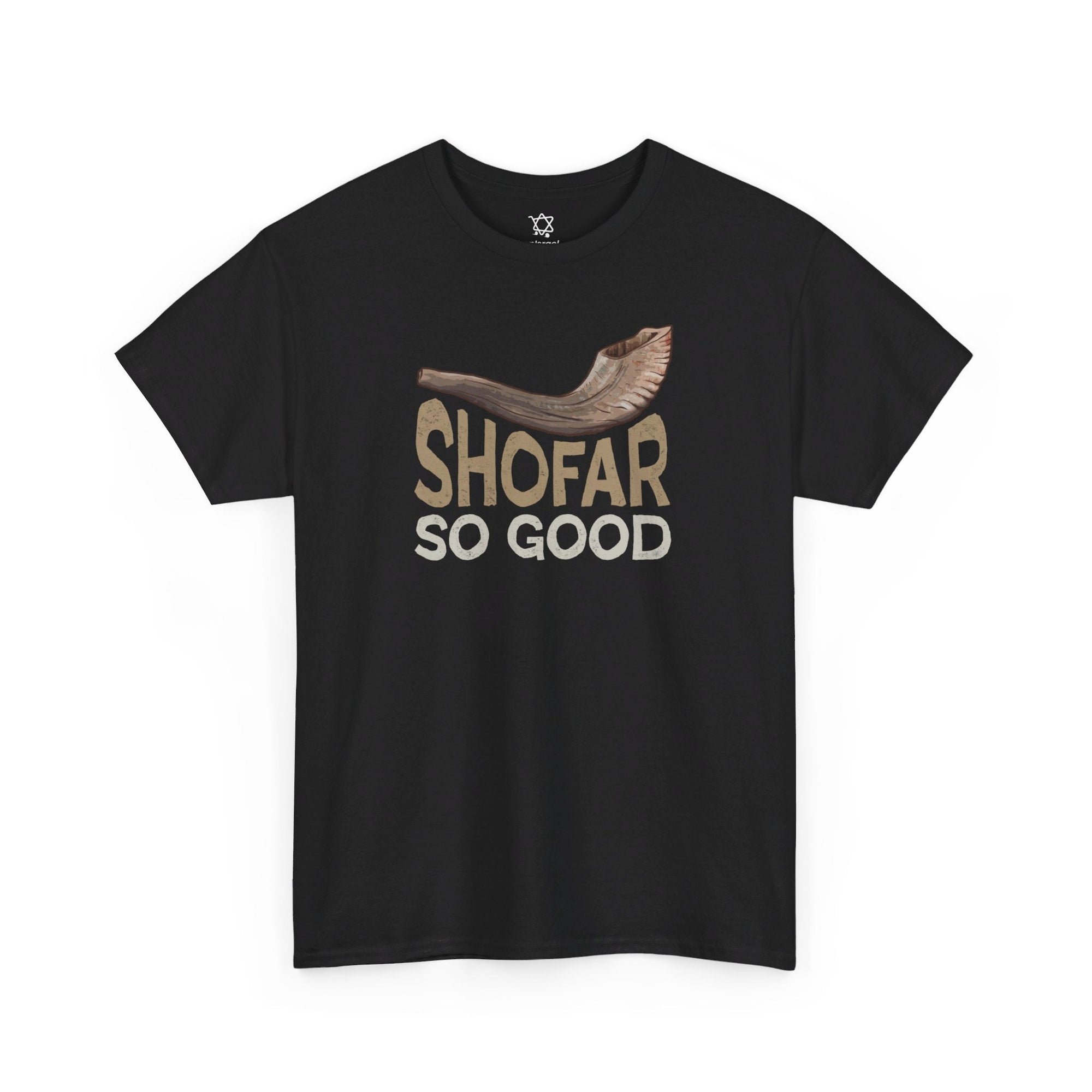
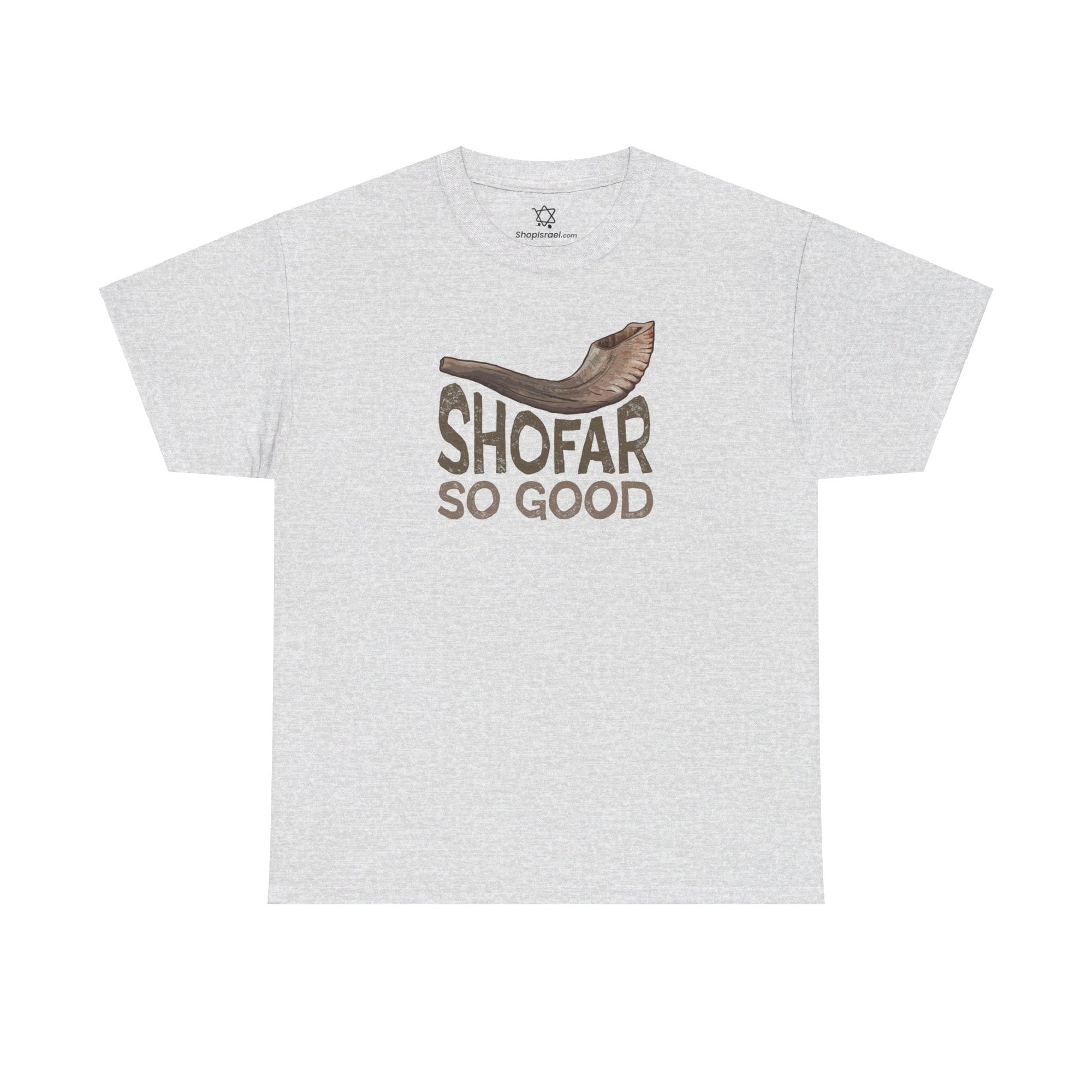
Popular among people looking to express their Jewish identity and loyalty, printed T-shirts display a variety of Jewish symbols, traditional texts, and references to the State of Israel. These garments include imagery connected to Israel's military divisions (Zahal) and important cultural emblems, allowing wearers to proudly display their heritage in a casual, yet meaningful way. T-shirts blend modern fashion with tradition, making them a versatile option for many Jewish holidays and events. See more about Traditional Jewish clothes.
Caps and Scarves Expressing Cultural Identity
Israeli caps embroidered with emblems and names of army brigades or adorned with images of Jerusalem, the Israeli flag, or the Chai symbol are also widely worn, conveying solidarity with the Israeli nation and Jewish culture. Similarly, scarves and head coverings, crafted from fine silk or chiffon, serve not only as modesty garments during religious occasions but also as fashion statements. These scarves sometimes feature biblical quotations and Jewish motifs, tying together cultural expression and spiritual devotion. Learn more about Jewish head coverings and scarves.
Together, these accessories and fashion items uphold a strong connection to Jewish heritage and Israeli patriotism, allowing individuals to celebrate their identity with pride during the holidays and beyond.
Cultural Heritage Preserved in Fashion: Insights from Museum Collections

Jewish costumes from multiple countries and eras
The rich tapestry of Jewish life is vividly reflected in the variety of traditional garments worn across different communities worldwide. Museum exhibits, like those at The Israel Museum clothing collection in Jerusalem and the Jewish Museum New York display, showcase over 100 clothing items from more than 20 countries. These range from everyday wear to elaborate costumes worn during important lifecycle events and mourning, highlighting centuries of enduring cultural identity and religious expression.
Influences from local customs on Jewish dress
Jewish dress has often absorbed elements from surrounding cultures, creating unique hybrids of style. For instance, Islamic-influenced Jewish veils and wraps frequently appear in Middle Eastern and Central Asian Jewish garments. In India, the Bene Israel community’s Bene Israel wedding sari brilliantly merges local styles with European bridal traditions. This blending of customs symbolizes Jewish communities’ adaptability while preserving their distinct heritage.
Ritual garments that tell stories of memory and tradition
Beyond daily wear, ritual garments encapsulate profound symbolism and historical memory. The exhibition features an Ottoman Jewish bridal gown transformed into Torah Ark curtains, showcasing a tradition of renewing garments as sacred memorials. Such pieces illustrate how clothing not only serves functional or celebratory roles but also acts as tangible links to faith, memory, and identity passed down through generations.
Conclusion: Fashion as Expression of Jewish Heritage and Holiday Spirit
Embracing Israel-themed fashion during Jewish holidays allows individuals to celebrate with a deep sense of cultural pride.
Clothing choices on occasions like Rosh Hashanah and Yom Kippur blend tradition and symbolism, echoing values of purity, humility, and joy.
From the solemn whites of the High Holy Days to modern Israeli designs featuring the Star of David or Chai symbols, attire strengthens the bonds within Jewish communities worldwide.
Wearing traditional garments such as the kittel or stylish caps bearing Zahal emblems fosters a shared identity and honors heritage.
Engaging with both time-honored customs and contemporary fashion offers meaningful ways to express solidarity, faith, and love for Israel.
By celebrating Jewish culture through clothing, we keep our history alive while embracing a vibrant and evolving identity.