

An Introduction to the Cultural Legacy of Israeli Jewelry
Jewish jewelry stands as a unique art form, deeply intertwined with faith, heritage, and tradition.
It is more than mere decoration; it serves as a wearable expression of Jewish identity and cultural pride. Crafted with exceptional skill, often by Israeli artisans, the jewelry reflects a blend of age-old techniques and meaningful symbolism passed down through generations.
Central to Jewish jewelry are its powerful symbols, each bearing spiritual and historical significance.
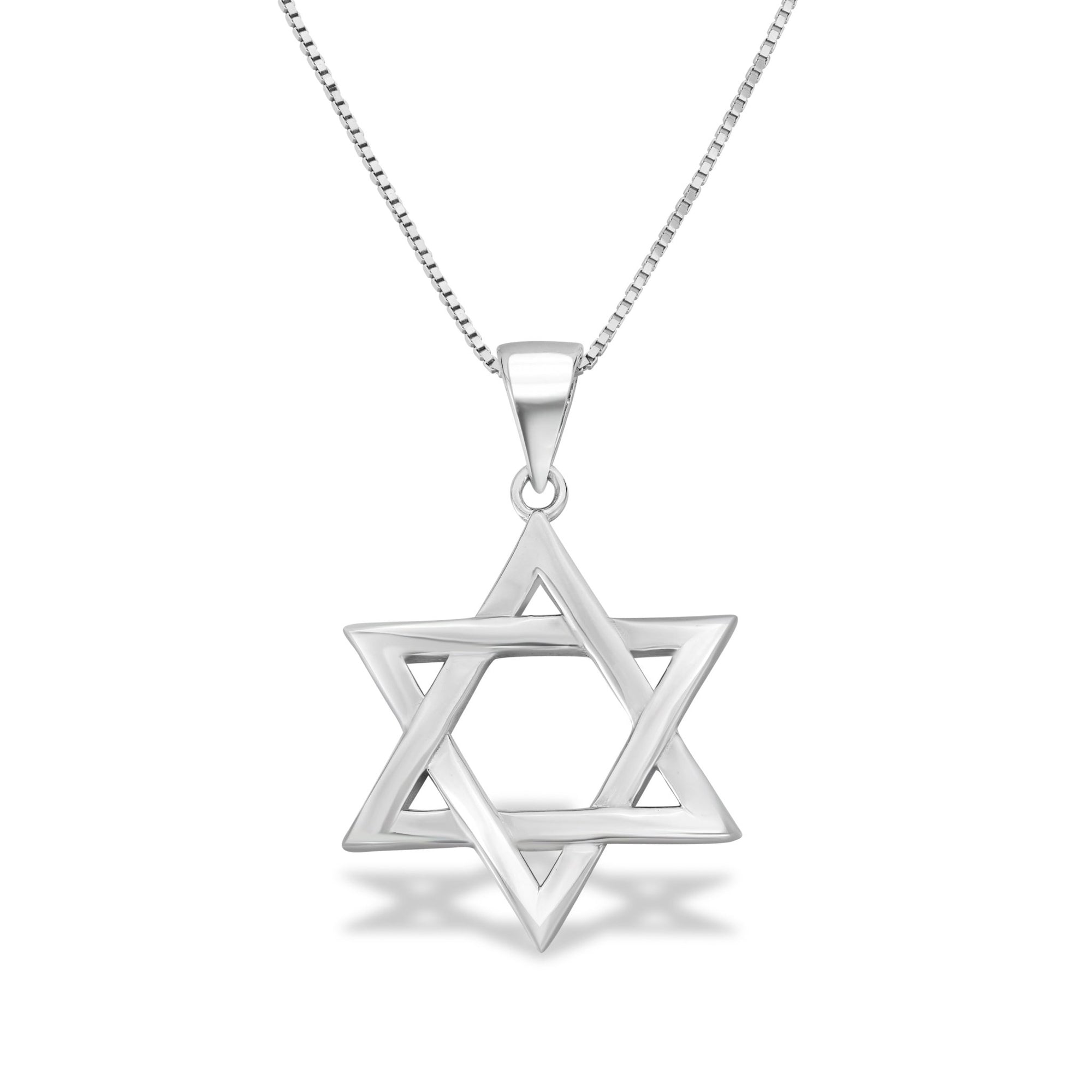
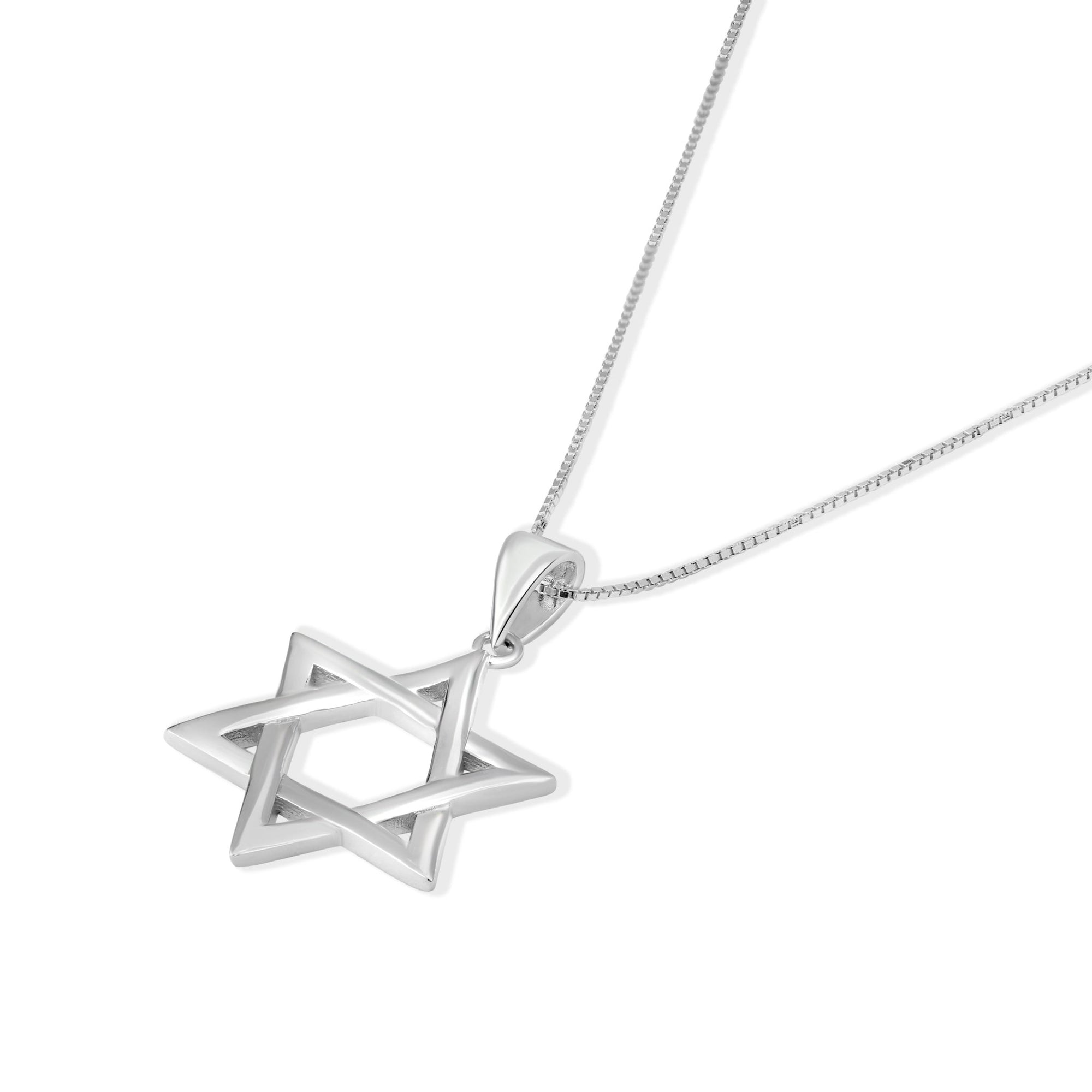
- Star of David (Magen David): Represents Jewish identity, protection, and unity, also symbolizing the connection between God and humanity.
- Chai: Meaning “life” in Hebrew, signifies vitality and blessings, often linked to prosperity and worn as a talisman.
- Hamsa: An open hand symbol offering protection against the evil eye, believed to bring good luck, health, and happiness.
- Mezuzah: Inspired by the scroll placed on doorposts, miniature pendants remind wearers of faith and protection daily.
- Other symbols like the Menorah, Tree of Life, Lion of Judah, and Pomegranate celebrate wisdom, strength, abundance, and spiritual connectedness.
These motifs are skillfully incorporated into jewelry using materials such as gold, silver, precious stones, and native Israeli elements like Eilat stone.
By wearing such jewelry, people honor their Jewish heritage and Israeli culture, creating a tangible link that celebrates identity, faith, and history.
Israeli jewelry embodies a vibrant tradition that connects the past and present, inspiring pride in the Jewish diaspora worldwide.
Historical Roots and Traditional Craftsmanship in Israeli Jewelry
What Are the Ancient Origins of Israeli Jewish Jewelry?
Ancient Israelite jewelry was more than mere decoration; it held religious and cultural significance. Biblical texts recount the use of adornments such as gold nose rings, bracelets, and intricate amulets, often tied to marriage traditions and divine favor. Unique pieces like the High Priest's breastplate, featuring twelve precious stones symbolizing the twelve tribes of Israel, underscore jewelry's spiritual importance in Jewelry with religious significance.
What Are the Material Traditions Behind Israeli Jewelry?
Jewish jewelry craftsmanship draws upon generations of tradition, blending refined techniques with meaningful materials. Gold Jewish jewelry and sterling silver are foundational metals, valued for both beauty and spiritual symbolism. Artisans often incorporate precious stones, glass beads, and rare minerals like Eilat stones in jewelry—a copper-rich gem native to Israel. Handcrafted techniques such as delicate Filigree metalwork techniques in Israeli jewelry and intricate metalwork are common, reflecting a rich heritage of skilled artisanship (Jewish jewelry craftsmanship).
How Have Immigrant Influences Shaped Israeli Jewelry Styles?
The diversity of Israeli jewelry owes much to the cultural fusion brought by immigrant artisans, especially from Yemen, Morocco, and Russia. Yemenite silversmithing tradition is renowned for its elaborate filigree featuring geometric and floral patterns, while Moroccan and Russian traditions contribute distinctive motifs and craftsmanship methods. This melding of styles produced a uniquely Jewelry made in Israel aesthetic that honors ancestral roots while expressing contemporary artistry.
What Role Do Precious Stones and Metals Play in Jewish Jewelry?
Jewelry crafted in Israel frequently incorporates precious gemstones such as diamonds and birthstones, alongside materials like Gold Jewish jewelry and silver. Ancient biblical symbolism is echoed through stones—such as the twelve gems on the Priest’s breastplate—enhancing both beauty and meaning. The inclusion of Eilat stones in jewelry connects wearers to the land itself, while the use of metals believed to carry spiritual energies aligns with Jewish jewelry symbols.
Jewelry from Israel, deeply rooted in history and shaped by cultural diversity, continues to serve as a powerful medium to express Jewish faith, heritage, and identity through timeless craftsmanship.
The Power and Meaning of Iconic Jewish Symbols in Jewelry
Star of David and Its Spiritual and Cultural Significance
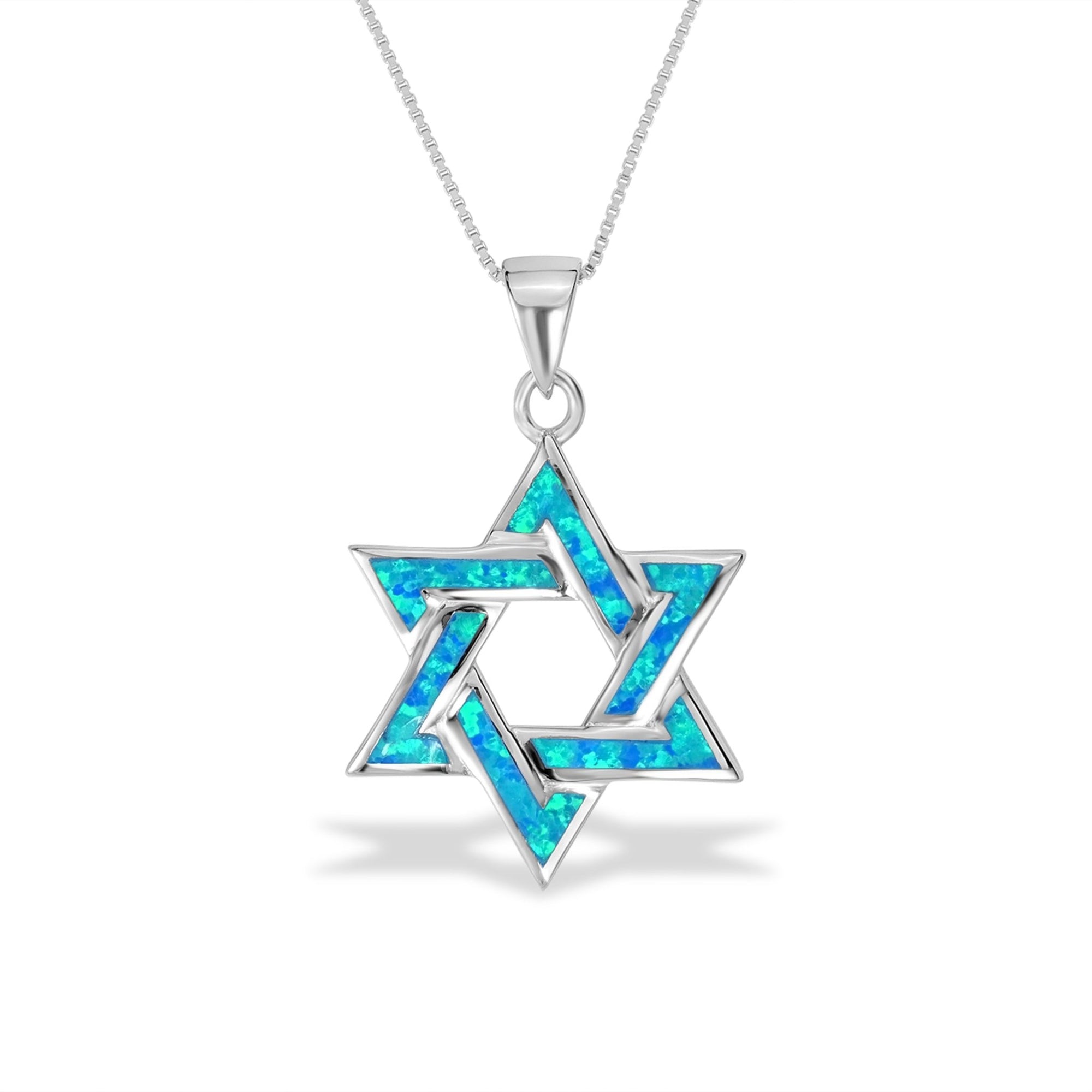
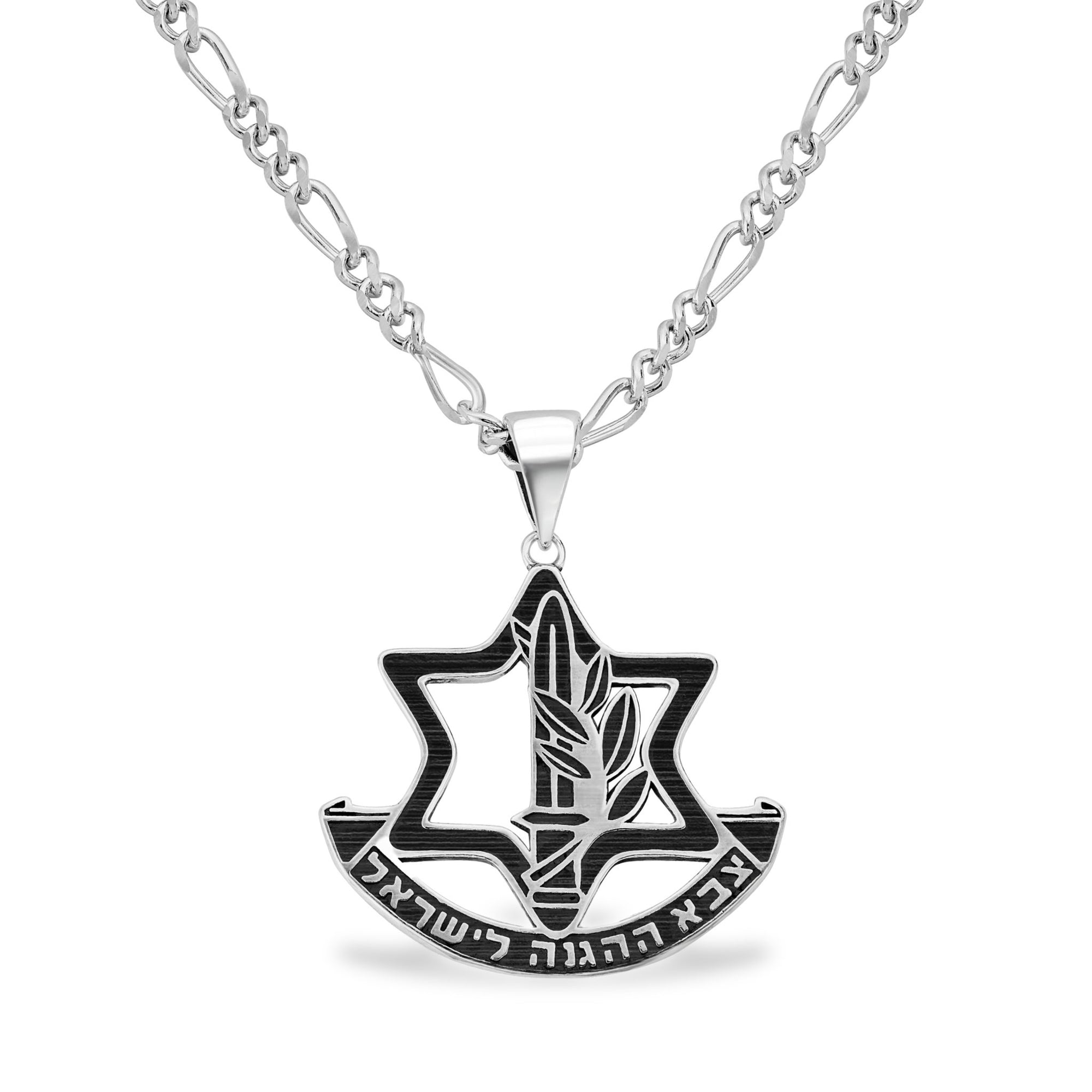
The Star of David jewelry, or Magen David, is one of the most recognized symbols of Jewish identity. Beyond its cultural importance, it symbolizes protection, unity, and the profound connection between God and humanity. Historically, this hexagram-shaped emblem has mystical roots in Kabbalistic teachings, representing a bridge between the divine and earthly realms. It also holds a national significance as the emblem on the flag of Israel. Israeli artisans skillfully incorporate this symbol into Jewelry made in Israel, offering designs that reflect strength, faith, and community.
The Chai Symbol Representing Life and Fortune
Meaning "life" in Hebrew, the Chai symbol significance embodies vitality, good fortune, and resilience. It is often worn as a talisman to invite blessings of health, happiness, and prosperity. The number 18, associated with the Chai, is considered especially auspicious in Jewish culture, symbolizing a double portion of life and blessings. Jewelry featuring the Chai motif serves both as a celebration of life and a spiritual safeguard, making it a meaningful gift for joyous occasions.
Hamsa as a Protective Talisman
The Hamsa symbol protection, or the Hand of Miriam, is a powerful symbol of protection against the evil eye and negative energies. Its open-hand design, often featuring an eye in the palm, signifies divine protection, luck, and happiness. The five fingers also represent the five books of the Torah, linking this emblem closely to Jewish faith. This motif is popular in pendants, bracelets, and charms, crafted from precious metals and sometimes adorned with stones, reflecting its role both as spiritual armor and a beautiful accessory.
Menorah, Tree of Life, and Torah Symbolism
Jewelry designs frequently integrate the Menorah, Tree of Life Jewelry Symbol, and Torah, each symbol carrying deep religious and cultural resonance. The Menorah, with its seven branches, embodies light, wisdom, and divine inspiration. The Tree of Life (Etz Chaim) stands for growth, strength, and the continuous connection to Traditional Jewish jewelry and spiritual wisdom. Jewelry featuring the Torah symbolizes faithfulness to Jewish law and tradition, reminding wearers of their cultural roots and spiritual commitments.
Jewish jewelry merges artistry with faith, using these iconic symbols to tell stories of heritage, protection, and life’s blessings, creating enduring pieces that honor both personal and collective identity.
Jewelry As Spiritual and Protective Expressions of Faith
What role do Mezuzah pendants play in Jewish spiritual jewelry?
Mezuzah pendants are miniature representations inspired by the traditional mezuzah scroll, which is affixed to doorposts containing sacred Hebrew prayers. Wearing these pendants serves as a daily reminder of faith and divine protection, symbolizing a personal connection to Jewish heritage symbols and God’s guardianship.
How do inscriptions like Shema Yisrael influence Jewish jewelry?
Jewelry engraved with the Shema Yisrael prayer, a declaration affirming the oneness of God, is believed to carry spiritual protection for the wearer. These inscriptions offer a meaningful way to express and carry one's faith, serving both as a statement of belief and a talisman imbued with spiritual strength.
What is the significance of Kabbalah influence in Jewish jewelry design?
Jewelry influenced by Kabbalah often incorporates symbols such as the Star of David and the Hamsa, imbued with mystical interpretation and spiritual energy. Designs may use materials considered spiritually powerful, including the five metals(gold, silver, copper, tin, and lead). This fusion of faith and mysticism enhances the jewelry’s role as a protective and uplifting amulet.
Why are red string bracelets popular in Jewish mystical tradition?
Red string bracelets, typically worn on the left wrist, are rooted in Kabbalistic teachings and biblical folklore. They are believed to ward off the evil eye and misfortune, offering protection and good luck. Their association with biblical stories and spiritual practice underscores their importance as a tangible symbol of divine safeguarding and mystical tradition.
Jewish spiritual and protective jewelry serves not only as adornment but also as an expression of deep-rooted faith, cultural identity, and mystical heritage, connecting wearers with generations of tradition and divine protection.
Materials and Artistic Techniques Unique to Israeli Jewelry
Use of Sterling Silver, Gold, and Precious Stones
Israeli Jewish jewelry is renowned for its craftsmanship and the use of precious materials. Sterling silver Jewish jewelry and 14k yellow gold jewelry are traditional metals that serve as the foundation for many pieces. These metals are valued not only for their beauty but also for their cultural significance within Jewish heritage jewelry. Additionally, Jewelry with precious gems such as diamonds and birthstones often adorn jewelry, enhancing both aesthetic appeal and personal meaning.
Regional Materials like Roman Glass, Eilat Stone, and Jerusalem Stone
Distinctively, many Israeli artisans incorporate unique regional materials into their work. Roman glass jewelry in Israel recycled from ancient shards, brings historical depth and vibrant colors to modern jewelry. Eilat stones in jewelry, a stunning blue-green gemstone native to Israel, carries biblical and ancient mining associations, symbolizing the Land of Israel itself. Jerusalem Stone in jewelry extracted from the region's limestone quarries, links jewelry directly to the landscape and spiritual heart of Jewish identity.
Filigree and Intricate Metalwork Traditions
Israeli jewelry continues a long tradition of detailed metalwork, especially filigree—a technique involving delicate twisting and soldering of thin metal threads to create lace-like patterns. These methods originated with Yemenite silversmiths who settled in Israel, blending their rich cultural heritage with local motifs. This intricate craftsmanship highlights symbols such as the Star of David, Hamsa, and the Tree of Life, rendering them with elegance and reverence.
Fusion of Ancient Symbolism and Modern Artistic Design
The artistic expression in Israeli jewelry marries ancient Jewish symbols in jewelry with contemporary design sensibilities. Pieces frequently feature motifs like the Chai symbol in jewelry, the Mezuzah pendants, and the Menorah, but are reinvented through modern aesthetics to appeal to today's wearers. This fusion allows for meaningful adornment that honors the past while keeping the jewelry relevant and stylish for diverse global audiences.
| Material/Technique | Description | Cultural Significance |
|---|---|---|
| Sterling Silver & Gold | Traditional precious metals | Symbolize purity, value, and faith |
| Roman Glass | Ancient recycled glass | Connects to historic Jewish roots |
| Eilat Stone | Native blue-green gemstone | Represents connection to Israel’s land |
| Jerusalem Stone | Limestone from Jerusalem | Links jewelry to spiritual heritage |
| Filigree Metalwork | Detailed lace-like metal twisting | Yemenite craftsmanship, intricate detailing (Filigree metalwork techniques in Israeli jewelry) |
| Modern Design Elements | Contemporary reinterpretation | Bridges ancient symbols with today’s fashion |
Personalization and Modern Interpretations of Cultural Jewelry
How are custom Hebrew inscriptions, names, and initials used in Jewish jewelry?
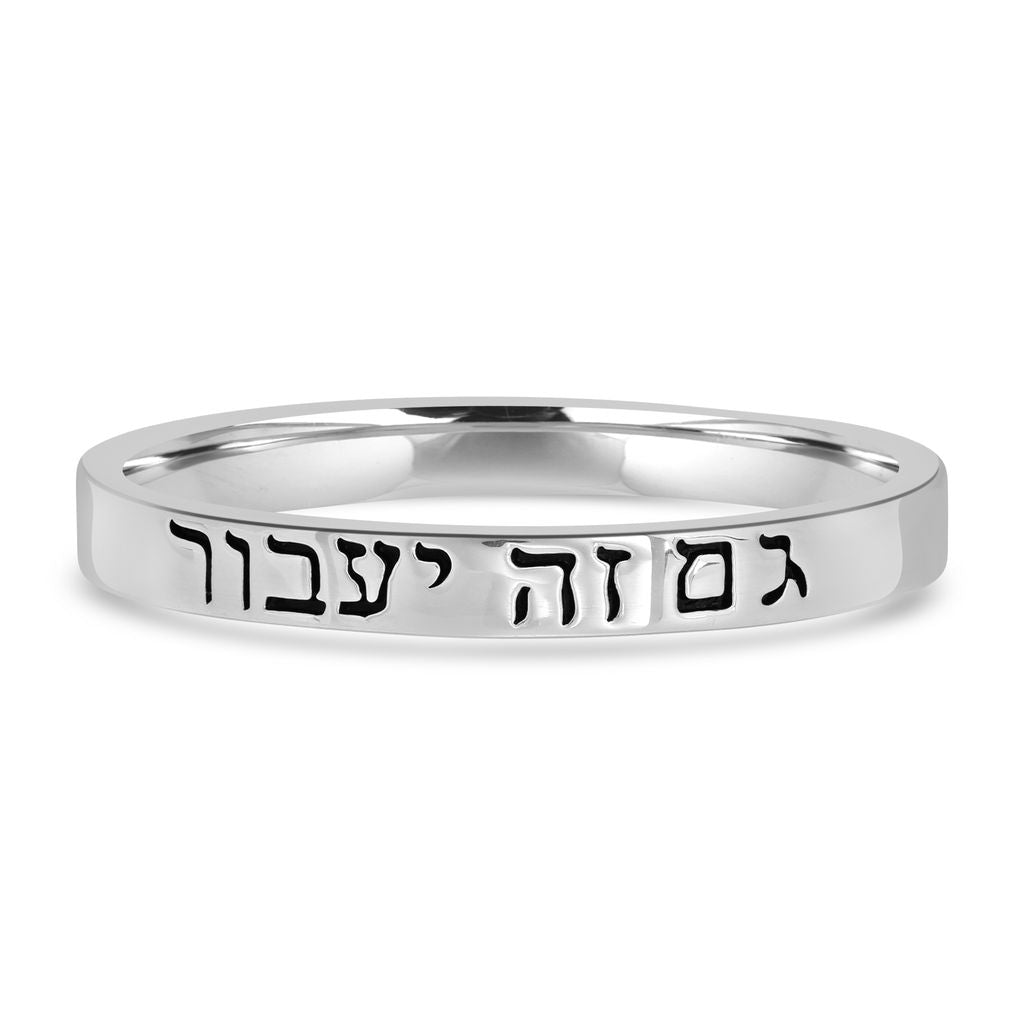
Jewish jewelry often features personalized elements such as Hebrew Inscriptions Jewelry, names, and initials. These customizations serve as meaningful connections to heritage, allowing wearers to express personal or family identity with faith-based significance. Whether engraved on rings, pendants, or bracelets, these inscriptions often carry blessings, prayers, or cherished phrases that reinforce spiritual and cultural bonds.
What role do birthstones and symbolic numbers like 18 play?
Birthstones and symbolic numbers enhance the personal and spiritual value of Jewish jewelry. The number 18, linked to the Hebrew word "Chai symbol significance" meaning "life," is especially significant, symbolizing vitality, luck, and prosperity. Many pieces incorporate multiples of 18 or feature birthstones tied to individual dates, making each item uniquely tailored to bestow health, happiness, and success.
How do contemporary designers blend old and new motifs?
Modern Israeli jewelry designers creatively merge traditional symbols with contemporary aesthetics. They reinterpret ancient motifs—like the Star of David in Jewish Jewelry, Hamsa Hand Symbol Meaning and Tree of Life Jewelry Symbol—with refined lines, new materials, and innovative craftsmanship. This fusion honors Jewish history while offering stylish, wearable art for today’s generation, reflecting both cultural pride and modern identity.
In what occasions is personalized Jewish jewelry especially popular?
Personalized Jewish jewelry is treasured for milestone occasions such as Bar and Bat Mitzvahs, weddings, and anniversaries. These meaningful events inspire gifts that embody faith and family legacy. Custom pieces bearing names, dates, or special inscriptions become cherished heirlooms, celebrating both spiritual maturity and enduring heritage within the Jewish community.
Jewelry as a Statement of Jewish Identity and Pride
How Do Jewish Symbols Express Culture and Faith?
Jewish jewelry is rich with Jewish jewelry symbols deeply rooted in faith and tradition. Iconic motifs like the Star of David jewelry symbolize unity, protection, and Jewish identity. The Chai symbol meaning, embodying vitality and blessings, while the Hamsa hand symbol protection offers spiritual protection against negative forces. Other symbols such as the Menorah Symbolism, Tree of Life symbol and Jewelry with inscriptions resonate with cultural history and religious faith, making jewelry pieces powerful expressions of Jewish heritage jewelry.
What Role Does Jewelry Play in Israeli Cultural Pride and Diaspora Identity?
Crafted by skilled Israeli jewelry designers, Jewish Jewelry encapsulates the unique beauty and craftsmanship of Israel. It strengthens cultural pride by connecting wearers to their ancestral roots and Jewish history inspired jewelry. For diaspora communities, these pieces serve as tangible links to Israel and Jewish tradition, fostering a sense of belonging and continuity. Wearing such jewelry becomes a daily celebration of identity and faith, blending cultural pride with personal expression.
In What Ways Is Jewelry Used to Mark Significant Religious and Personal Occasions?
Jewelry holds a special place for commemorating important religious and personal milestones such as Bar and Bat Mitzvahs, weddings, and anniversaries. Presents like Personalized Hebrew name jewelry, Chai symbol in jewelry, or Star of David in Jewish Jewelry are heartfelt gifts that symbolize blessings, protection, and life. These meaningful accessories become cherished keepsakes that honor personal stories within the broader fabric of Traditional Jewish jewelry.
How Does Jewish Jewelry Connect International Demand with Cultural Heritage?
Jewelry crafted in Israel enjoys high demand worldwide, especially among Jewish communities abroad seeking authentic expressions of their faith and culture. Many Israeli jewelry designers blend traditional Jewish motifs with modern styles, appealing globally while supporting local artisans. This international interest helps keep Jewish jewelry symbols alive across continents, strengthening cultural bonds and inspiring pride both within Israel and throughout the diaspora.
Supporting Israeli Artisans and Cultural Heritage Through Jewelry
Importance of small family-owned Israeli jewelry businesses
Small family-owned jewelry businesses in Israel play a vital role in preserving Jewish cultural jewelry traditions. These artisans continue time-honored traditions, often passed down through generations, ensuring that each piece embodies authentic heritage and meaningful symbolism. Their dedication sustains the unique Israeli jewelry unique style, blending diverse influences from Russian, Yemenite, and Moroccan immigrant communities into distinctive designs.
Craftsmanship rooted in Jewish and Israeli traditions
Jewelry crafted by Israeli artisans often features religious and cultural symbols such as the Star of David Jewelry, Hamsa Hand Symbol Meaning, Chai Symbol in Jewelry, and the Tree of Life Jewelry Symbol. The craftsmanship involves intricate metalwork, including delicate Filigree metalwork techniques in Israeli jewelry, and incorporates traditional materials like gold, sterling silver, precious stones, Roman glass jewelry in Israel, and Eilat stone properties and significance. These elements not only highlight the artisans' skill but also connect wearers to Jewish history inspired jewelry, spirituality, and Israeli identity.
Market for authentic Israeli and Jewish jewelry globally
The global Jewish diaspora and supporters of Israeli culture actively seek authentic Israeli jewelry and Jewish jewelry collection as expressions of faith, heritage, and solidarity. These meaningful accessories are popular gifts for life milestones like Jewish jewelry for Bar and Bat Mitzvahs, weddings, and holidays. The international demand supports Israeli artisans economically while promoting Jewish jewelry cultural significance.
Role of e-commerce in promoting Israeli cultural merchandise
E-commerce platforms have become essential in introducing Jewelry made in Israel to a global audience. Online stores enable buyers from across the world to access unique, handcrafted pieces that showcase the cultural and spiritual richness of Jewish heritage jewelry. This accessibility strengthens cultural connections and ensures that the stories behind these symbols continue to inspire across continents.
The Enduring Appeal of Jewelry Inspired by Israeli Culture and Symbolism
Timeless Symbols in Jewish Jewelry
Jewish jewelry is rich with symbols deeply rooted in faith and history. The Star of David represents protection and unity, while the Chai symbolizes life and good fortune. The Hamsa hand wards off negative energy, and the Tree of Life stands for growth and heritage. Other motifs like the Menorah, Lion of Judah, and pomegranate carry meanings of wisdom, strength, and abundance.
Blending Tradition With Modern Design
Contemporary Israeli jewelers skillfully combine ancient motifs with modern styles. Handcrafted pieces incorporate materials from gold and silver to unique Eilat stones and Roman glass. Biblical inscriptions, Hebrew letters, and personal engravings make every item meaningful, reflecting both cultural pride and individual stories.
Jewelry as a Celebration of Identity
Jewelry inspired by Israeli culture serves not only as adornment but also as a profound expression of Jewish heritage. Worn during milestones like Bar and Bat Mitzvahs, weddings, and holidays, these pieces foster a strong connection to faith and tradition. They enable wearers worldwide to celebrate and preserve their identity through timeless artistry.
| Symbol | Meaning | Cultural Role |
|---|---|---|
| Star of David | Unity, protection | National symbol, faith emblem |
| Chai | Life, good luck | Popular talisman for vitality |
| Hamsa | Protection against evil | Spiritual and cultural safeguard |
| Tree of Life | Growth, heritage | Represents wisdom and connection |
| Menorah | Divine inspiration | Central in Hanukkah traditions |