

Short answer: No. Christopher Hitchens did not support Israel. He was an outspoken anti-Zionist for essentially his entire adult life, criticized the Israeli occupation of the West Bank and settlement policy, and never came around on Zionism as a cause, even after learning late in life that he was of Jewish descent through his mother. As of August 2026, that is the full and closed record: Hitchens died in December 2011, so this answer will not change.
What Christopher Hitchens has actually said and done
Christopher Eric Hitchens was born on April 13, 1949, in Portsmouth, England, to Yvonne (Hickman) and Eric Hitchens, according to his biographical record on Wikipedia. He went on to become a widely read British-American author and journalist, writing for Vanity Fair and Slate and publishing books including "God Is Not Great" and the memoir "Hitch-22."
- 1967 into the 1970s: Hitchens was sympathetic to Israel as a student around the time of the Six-Day War, then soured on it over the following years. In "Hitch-22" he traced the break to a mid-1970s visit to a West Bank settlement. He later discussed that evolution in a 2010 interview with the Jewish Telegraphic Agency (JTA).
- 2003: In a FrontPage Magazine interview, Hitchens said that "one of the advantages of a Marxist and internationalist training is that it exposes one to the early writings of those Jewish cosmopolitans" who had warned against Zionism, warnings he came to see as vindicated.
- 1987, around age 38: Hitchens learned that his late mother, Yvonne, had been of Jewish descent. Her own mother, born Dorothy Levin, came from an Orthodox Jewish family that had emigrated from Breslau to Liverpool. Yvonne had concealed this so her son would "pass" as a conventional English gentleman, according to JTA and separately confirmed by Tablet Magazine.
- 2003: Hitchens put his position plainly in an interview, stating, "I am an anti-Zionist. I'm one of those people of Jewish descent who believes that Zionism would be a mistake even if there were no Palestinians," framing his opposition as a matter of principle rather than a reaction to any single event. He made this comment as reported by JTA.
- June 10, 2010: Ahead of a public appearance, Hitchens told New York Jewish Week that he had visited the West Bank in person and had witnessed what he called everyday squalor and despair under Israeli occupation. He argued Israel could not humanely govern a population that had not chosen it, per the same JTA interview.
- December 20, 2011: Days after his death, JTA published an assessment characterizing Hitchens as harshly critical of Israel and of Zionism as a political project throughout his career, while also noting that individual rabbis and Jewish debate partners who sparred with him publicly considered him a respectful friend despite the disagreement. See the full JTA piece.
- December 15, 2011: Christopher Hitchens died in Houston, Texas, at age 62, of complications from esophageal cancer, as reported at the time by The Nation. His death closed the record on any further public statement about Israel.
Context: an anti-Zionist by name, not a simple critic
Hitchens died in December 2011, so everything about his position on Israel is historical. On the specific question of Israel, the record is consistent and not ambiguous: he called himself an anti-Zionist by name, said the view predated and did not depend on the specifics of the Israeli-Palestinian conflict, and criticized the West Bank occupation and settlement policy as corrosive to Israel itself.
He was not a supporter or organizer of any boycott campaign against Israel. No reputable source documents him joining or endorsing one, and he died in 2011, well before the boycott movement reached its later prominence, so nothing on that front is asserted here. He also was not a garden-variety anti-Israel commentator in the broader sense: he was equally hostile to antisemitism and to Islamist violence, especially after the September 11 attacks, and several rabbis and Jewish interlocutors who debated him publicly described him as personally respectful even while rejecting his conclusions.
The Jewish-identity angle is a genuine, well-documented biographical fact, not a footnote. Hitchens discovered as an adult, after his mother's death, that she had been of Jewish descent through her own mother, information she had deliberately hidden from him. He acknowledged this heritage publicly and wrote about it at length in "Hitch-22," but he was explicit that his Jewish ancestry was separate from, and did not soften, his opposition to Zionism as a political program.
The bottom line
Christopher Hitchens did not support Israel. He was a self-described anti-Zionist for most of his adult life, criticized Israeli occupation and settlement policy on principle, and held that position until his death in December 2011, even after learning of his own Jewish maternal ancestry.
Wear your own answer
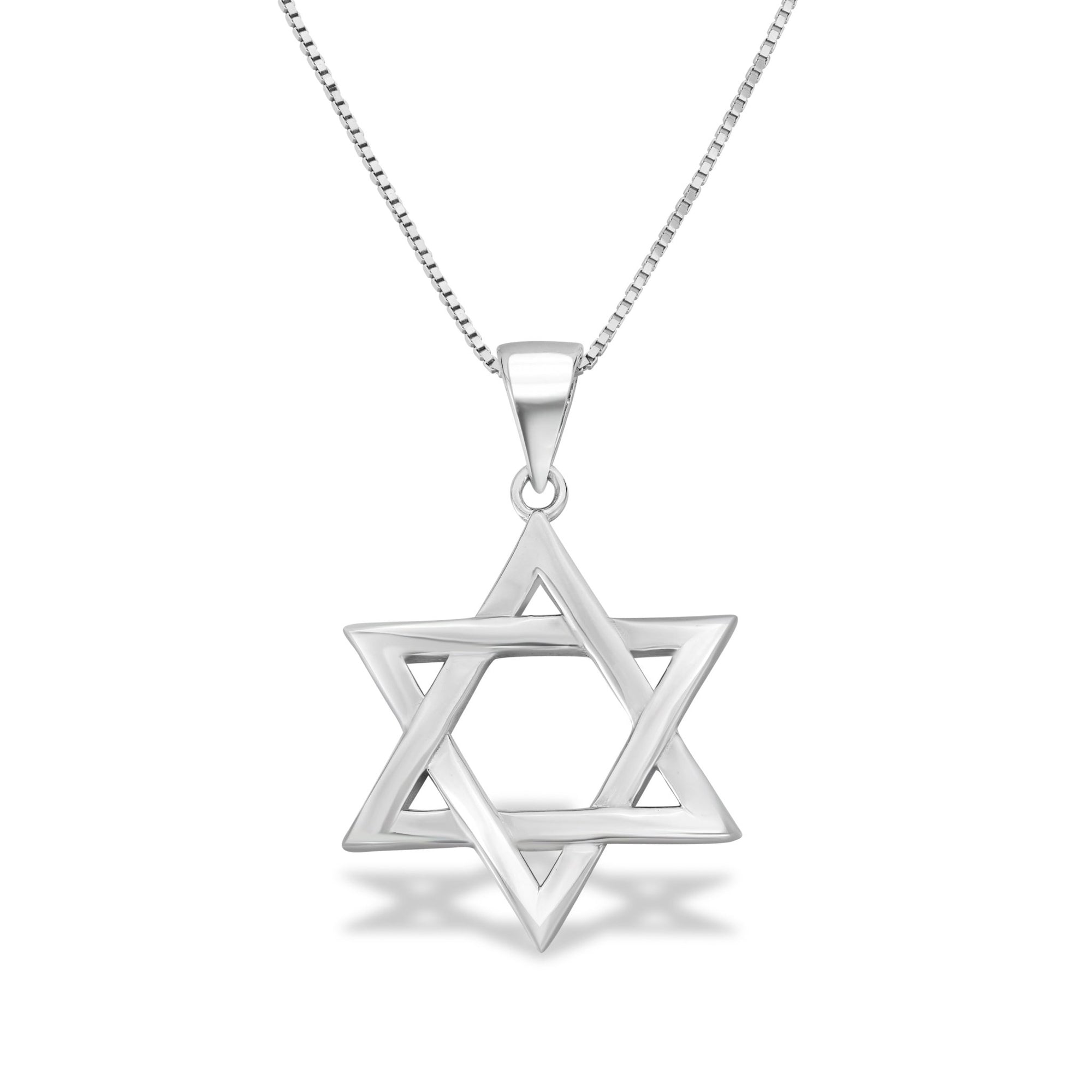
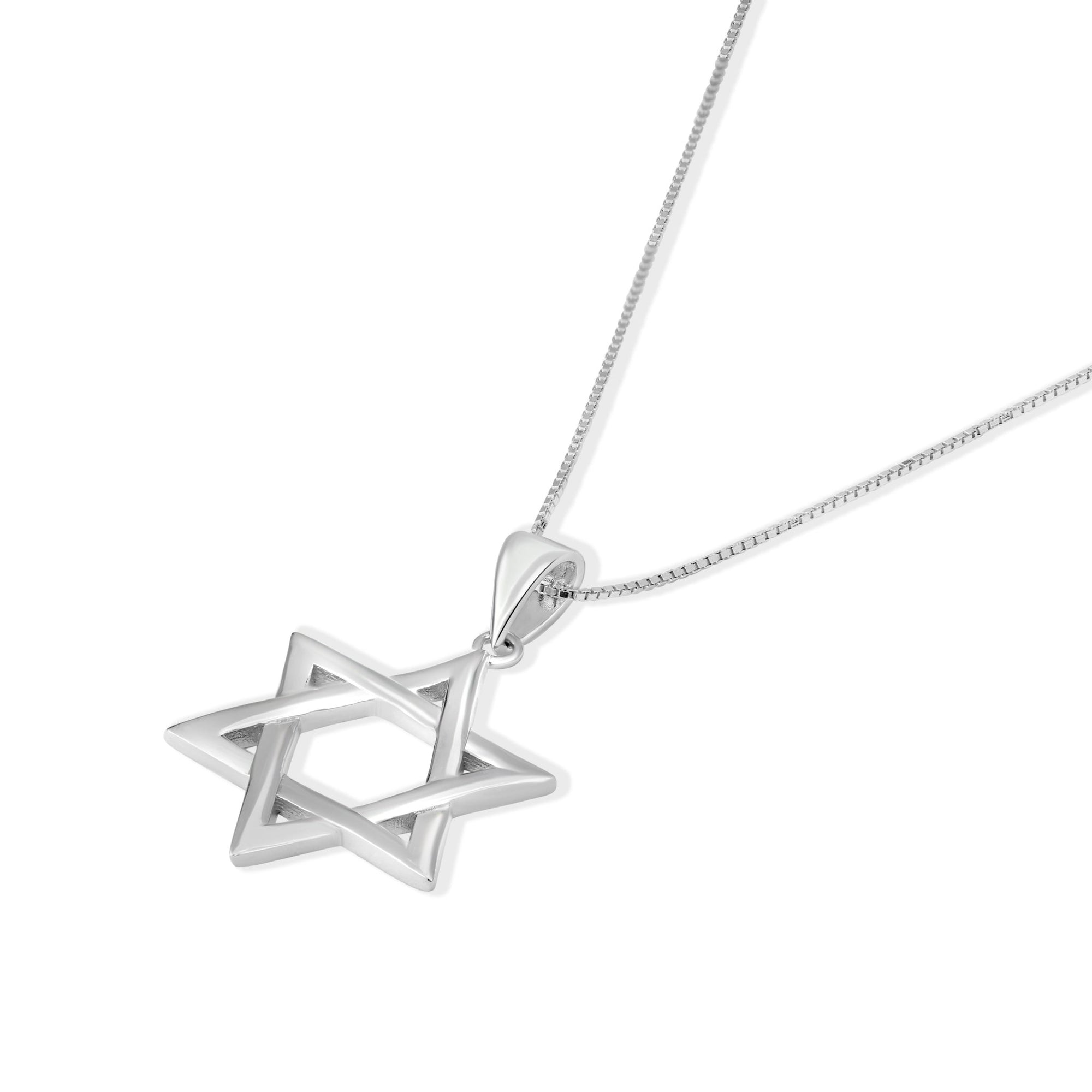
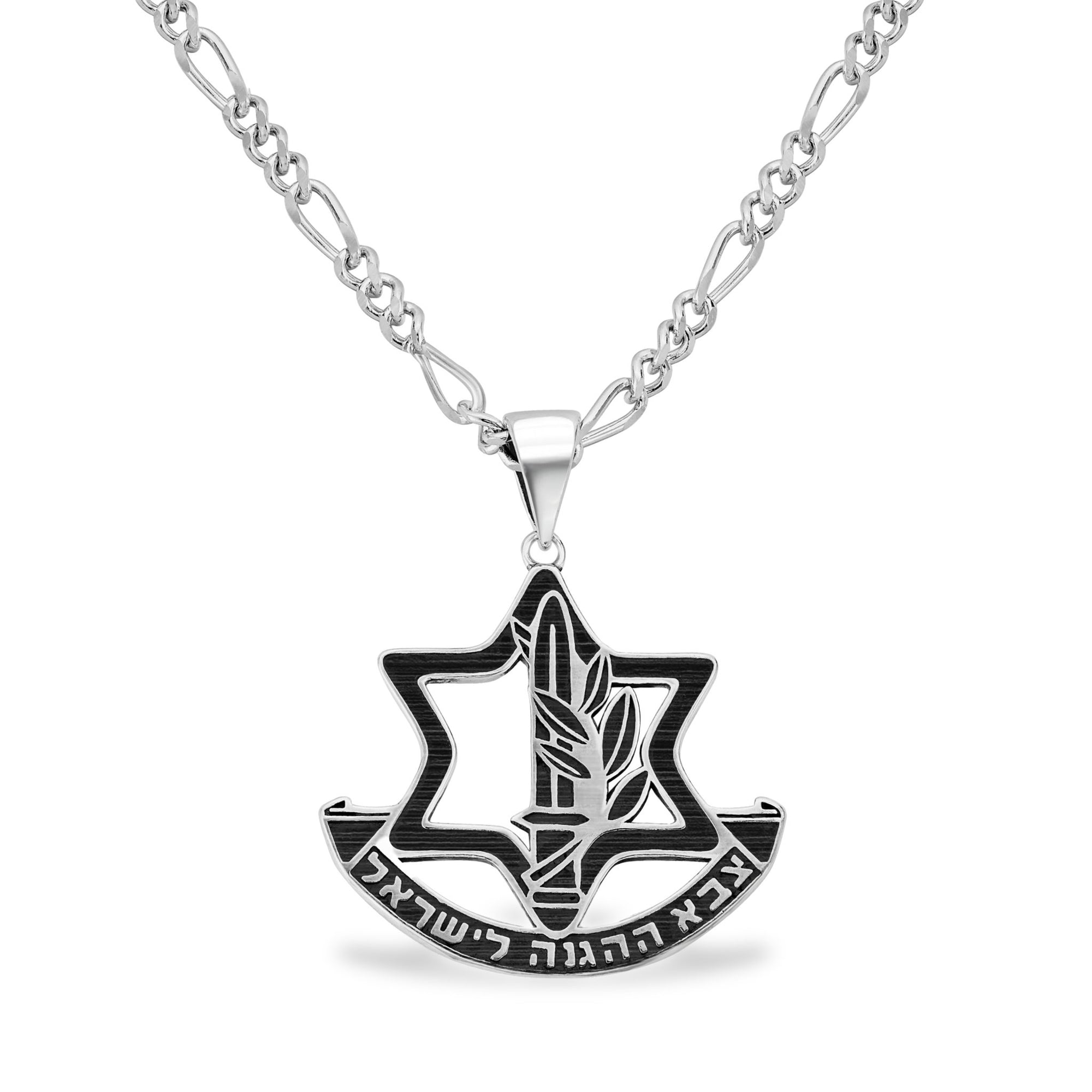
Whatever any one public figure's record turns out to be, plenty of people want a plain, visible way to say where they stand. Our Star of David jewelry collection is a simple, wearable way to carry Jewish identity and connection to Israel every day, no commentary required.
Related
Does Edward Said Support Israel?
Does John Mearsheimer Support Israel?
Does Norman Podhoretz Support Israel?
Last updated August 2026. We update these profiles as the record changes.