

Introduction to the Star of David Symbolism
Basics of the Star of David
The Star of David, known in Hebrew as the Magen David or "Shield of David," is the most universally recognized symbol of Jewish identity and heritage. This emblem has been linked to Judaism for centuries, symbolizing divine protection, unity, and spiritual connection for the Jewish people.
Description of Its Geometric Form
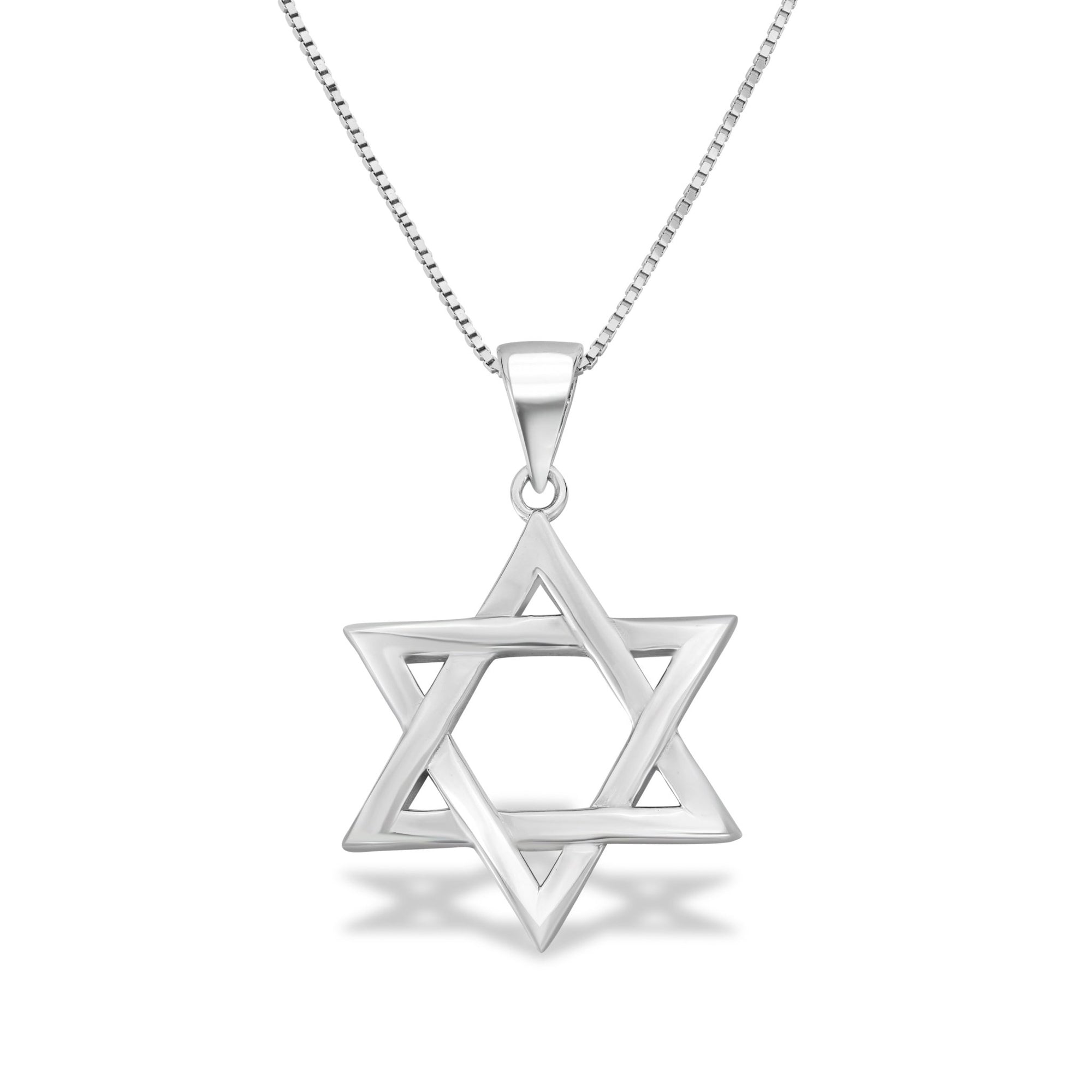
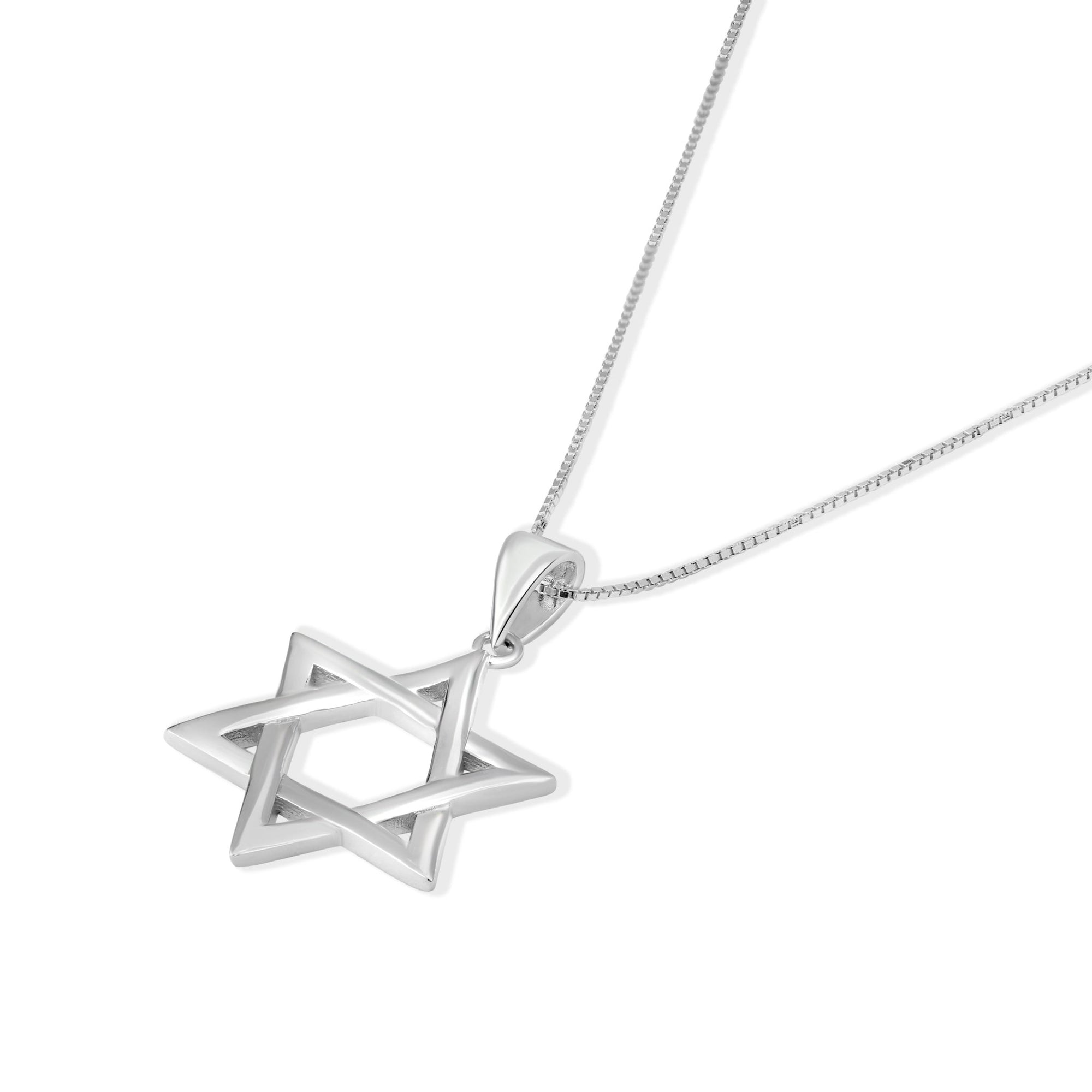
Composed of two interlocking equilateral triangles, the Star of David forms a six-pointed hexagram. This geometric design symbolizes balance and harmony, often interpreted as representing the connection between heaven and earth, the spiritual and the physical world, or the relationship between God and humankind. The six points also traditionally correspond to the six directions: north, south, east, west, above, and below.
Overview of Its Cultural and Religious Significance
While the star's origins preceded Judaism and appeared in other cultures such as Hinduism and Islamic art, it became distinctly Jewish around the 17th century. Since then, the symbol has been central to Jewish identity, notably adopted by the Zionist movement in the late 1800s and placed at the heart of the Israeli flag upon Israel's founding in 1948. In mystical Kabbalistic traditions, the Star of David embodies divine protection and the unity of opposites, making it a powerful emblem embraced in Jewish religious life, art, and jewelry.
Historical Origins and Evolution of the Star of David

What are the historical origins of the Star of David as a symbol?
The Star of David, or Magen David, is a six-pointed star formed by two interlocking equilateral triangles. While often recognized today as a central emblem of Judaism, its origins extend far beyond Jewish tradition. Archaeological and historical records reveal that the hexagram symbol appeared as a decorative motif in various ancient cultures, including Star of David in Hinduism, early Star of David in Christian alchemy, and Star of David in Islamic art—where it was sometimes called the "Seal of Solomon."
In Jewish contexts, the symbol dates back to antiquity, appearing on synagogue stones from the 3rd and 4th centuries CE and in the 11th-century Leningrad Codex manuscript. However, it was not initially an exclusive Jewish symbol. It gradually became associated with Jewish use of Star of David during medieval Europe. The 14th century marked a turning point when Jews in Prague were granted the right to carry a flag, adopting the six-pointed star as their emblem. By the 17th century, the hexagram was widely used in synagogues and Jewish communities as a symbol of spirituality, protection, and unity.
The Star of David gained powerful national significance during the late 19th century when the Zionist movement symbol adopted it at the First Zionist Congress in 1897 as an emblem of Jewish unity and aspiration for a homeland. This symbol was ultimately placed at the center of the Israeli flag Star of David when the State of Israel was founded in 1948, signifying Jewish sovereignty and pride.
However, the 20th century also brought tragic association. During the Holocaust, the Nazi regime forced Jews to wear a Yellow Star of David in WW2 badge to identify and persecute them. While this usage marks a dark chapter, the resilience of the Jewish people reclaimed the star as a symbol of survival, remembrance, and strength.
Today, the Star of David continues to be a profound emblem of Jewish heritage, faith, and the enduring connection of the Jewish people to their history and nation.
The Spiritual and Mystical Meanings Behind the Star of David

What spiritual or mystical meanings does the Star of David hold?
The Star of David, or Magen David, carries profound spiritual significance in Jewish mysticism, particularly within Kabbalah and the Star of David. Its six points represent the six cardinal directions: north, south, east, west, above, and below, symbolizing God's dominion over all aspects of the universe. This speaks to Star of David and divine protection.
The design itself, two interlocking triangles symbolism, embodies balance and unity. It symbolizes the harmonious integration of dualities—heaven and earth, masculine and feminine, spiritual and physical. This union reflects the reciprocal relationship between God and the Jewish people, as well as the intertwined nature of the material and divine realms.
In Kabbalistic teachings, the Star of David sits at the center of the Kabbalistic tree of life symbol, an important mystical symbol representing divine attributes (sefirot) and the structure of creation. The star, therefore, is a conduit for spiritual connection and enlightenment, bridging earthly existence and divine essence.
Beyond symbolism, the Star of David is seen as a divine protection symbol, a spiritual emblem that guards those who wear it and connects them to God’s providence. Its mystical roots imbue the symbol with a sense of unity, harmony, and faith that resonates deeply within Jewish culture and identity.
The Star of David as a Symbol of Jewish Identity and Heritage

How does the Star of David function as a symbol of Jewish identity and heritage?
The Star of David, or Magen David, stands as a profound emblem of Jewish identity and collective heritage. Its form—a hexagram made of two interlocking equilateral triangles—symbolizes unity, protection, and the deep connection between God and the Jewish people.
This symbol is prominently displayed across various Jewish cultural and religious settings. It adorns synagogue walls, sacred manuscripts, ritual objects, and most notably, the flag of Israel, representing the Jewish nation and its enduring spirit. Through its six points, it also evokes divine protection extending in all directions, a concept deeply rooted in Jewish spirituality.
Historically, especially following the Holocaust, the Star transformed into a powerful symbol of resilience and survival. Despite its tragic misuse by the Nazis as an identifier for persecution, Jews worldwide reclaimed it as a sign of pride and perseverance.
In modern times, the Star of David maintains its revered status among global Jewish communities. It serves not only as a spiritual and cultural anchor but also as a visible assertion of Jewish unity and continuity. Wearing Star of David jewelry and displaying the symbol publicly affirm Jewish identity and solidarity, especially in the face of contemporary challenges. Its widespread recognition reinforces Jewish heritage and celebrates a legacy of faith and resilience.
Meaning and Symbolism of the Star of David in Jewelry
What does wearing Star of David jewelry signify?
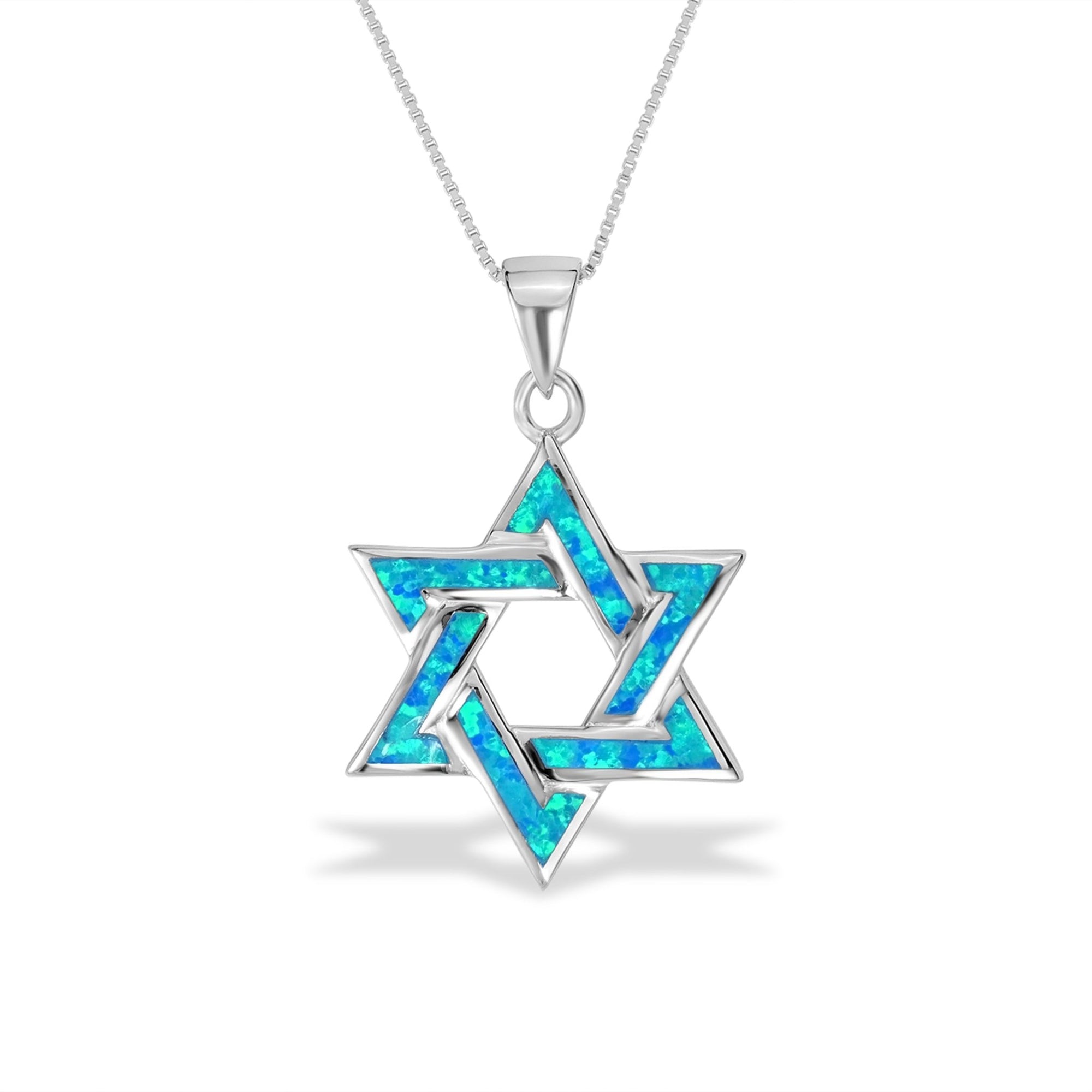
Wearing Star of David jewelry is a powerful expression of faith, cultural heritage, and deep spiritual connection to Judaism. This six-pointed star, known in Hebrew as Magen David or "Shield of David," carries rich symbolism embodying divine protection symbol, unity, and Jewish identity. When worn as a necklace, ring, or bracelet, it serves not only as a striking adornment but also as a personal emblem of resilience and pride.
Expression of faith and cultural heritage
The Star of David represents a bridge between the divine and earthly realms, symbolizing God's protection from all six directions—north, south, east, west, above, and below. For many, wearing the star is a way to honor ancestral traditions and display their Jewish identity symbol openly. It echoes centuries of Jewish history, spiritual teachings, and communal belonging.
Symbolism of protection, unity, and divine connection
Rooted in Kabbalistic use of hexagram, the interlocking triangles illustrate the harmonious balance between heaven and earth, spiritual and physical, masculine and feminine. This union is believed to offer a divine protection symbol. The star also encapsulates themes of unity among the Jewish people and serves as a reminder of the reciprocal relationship between God and man.
Use in personal and communal identity
Beyond individual expression, the Star of David has long been a unifying emblem for the Jewish community worldwide. Its presence on synagogues, the Israeli flag, and personal jewelry strengthens a sense of solidarity, especially in turbulent times. Jewelry bearing the star becomes a medium for cultural remembrance and a statement of collective resilience.
Jewelry as a form of cultural remembrance and resilience
Historically, even during periods of persecution, such as the Spanish Inquisition or the Holocaust, Jewish people have embraced the Star of David as a symbol of survival and hope. Today, wearing Star of David jewelry honors this legacy, connecting wearers to a heritage of faith and perseverance. It is often gifted or worn during important life moments like Bar or Bat Mitzvahs, serving as a lasting keepsake of identity and divine protection.
Designs and Materials of Star of David Jewelry: Traditions and Trends

What are common design styles and materials used in Star of David jewelry?
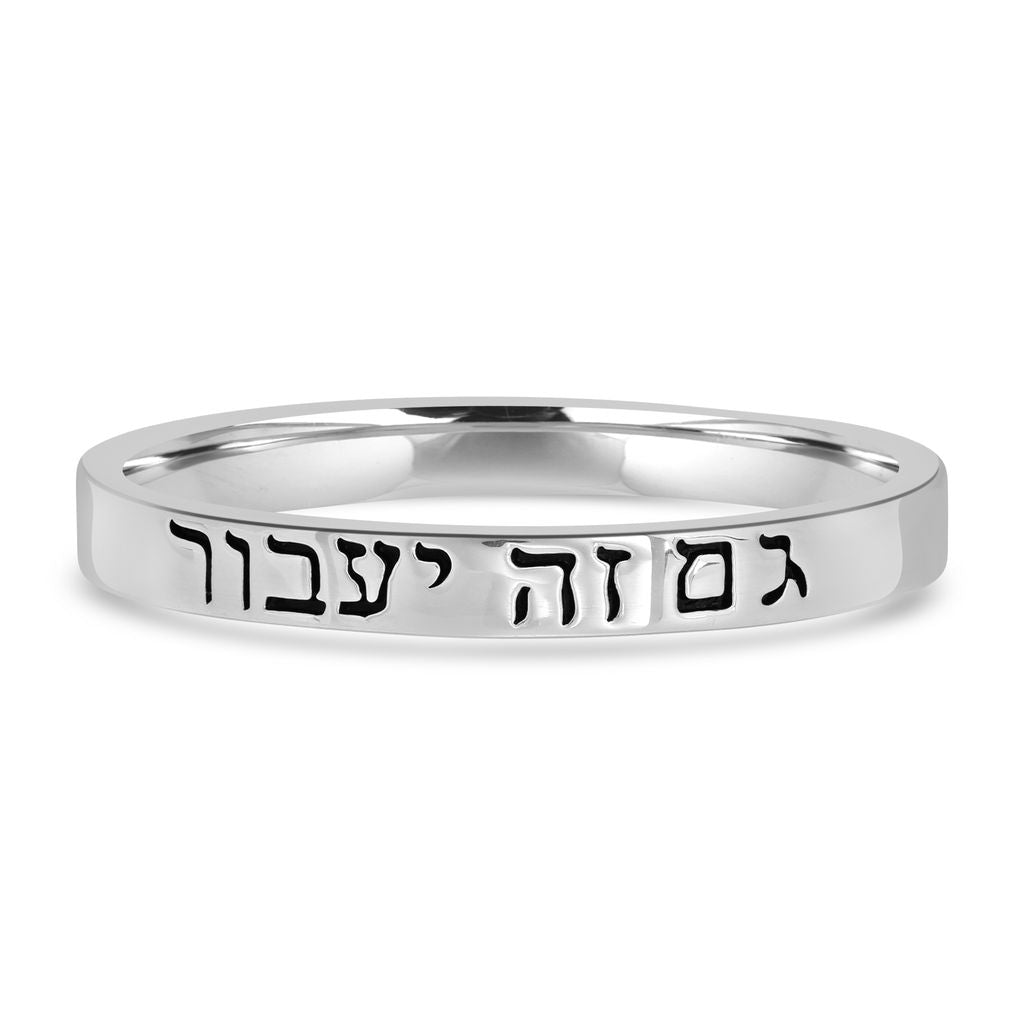
Star of David jewelry offers a wide variety of styles, including necklaces, rings, earrings, and bracelets. Designs range from simple, classic pendants to more elaborate pieces embellished with gemstones and intricate engravings. Men’s versions typically feature larger, bolder designs that convey strength and resilience, aligning with masculine symbolism. In contrast, women’s jewelry tends to be more delicate and ornate, reflecting elegance and tradition.
Materials commonly used in crafting Star of David jewelry include gold, silver, titanium, and gemstones. Gold—particularly 14K or 18K—is associated with eternal beauty, divine energy, and strength, making it a favored choice for significant and timeless pieces. Silver offers a practical, humble, and contemporary alternative suitable for everyday wear. Titanium is appreciated for its durability, lightweight feel, hypoallergenic properties, and modern aesthetic. Gemstones not only enhance visual appeal but also add layers of spiritual meaning, making the jewelry a vivid expression of faith, heritage, and protection.
Each material carries its own symbolism within Jewish tradition, enriching the cultural and spiritual significance of the Star of David. Whether chosen for style or sentiment, Star of David jewelry serves as a powerful emblem of identity, unity, and pride for wearers worldwide.
The Star of David Beyond Judaism: Universal Appeal and Respectful Use
Symbol’s appearance in other religions and cultures
The Star of David, while predominantly a symbol of Jewish identity and faith, transcends its religious origins. It appears in Star of David in Hinduism, Buddhism, Islam (known as the Seal of Solomon), and Star of David in Christian alchemy, each culture attributing unique meanings such as harmony, connection between opposites, and divine protection.
Respectful wearing by non-Jews
Non-Jews can wear Star of David jewelry respectfully. This often reflects honoring Jewish family heritage, showing solidarity with the Jewish people, or embracing universal themes of divine protection and unity. It is essential, however, to wear the symbol with an understanding of its deep spiritual significance and avoid claims of mystical or magical powers.
Role as a symbol of solidarity and cultural connection
In contemporary times, especially amid rising antisemitism, Star of David jewelry has become a powerful emblem of resilience, support, and cultural pride beyond Judaism itself. It fosters connection between communities through shared values of protection, faith, and hope.
Avoidance of mystical or magical misuse in jewelry
Jewelry bearing the Star of David symbol should be appreciated as a cultural and spiritual emblem rather than a talisman or magical object. Jewish religious law cautions against attributing mystical powers to such symbols, emphasizing a respectful, meaningful expression of identity and heritage over superstition.
Wearing the Star of David with respect allows people of different backgrounds to acknowledge a rich cultural symbol that champions protection, unity, and divine connection across traditions.
Craftsmanship and Quality Considerations When Choosing Star of David Jewelry
What should consumers consider regarding quality when purchasing Star of David jewelry?
When selecting Star of David jewelry, attention to material quality and craftsmanship is essential. Opting for durable materials like solid gold—either 14K or 18K—or sterling silver ensures longevity and hypoallergenic qualities, combining beauty with everyday wearability. The precision of craftsmanship matters greatly: look for sharply defined edges on the Star of David, secure gemstone settings if present, and a sturdy clasp, all of which contribute to the piece’s durability and safety.
Chain type and thickness also play a significant role. A strong chain complements the pendant’s design and supports the necklace securely, while influencing the overall style—whether sleek and delicate or bold and robust.
Purchasing from a reputable jeweler is a wise choice. Trustworthy jewelers provide guarantees or warranties, assuring the buyer of quality and longevity. This not only protects the investment but also transforms the jewelry into a meaningful heirloom or a cherished gift embodying Jewish pride, faith, and cultural heritage.
Contemporary Cultural Significance and Resurgence of the Star of David

Why has interest in Star of David jewelry surged in recent times?
Interest in Star of David jewelry has surged recently due to growing global antisemitism and a strong desire within the Jewish community, especially among younger generations, to proudly express their heritage. This resurgence reflects a broader reaffirmation of Jewish identity symbol resilience, and solidarity amid challenging times.
Increased prominence due to recent global events
Following recent attacks on Israel and rising antisemitic incidents worldwide, the Star of David has become an even more powerful emblem. Searches for Star of David jewelry increased by over 300%, as wearers see it as a symbol of unity, defiance against hatred, and a visible declaration of Jewish pride.
Role in expressing solidarity and cultural pride
Jewelry bearing the Star of David allows individuals — both Jewish and supporters — to communicate their connection to Jewish history, faith, and peoplehood. Wearing the symbol publicly is a statement of standing with the Jewish community globally and honoring centuries of cultural and spiritual heritage.
Jewelry as a symbol of resilience amid challenges
Beyond decoration, Star of David jewelry acts as a talisman of strength and perseverance. Inspired by its history — including survival through persecution and the Holocaust — such pieces embody hope and ongoing courage in the face of adversity.
Connection to Israeli craftsmanship and modern designs
Israeli artisans craft Star of David jewelry that unites tradition with contemporary aesthetics, using materials like gold and silver and often featuring intricate, meaningful designs. This craftsmanship not only supports Israel’s thriving jewelry industry but also produces pieces that serve as heirlooms and expressions of modern Jewish identity symbol.
The renewed popularity of the Star of David in jewelry reflects a meaningful revival of cultural pride, spiritual connection, and communal resilience, making it a timeless emblem for wearers worldwide.
Conclusion: The Star of David Jewelry as a Lasting Emblem of Faith and Identity
The Star of David is a profound symbol embodying divine protection, unity, and the spiritual connection between God and the Jewish people. Its six points represent all directions of the universe, symbolizing God's reach and the harmony between the spiritual and physical worlds.
Jewelry featuring the Star of David plays a vital role in cultural and spiritual expression. Worn as necklaces, rings, or bracelets, it is a personal statement of faith, heritage, and resilience. These pieces serve as heirlooms, gifts, and symbols of solidarity, allowing wearers worldwide to proudly display their connection to Judaism.
Today, the Star of David remains an enduring emblem of Jewish identity and pride. Beyond its historical roots and sacred meanings, it resonates deeply in times of challenge and celebration alike. Star of David jewelry continues to inspire and unite, symbolizing hope, protection, and the enduring spirit of the Jewish people.