

Short answer: Israeli jewelry has a real, documented lineage behind it. The Bezalel Academy of Arts and Design, founded in Jerusalem in 1906, formally paired Jewish symbolism with fine craftsmanship, including Yemenite Jewish silversmithing traditions. Ancient and medieval motifs like the hamsa, the Star of David, and chai carry genuine historical and religious meaning. And Israel is one of the world's three major diamond cutting and polishing centers, alongside Belgium and India. Together these three threads, symbolism, artisan training, and industrial craft, give Israeli-made jewelry a credible claim to being both culturally rooted and technically accomplished.
Symbols with real history behind them
The hamsa, the open-hand motif seen on so many Israeli pieces, is not a modern invention. Hand-shaped amulets that prefigure it turn up in Israelite tomb contexts at Khirbet el-Qom in Judah dating back to roughly 800 BCE, and the symbol spread widely across the medieval Islamic Mediterranean before becoming a staple of Sephardic and Middle Eastern Jewish jewelry (Wikipedia, sourced overview).
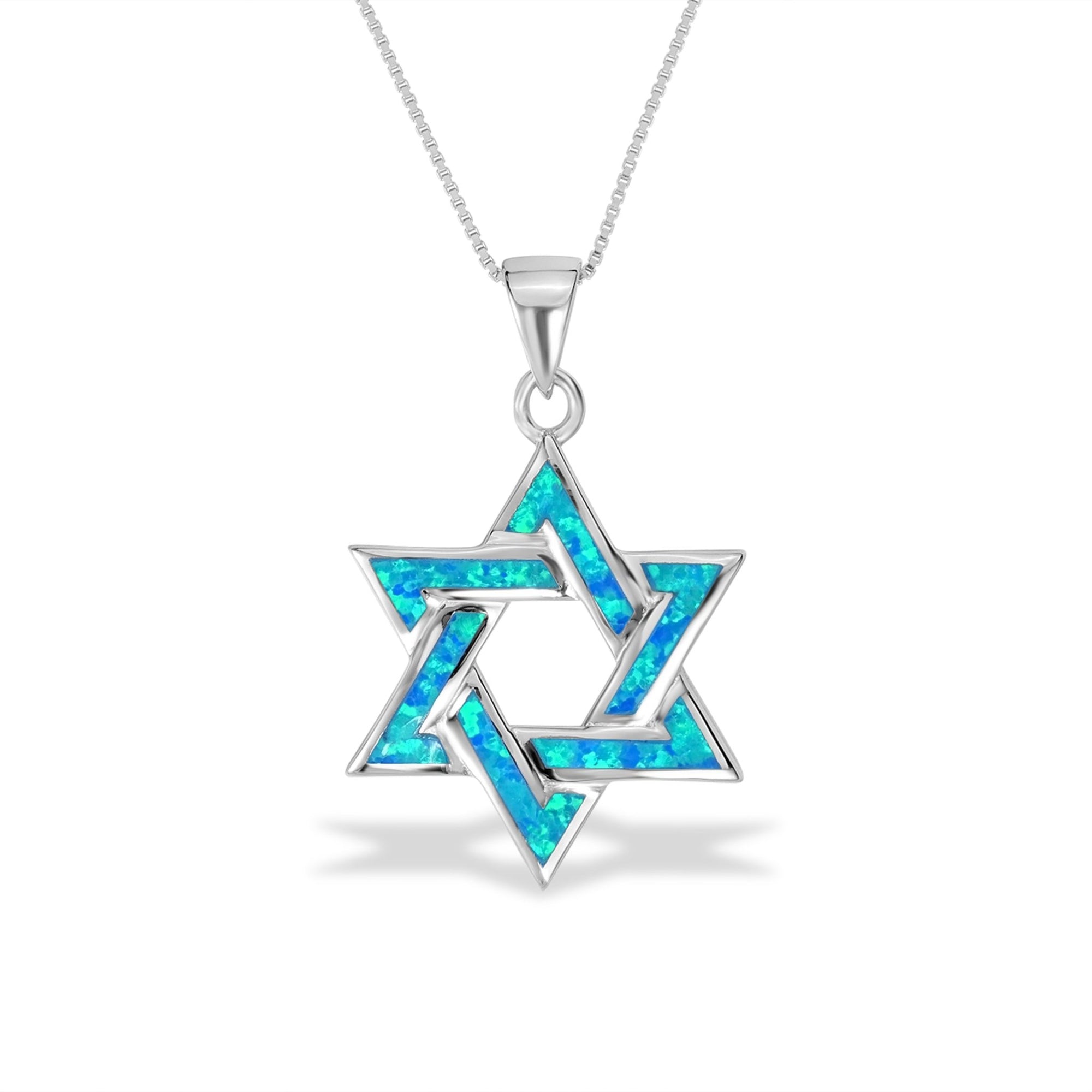
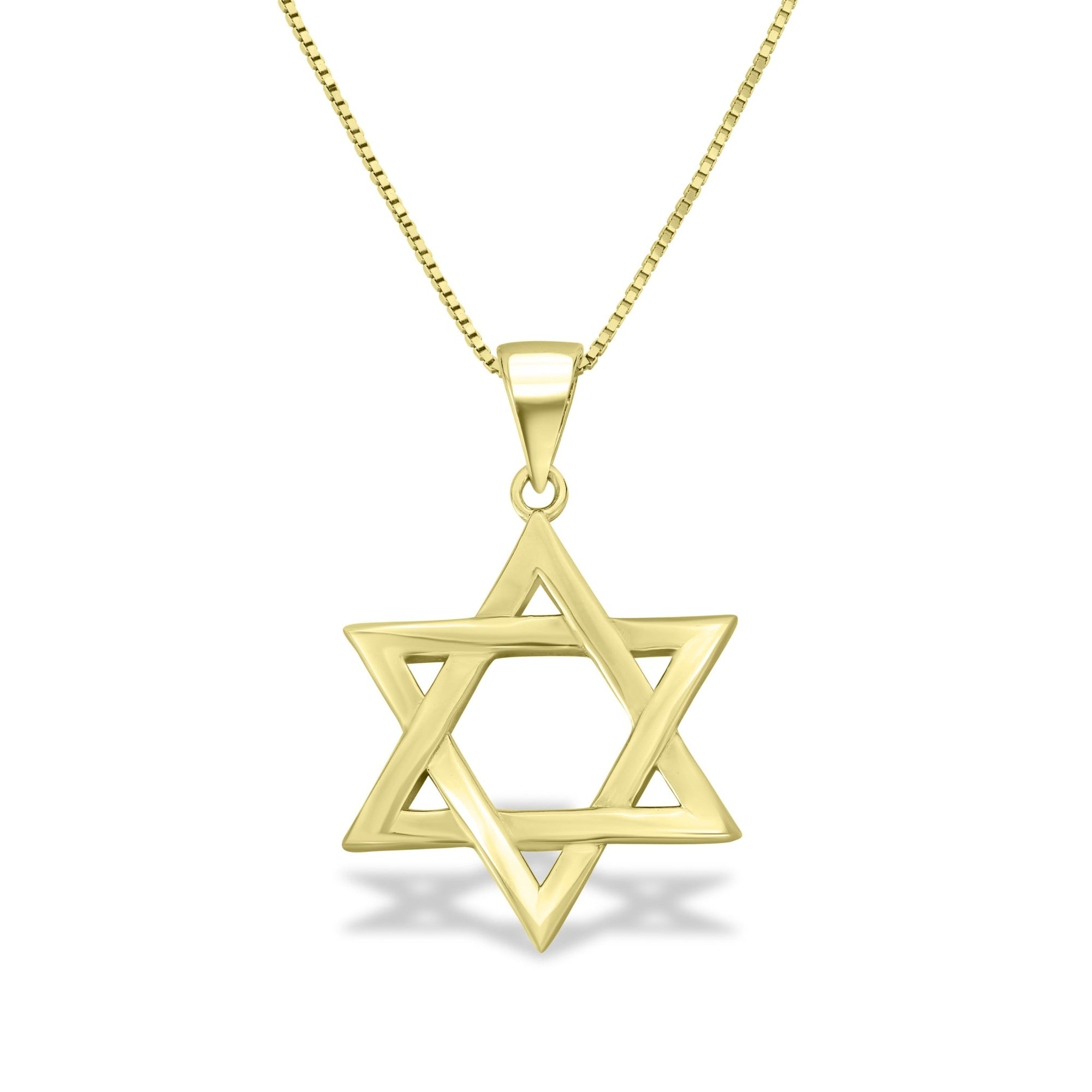
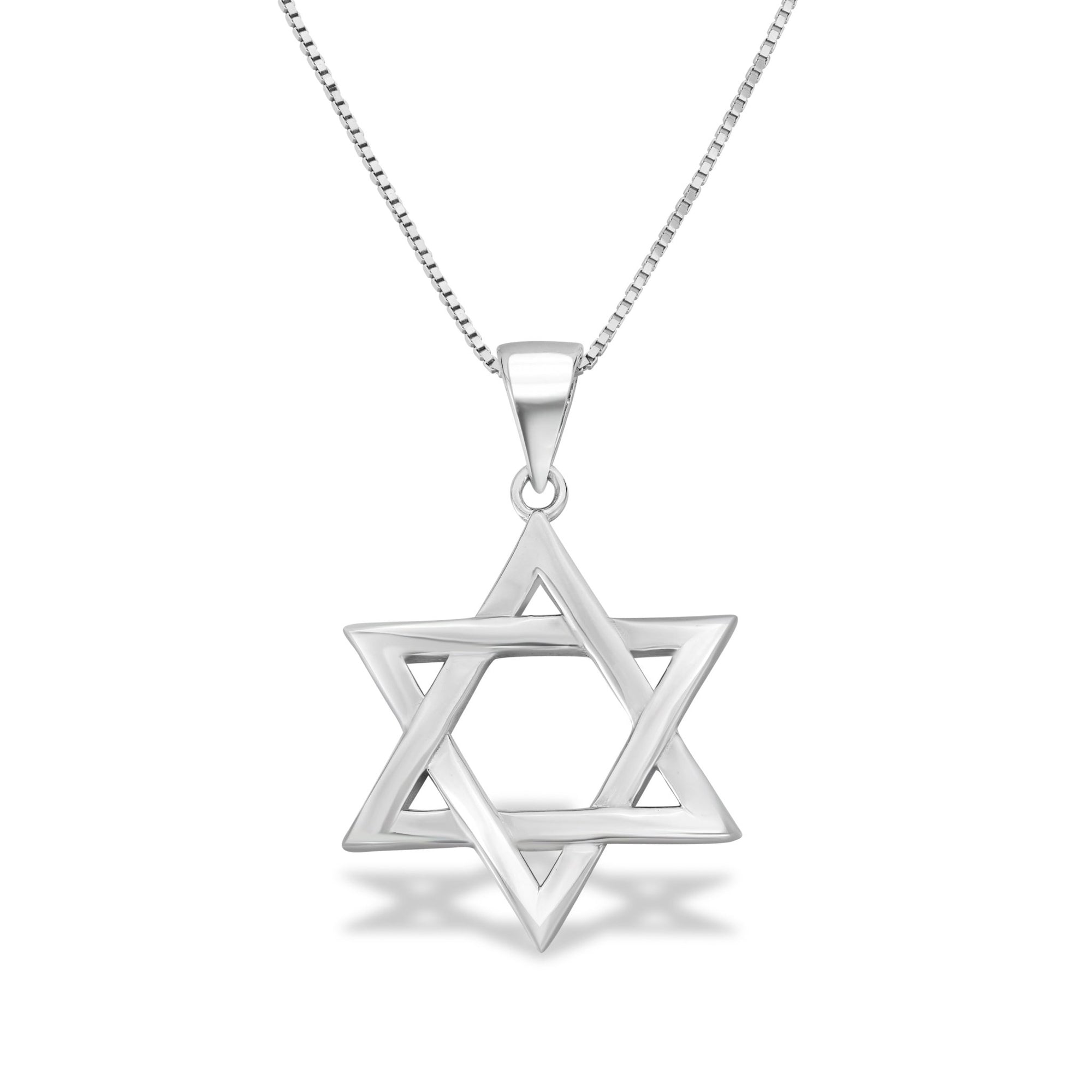
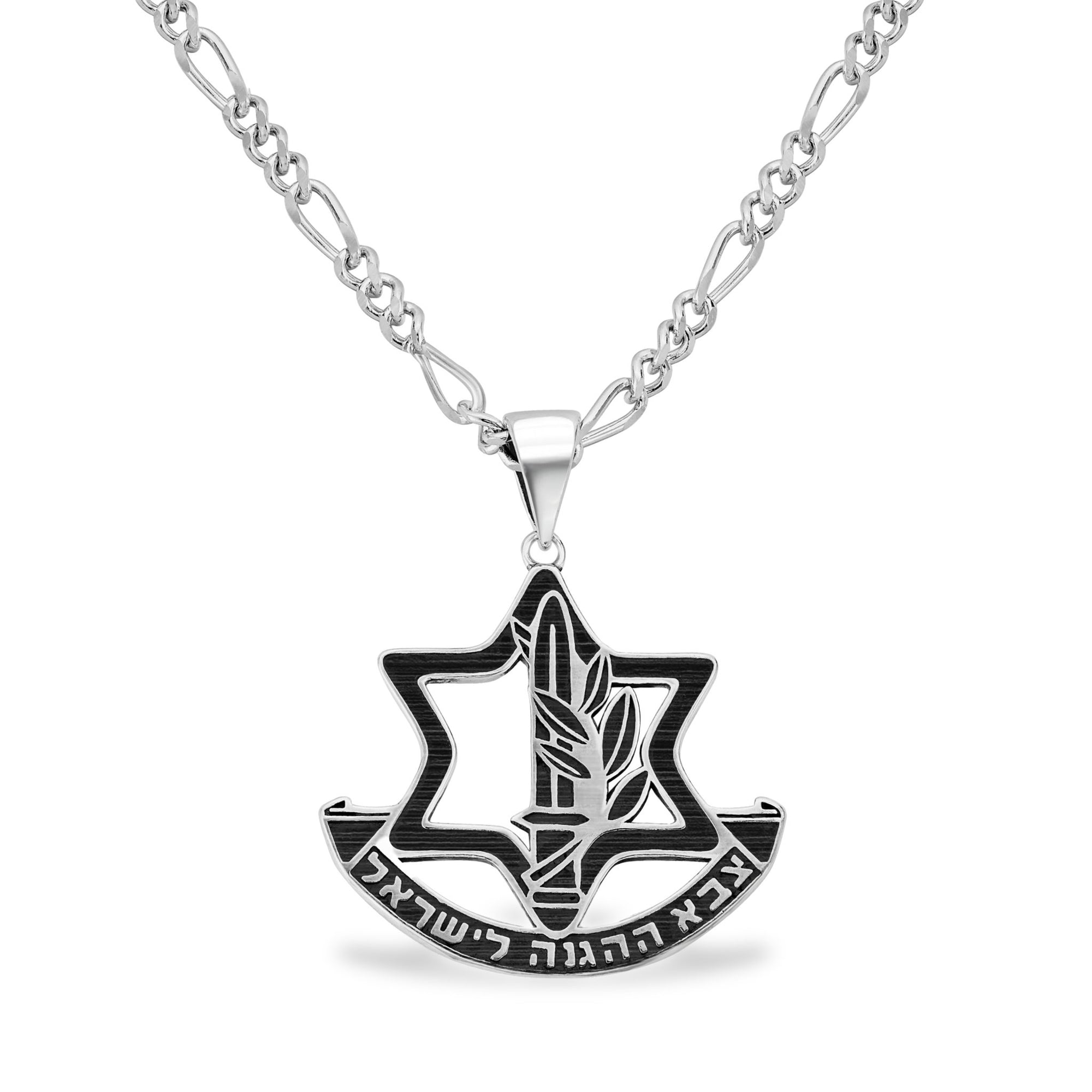
The Star of David has a more winding path than most people assume. The hexagram shape actually appears earlier as a general decorative motif, including on Bar Kokhba Revolt coinage around 135 CE and on synagogues from the 3rd and 4th centuries, without any specifically Jewish meaning attached yet. It only became a distinctly Jewish emblem gradually, from 14th-century Prague onward, and was cemented in that role in 1897 when it was chosen as the central symbol of the flag at the First Zionist Congress (Wikipedia, sourced overview).
Chai, the Hebrew word for "living" formed from the letters chet and yod (which sum to 18 in gematria), traces to medieval Spain and became a popular Jewish jewelry motif by the 18th century in Eastern Europe. Its later adoption by figures like Elvis Presley and Drake helped carry it beyond strictly religious contexts (Wikipedia, sourced overview).
An institutional craft lineage, not just marketing language
"Israeli craftsmanship" is often used loosely, but in jewelry it points to something specific: the Bezalel Academy of Arts and Design, founded in Jerusalem in 1906 by Boris Schatz with backing tied to the Zionist Congress. Bezalel ran workshops in silver, leather, wood, brass, and fabric aimed explicitly at fusing Jewish and Middle Eastern traditions with European fine-arts training, and Yemenite Jewish silversmiths played a documented role in its jewelry and metalwork programs (Wikipedia, sourced overview). The school closed in 1929, reopened as the New Bezalel School in 1935, and became a state-recognized institute of higher education in 1975. It remains Israel's leading art and design school today, and that century-long thread is the real root of "Israeli jewelry craftsmanship" as a claim, rather than a generic marketing phrase.
Separately, Israel is also a genuine industrial force in diamonds. The country's diamond industry dates to 1937, when the first polishing plant opened in Petah Tikva under Romanian experts trained in Belgium. As of 2021, Israel exported roughly $5.5 billion in rough and polished diamonds and remains one of the world's three major diamond polishing centers, centered on the Ramat Gan Diamond Exchange, one of the largest diamond trading floors anywhere (Wikipedia, sourced overview). It is worth noting plainly: not every piece sold as "Israeli jewelry" comes out of Ramat Gan or Bezalel-trained hands, and broad claims about "Jerusalem's jewelers" as a singular legacy or specific named product lines should be treated as seller marketing unless a brand backs them up with its own checkable sourcing.
What this means for gift-giving
For anyone shopping with Jewish identity or Israeli heritage in mind, this history gives real substance to reach for instead of vague sentiment. A hamsa pendant carries centuries of protective symbolism across Jewish and Middle Eastern culture. A Star of David piece carries both ancient decorative roots and a modern national story that runs through 1897. A chai necklace is a compact, wearable statement of "life" with its own documented path from medieval Spain to contemporary pop culture. Framed this way, a piece of jewelry becomes less of a generic accessory and more of a small, legible piece of a much longer story, which is exactly what makes it work as a gift for a bar or bat mitzvah, a wedding, a birthday, or simply as a personal reminder of connection to Israel.
Bringing that heritage home
If you want to wear that history rather than just read about it, Shop Israel's Star of David jewelry collection gathers pendants, rings, and stud earrings built around the same symbol that moved from ancient decorative motif to national emblem in 1897, so the piece you choose is grounded in something real rather than trend alone.
Related
Symbolism behind Israeli jewelry designs you should know
6 unique jewelry designs inspired by Israeli culture and symbols
Jewelry designs celebrating Israeli culture and heritage
Last updated July 2026.