

Short answer: Jewelry inspired by Israel's culture draws on genuinely old symbols and a real domestic craft industry, not marketing invention. The Star of David, the Hamsa, and the word "Chai" each carry documented history, and Israel has actual institutional infrastructure behind its jewelry and diamond trade. The one thing that has changed by 2026 is context: with the hostage crisis now resolved, ribbon and "Bring Them Home" pieces are worn as memorial jewelry, not as part of an active campaign.
The symbols and what they actually mean
The Hamsa, the open-palm symbol so common on Israeli-made jewelry, is far older than most buyers realize. Its roots trace back to ancient Mesopotamian and Carthaginian amulet traditions built around protection against the "evil eye," and hamsa-like imagery has been found on Israelite tombs dating to roughly the 8th century BCE. In Jewish tradition it is sometimes called the "Hand of Miriam," and it was especially embraced by Sephardic and Mizrahi Jewish communities across North Africa and the Middle East, historically worked in filigree metal, colored enamel, and semi-precious stones.
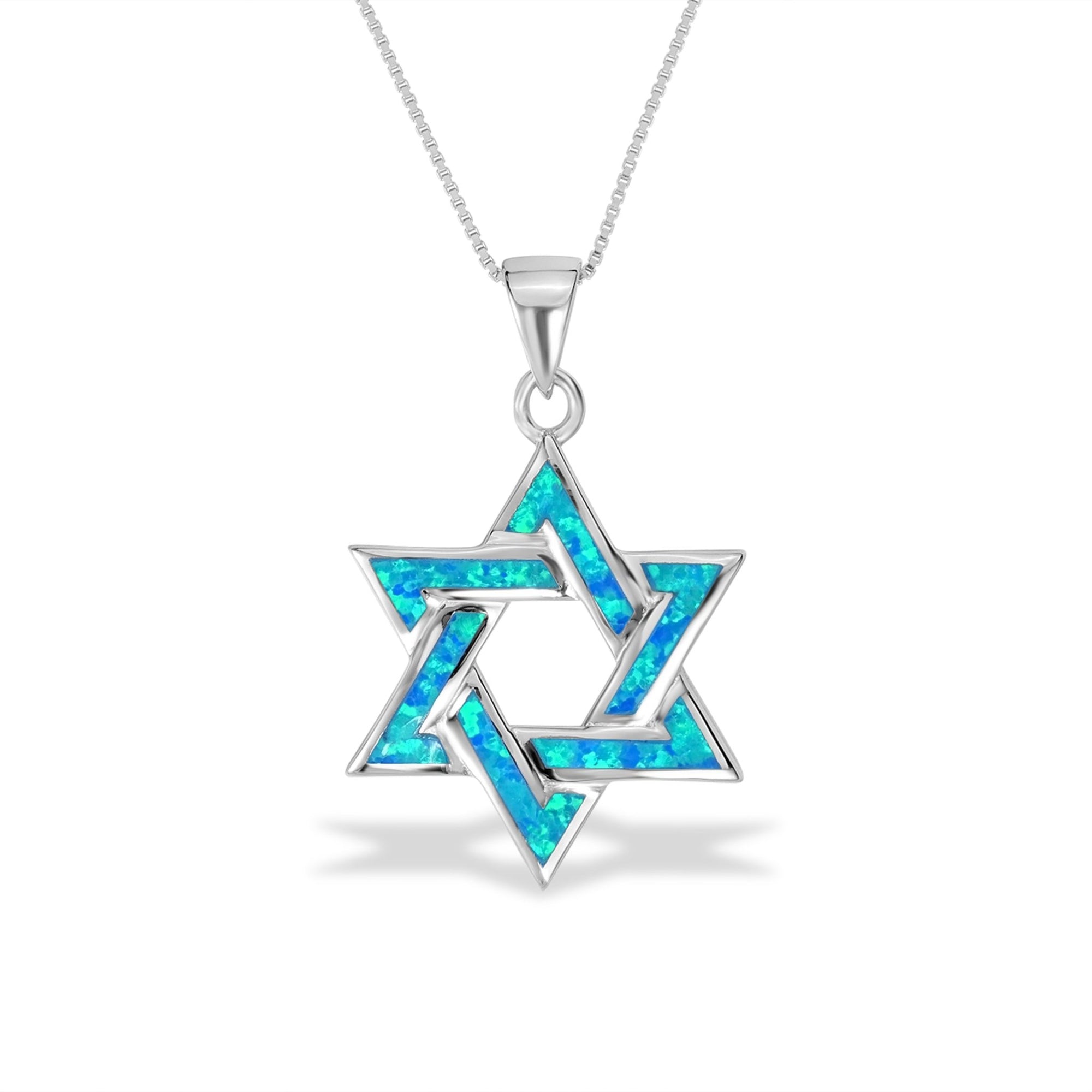
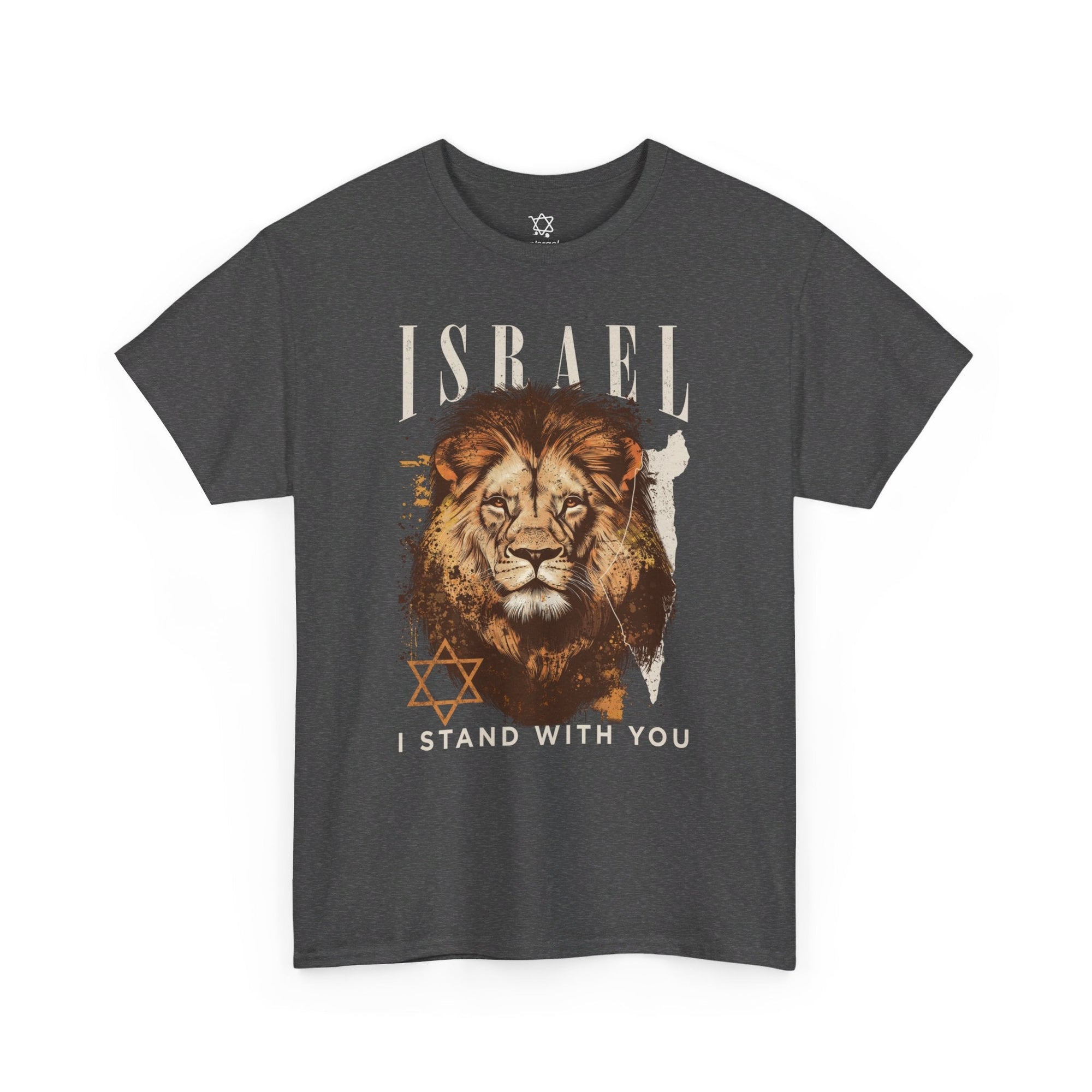
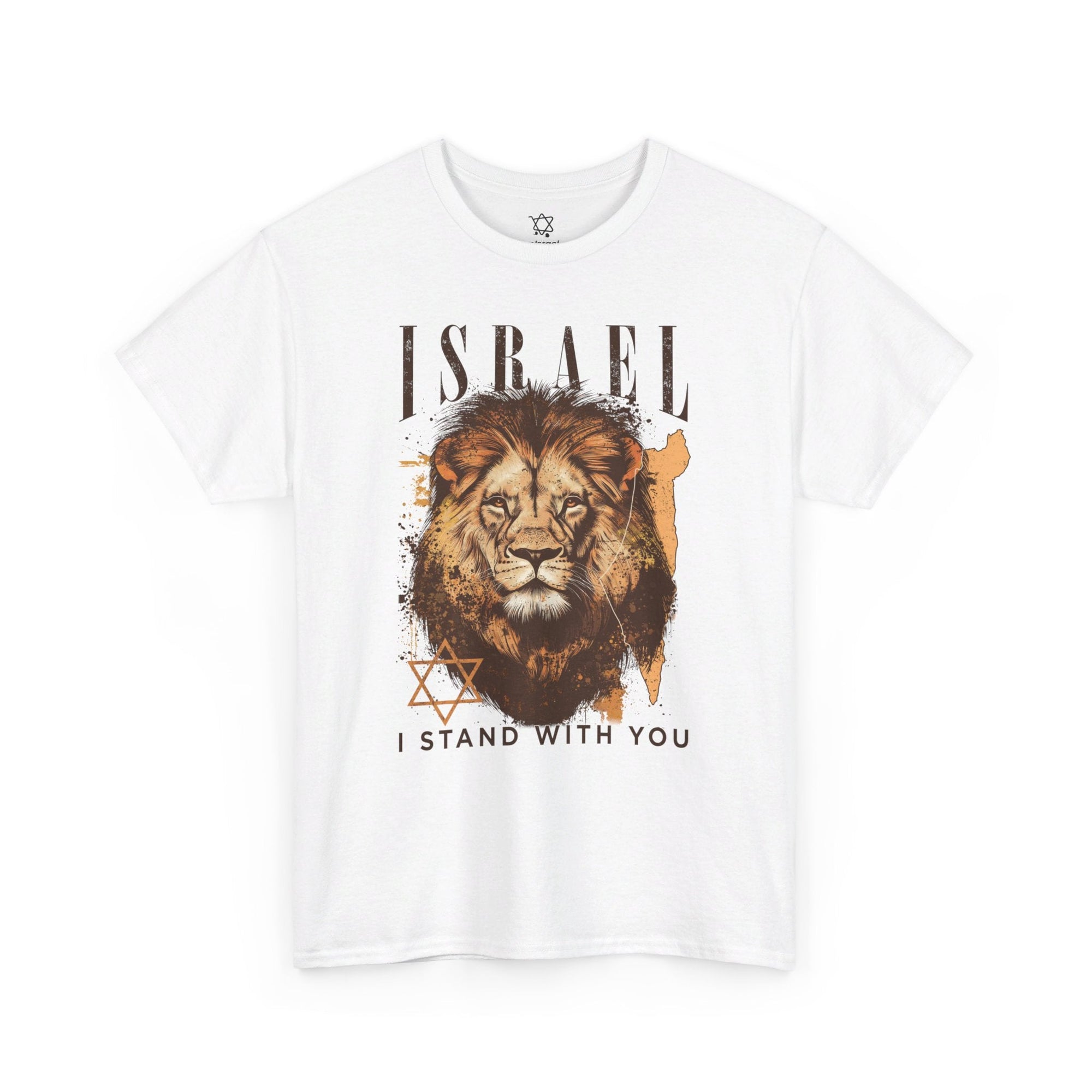
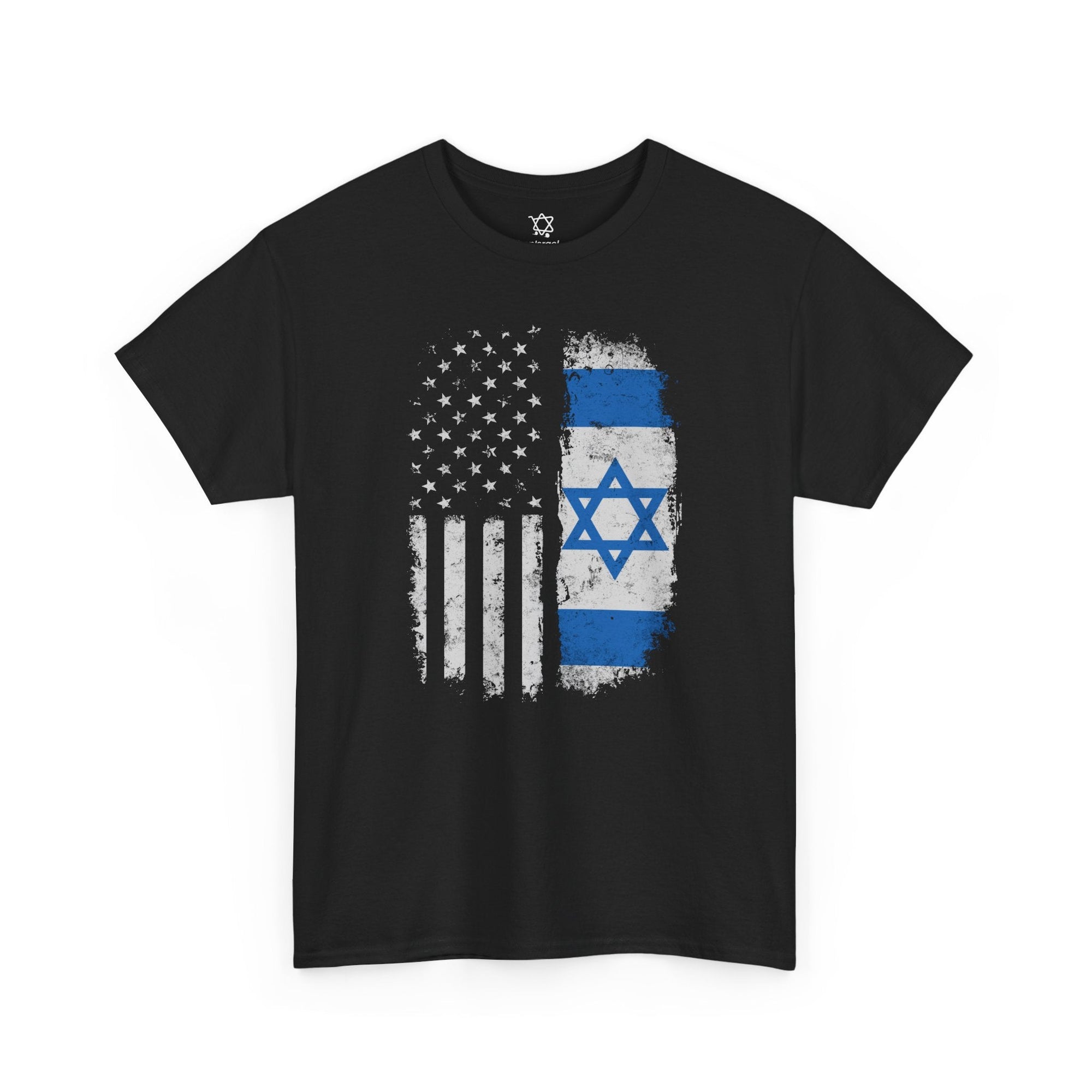
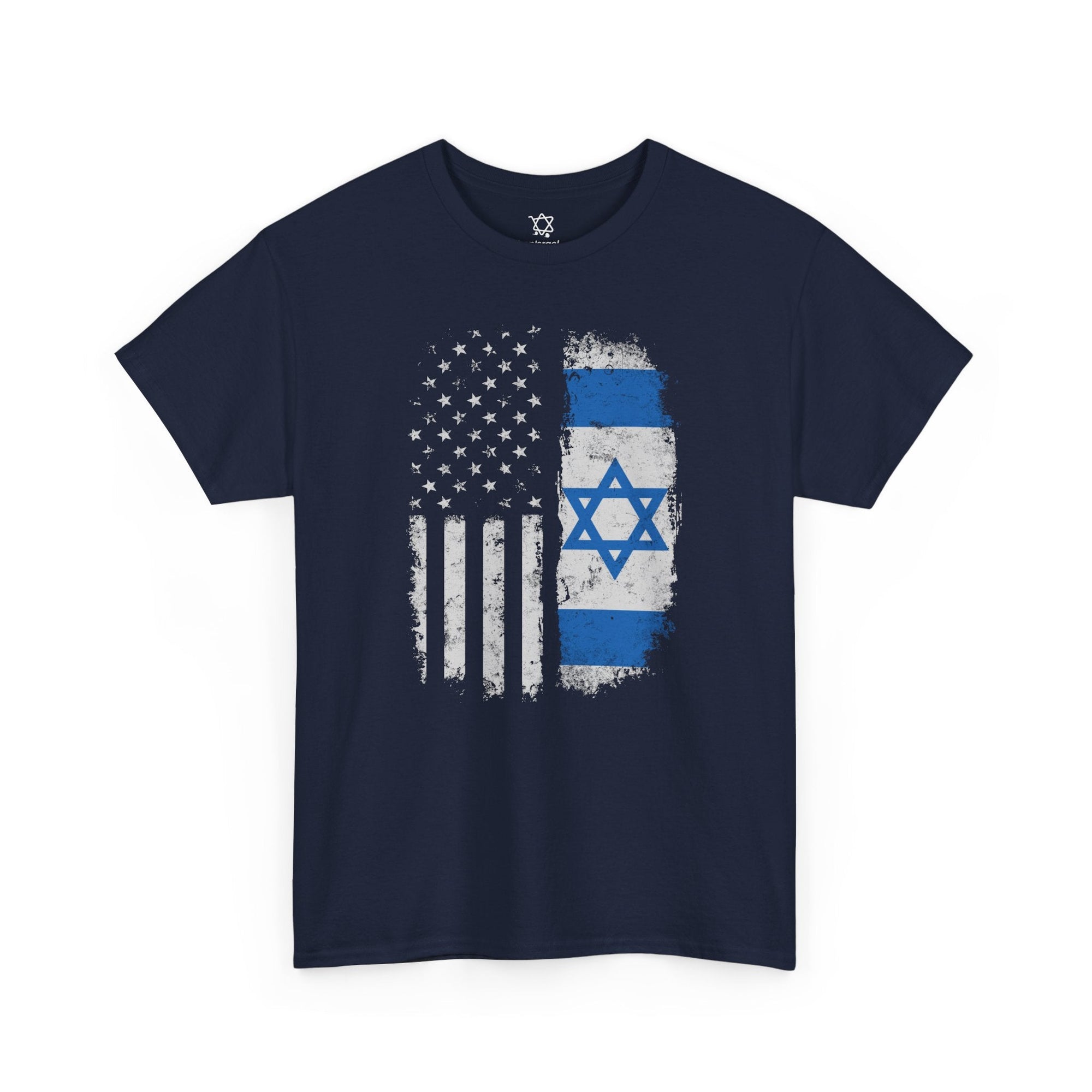
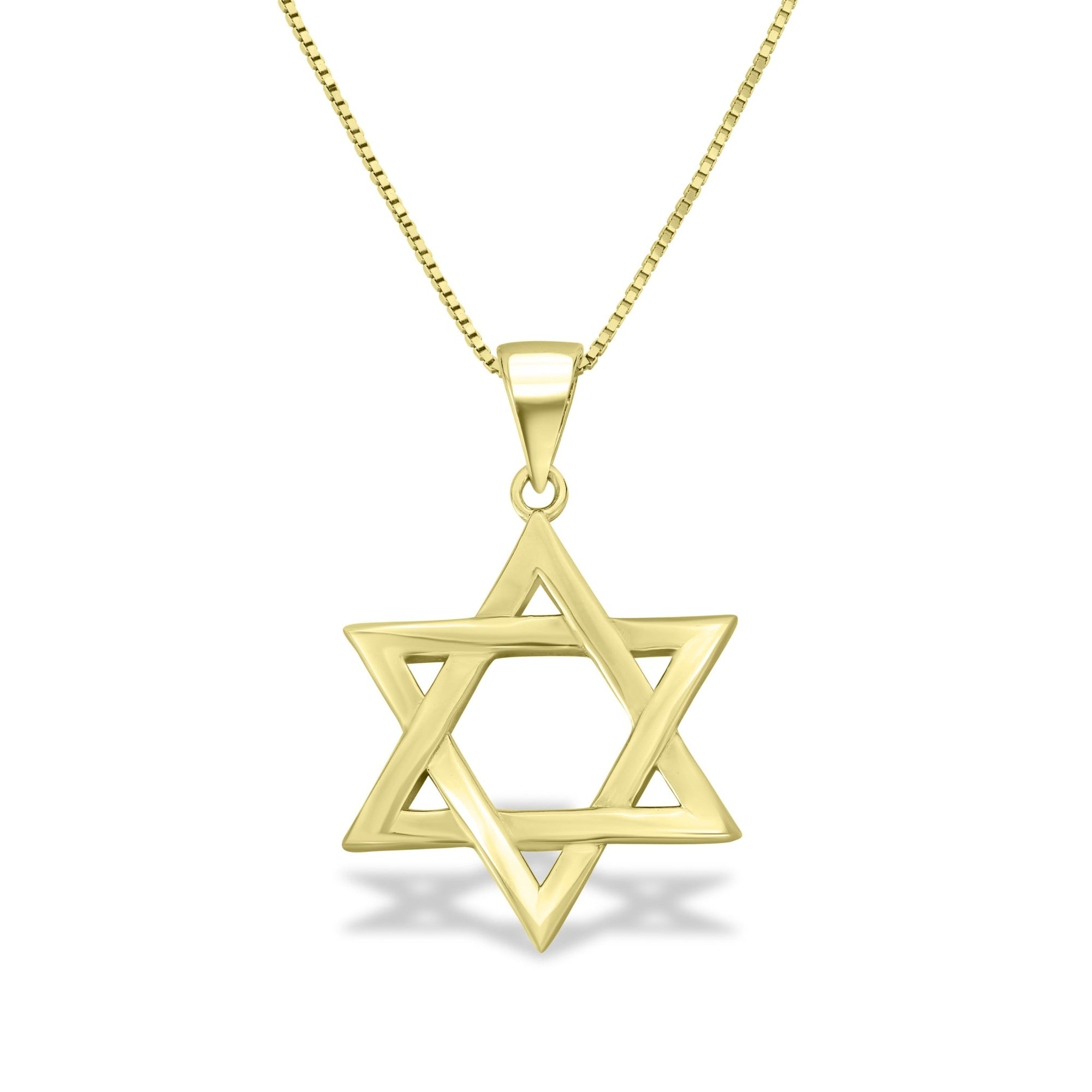
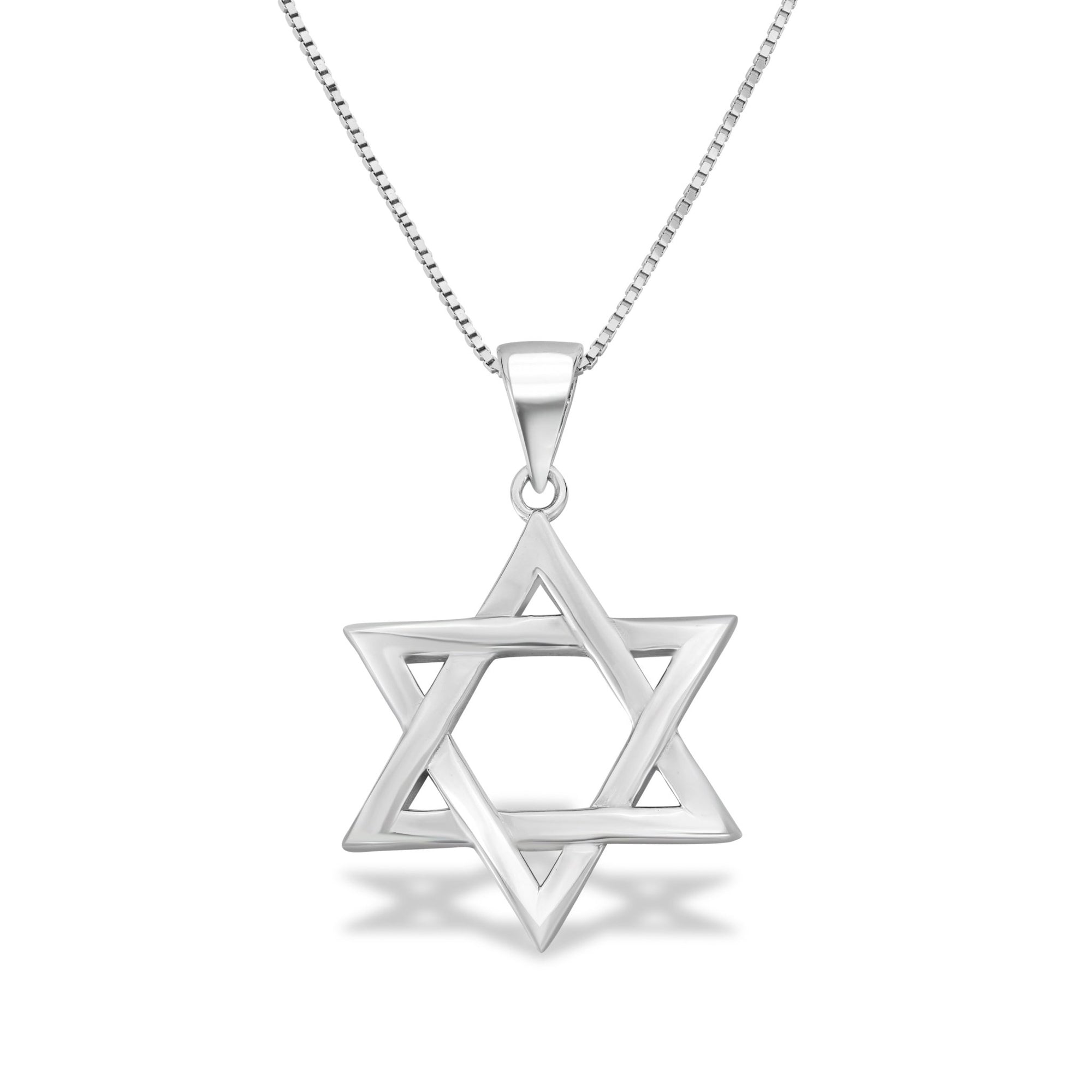
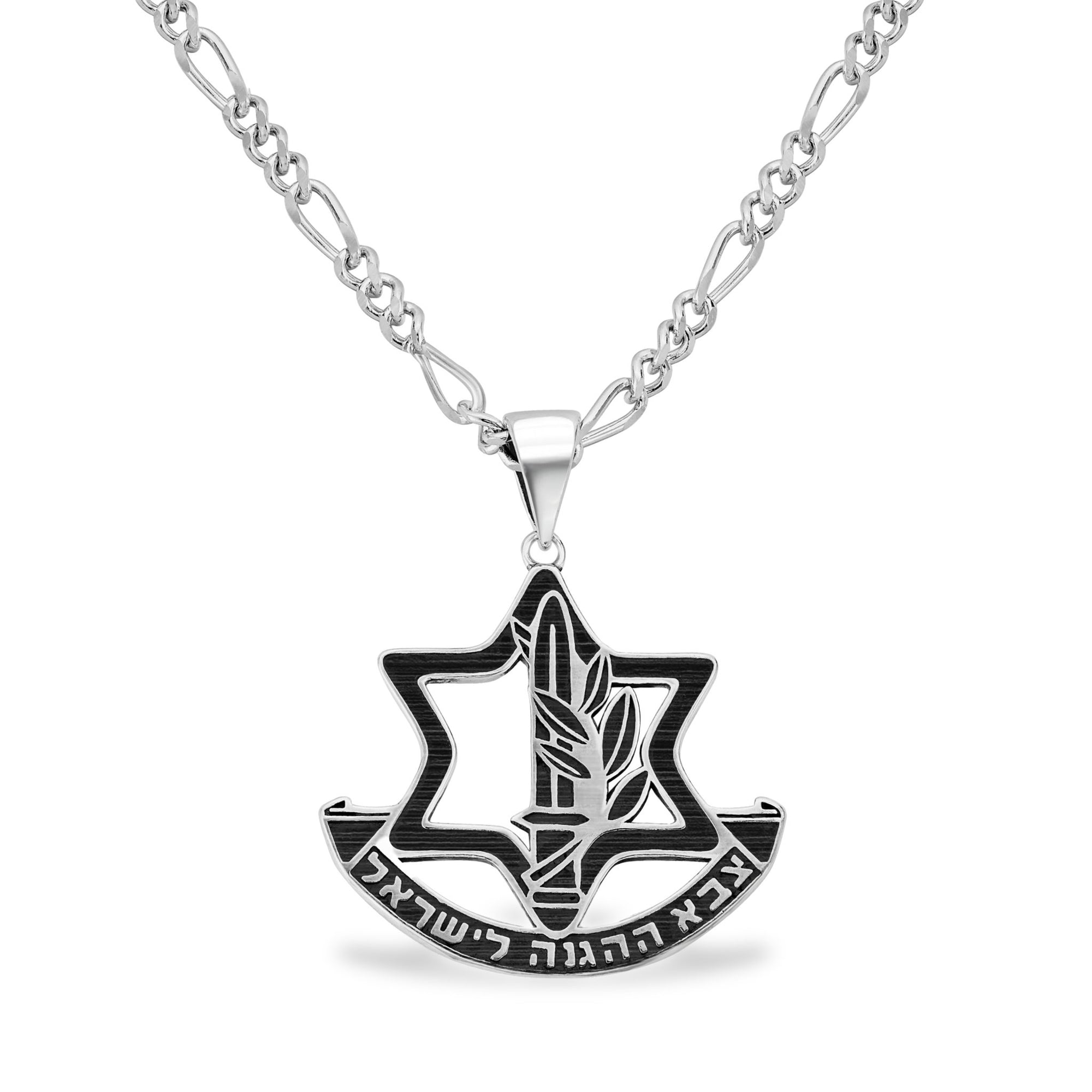
The Star of David (Magen David) and the word "Chai," Hebrew for "life" and numerically equal to 18, are separately rooted symbols that today are frequently combined with the Hamsa in a single design. Since the October 7, 2023 attack on Israel, retailers and designers described a marked rise in demand for Star of David pieces specifically, worn as a public expression of Jewish and Israeli solidarity, a trend that has continued into 2026 as steady, everyday wear rather than a fleeting reaction.
Materials and where the craft comes from
Sterling silver and gold remain the standard bases, but the material that ties a piece specifically to Israel is Eilat stone, sometimes called "King Solomon's stone." It's a real regional gem, a mottled blue-green blend of malachite, azurite, chrysocolla, and turquoise mined from ancient copper deposits in the Timna Valley near Eilat, deposits that date back roughly 6,000 years. It's popularly treated as Israel's national stone and shows up regularly in domestically made pieces.
Israel also has real institutions behind the craft. Bezalel Academy of Arts and Design in Jerusalem, founded in 1906 by sculptor Boris Schatz with backing from Theodor Herzl, was built explicitly to fuse European, Jewish, and local artistic traditions, and it still runs a dedicated Jewelry and Fashion B.F.A. program teaching both ancient and modern metalworking techniques. On the trading side, the Eretz Israel Diamond Exchange was founded in Tel Aviv in May 1947, and its permanent Ramat Gan complex opened in October 1968, anchoring what is now a genuine domestic diamond and jewelry trade. That said, not every piece sold under an "Israel-inspired" label is individually handcrafted there; a lot of the broader market, including from large retailers, is mass-produced, so heritage branding alone isn't proof of one-of-a-kind artisanal work.
Wearing the symbols today
One thing worth clearing up for 2026: yellow ribbon pins and "Bring Them Home" jewelry, widely worn since late 2023 to call for the hostages' return, now represent a closed chapter rather than an ongoing appeal. Under the ceasefire reached in October 2025, the remaining living hostages came home, and the remains of the last hostage, Master Sgt. Ran Gvili, were recovered from Gaza and returned to Israel on January 26, 2026. It marked the first time since 2014 that no hostages, living or deceased, remained in Hamas captivity. Ribbon jewelry today is best understood as commemorative of that period, a way to remember what the country went through, not a live campaign symbol.
For everyday wear that leans on the older, steadier symbols, our Hamsa jewelry collection covers that ground well, and the Shalom Star of David necklace is a simple, wearable way to carry the same tradition described above.
Related
Israeli Cultural Symbols in Jewelry: The Facts
The Influence of Israeli Culture on Today's Jewelry Trends
9 Jewelry Designs Inspired by Israeli Culture and Symbols
Last updated August 2026.