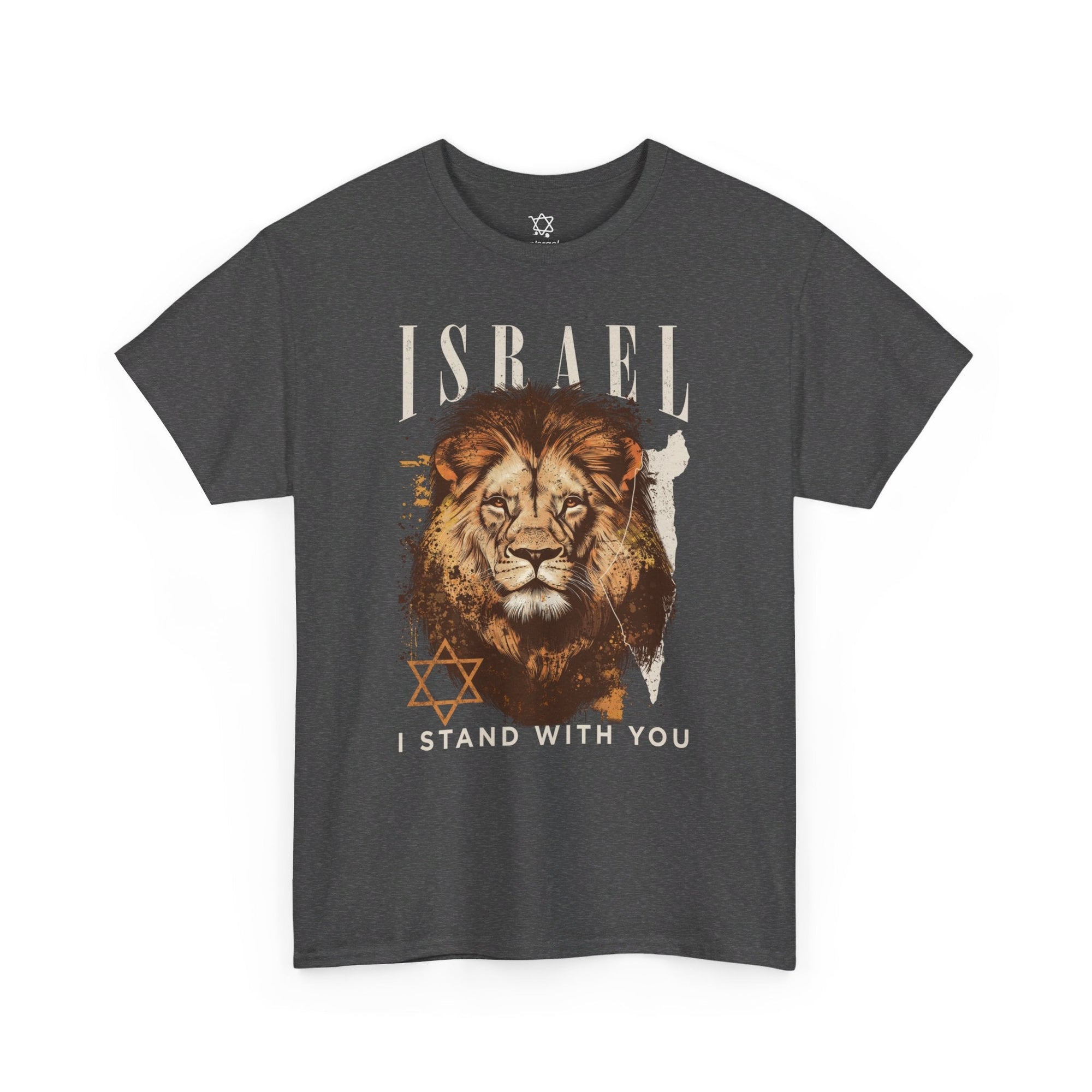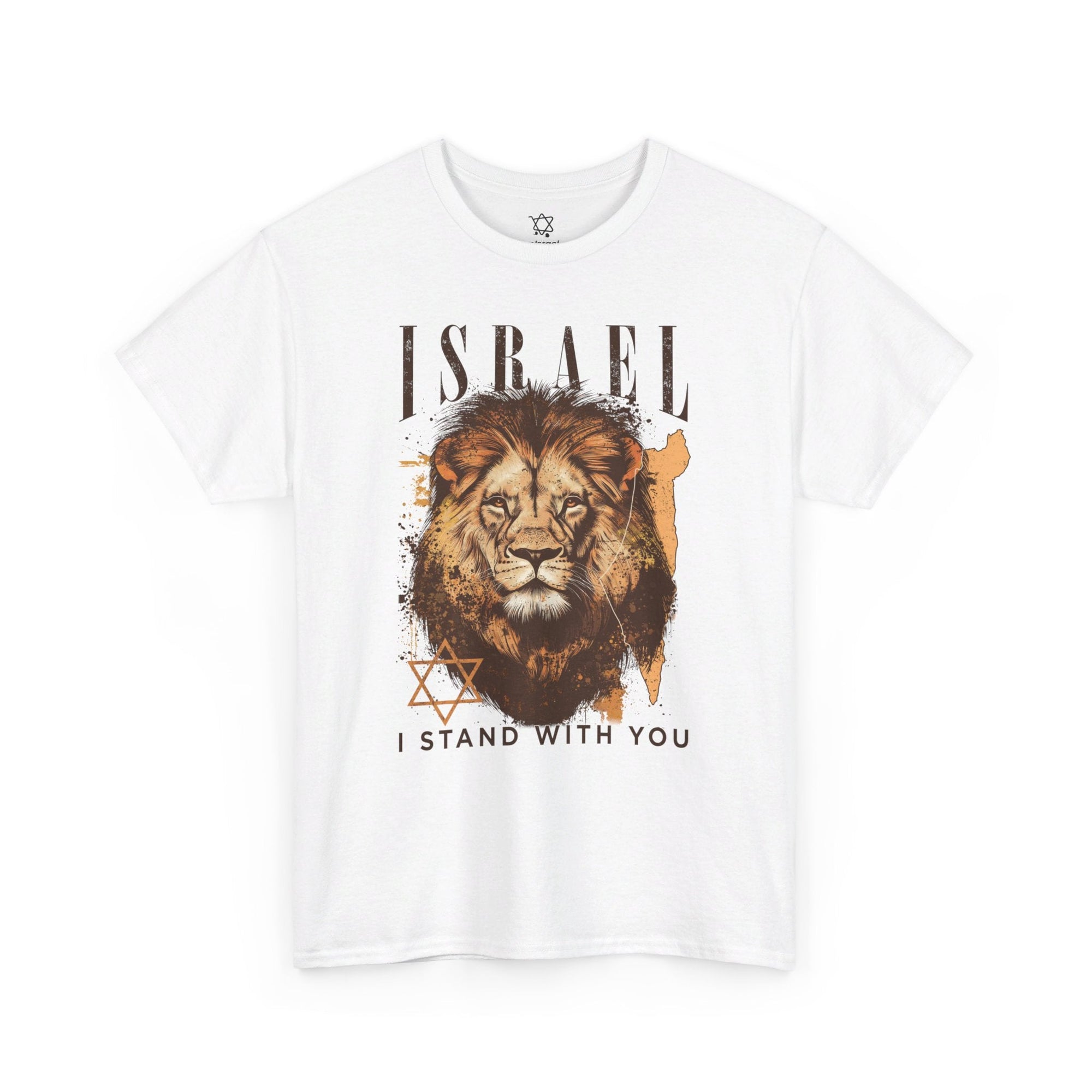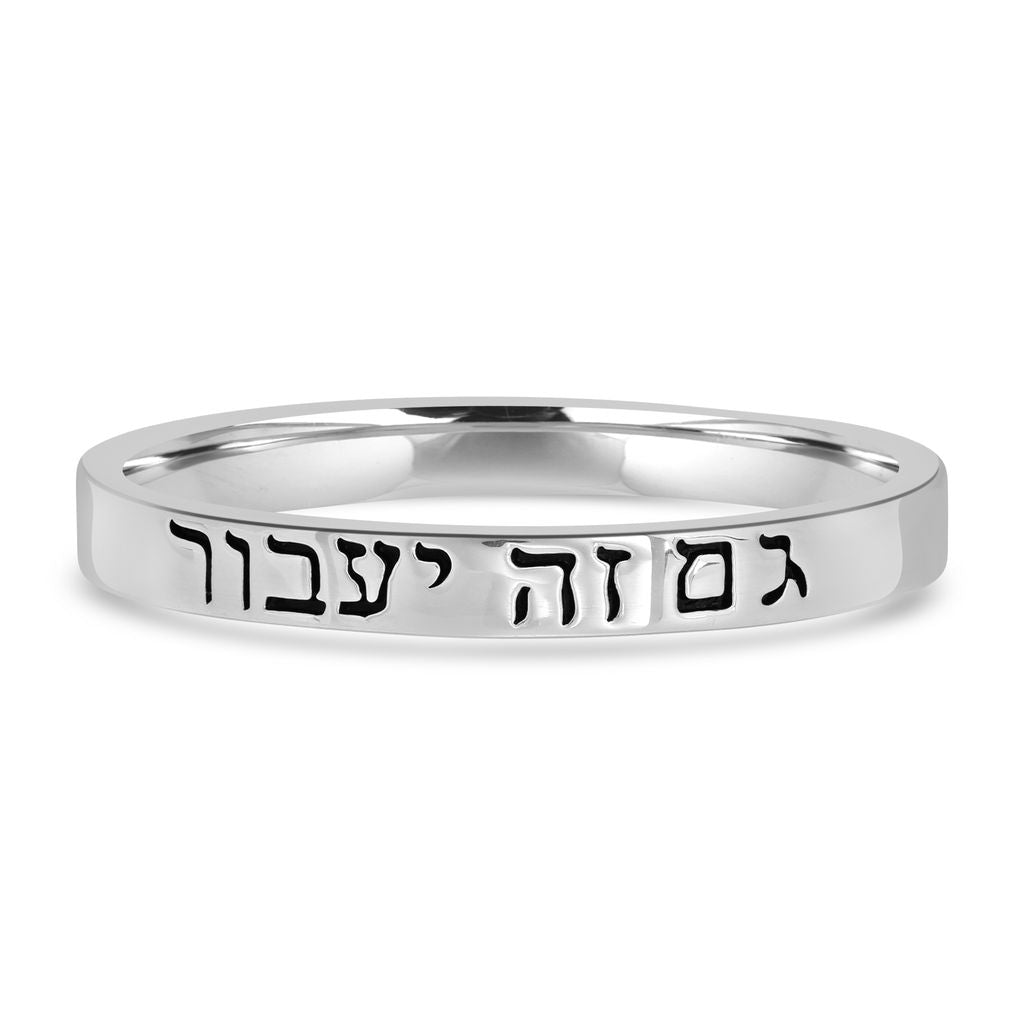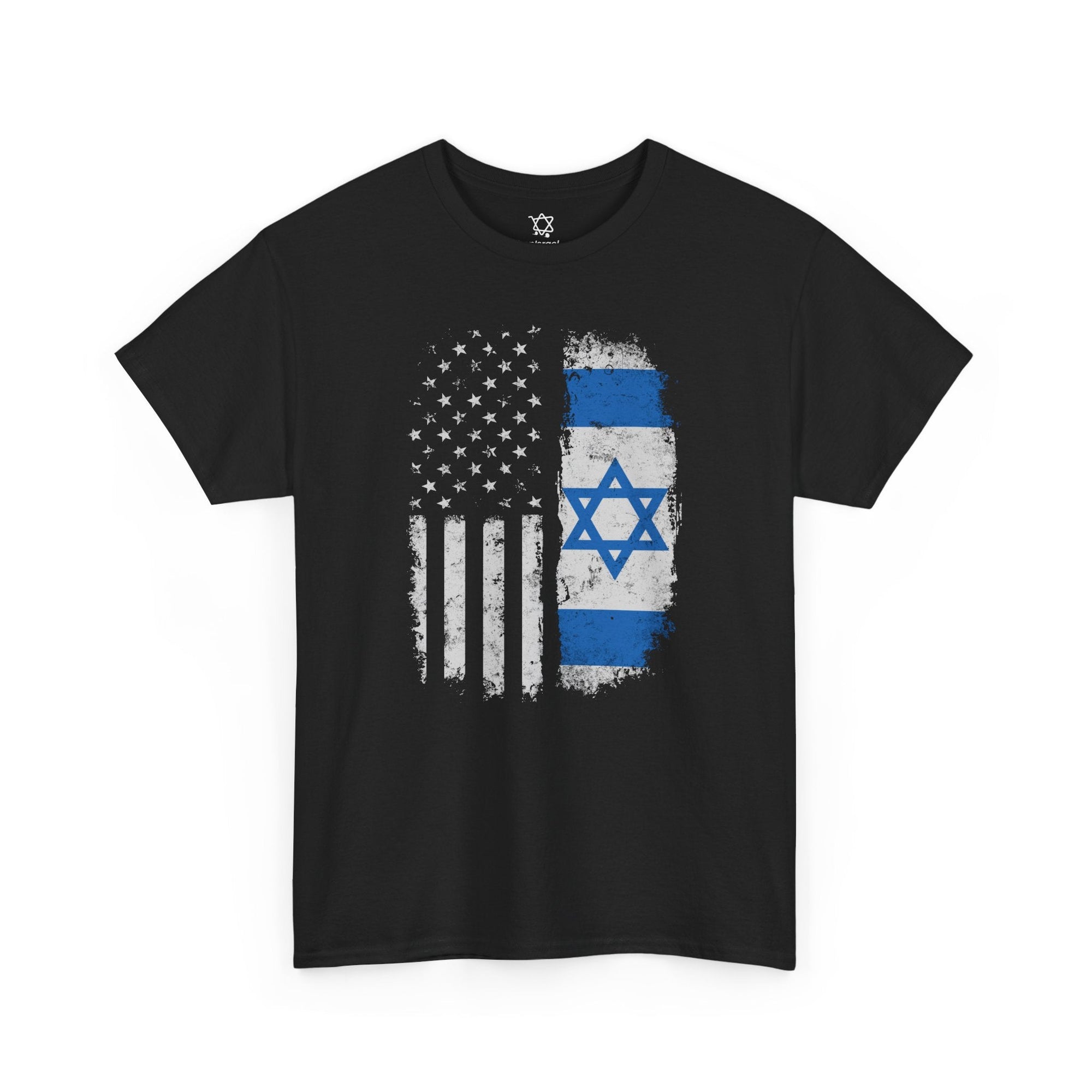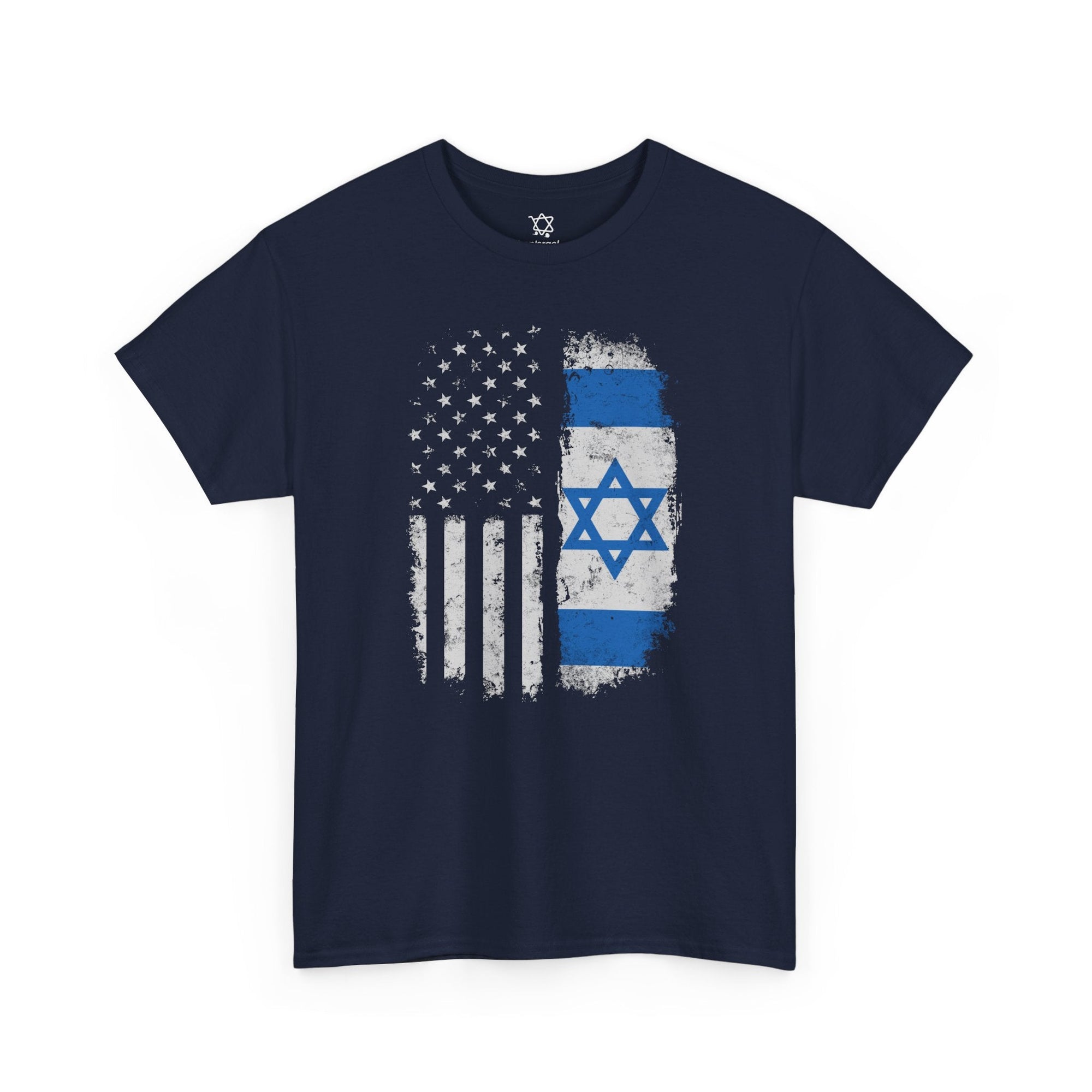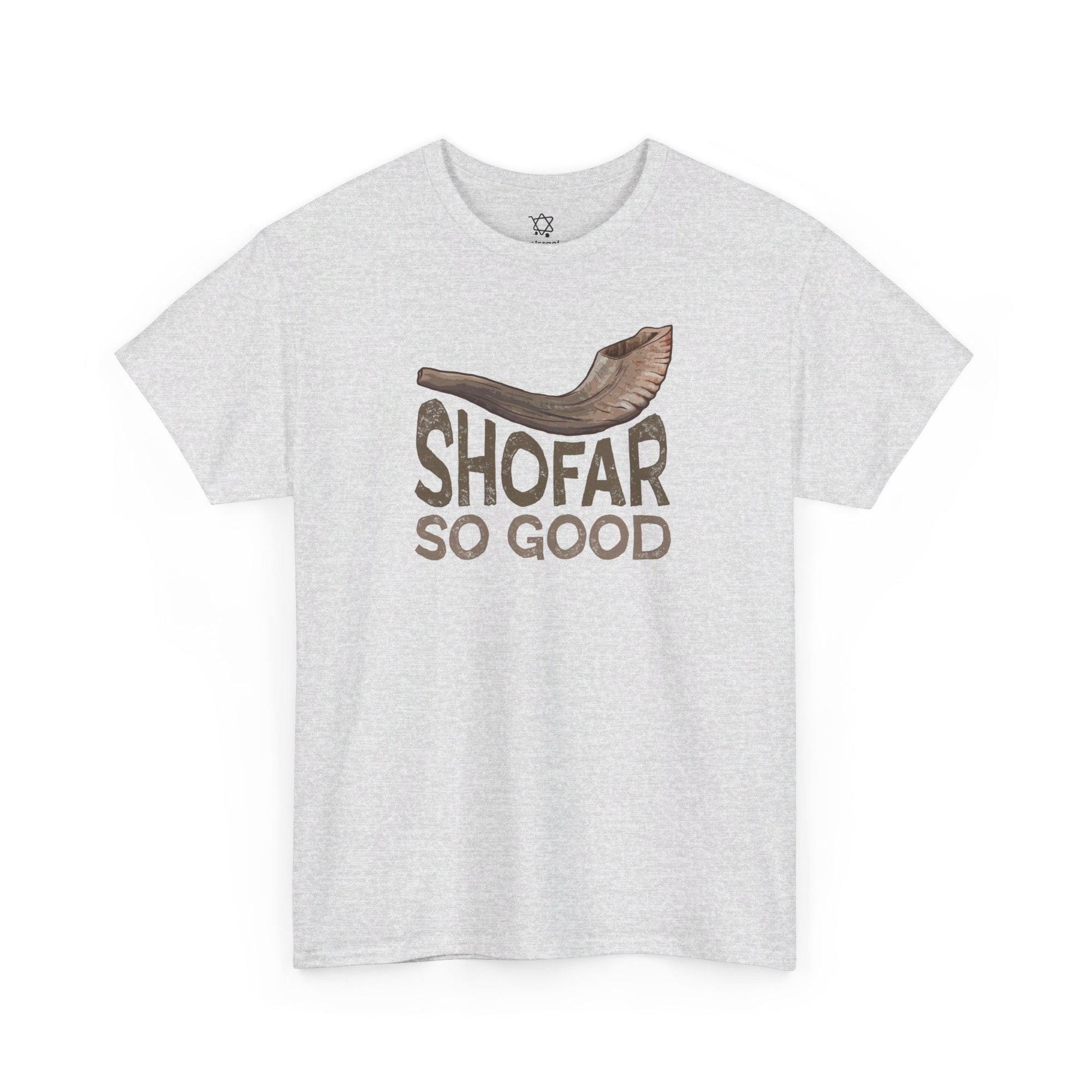


Short answer: "Jewish Holiday Israel Merchandise That Brings Tradition to Life" is not a person or a news event, it is a shopping and culture topic: Judaica and holiday goods, olive wood pieces, menorahs, Sukkot items, mezuzot, and more, made for Jewish households worldwide. The idea that these pieces connect buyers to Jewish ritual and to Israeli craftsmanship holds up well against reputable sourcing. The one place shoppers should slow down is origin: not everything marketed as "Holy Land" or "Bethlehem" olive wood is actually made in Israel, and a page or a shopper claiming Israeli-made status should be specific about that.
What the holidays behind the merchandise actually require
Most Jewish holiday merchandise exists to serve real ritual, not just decoration. Sukkot is the clearest example. Jewish law calls for treating the sukkah, a temporary outdoor booth, as a full-time home for the week, including eating meals there, and per stricter observance, sleeping there as well. In practice, most Jews in colder climates eat in the sukkah but do not sleep in it, and women and children are formally exempt from the obligation, according to Chabad.org and the Orthodox Union.
Sukkot also centers on the Four Species: the lulav (palm frond), etrog (citron), hadas (myrtle), and aravah (willow), bound together and used in daily blessings during the holiday. Jewish tradition reads the four species as a symbol of communal unity, with each one representing a different balance of Torah study and good deeds. This is the actual basis for Sukkot-season gift sets and Judaica, not marketing shorthand, and it is documented consistently by Chabad.org as a mainstream religious reference.
Not all "Holy Land" olive wood is Israeli-made
Olive wood carving is one of the oldest and most recognizable forms of Judaica, and it deserves a more precise history than most product pages give it. The craft traces back to the 4th century CE in Bethlehem, after the Church of the Nativity was built, and it was later industrialized in the 16th and 17th centuries when Franciscan and Italian pilgrims trained local artisans. That history matters today because most "Bethlehem olive wood" sold under Holy Land branding, including a large share of what reaches Jewish households worldwide, is carved in the West Bank, not inside Israel, and some of the raw wood itself is sourced from Jenin and Nablus rather than local Bethlehem groves, per reporting from Al Jazeera.
None of this makes olive wood Judaica less meaningful. It does mean "Holy Land" and "Israeli-made" are not interchangeable terms, and shoppers who specifically want to support Israeli producers should look for pieces that state their material sourcing and carving location plainly rather than relying on Holy Land branding alone.
A real shift toward supporting Israeli makers directly
The market for Israeli-made holiday goods has changed in a documented way since October 7, 2023. Tourism to Israel dropped sharply after the attack, and that cut off in-person sales for the Israeli artisans and small Judaica makers who had relied heavily on visiting shoppers browsing their stalls and studios, pushing many toward online, diaspora-facing sales, according to the Jewish Journal.
Several organized efforts have grown out of that shift. Makers of Israel, an online marketplace built by a group of Israel-based women, immigrants from North America and elsewhere, launched on November 25, 2024, ahead of Hanukkah, specifically to connect diaspora buyers directly with Israeli artists and small businesses selling Judaica, art, and jewelry, with proceeds also supporting resilience and trauma-recovery programs, as reported by Jewish United Fund/JUF News and the Jewish Standard. Jewish National Fund-USA maintains a standing Made in Israel gift collection, covering olive-wood challah boards, menorahs, mezuzot, and Judean and Galilee wines, framed around holiday gifting and support for Israeli producers.
Choosing pieces that are genuinely Israeli-made
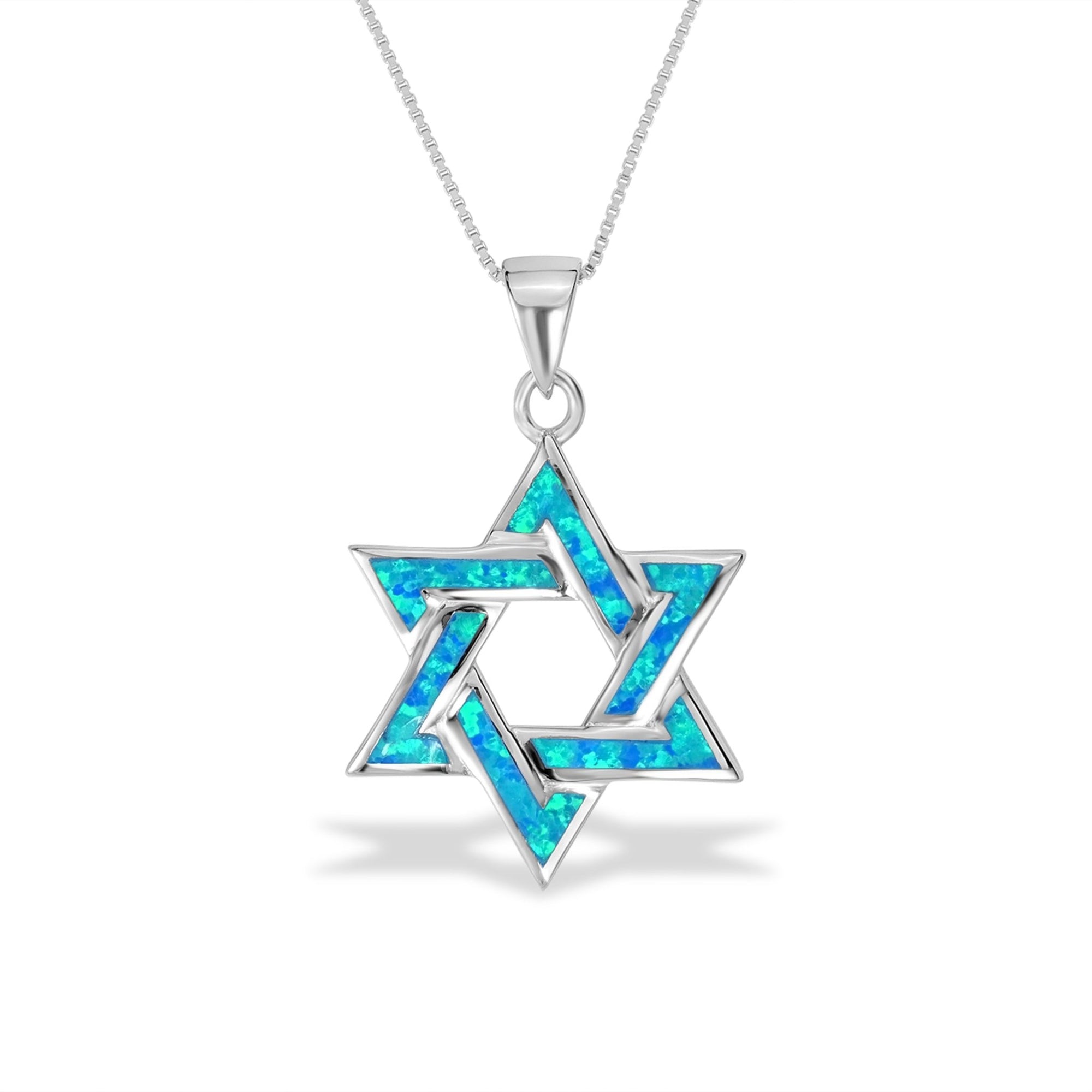
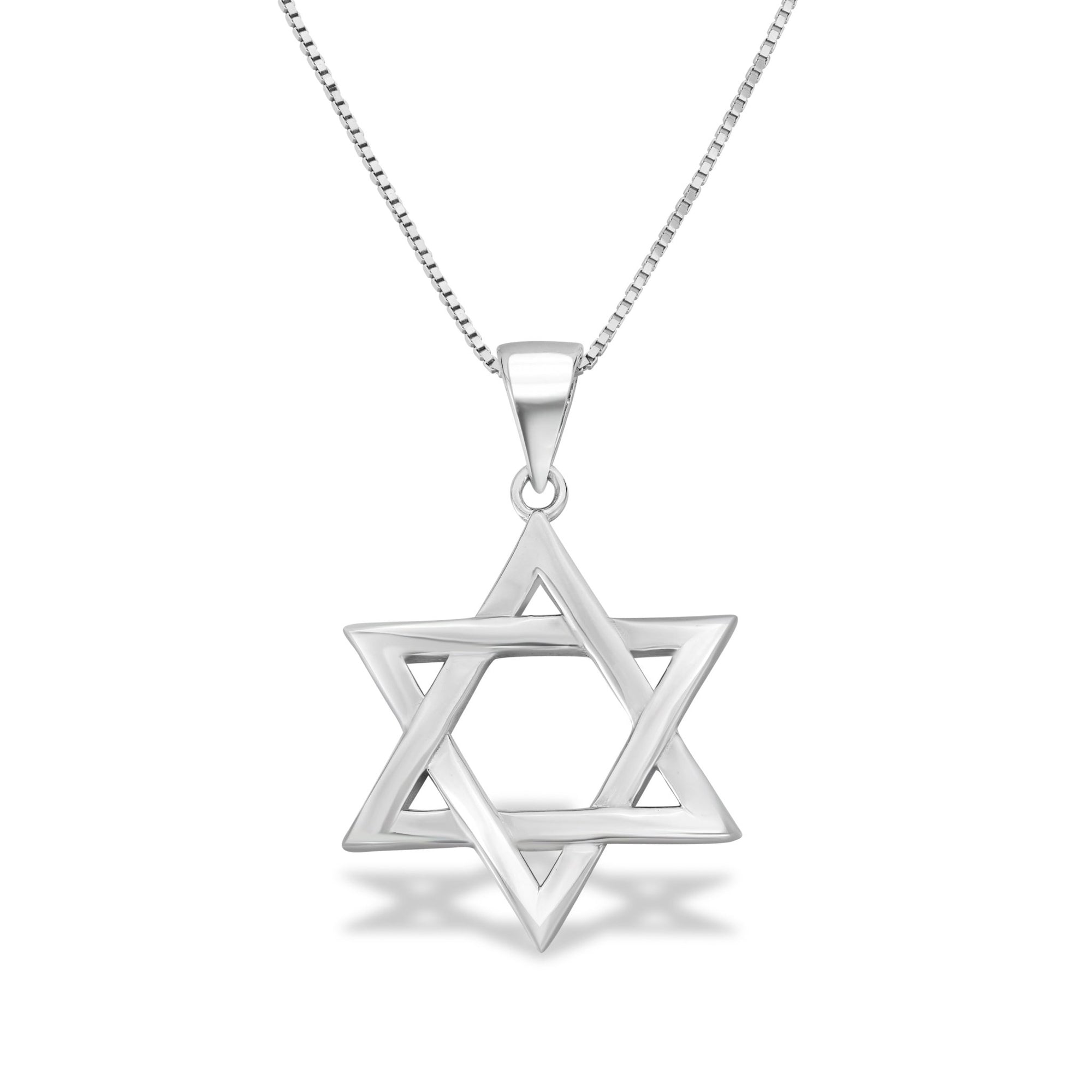
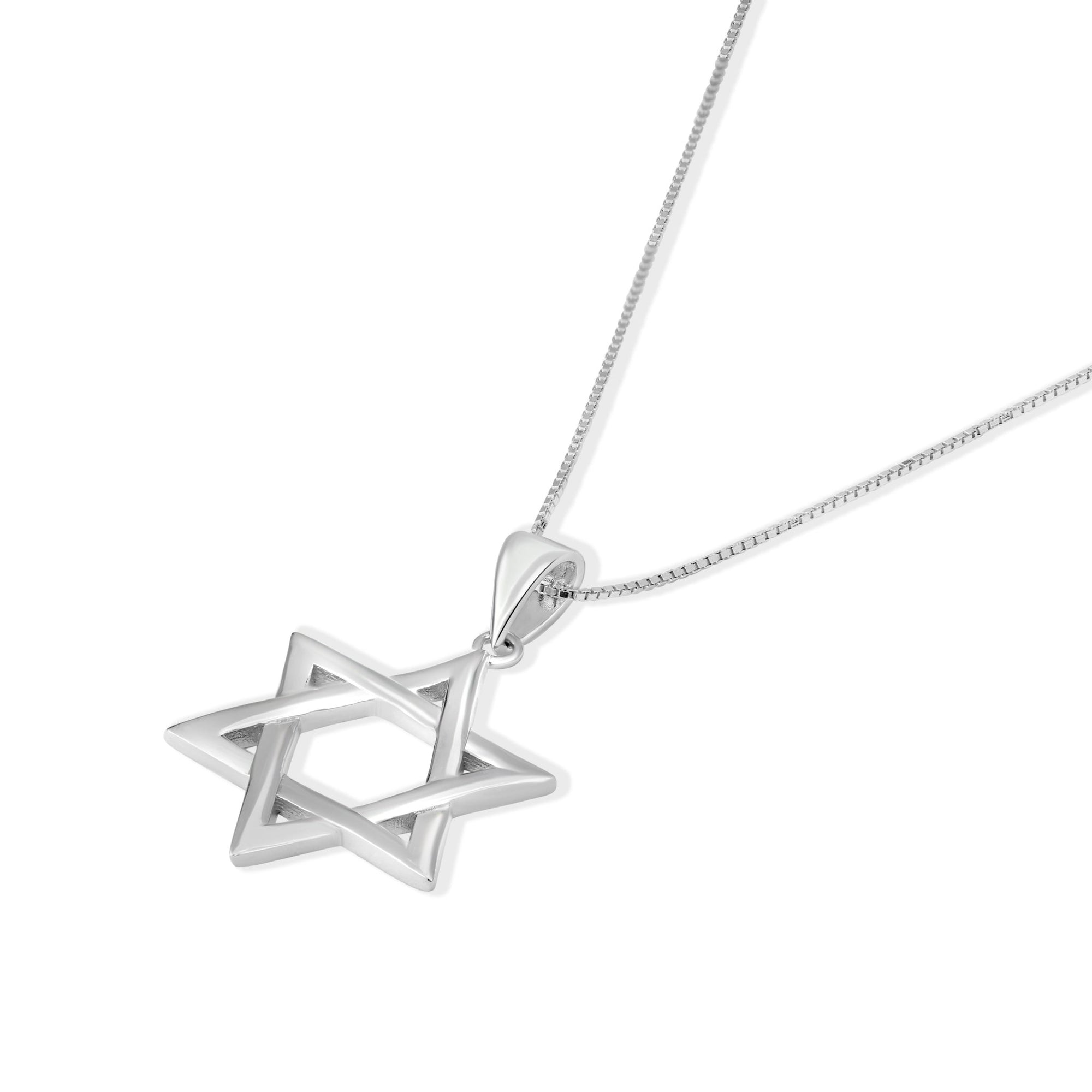
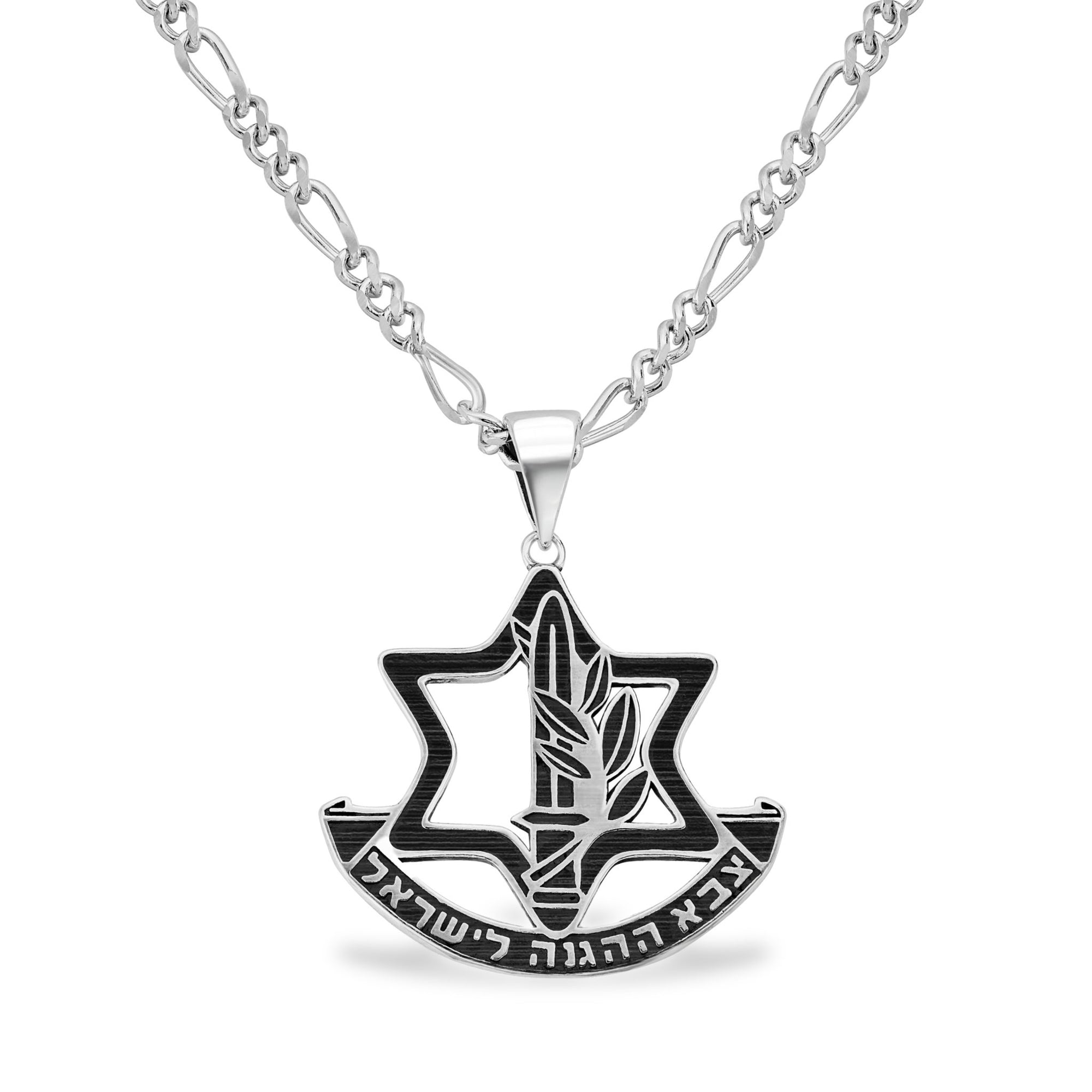
For a household or a gift table, the honest version of this story is simple: Jewish holiday ritual generates real, ongoing demand for well-made objects, and buying pieces genuinely made in Israel is one direct way to support Israeli artisans during a period when their usual customer base, in-person tourists, has been harder to reach. Shop Israel's jewish symbols jewelry collection is built around that same idea, pairing recognizable pieces like the Shalom Star of David necklace with everyday Israel-forward apparel and accessories, so holiday gifting and year-round identity pieces can come from the same place.
Related
Celebrate Jewish Holidays with Authentic Israeli Merchandise
Jewish Holiday Gift Guide: Israel-Inspired Merchandise
Holiday Specials: Israel Merchandise for Passover and Hanukkah
Last updated August 2026.