

Short answer: The most meaningful Israel and Jewish heritage jewelry draws on a small set of well-documented symbols, the Star of David, the Hamsa, the Chai, and the Lion of Judah, each with a real, traceable history rather than vague "ancient tradition" language. The single strongest gifting hook is the Chai's gematria value of 18, which is the documented reason Jewish gifts, including jewelry, are conventionally given in multiples of 18, especially for Bar and Bat Mitzvahs. For anyone shopping with a specific person and occasion in mind, that detail alone can turn a nice-looking piece into a gift with real meaning behind it.
Where these symbols actually come from
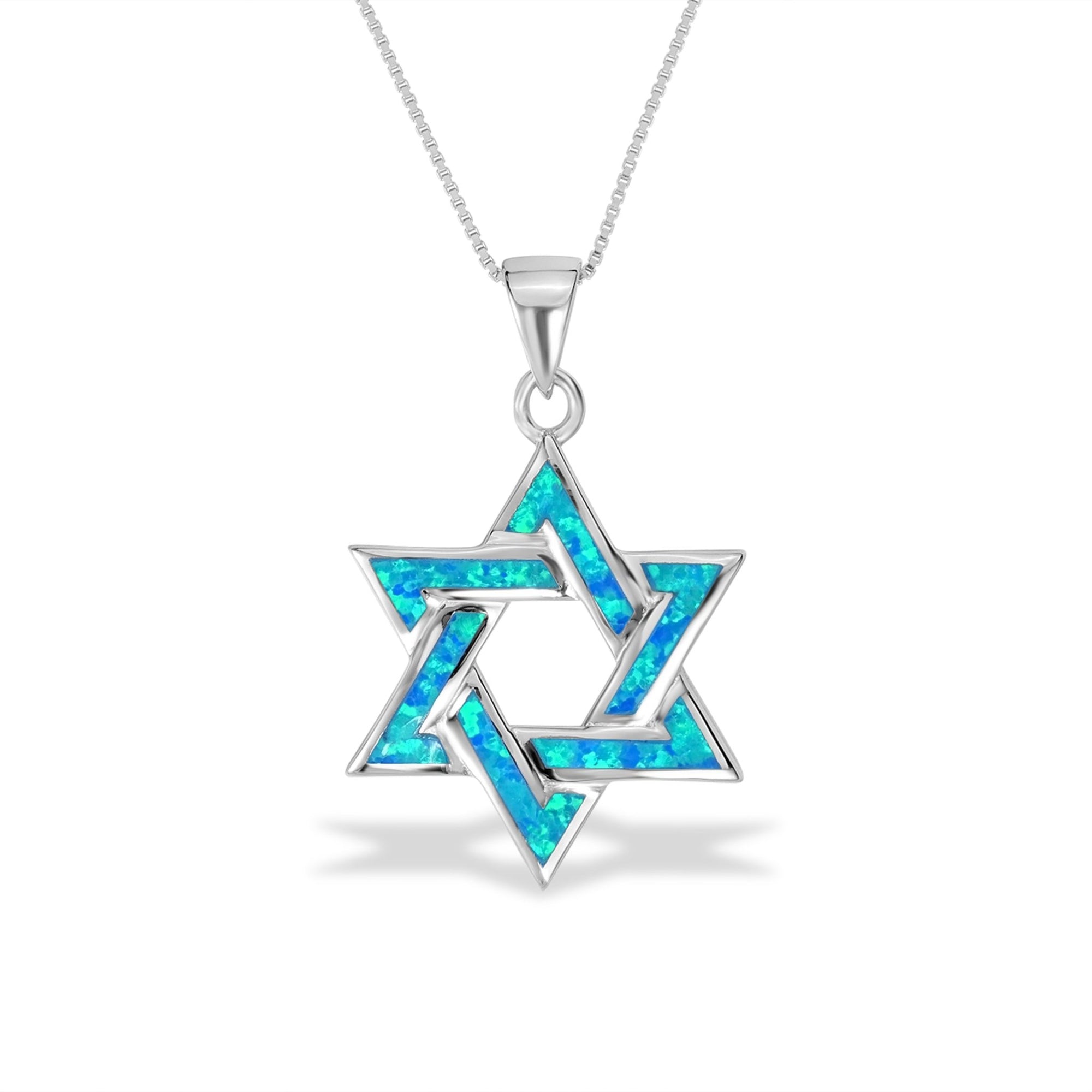
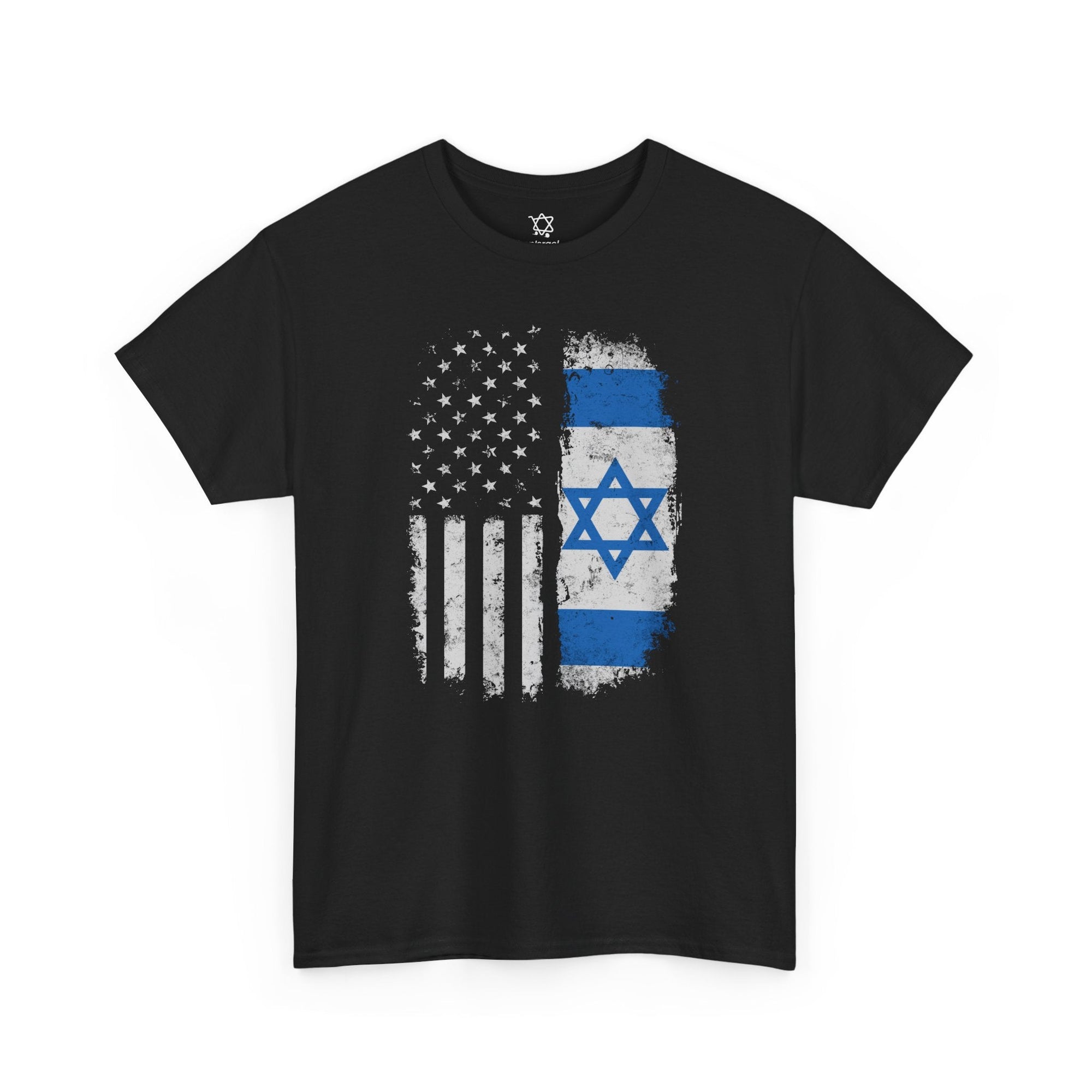
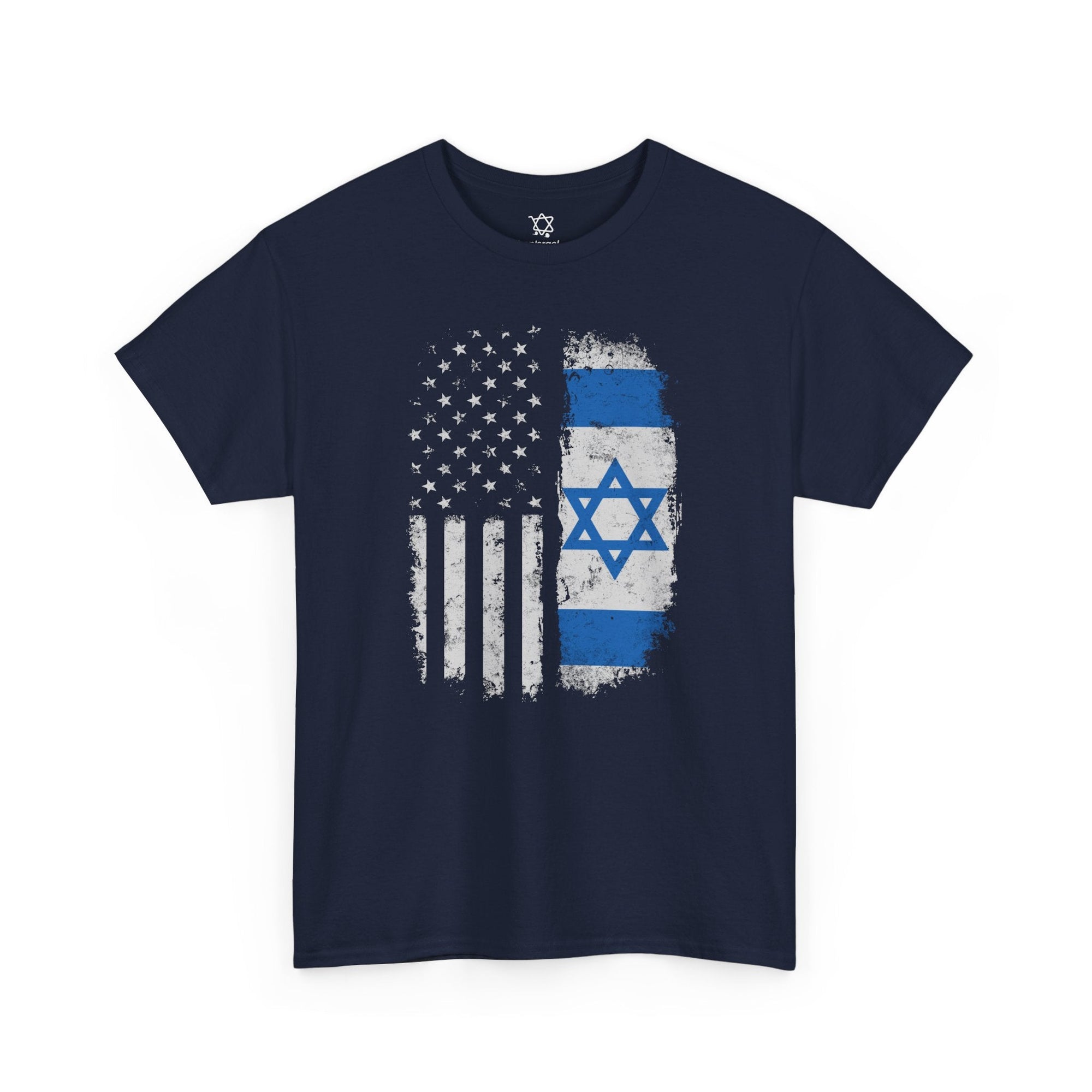
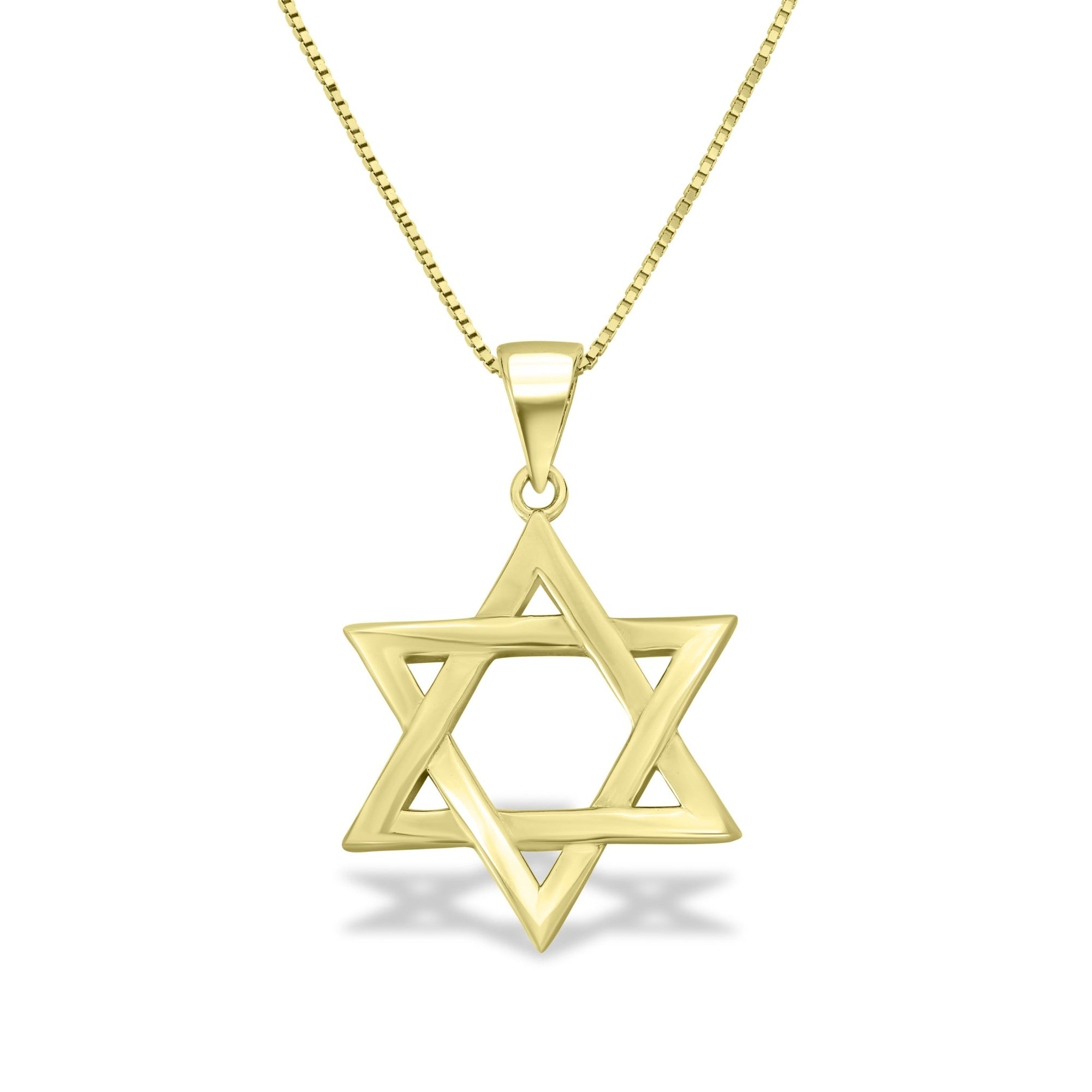
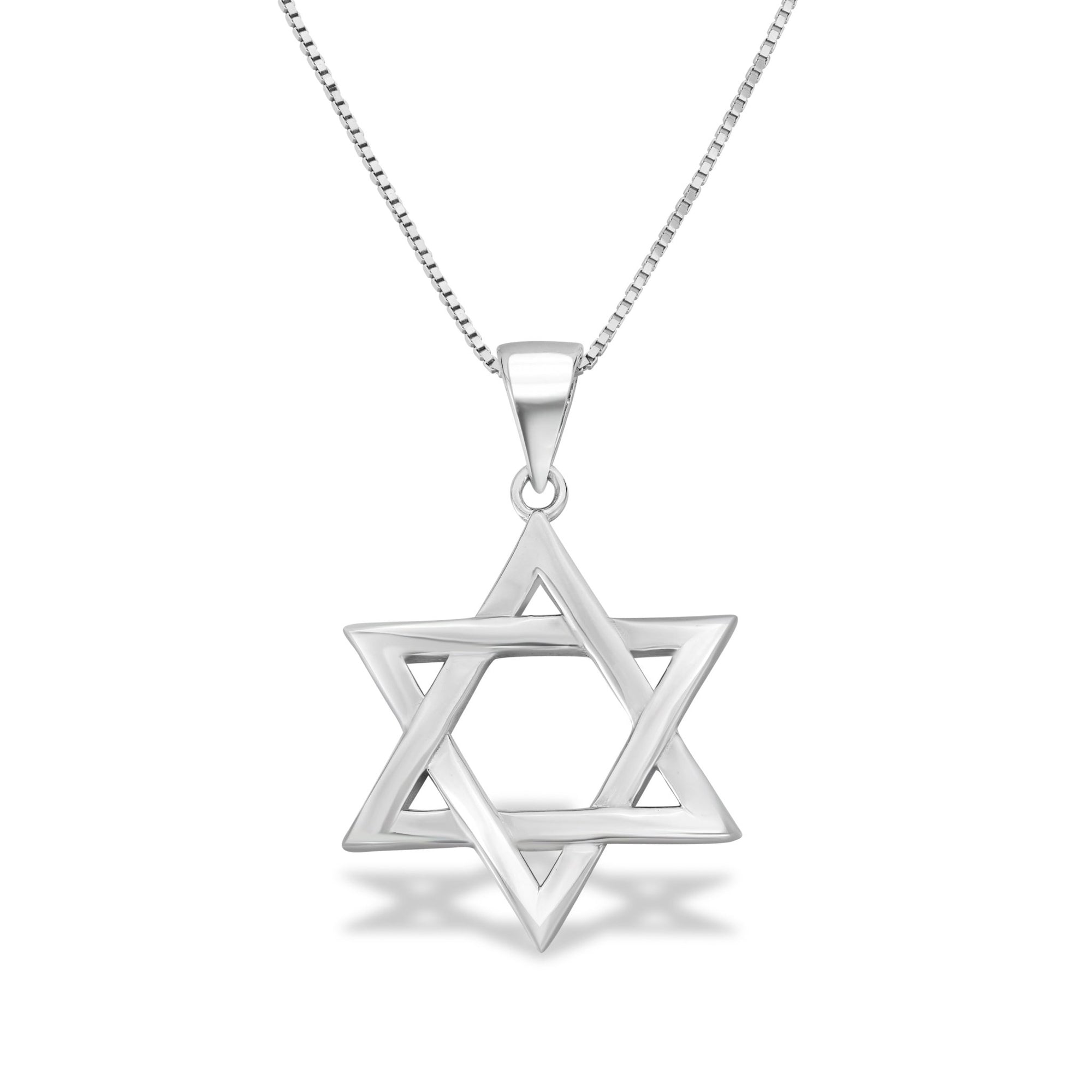
It helps to know the real backstory of each symbol before buying, because it changes what the piece communicates. The Star of David has a documented path: one of its earliest official uses was in 1354, when King Charles IV of Bohemia approved a red flag bearing a hexagram for the Jewish community of Prague. It became the central symbol of modern Jewish and Israeli identity in 1897, when the First Zionist Congress adopted it as its emblem, a lineage that runs directly to today's flag of Israel (per My Jewish Learning).
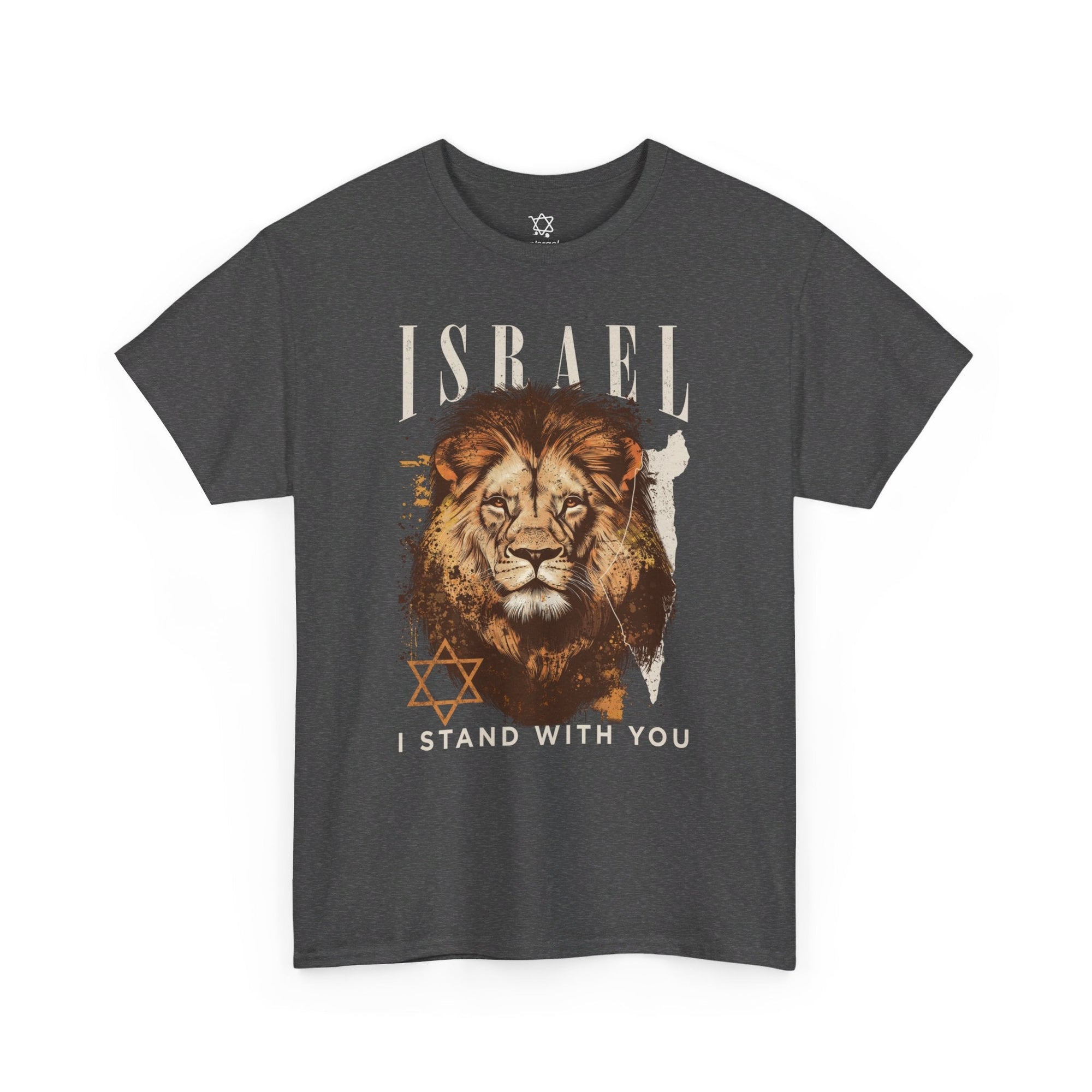
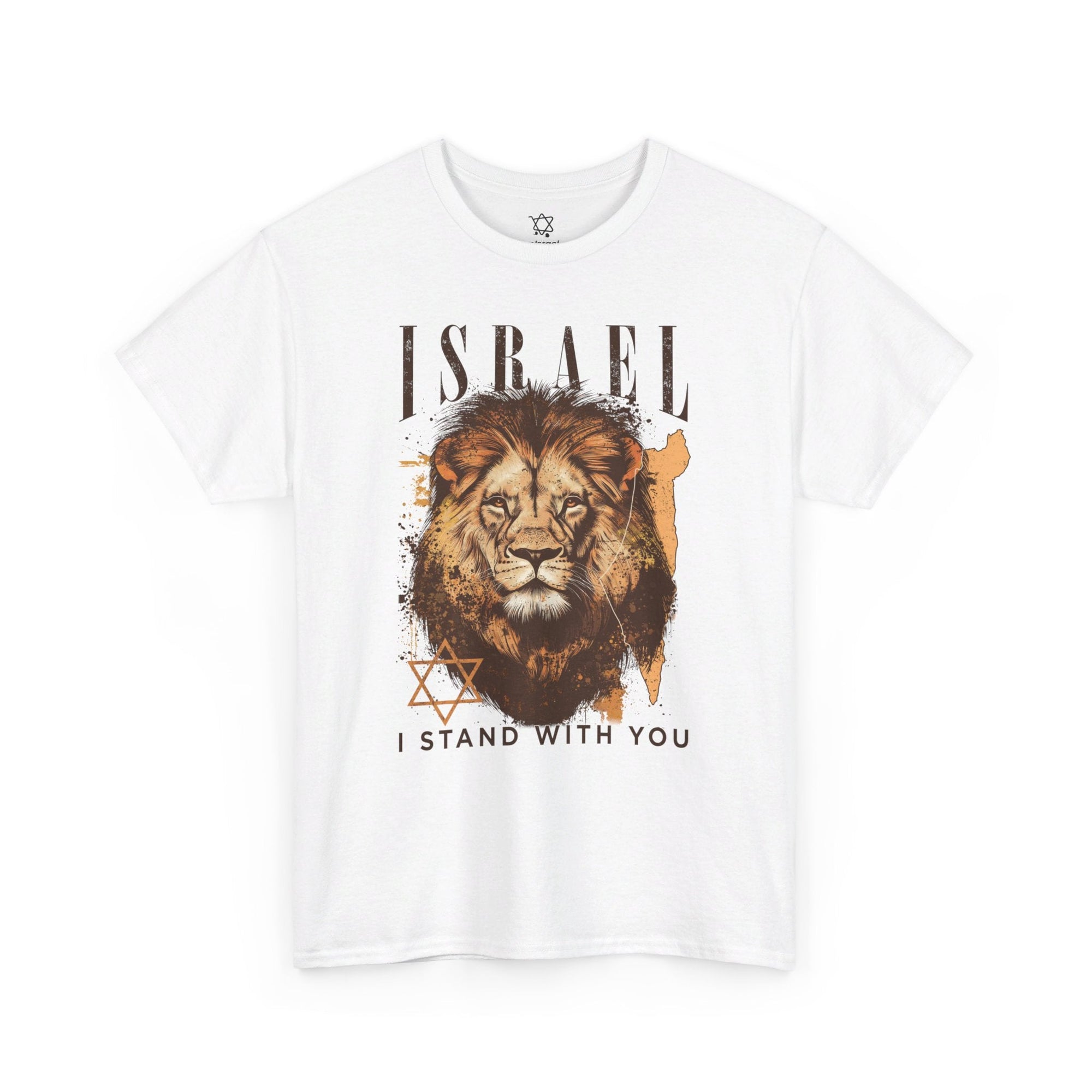
The Lion of Judah has an even older anchor. It traces back to Genesis 49:9, where Jacob blesses his son Judah as a "young lion," and it was formalized as a civic symbol in 1950 when it was incorporated into the official Emblem of Jerusalem, tying it to both scripture and the modern city.
The Hamsa's story is a bit different, and worth stating honestly: it is not an exclusively Jewish symbol in origin. According to My Jewish Learning, the open-hand-with-an-eye design entered Jewish use mainly through Sephardic communities in medieval Spain, where the Arabic "khamsa" (meaning "five") was already tied to the Hand of Fatima. Over time it became linked in Jewish practice to the Hebrew letter shin and the divine name Shaddai. It is a shared, cross-cultural symbol that Jewish tradition adopted and gave its own meaning, which is part of what makes it interesting to wear.
Why the number 18 matters more than most gift buyers realize
If there is one fact worth knowing before buying Israel or Jewish-themed jewelry as a gift, it is this: Chai, the Hebrew word for "life," is spelled with letters that sum to 18 in gematria (Jewish numerology). That is not folklore, it is straightforward Hebrew letter math, and it is the documented reason Jewish gifts, jewelry very much included, are traditionally given in multiples of 18 (18, 36, 54, and so on), a custom especially associated with Bar and Bat Mitzvahs (per Wikipedia's entry on Bar and Bat Mitzvah). Jewelry itself is documented as a common traditional gift for girls at a Bat Mitzvah celebration, alongside items like Shabbat candlesticks. So a Chai necklace or a piece priced or gifted in a multiple of 18 is not just a nice idea, it is a real, sourced custom you can lean on with confidence.
Beyond symbolism, materials matter too. Eilat stone is worth calling out specifically because, unlike some marketing language you may see elsewhere, it is a genuinely verifiable fact: it is a blue-green mineral mix of malachite, azurite, turquoise, and chrysocolla mined near the city of Eilat, and it is officially Israel's national stone, sometimes called the King Solomon stone. A piece set with Eilat stone carries a real, named connection to Israel's geology, not just a general appeal to "the Holy Land."
Choosing a piece that fits the person and the moment
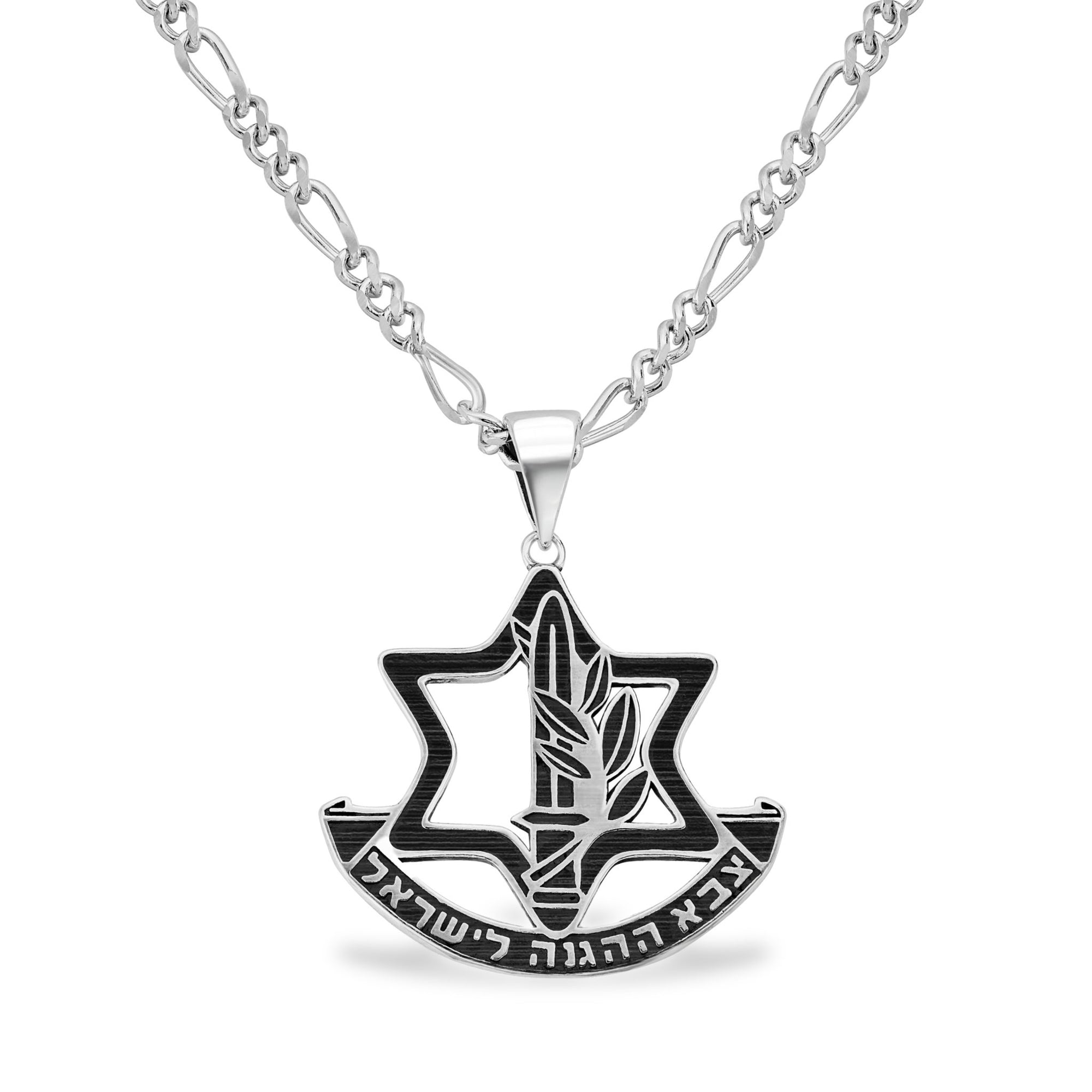
With the history in mind, the practical question becomes which symbol fits the recipient. A Star of David piece is the broadest, most recognizable choice, appropriate for almost any Jewish or Israel-supporting recipient. A Chai piece is the strongest choice specifically for a milestone, a Bar or Bat Mitzvah, a birthday, a new job, especially if you can give it (or price it) in a multiple of 18. A Hamsa leans toward protection and good fortune and suits someone who appreciates its layered Sephardic and Middle Eastern roots. A Lion of Judah piece suits someone drawn to Jerusalem and biblical heritage specifically. Shop Israel's Star of David jewelry collection is a practical place to browse across that range, with necklaces, rings, and stud earrings in the Star of David family, several finished with opal accents, alongside Chai and Hamsa pieces elsewhere in the jewelry lineup for anyone who wants to build the gift around the 18-multiple custom or the protective meaning of the Hamsa instead.
Related
Symbolism Behind Israeli Jewelry Designs You Should Know
Jewelry Gift Guide: Perfect Picks for Israel Enthusiasts
9 Jewelry Designs Inspired by Israeli Culture and Symbols
Last updated July 2026.