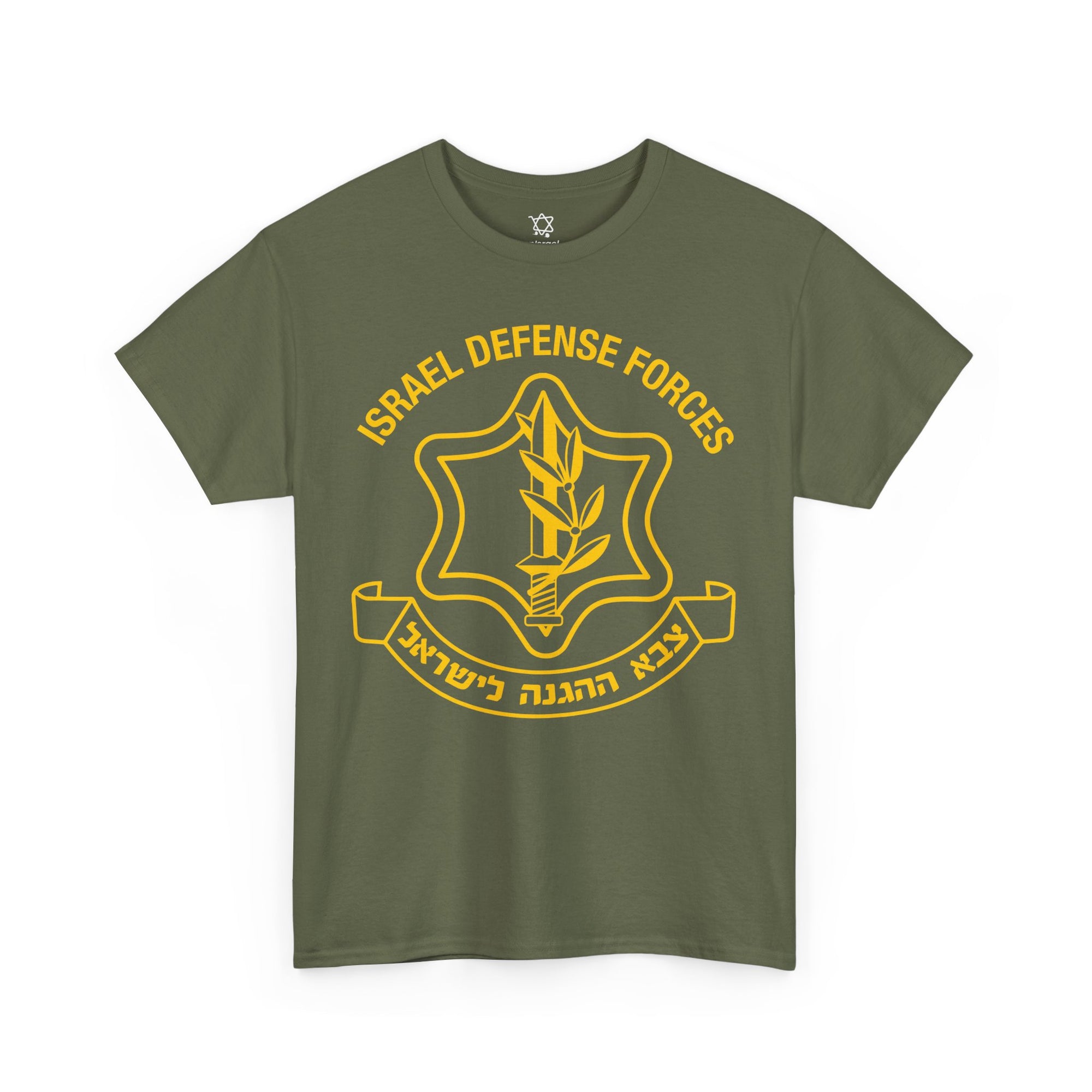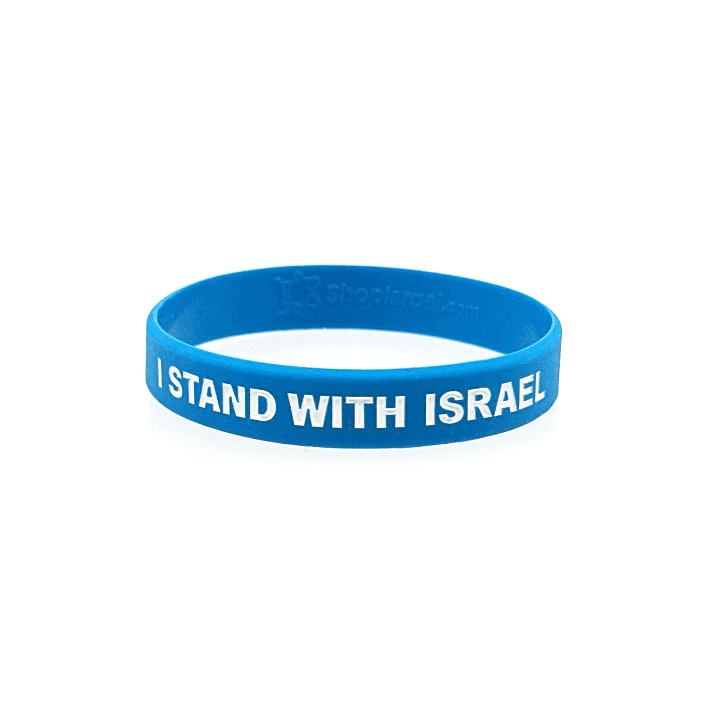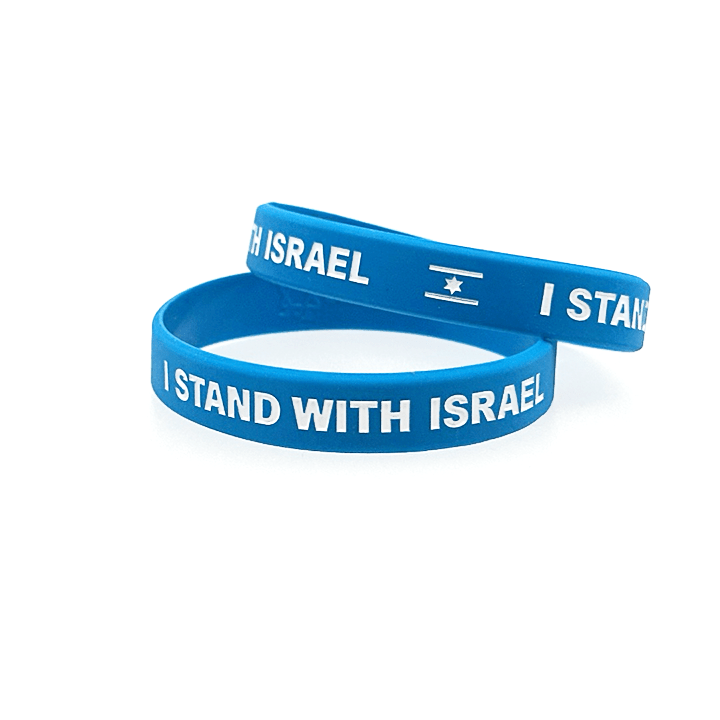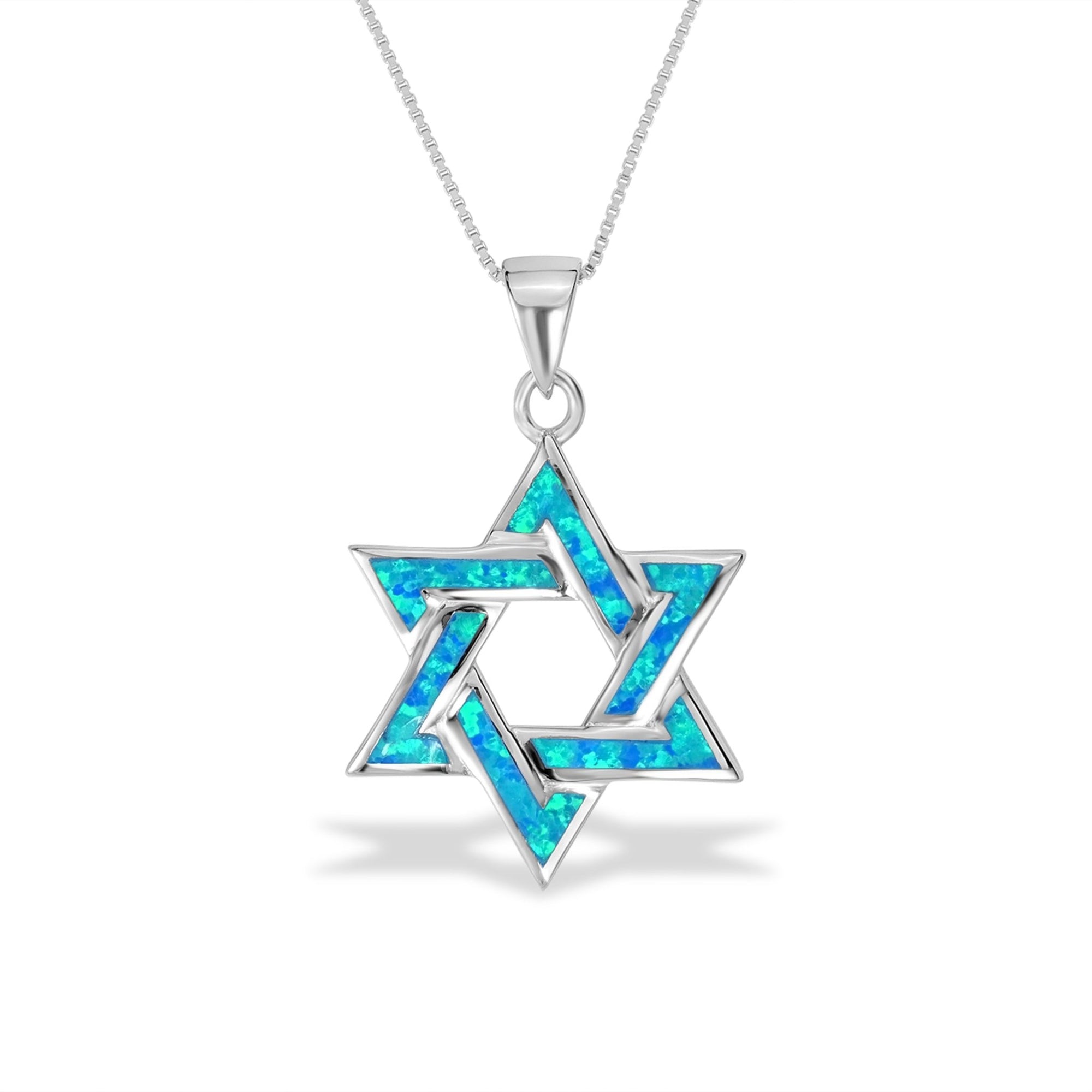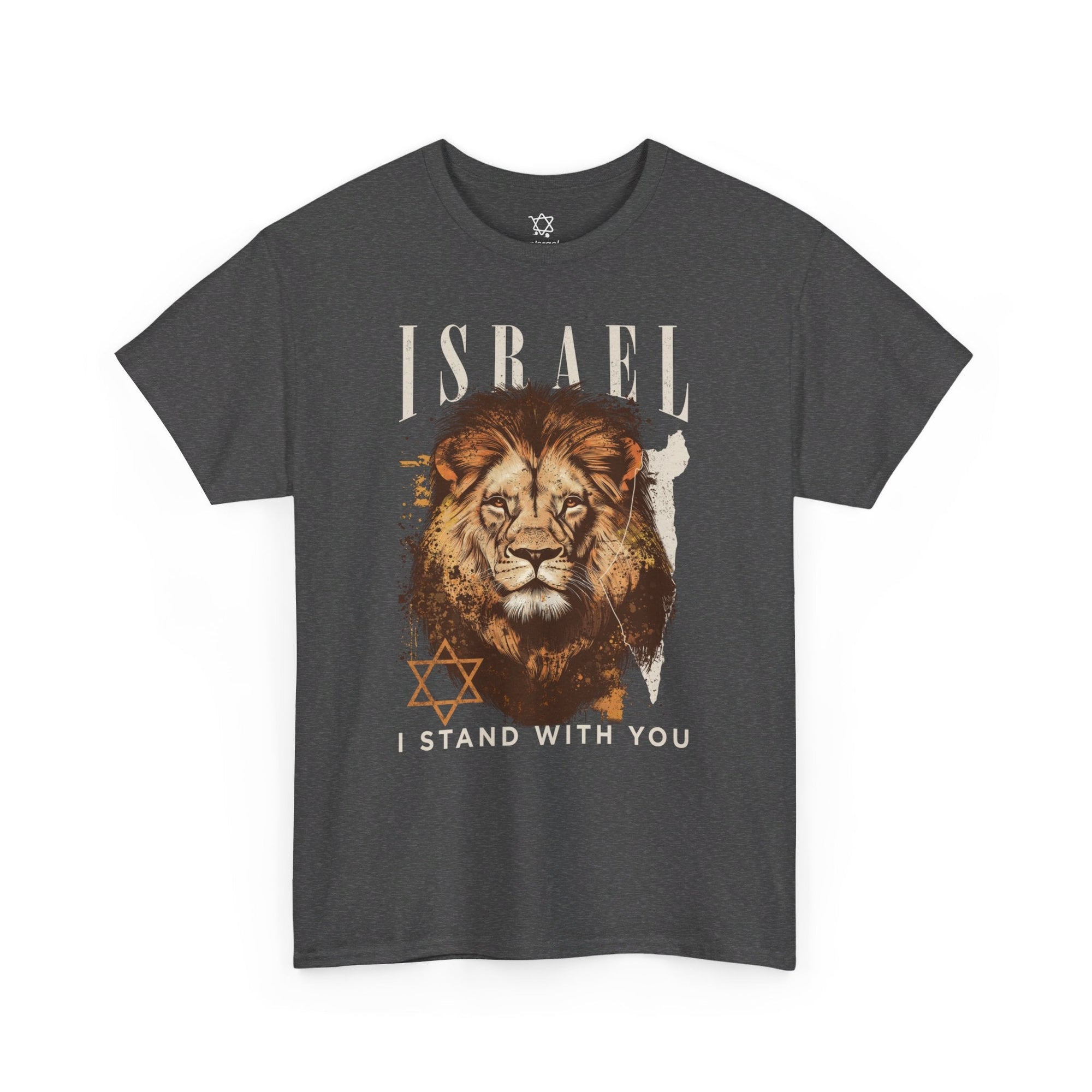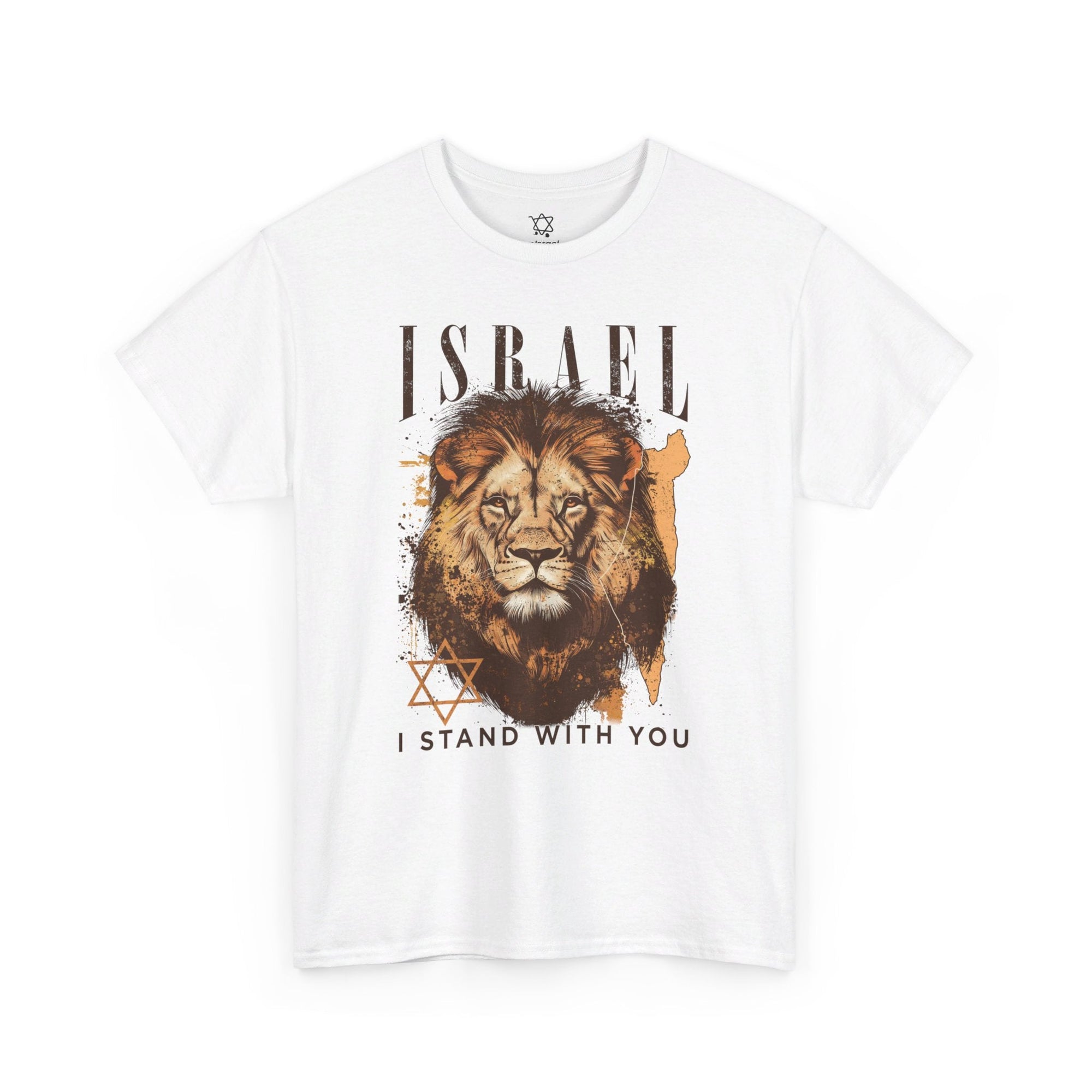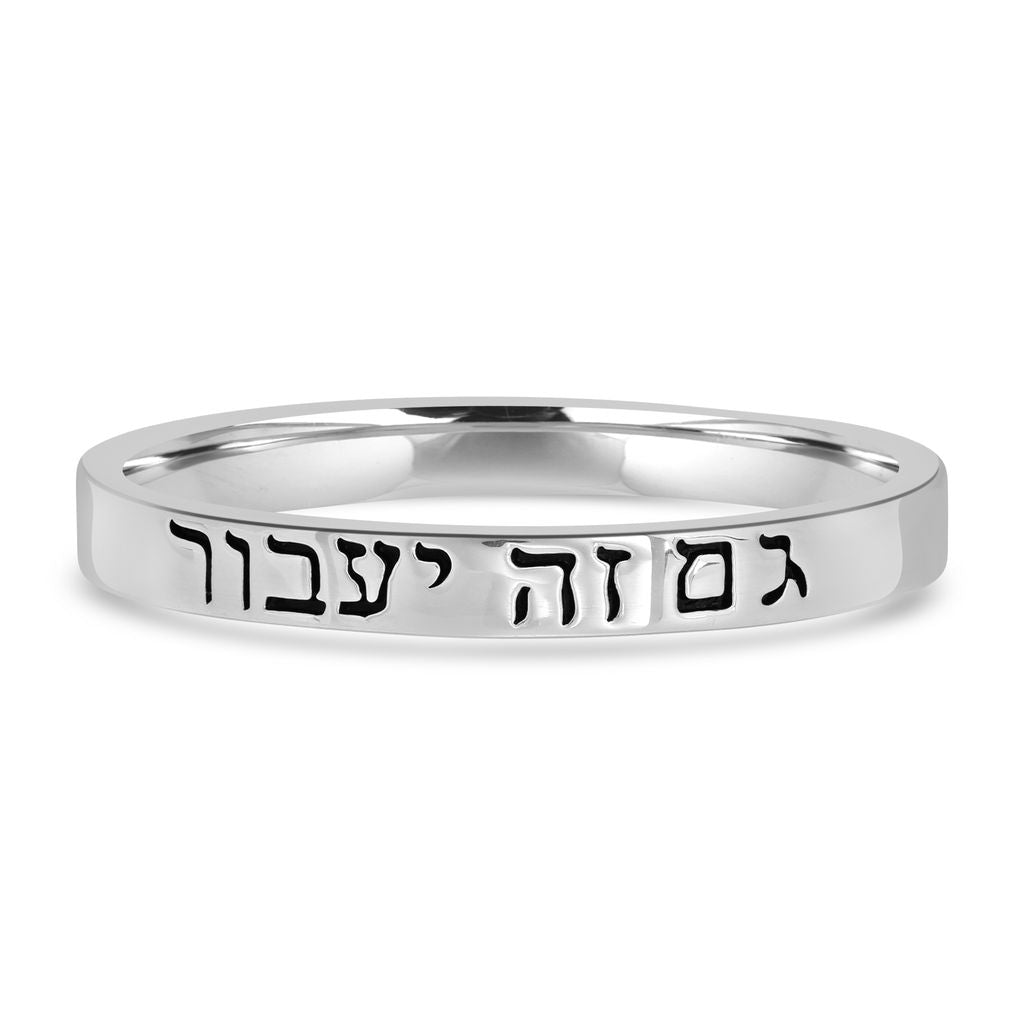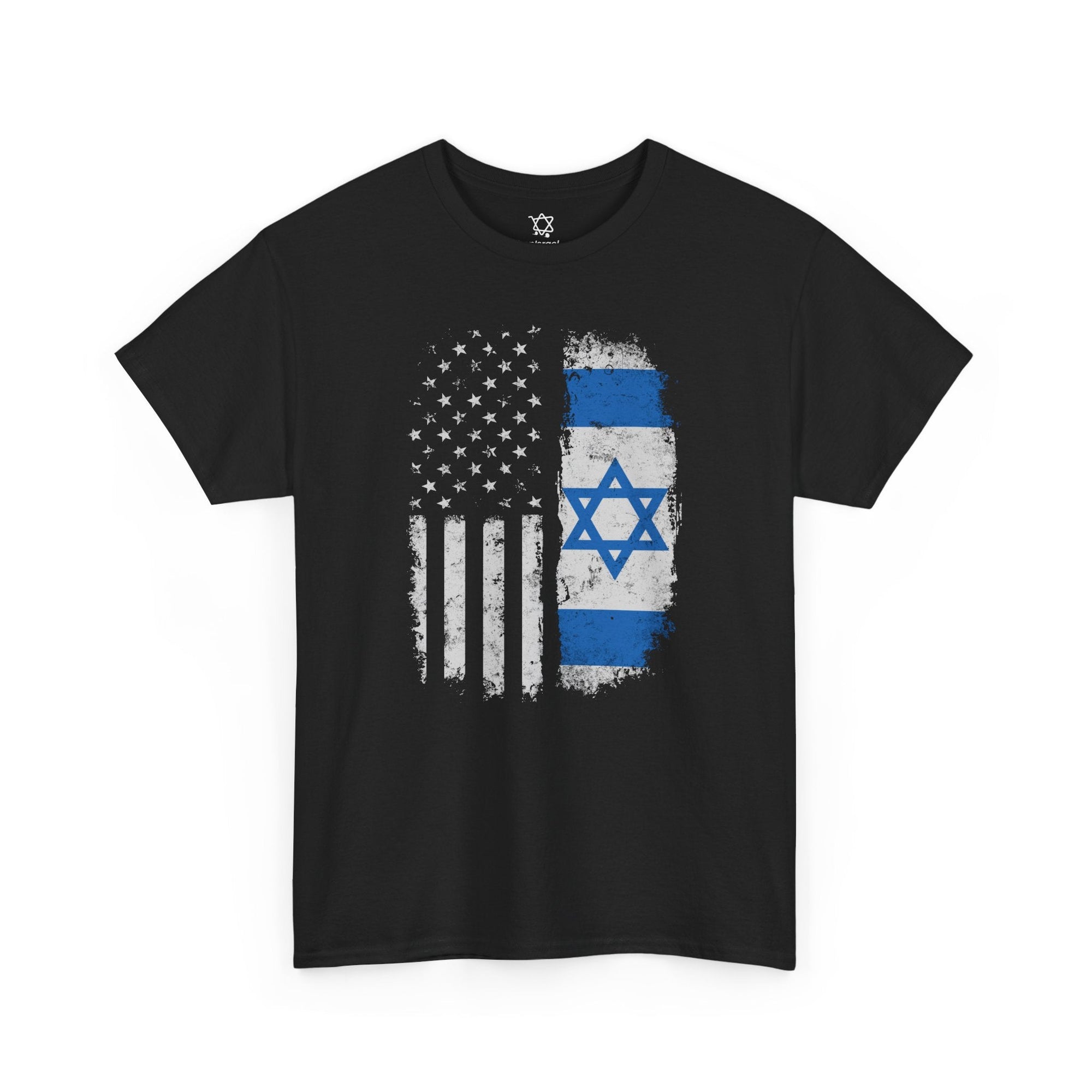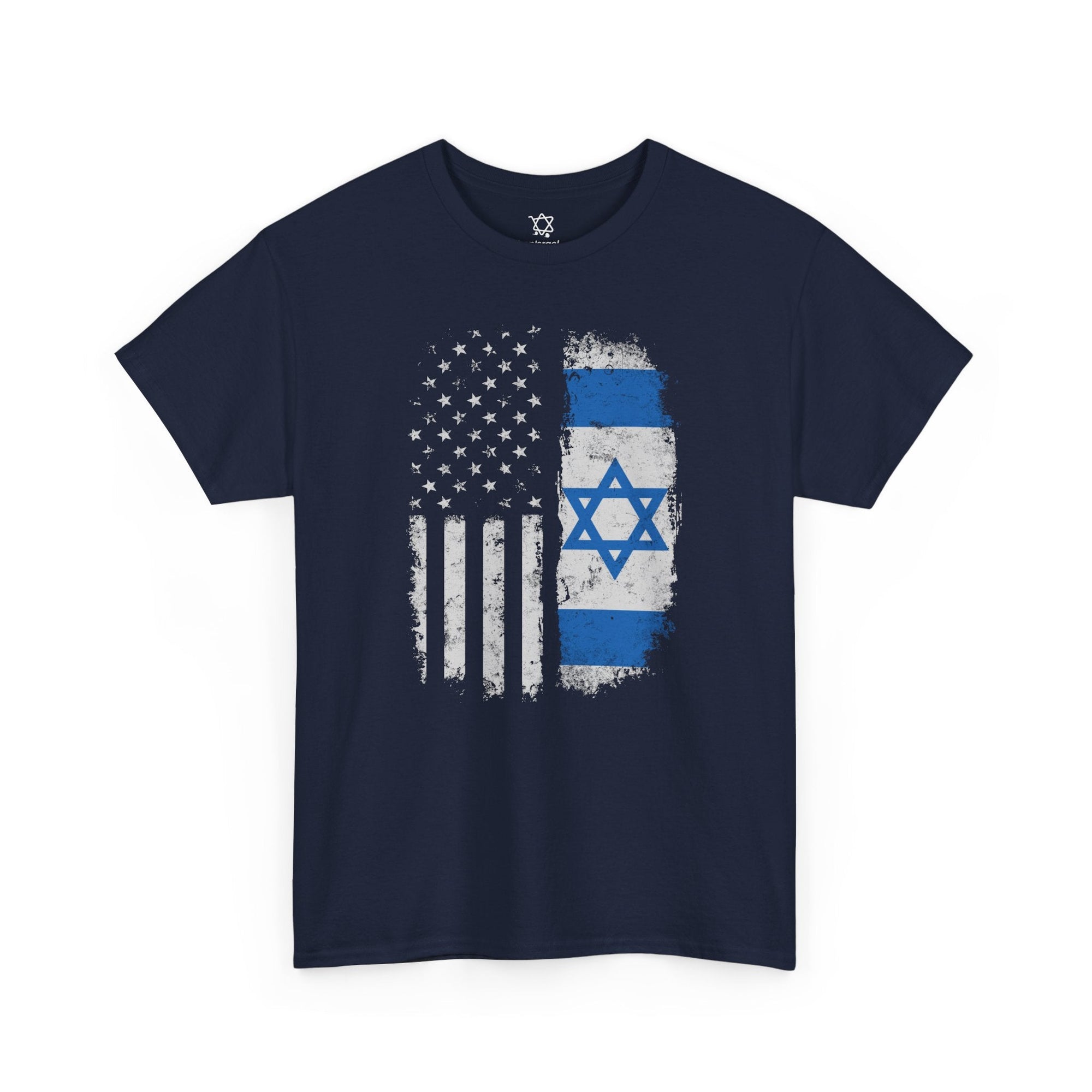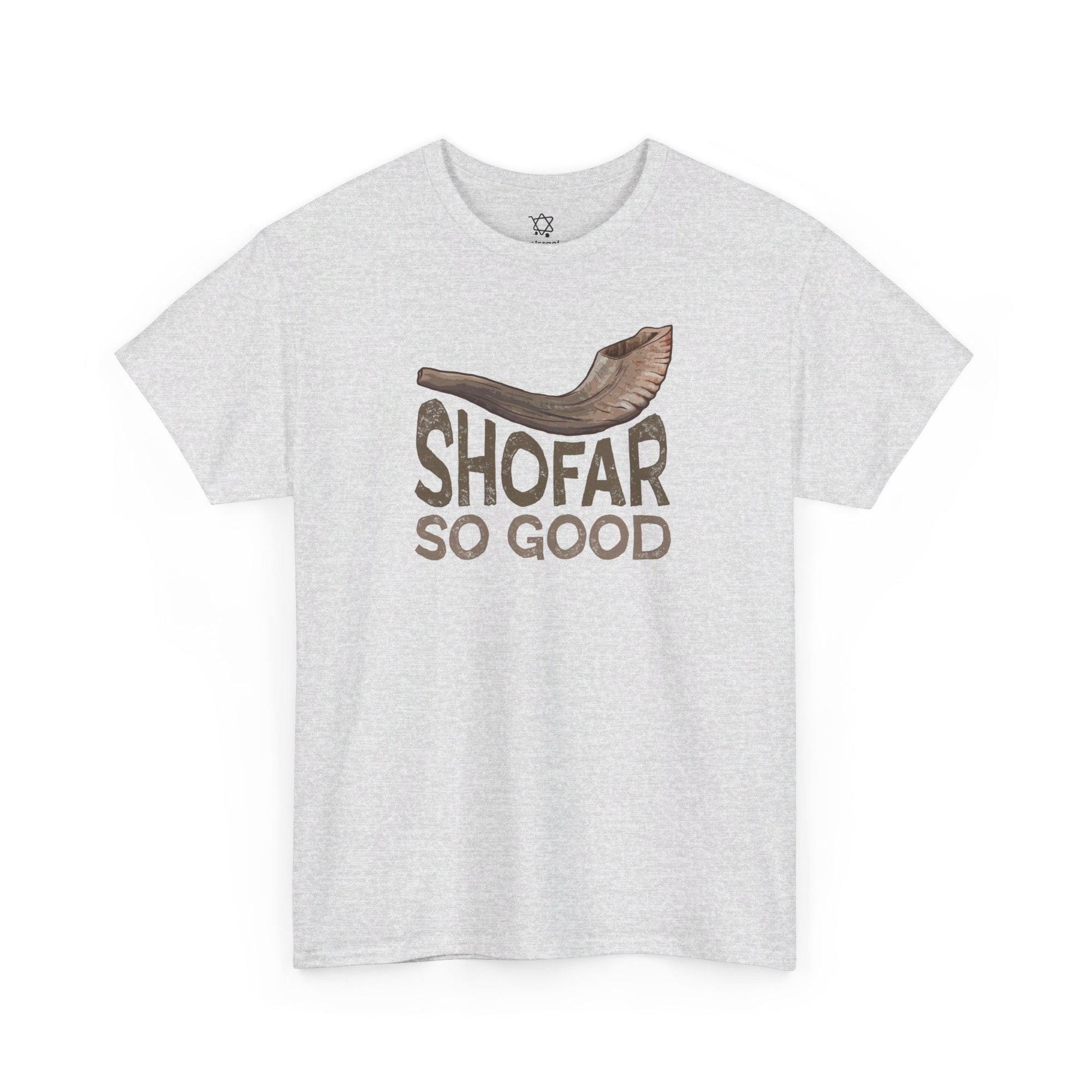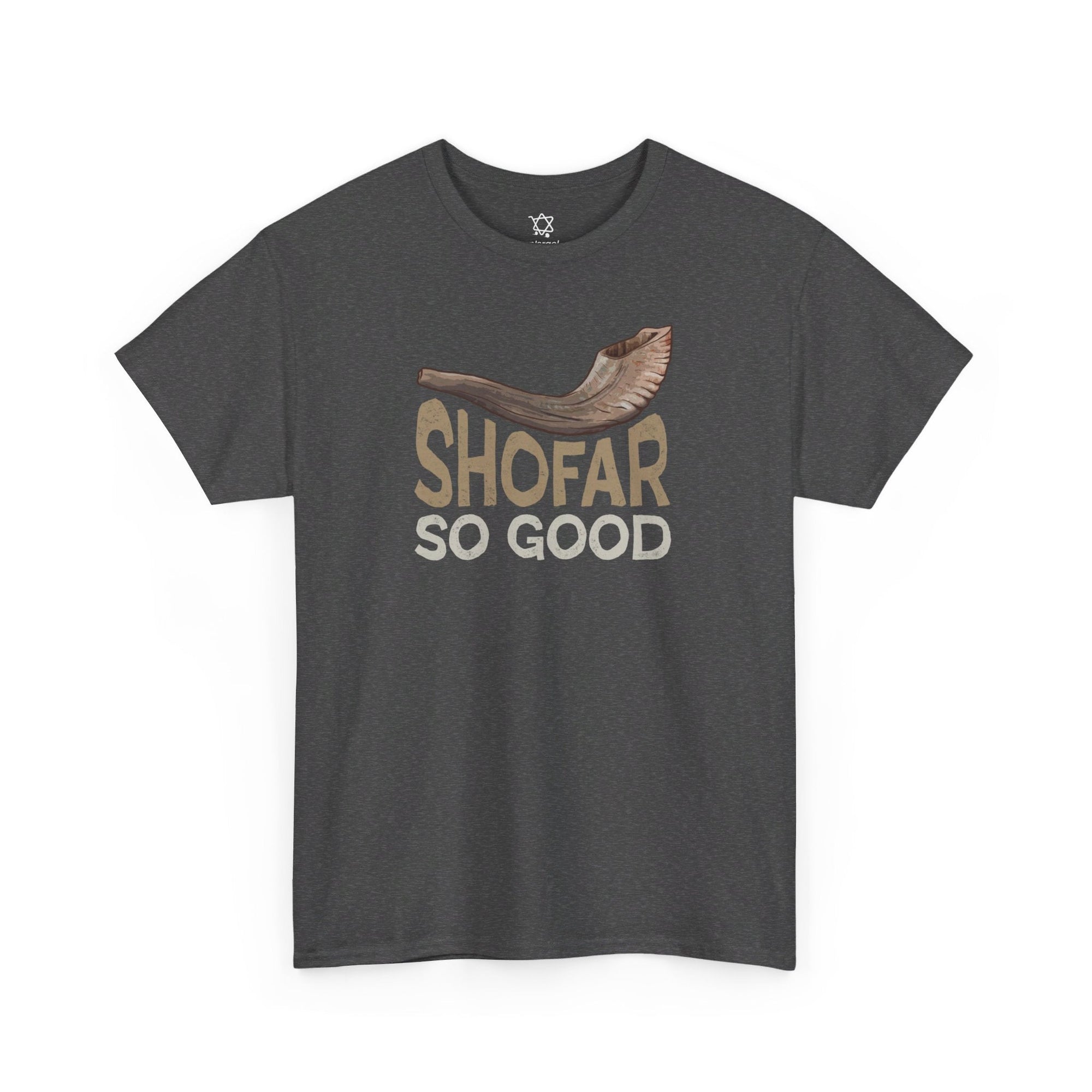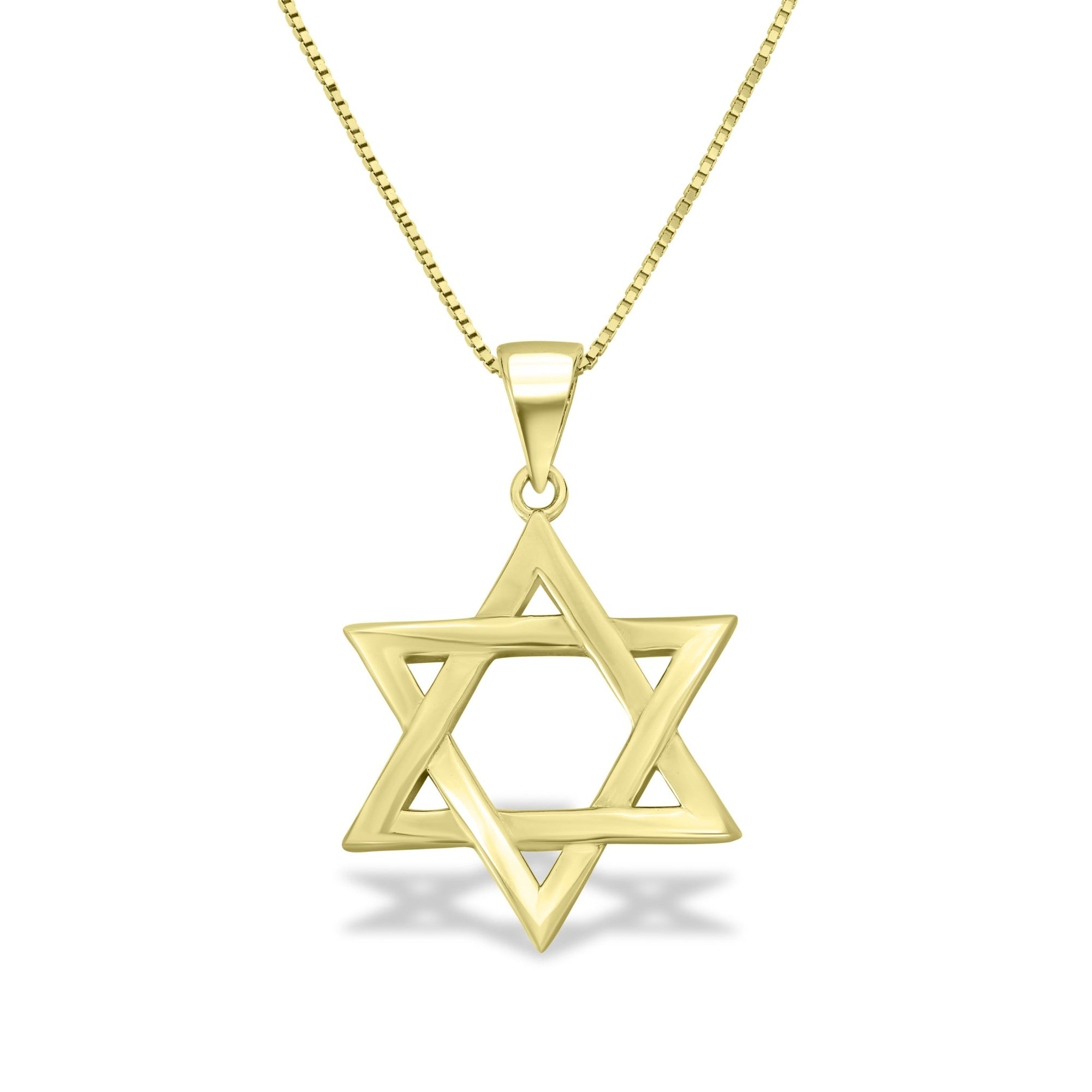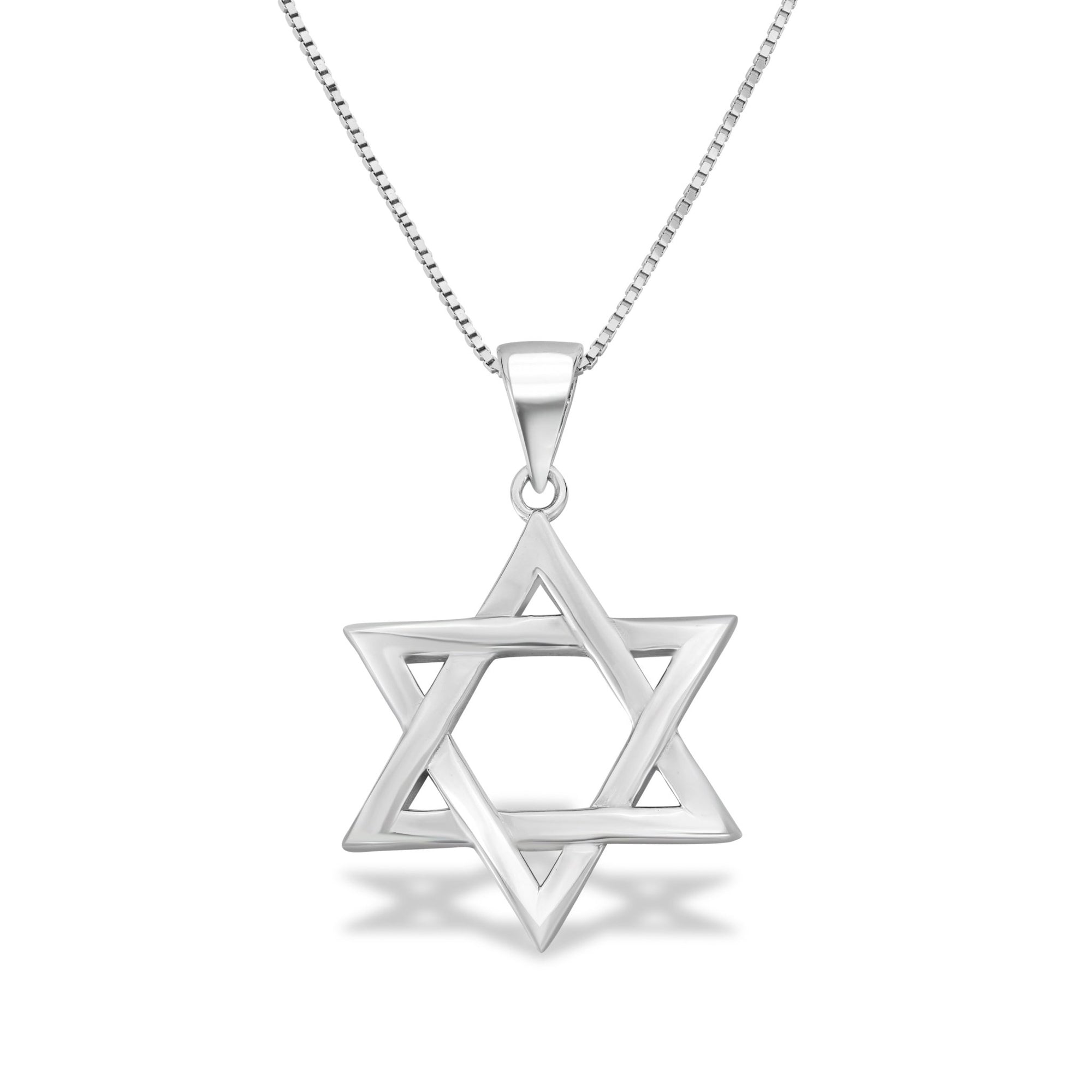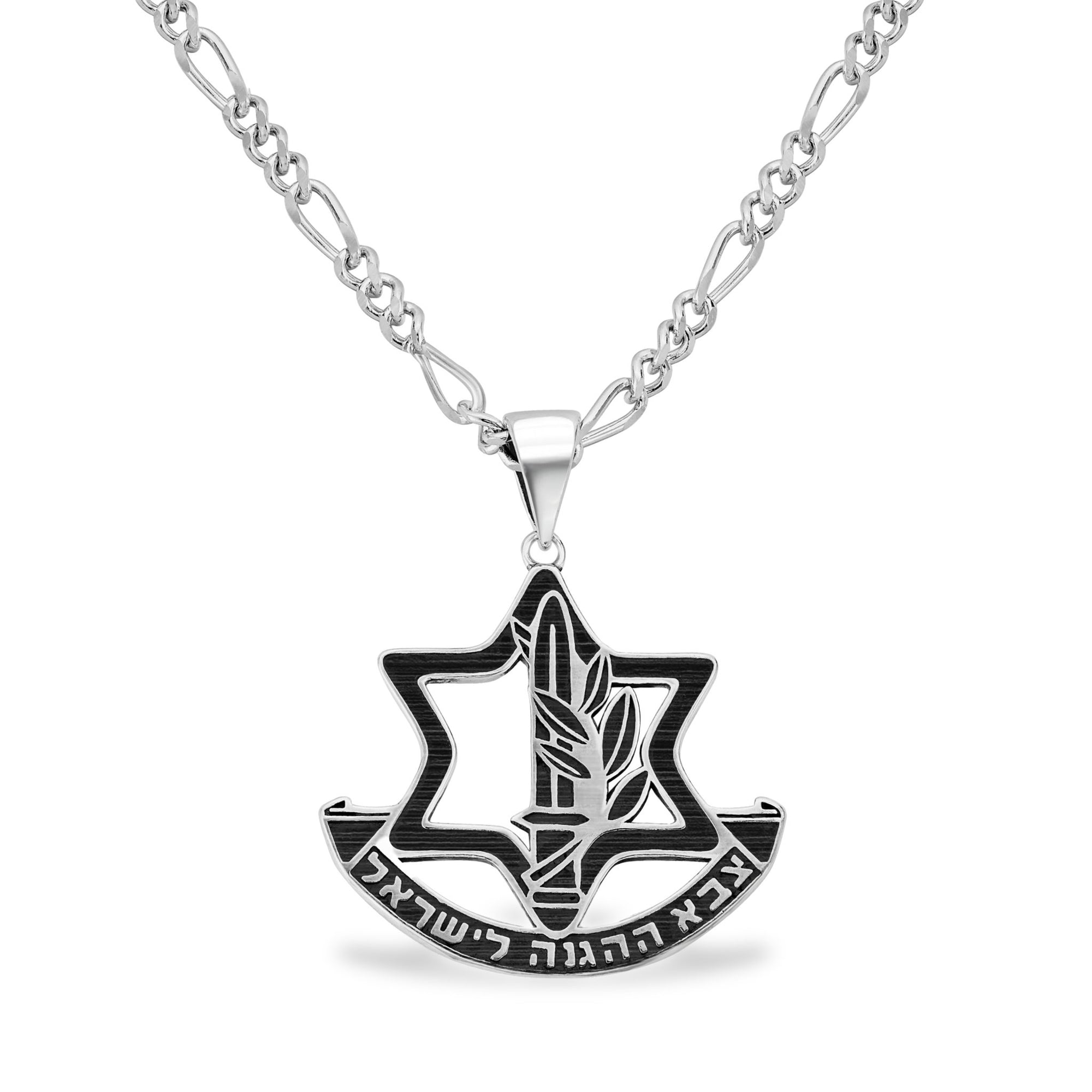


Short answer: Israel-themed clothing collections are a well-documented, currently active category of apparel and accessories, T-shirts, hoodies, jewelry, and outerwear carrying the Star of David, the Israeli flag's blue and white, and Hebrew phrases like "Am Yisrael Chai." The category has decades of history but took on new depth and new motifs after October 7, 2023, and it continues to evolve as the moment it responds to changes.
Where the trend came from
Israeli fashion built around national and cultural identity is not new. Maskit, widely cited as Israel's first dedicated fashion house, was founded in 1954 by Ruth Dayan to give newly arrived immigrant artisans, including Yemenite, Moroccan, and other Middle Eastern and North African communities, paid work using traditional weaving and embroidery skills. That heritage-craft foundation set a template that later Israel-themed design would build on: clothing as a carrier of identity, not just a garment.
The modern surge has a specific trigger. Reputable retailers and outlets point to the October 7, 2023 Hamas-led attack as the moment demand for Star of David jewelry, Israeli flags, and Judaica items jumped sharply. Jewish Insider reported that in the weeks following the attack, Judaica retailers saw increased sales of Star of David necklaces, chai pendants, mezuzot, and Israeli flags. Buyers included Jewish community members reconnecting with their identity, and non-Jewish customers as well, including churches requesting large Israeli flags as a visible show of solidarity.
How the design language matured
By mid-2024, this had grown into a distinct aesthetic rather than a one-off spike. The Jerusalem Post documented in August 2024 how wartime conditions reshaped Israeli fashion: designers incorporated the Star of David, maps of Israel, prayers, and slogans into clothing, while olive-green and blue-and-white color palettes became prominent. Designer Yael Harris Resnick created an olive-green identity T-shirt called HERO/Gibor as part of that shift. Yellow ribbons referencing the hostages held in Gaza also became a recurring motif in this period.
The same reporting noted a parallel adaptive-fashion trend tied to the war's toll: brands including Renuar, Fix, Palta, and Mikita began designing clothing and running ad campaigns featuring wounded reservists and amputees, a direct reflection of how the conflict reshaped Israeli design choices and who those clothes needed to fit.
One symbol's meaning has since shifted. The yellow ribbon began as part of an active campaign for hostages still held in Gaza. That campaign is now over: the last living hostages returned to Israel under the October 2025 ceasefire, and the remains of the final hostage, police officer Ran Gvili, who was killed on October 7, 2023 while defending Kibbutz Alumim, were recovered and returned to Israel in January 2026, marking the first time since 2014 that no hostages, living or deceased, remained in Hamas captivity. Yellow-ribbon apparel and "Bring Them Home" pieces are worn today as memorial and commemorative items, not as part of an ongoing appeal.
Building a wardrobe around these pieces
For shoppers looking to add these symbols to their everyday wardrobe, the category now spans far beyond a single T-shirt design. Options run from a simple Shalom cotton tee to jewelry pieces like a Star of David necklace, letting the same symbols show up in daily rotation rather than a one-time statement piece.
Shop the collection:
Apparel | Star of David Jewelry | Am Yisrael Chai | I Stand With Israel
Related
10 Trending Israel-Themed Clothing Styles to Watch This Season
Fashion and Peace: How Zionist Messages Shape Clothing
Express Your Heritage with Israel-Themed Everyday Accessories
Last updated August 2026.