

Short answer: As of July 2026, Israel-themed fashion pulls from two documented layers. One is a genuine multicultural craft heritage: Yemenite and other immigrant embroidery, prayer-shawl (tallit) stripes, and climate-adapted desert garments, anchored by the heritage house Maskit, founded in 1954. The other is a strong wave of post-October-7 identity dressing: yellow hostage-solidarity ribbons, the Star of David, the names of the Gaza-border communities, and slogans like "Am Yisrael Chai," alongside tech-forward couture led by designers such as Noa Raviv. The "trend" framing is real but partly interpretive. The concrete, checkable pillars are the heritage craft, the symbols, and the named designers.
How Israel-themed fashion for 2026 actually took shape
- 1954: Ruth Dayan founded Maskit, Israel's first fashion house, to create paid work for new immigrants (Yemenite, Moroccan, and others), blending modern European patterns with ethnic embroidery traditions, and enlisted Hungarian-born designer Fini (Finy) Leitersdorf as head of design, whose camel-colored wool desert coat and Yemenite-influenced embroidery became Maskit's signature "Israeliness," per Wikipedia's entry on Maskit and the Times of Israel.
- 2014: Noa Raviv graduated from Shenkar with her "Hard Copy" collection using grid patterns and 3D printing, and won the 3D Printshow Fashion Designer of the Year award, according to Wikipedia's profile of Noa Raviv.
- 2016: Two Raviv pieces from her collaboration with Stratasys were shown at the Metropolitan Museum's "Manus x Machina: Fashion in an Age of Technology" exhibition in New York, per that same Wikipedia profile.
- June 13, 2018: The Israel Museum opened "Fashion Statements: Decoding Israeli Dress" (150 outfits, running through April 29, 2019), tracing the path from utilitarian pre-state dress and the kova tembel to Yemenite embroidery, prayer-shawl stripes, and Star of David cutouts, as covered by the Times of Israel.
- February 2024: Industrial designer Shaul Cohen scaled up 3D printing of yellow hostage-solidarity ribbon pins, producing more than 60,000 by early February 2024 and turning the yellow ribbon into a defining symbol of identification with the captives. Both the Times of Israel and Hadassah Magazine document this.
- 2024: Post-October-7 identity dressing went global. Alon Livne designed Eden Golan's Eurovision dress evoking torn bandages, and Yaniv Persy's Oscar-party gown carried the names of destroyed communities, Stars of David, "Am Yisrael Chai," and a shawl described as part tallit, part keffiyeh symbolizing coexistence, according to Hadassah Magazine.
- April 2025: Designer Eli Tala's butter-yellow maxi dress was worn by freed hostage Noa Argamani at TIME magazine's gala, extending the "yellow for the hostages" motif from pins into full couture, Hadassah Magazine reported.
Where Israel-themed fashion comes from
Israeli dress began as utilitarian and climate-adapted: the socialist-era button-down shirt, plain trousers, and the iconic kova tembel hat. It gained a distinctly Israeli craft identity through Maskit, founded by Ruth Dayan in 1954. Maskit's mission was economic as much as aesthetic, giving new immigrants from Yemen, Morocco, and other Middle Eastern and North African communities paid work applying their embroidery skills to modern silhouettes. Designer Fini Leitersdorf defined the look through the camel-wool desert coat and a palette she tied to the land: desert brown, the black of Bedouin tents, and Mediterranean blue. Prayer-shawl (tallit) stripes and Star of David cutouts also entered mid-century Israeli design.
One fair caveat on attribution: historical accounts note the embroidery drew on many hands, including Jewish immigrant women and also Bedouin, Druze, and other regional artisans, and some scholars dispute how motifs are credited. The record is genuinely multicultural and, in places, contested. The contemporary layer sits on top of that heritage. Avant-garde designers such as Noa Raviv push tech-forward couture with grids and 3D printing, while since October 7, 2023, identity dressing has surged: yellow hostage ribbons pioneered by Shaul Cohen, Star of David and slogan apparel, community-name gowns by Yaniv Persy, and hostage-focused pieces by Alon Livne and Eli Tala, plus a broader modest-fashion resurgence. Maskit itself was revived in the 2010s under Sharon Tal, a former head of embroidery at Alexander McQueen, reconnecting the modern label to its 1950s roots.
The bottom line
Israel-themed fashion for 2026 is best understood as two verifiable, reinforcing layers: a real multicultural craft heritage (Yemenite and other immigrant embroidery, tallit stripes, desert-adapted garments, anchored by Maskit) and a strong post-October-7 wave of symbol-driven identity dressing (yellow hostage ribbons, the Star of David, community names, resilience slogans), with named, documented designers on both the couture and cause-driven sides. The core cultural claims hold up. Softer editorializing about "solidarity," "hope," and "cultural continuity" is rhetoric rather than checkable fact, so we flag it as interpretation, not reporting.
Bring these styles into your own wardrobe
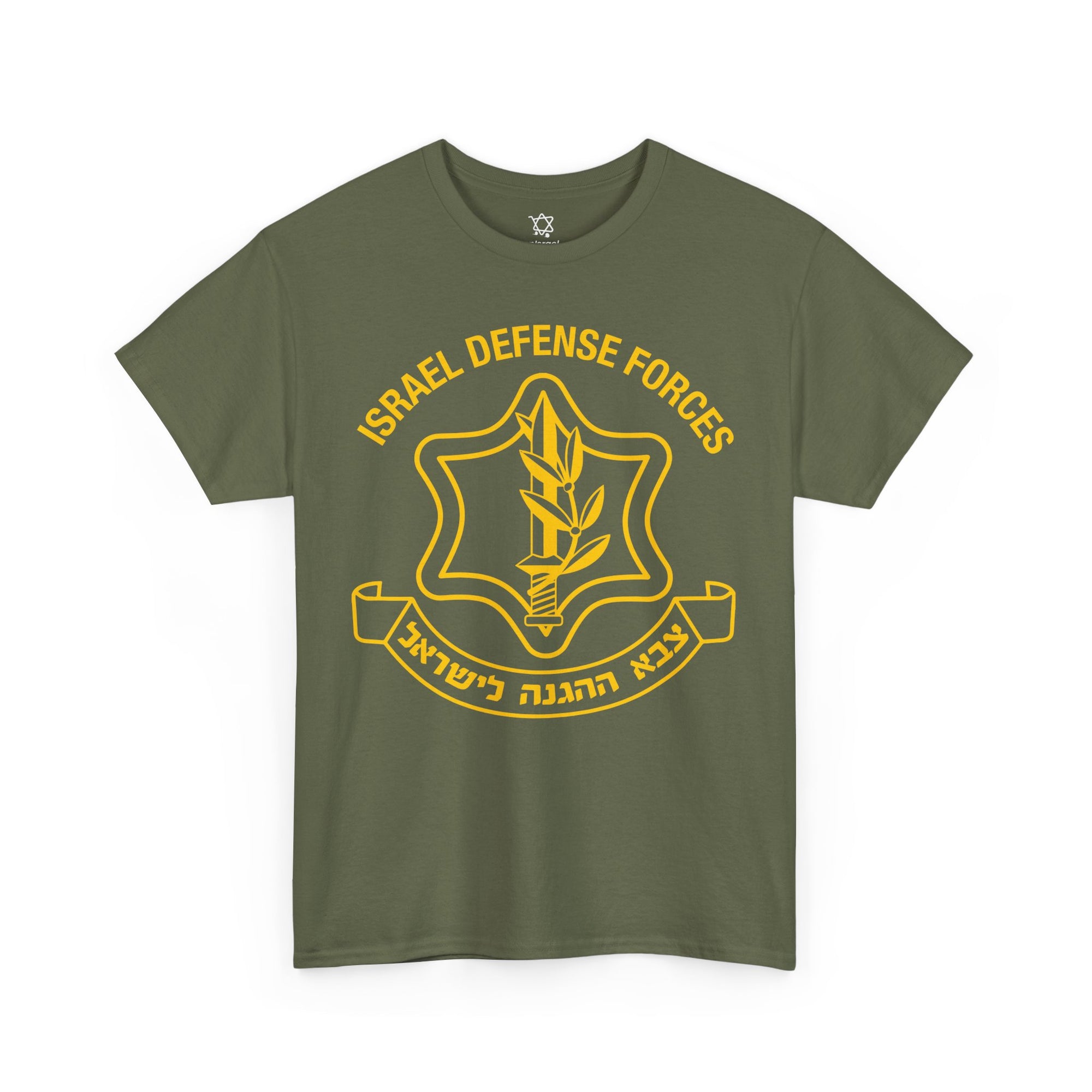
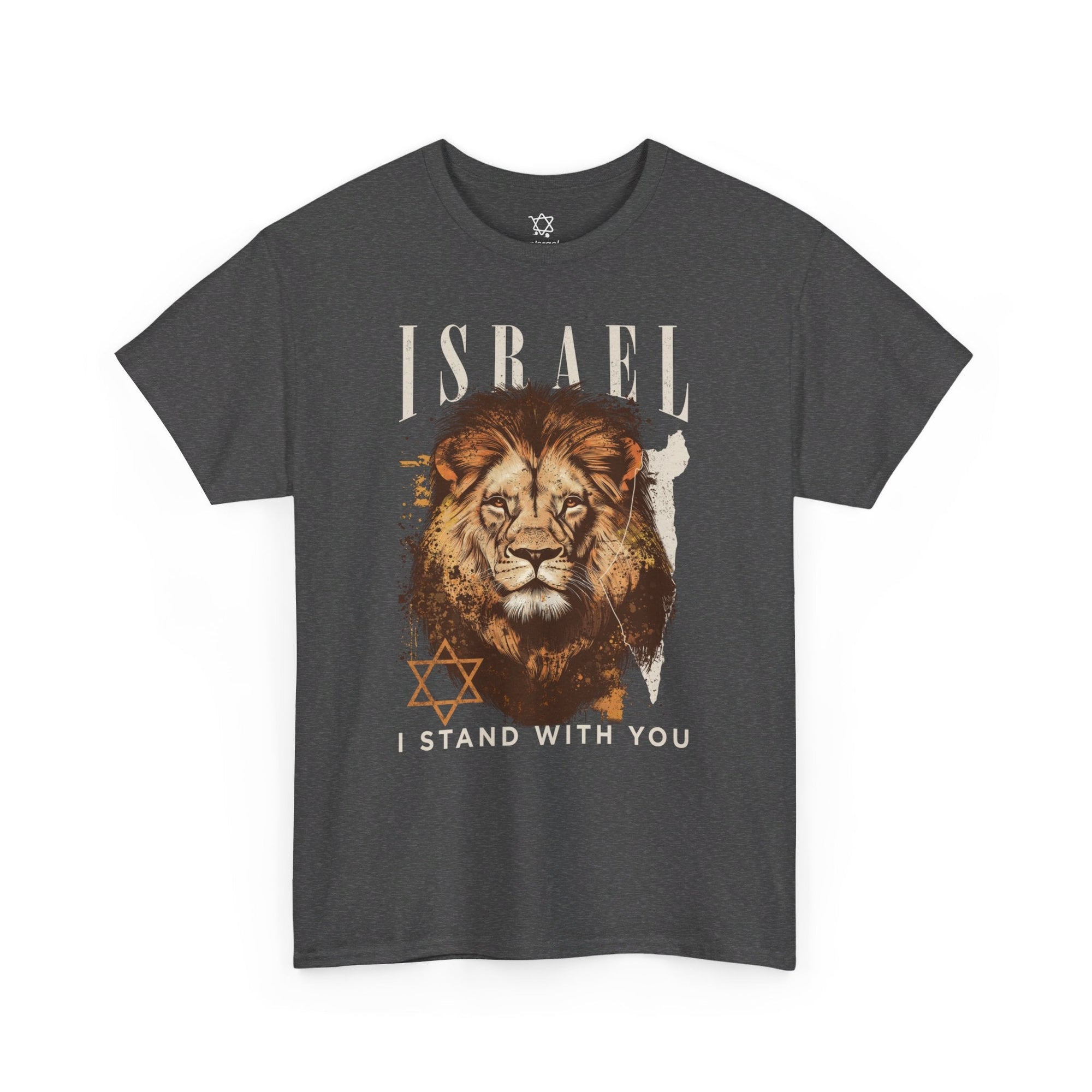
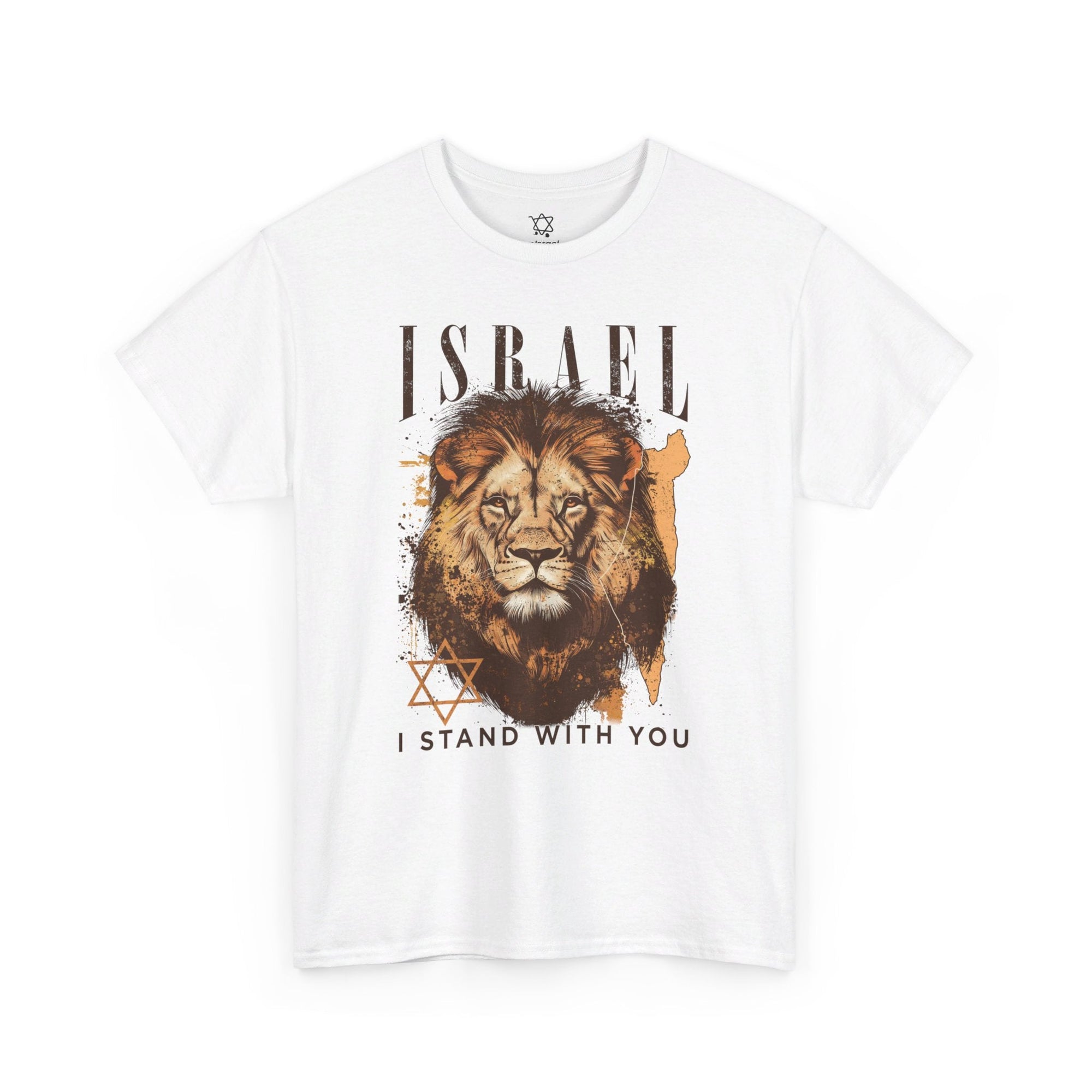
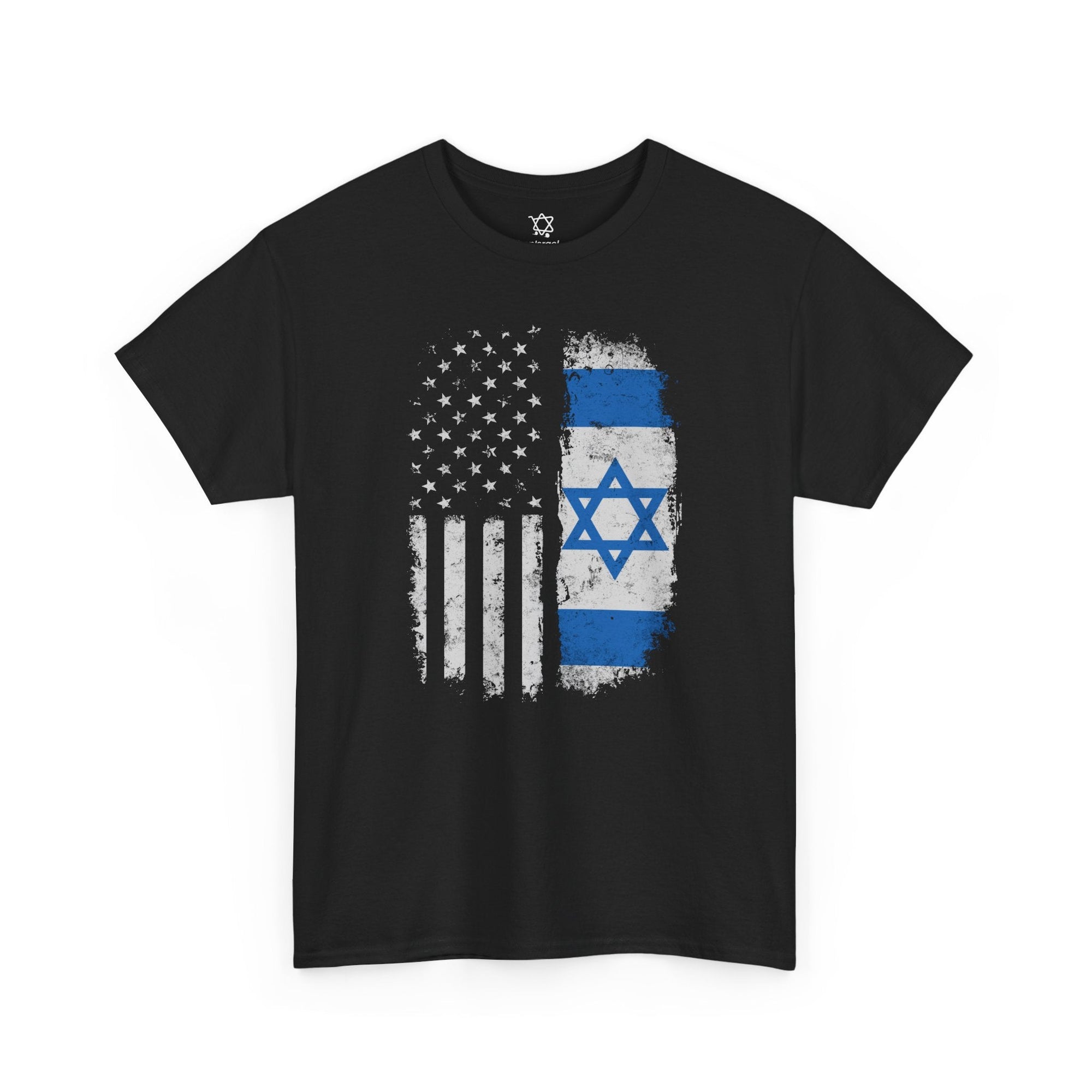
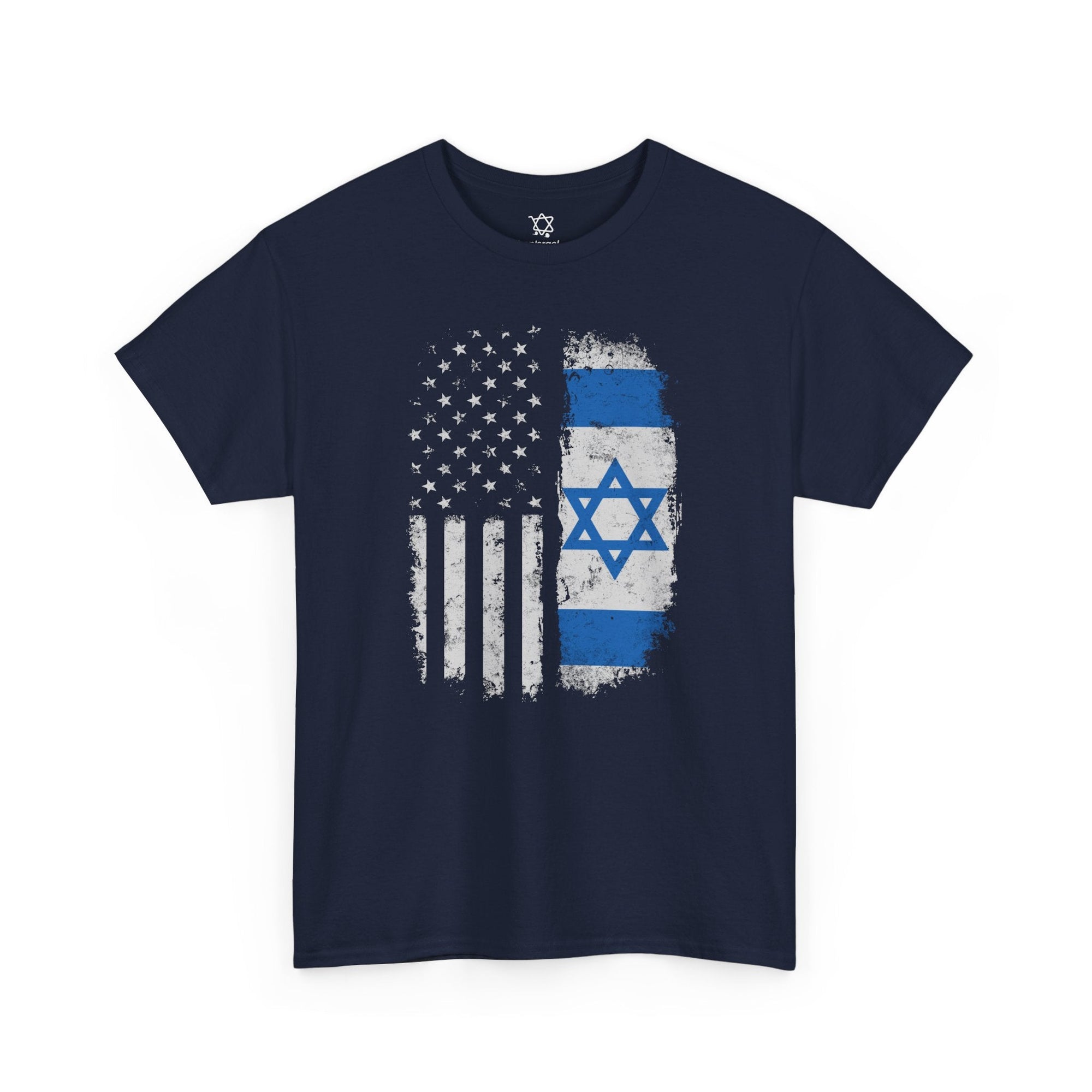
If the symbols in this story resonate, you can wear them yourself. Our Am Yisrael Chai collection carries the same resilience slogan that has appeared on post-October-7 couture, and the tallit stripes and Star of David motifs described above run through classic Israeli design.
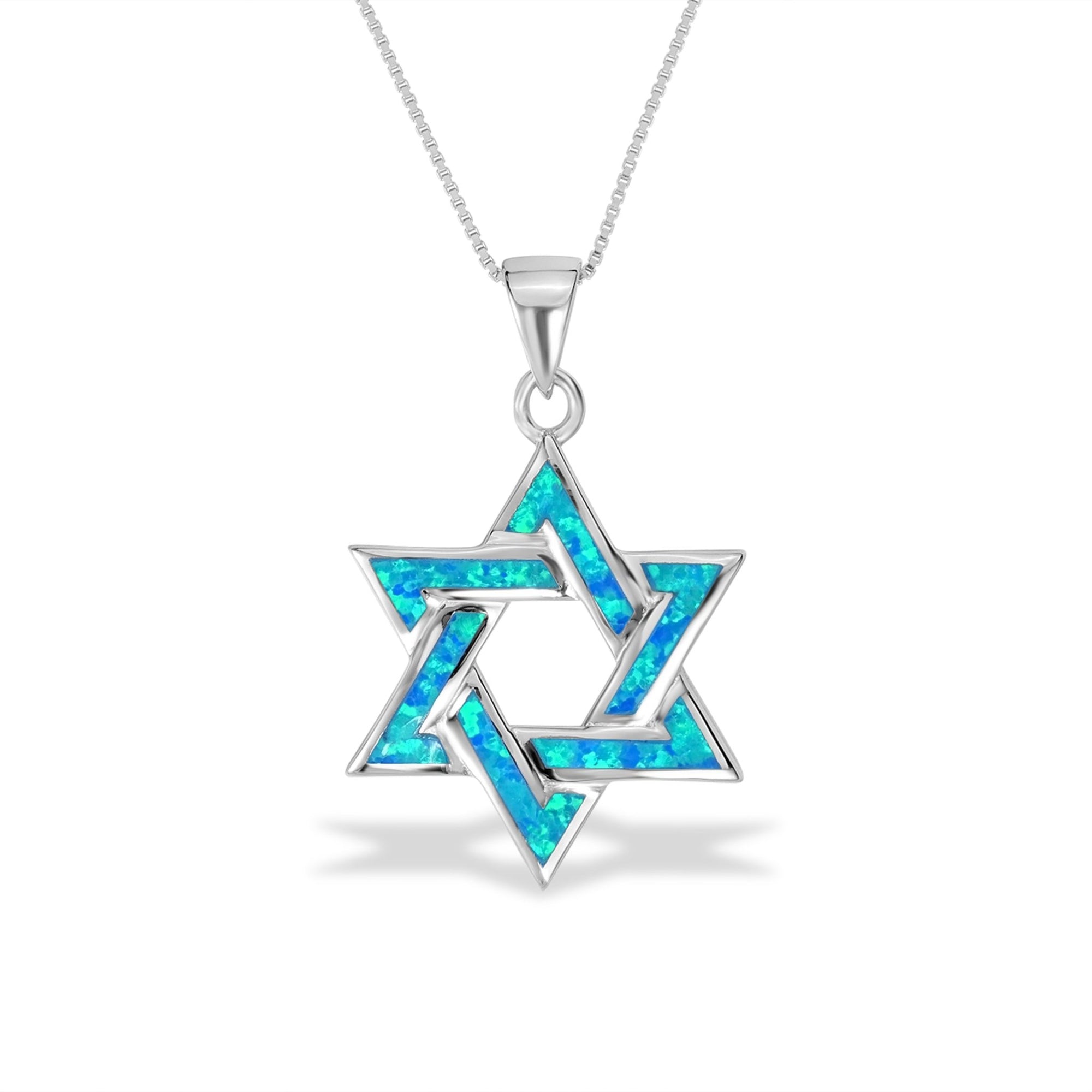
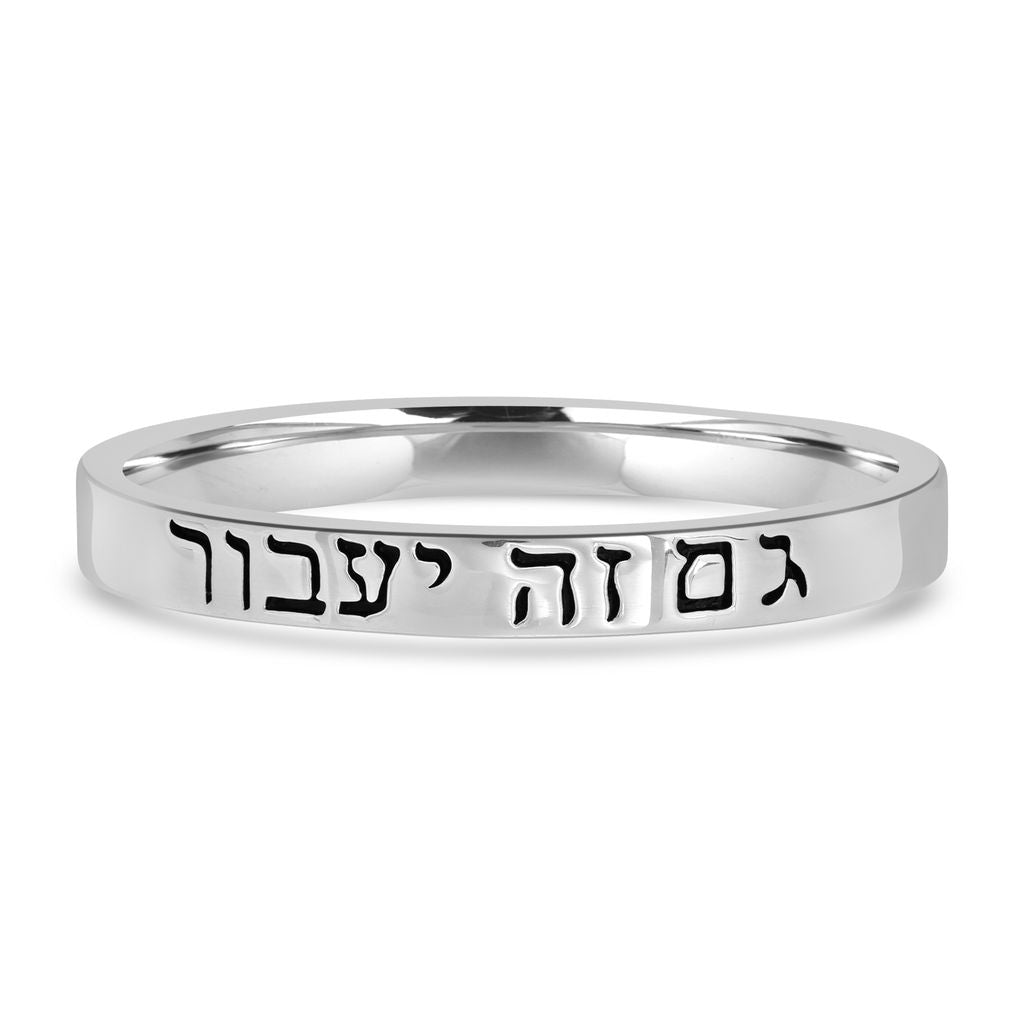
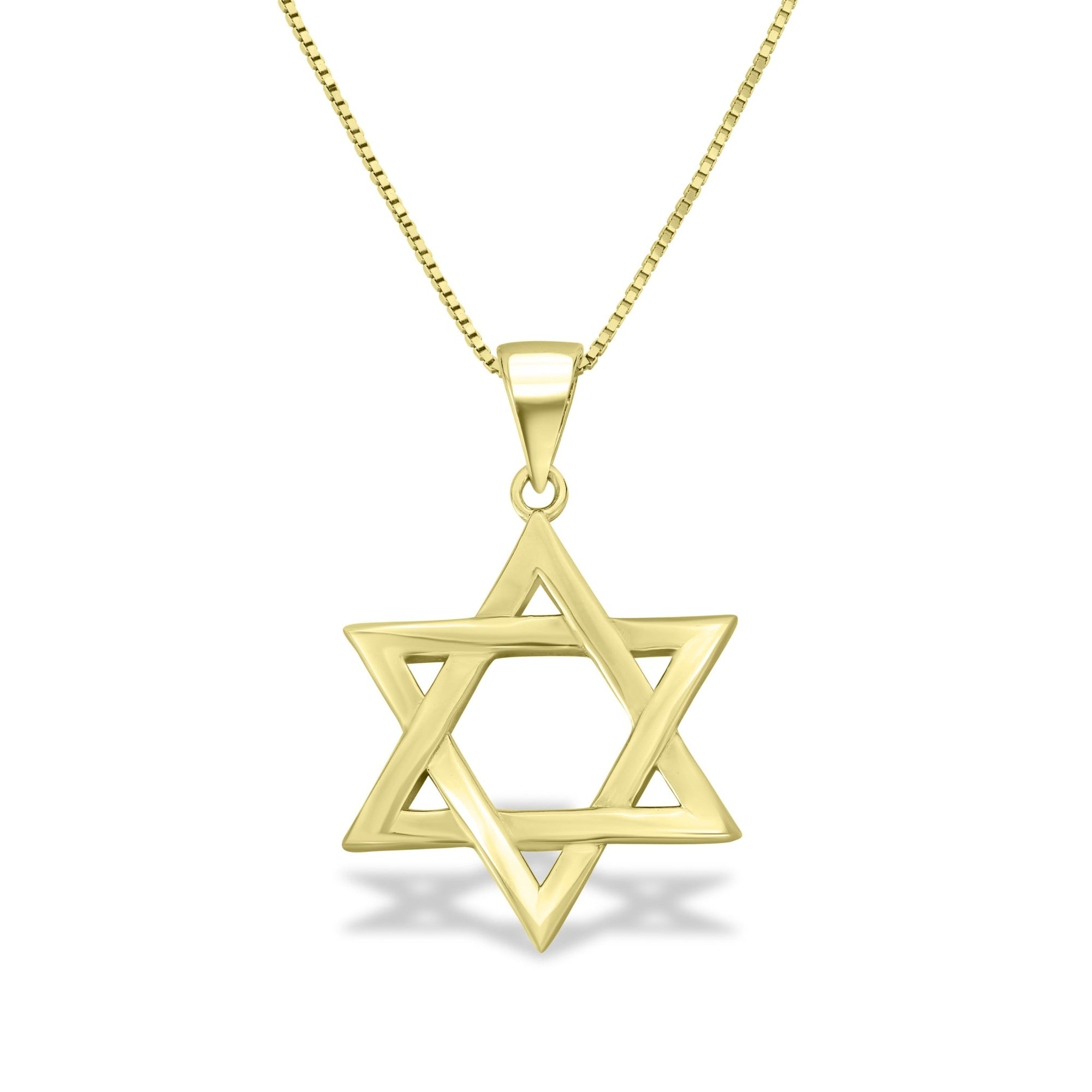
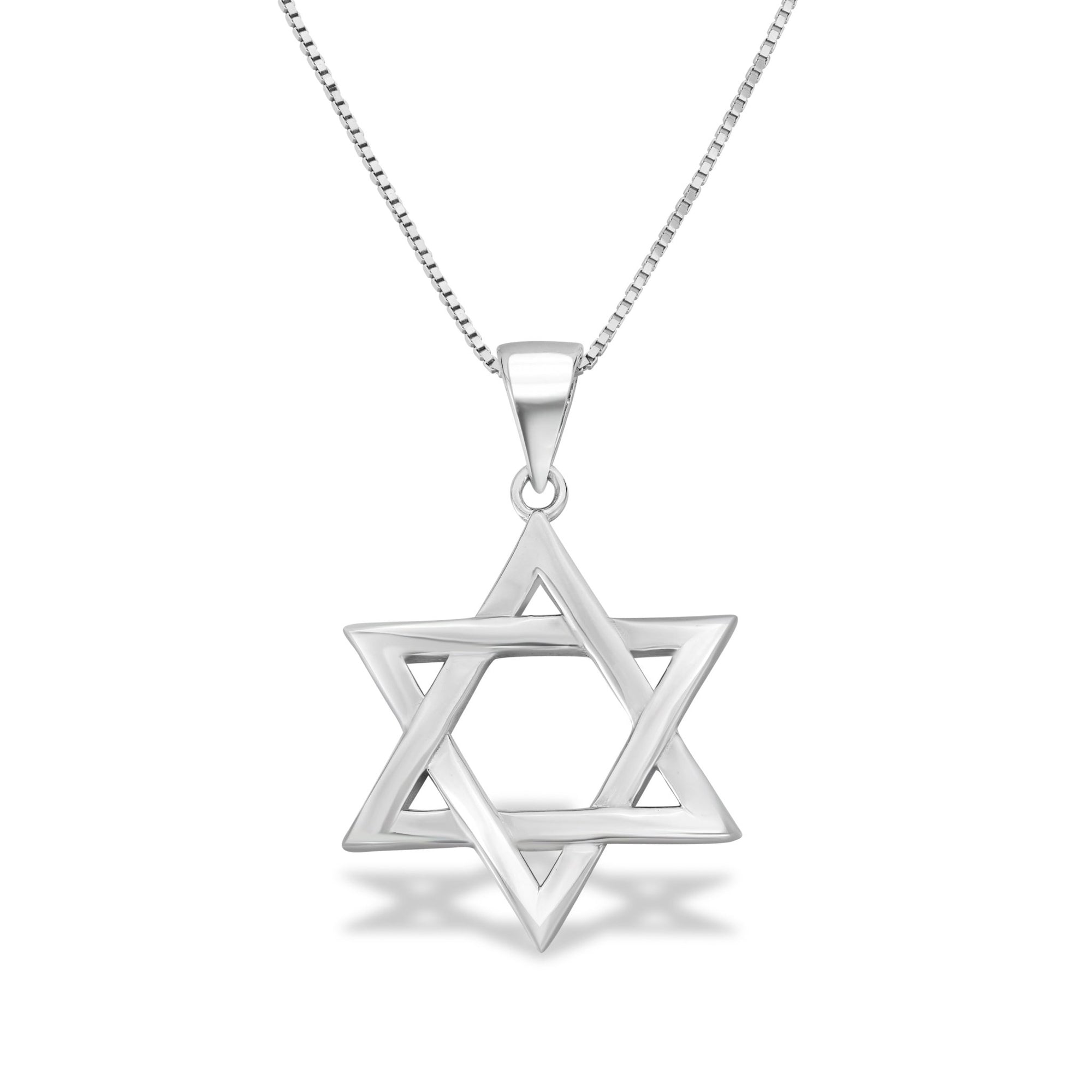
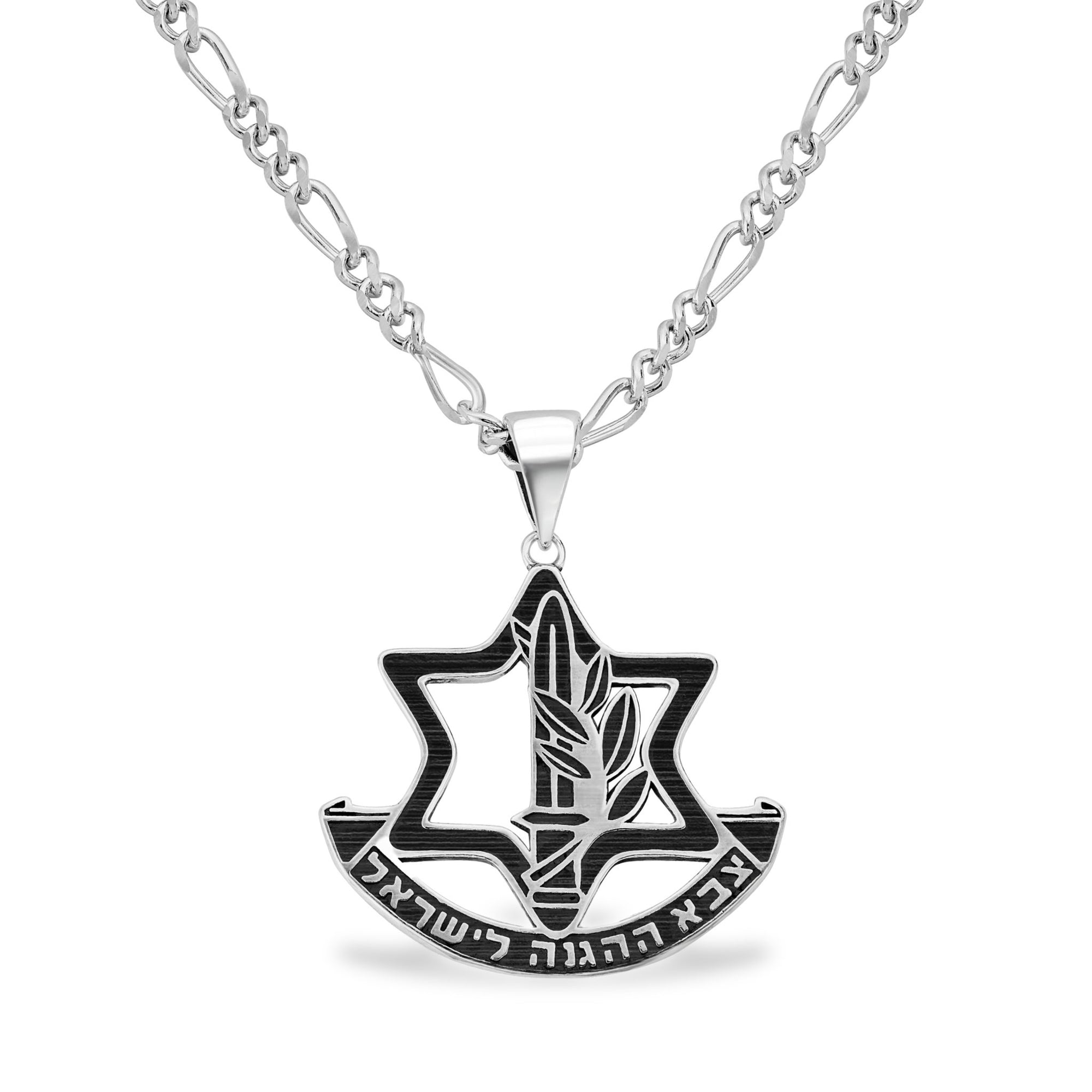
Support Israel directly: browse our Star of David jewelry for the heritage symbol at the center of this story, or the Bring Them Home Now collection to carry the yellow-ribbon hostage-solidarity motif into your own wardrobe.
Related
- Does Bella Hadid support Israel?
- Does Alexander Wang support Israel?
- Does Alessandro Michele support Israel?
Last updated July 2026. We update these profiles as the record changes.